Long-term Lethal Toxicity Test with the Crustacean Artemia franciscana
1Department of Environmental Quality Monitoring, Institute for Environmental Protection and Research, 2Regional Agency for Environmental Protection in Emilia-Romagna
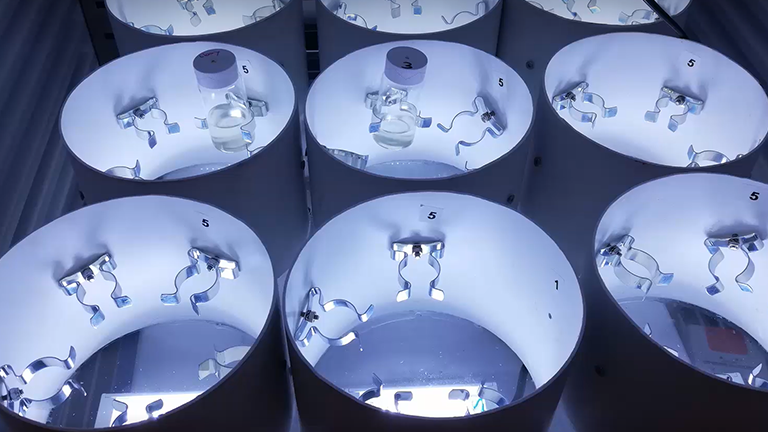
This study concerns the development and standardization of a valuable methodological protocol to determine long-term (14 days) lethal toxicity exerted by chemical substances, industrial wastewater or sewage and liquid environmental samples on the saltwater crustacean, Artemia franciscana.
An In Vitro Skin Irritation Test (SIT) using the EpiDerm Reconstructed Human Epidermal (RHE) Model
In this video, we demonstrate the EpiDerm Skin Irritation test (EpiDerm SIT) developed and validated for in vitro skin irritation testing of chemicals, including cosmetic and pharmaceutical ingredients.
ヒト表皮再構築モデルを用いたIn vitro皮膚刺激試験 - ADVERTISEMENT
Imaging Odor-Evoked Activities in the Mouse Olfactory Bulb using Optical Reflectance and Autofluorescence Signals
This article presents the protocols of intrinsic optical signals and flavoproteins autofluorescence signals imaging to map odor-evoked activities at the surface of the olfactory bulb in mice.
Physiological Experimentation with the Crayfish Hindgut: A Student Laboratory Exercise
1Department of Biology, University of Kentucky, 2Department of Biological Sciences, Brock University
In this report we demonstrate techniques that can be used to investigate the biology of the crayfish hindgut. We show how to dissect a crayfish abdomen and study the associated anatomy, physiology and modulation of activity. The peristaltic activity and strength of contractions are measured using a force transducer.
Engineering Adherent Bacteria by Creating a Single Synthetic Curli Operon
1UMR CNRS 5557 Ecologie Microbienne, Université Lyon 1, Université de Lyon, 2Département Biosciences, INSA de Lyon, Université de Lyon, 3INSERM U758, Ecole Normale Supérieure de Lyon, Université de Lyon, 4Laboratoire de Génie Civil et Ingénierie Environnementale, INSA de Lyon, Université de Lyon
The design of a synthetic operon encoding both the secretory apparatus and the structural monomers of curli fibers is described. Overproduction of these amyloids and adherent polymers allows a measurable gain of adherence of the E. coli chassis1. Easy ways to visualize and quantify adherence are explained.
Manual Restraint and Common Compound Administration Routes in Mice and Rats
1Insourcing Solutions, Charles River, 2Research Models and Services, Charles River
Working safely and humanely with research rodents requires a core competency in handling and restraint methods. This article will present the basic principles required to safely handle and effectively administer compounds to mice and rats.
Micromanipulation of Gene Expression in the Adult Zebrafish Brain Using Cerebroventricular Microinjection of Morpholino Oligonucleotides
In this article, we demonstrate a method for manipulation of gene expression in the ventricular cells of the adult zebrafish telencephalon using antisense morpholino oligonucleotides. We present this method as an efficient and quick protocol that can be used for functional studies in the adult vertebrate brain.
Plasma Lithography Surface Patterning for Creation of Cell Networks
1Aerospace and Mechanical Engineering, University of Arizona, 2Biomedical Engineering IDP and BIO5 Institute, University of Arizona
A versatile plasma lithography technique has been developed to generate stable surface patterns for guiding cellular attachment. This technique can be applied to create cell networks including those that mimic natural tissues and has been used for studying several, distinct cell types.
Muscle Receptor Organs in the Crayfish Abdomen: A Student Laboratory Exercise in Proprioception
Department of Biology, University of Kentucky
The primary purpose of this experiment is to understand how primary sensory neurons convey information of joint movements and positions as proprioceptive information for an animal. An additional objective of this report is present the anatomy of the preparation by dissection and viewing of neurons under a dissecting microscope.
Compact Quantum Dots for Single-molecule Imaging
1Department of Biomedical Engineering, Emory University, 2Department of Chemistry, Georgia Institute of Technology
We describe the preparation of colloidal quantum dots with minimized hydrodynamic size for single-molecule fluorescence imaging. Compared to conventional quantum dots, these nanoparticles are similar in size to globular proteins and are optimized for single-molecule brightness, stability against photodegradation, and resistance to nonspecific binding to proteins and cells.
Extraction of High Molecular Weight DNA from Microbial Mats
We provide an improved protocol for extracting high molecular weight DNA from hypersaline microbial mats. Microbial cells are separated from the mat matrix prior to DNA extraction and purification. This enhances the concentrations, quality, and size of the DNA. The protocol may be used for other refractory samples.
VisioTracker, an Innovative Automated Approach to Oculomotor Analysis
1Institute of Molecular Life Sciences, University of Zurich, 2TSE Systems GmbH
The VisioTracker is an automated system for the quantitative analysis of visual performance of larval and small adult fish based on the recording of eye movements. It features full control over visual stimulus properties and real-time analysis, enabling high-throughput research in fields such as visual system development and function, pharmacology, neural circuit studies and sensorimotor integration.
Imaging Pheromone Sensing in a Mouse Vomeronasal Acute Tissue Slice Preparation
1Department of Pharmacology and Toxicology, University of Lausanne, 2Department of Genetics and Evolution, University of Geneva
In mice, the ability to detect pheromones is principally mediated by the vomeronasal organ (VNO). Here, an acute tissue slice preparation of VNO for performing calcium imaging is described. This physiological approach allows observations of subpopulations and/or individual neurons in a living tissue and is convenient for receptor-ligand identification.
Facilitating Drug Discovery: An Automated High-content Inflammation Assay in Zebrafish
1Institute for Toxicology and Genetics, Karlsruhe Institute of Technology, Karlsruhe, Germany, 2Institute for Applied Informatics, Karlsruhe Institute of Technology, Karlsruhe, Germany
Here we describe a novel high-content chemically induced inflammation assay aiming at the identification of immune-modulatory bioactives. We have successfully combined automated microscopy with custom developed software scripts enabling automated quantification of the inflammatory response as well as further data processing, analysis, mining, and storage.
Collecting And Measuring Wound Exudate Biochemical Mediators In Surgical Wounds
Department of Anesthesia, Stanford University School of Medicine
This article provides a detailed and visual description of a methodology for collecting and measuring biochemical inflammatory and nociceptive mediators at the surgical wound site following cesarean delivery. This human bioassay has been used to determine correlations between wound and serum cytokine concentrations and drug-mediated changes in wound cytokines, chemokines and neuropetides.
Double Fluorescence in situ Hybridization in Fresh Brain Sections
1Department of Brain and Cognitive Sciences, University of Rochester, 2Center for Visual Science, University of Rochester
This protocol involves a non-radioactive in-situ hybridization procedure that enables the simultaneous identification of two transcript species, at a single cell resolution, in thin sections of the vertebrate brain.
Free Radicals in Chemical Biology: from Chemical Behavior to Biomarker Development
ISOF - Bio Free Radicals, Consiglio Nazionale delle Ricerche
Radical-based biomimetic chemistry has been applied to building-up libraries necessary for biomarker development.
Isolation of Functional Cardiac Immune Cells
Department of Cell Biology and Anatomy, University of South Carolina- School of Medicine
This method for isolating functional immune cells from the heart provides an alternative to the conventional methods of collagenase digestion, which causes unwanted immune cell activation, resulting in a decreased responsiveness of these cells. Our method of isolation yields functional cardiac immune cells by avoiding problems associated with enzymatic digestion.
Methods for Experimental Manipulations after Optic Nerve Transection in the Mammalian CNS
Department of Surgery, University of Toronto
Optic Nerve transection is a widely used model of adult CNS injury. This model is ideal for performing a number of experimental manipulations that target the retina globally or directly target the injured neuronal population of retinal ganglion cells.
Intravenous Microinjections of Zebrafish Larvae to Study Acute Kidney Injury
1Department of Developmental Biology, University of Pittsburgh, 2Department of Biological Sciences, University of Pittsburgh, 3Department of Medicine and Genetics, Harvard Medical School
We describe a technique of microinjecting the aminoglycoside, gentamicin, into 2 days post-fetilization (dpf) zebrafish larvae to induce acute kidney injury (AKI). We also describe a method for whole mount immunohistochemistry, plastic embedding and sectioning of zebrafish larvae to visualize the AKI mediated damage.
Production of Disulfide-stabilized Transmembrane Peptide Complexes for Structural Studies
1Structural Biology Division, The Walter and Eliza Hall Institute of Medical Research, 2The University of Melbourne
Biophysical and biochemical studies of interactions among membrane-embedded protein domains face many technical challenges, the first of which is obtaining appropriate study material. This article describes a protocol for producing and purifying disulfide-stabilized transmembrane peptide complexes that are suitable for structural analysis by solution nuclear magnetic resonance (NMR) and other analytical applications.
Collecting and Measuring Nociceptive and Inflammatory Mediators in Surgical Wounds
Department of Anesthesiology, Stanford University School of Medicine
A technique to collect and measure surgical wound biochemical mediators at specific time points.
The Use of Cystometry in Small Rodents: A Study of Bladder Chemosensation
1Laboratory of Experimental Urology, Department of Development and Regeneration, KU Leuven, Belgium, 2Laboratory for Ion Channel Research, Department of Cellular and Molecular Medicine, KU Leuven, Belgium, 3TRP Research Platform Leuven (TRPLe), KU Leuven, Belgium
Cystometry is an efficient technique to measure bladder function of small animals in vivo. The bladder is continuously infused at rates controlled through an intravesical catheter, whereas the urethra is left free for micturition. This allows for repetitive filling and emptying of the bladder, while intravesical pressure and voided volume are recorded.
Microinjection of Medaka Embryos for use as a Model Genetic Organism
Centre for Regenerative Medicine, Department of Biology and Biochemistry, University of Bath
Medaka and zebrafish are complementary for genetic dissection of vertebrate genome functions. This protocol highlights the key points for successful microinjection into medaka embryos, an important technique for embryological and genetic analysis using medaka and zebrafish in a laboratory.
Combining Behavioral Endocrinology and Experimental Economics: Testosterone and Social Decision Making
1Institute for Empirical Research in Economics, Laboratory for Social and Neural Systems Research, University of Zurich, 2Department of Economics, Royal Holloway, University of London
The procedure described in this protocol shows that testosterone administration and folk beliefs about testosterone may be associated with directly opposed social behaviors.
The Polyvinyl Alcohol Sponge Model Implantation
1Department of Pathology, Microbiology and Immunology, Vanderbilt University School of Medicine, 2The Department of Veterans Affairs Medical Center, 3Internal Medicine, Vanderbilt University School of Medicine
A useful tool to analyze the effects of drugs, growth factors, and/or manipulated cells in an animal model of wound repair is described. This technique utilizes the properties of a polyvinyl alcohol (PVA) sponge to deliver and contain the desired treatment and also provide a platform to be excised and analyzed.
Murine Model for Parkinson's Disease: from 6-OH Dopamine Lesion to Behavioral Test
Instituto de Ciências Biomédicas, Universidade Federal do Rio de Janeiro, Brasil
Parkinson disease is caused by loss of dopaminergic innervation to the striatum, which can be experimentally induced by 6-OH-dopamine. We describe how to perform a stereotaxic lesion and to monitor apomorphine-induced rotational behavior in mice. This model is useful and reliable for testing new therapies for Parkinson disease.
An Isolated Retinal Preparation to Record Light Response from Genetically Labeled Retinal Ganglion Cells
Department of Neuroscience, University of Minnesota
This article provides a description of how to dissect and record from the isolated retinal preparation in mouse. In particular, we describe how to record light responses from a fluorescently labeled ganglion cell population and subsequently identify and analyze its morphology.
Chick ex ovo Culture and ex ovo CAM Assay: How it Really Works
1Institute for Physiological Chemistry, Department of Biochemical Endocrinology, University of Duisburg-Essen, 2Institute for Anatomy, Department of Neuroanatomy, University of Duisburg-Essen, 3Morphoplant GmbH, 4ARCONS Institute for Applied Research and Didactics
The chick chorioallantoic membrane (CAM) is a unique, naturally immunodeficient supportive culture environment to study angiogenesis and tumorigenesis. This video article demonstrates the different steps in chick ex ovo culture, application of potentially angiogenic substances and successful inoculation of tumor cells and tissues on the surface of the CAM.
Hyponeophagia: A Measure of Anxiety in the Mouse
Department of Experimental Psychology, University of Oxford
Mice and rats, due to their innate cautiousness, are initially slow in consuming a novel food, particularly in a novel place. This hyponeophagia can readily be measured in the laboratory, even though laboratory animals are much less anxious than their wild counterparts
Live Cell Imaging of Bacillus subtilis and Streptococcus pneumoniae using Automated Time-lapse Microscopy
This protocol provides a step-by-step procedure to monitor single cell behavior of different bacteria in time using automated fluorescence time-lapse microscopy. Furthermore, we provide guidelines how to analyze the microscopy images.
In vivo-like Organotypic Murine Retinal Wholemount Culture
Institute for Anatomy, Department of Neuroanatomy, University of Duisburg-Essen
This video article demonstrates the establishment of organotypic retinal wholemount cultures and a cytospin procedure for analysis of exogenously induced effects. Organotypic retinal wholemount cultures mimic the in vivo situation and significantly facilitate the accessibility of murine retinas for experimental manipulations while circumventing the disadvantages of classical murine animal models.
Three-dimensional Imaging of Nociceptive Intraepidermal Nerve Fibers in Human Skin Biopsies
1Department of Neurology, University of Michigan, 2Department of Internal Medicine, University of Michigan
In order to study the changes of nociceptive intraepidermal nerve fibers (IENFs) in painful neuropathies (PN), we developed protocols that could directly examine three-dimensional morphological changes observed in nociceptive IENFs. Three-dimensional analysis of IENFs has the potential to evaluate the morphological changes of IENF in PN.
Low Molecular Weight Protein Enrichment on Mesoporous Silica Thin Films for Biomarker Discovery
1Department of Nanomedicine, The Methodist Hospital Research Institute, 2CAS Key Laboratory for Biological Effects of Nanomaterials & Nanosafety, National Center for Nanoscience and Technology
We developed a technology based on mesoporous silica thin film for the selective recovery of low molecular weight proteins and peptides from human serum. The physico-chemical properties of our mesoporous chips were finely tuned to provide substantial control in peptide enrichment and consequently profile the serum proteome for diagnostic purposes.
Concurrent Quantitative Conductivity and Mechanical Properties Measurements of Organic Photovoltaic Materials using AFM
1Center for Nanoscale Materials, Argonne National Laboratory, 2Institute for Molecular Engineering, University of Chicago
Organic photovoltaic (OPV) materials are inherently inhomogeneous at the nanometer scale. Nanoscale inhomogeneity of OPV materials affects performance of photovoltaic devices. In this paper, we describe a protocol for quantitative measurements of electrical and mechanical properties of OPV materials with sub-100 nm resolution.
Large Scale Zebrafish-Based In vivo Small Molecule Screen
1Division of Cardiovascular Medicine, Department of Medicine, Vanderbilt University School of Medicine, 2Department of Pharmacology, Vanderbilt University School of Medicine, 3Vanderbilt Institute of Chemical Biology, Vanderbilt University School of Medicine, 4Research Medicine, Veterans Affairs TVHS, Vanderbilt University School of Medicine
Zebrafish has emerged as a powerful in vivo platform for phenotype-based drug screens and chemical genetic analysis. Here, we demonstrate a simple, practical method for large-scale screening of small molecules using zebrafish embryos.
A Novel Surgical Approach for Intratracheal Administration of Bioactive Agents in a Fetal Mouse Model
1Molecular Virology and Gene Therapy, KU Leuven, 2Department of Woman and Child, KU Leuven, 3Neurobiology and Gene Therapy, KU Leuven, 4Division of Nuclear Medicine, KU Leuven, 5Biomedical NMR Unit/ MoSAIC, KU Leuven
We developed a novel surgical approach for intratracheal administration of bioactive agents into the mouse fetus. The delivery route is more efficient in targeting the fetal mouse lungs than the commonly used intra-amniotic injection. This procedure has to date not been described in a mouse model.
Exploring Arterial Smooth Muscle Kv7 Potassium Channel Function using Patch Clamp Electrophysiology and Pressure Myography
Department of Molecular Pharmacology & Therapeutics, Loyola University Chicago
Measurements of Kv7 (KCNQ) potassium channel activity in isolated arterial myocytes (using patch clamp electrophysiological techniques) in parallel with measurements of constrictor/dilator responses (using pressure myography) can reveal important information about the roles of Kv7 channels in vascular smooth muscle physiology and pharmacology.
Fabrication of Electrochemical-DNA Biosensors for the Reagentless Detection of Nucleic Acids, Proteins and Small Molecules
1Department of Chemistry and Biochemistry, University Of California Santa Barbara, 2Department of Chemistry and Biochemistry, Program in BioMolecular Science and Engineering, University Of California Santa Barbara
"E-DNA" sensors, reagentless, electrochemical biosensors that perform well even when challenged directly in blood and other complex matrices, have been adapted to the detection of a wide range of nucleic acid, protein and small molecule analytes. Here we present a general procedure for the fabrication and use of such sensors.
Fluorescent Labeling of COS-7 Expressing SNAP-tag Fusion Proteins for Live Cell Imaging
Division of Chemical Biology, New England Biolabs
SNAP-tag and CLIP-tag protein labeling systems enable the specific, covalent attachment of molecules, including fluorescent dyes, to a protein of interest in live cells. Once cloned and expressed, the tagged protein can be used with a variety of substrates for numerous downstream applications without having to clone again.
An Orthotopic Model of Murine Bladder Cancer
1Department of Comparative Medicine, Tulane University, 2Department of Chemical and Biomolecular Engineering, Tulane University
Bladder tumors are established in female mice in a minimally invasive fashion through catheterization, local cauterization, and subsequent adhesion of carcinoma cells to the burn sites.
Endothelial Cell Co-culture Mediates Maturation of Human Embryonic Stem Cell to Pancreatic Insulin Producing Cells in a Directed Differentiation Approach
1Department of Bioengineering, University of Pittsburgh, 2Department of Chemical Engineering, University of Pittsburgh
The current study describes a directed differentiation approach in inducing pancreatic differentiation of human embryonic stem cells. Of great significance is the finding that endothelial cell co-culture mediates maturation of human embryonic stem cell derived pancreatic progenitors into insulin expressing cells.
Enumeration of Major Peripheral Blood Leukocyte Populations for Multicenter Clinical Trials Using a Whole Blood Phenotyping Assay
Vaccine and Infectious Disease Division, Fred Hutchinson Cancer Research Center
In this report, we demonstrate the staining and analysis steps of a phenotyping assay performed on fresh whole blood to enumerate major innate and adaptive leukocyte populations. We emphasize considerations for performing these procedures in the context of a multicenter clinical trial.
Micro-particle Image Velocimetry for Velocity Profile Measurements of Micro Blood Flows
1Department of Chemical and Biological Engineering, University of Ottawa, 2Department of Mechanical Engineering, University of Ottawa
Micro-particle image velocimetry (μPIV) is used to visualize paired images of micro particles seeded in blood flows which are cross-correlated to give an accurate velocity profile. Shear rate, maximum velocity, velocity profile shape, and flow rate, each of which has clinical applications, can be derived from these measurements.
Cellular Lipid Extraction for Targeted Stable Isotope Dilution Liquid Chromatography-Mass Spectrometry Analysis
1Centers for Cancer Pharmacology and Excellence in Environmental Toxicology, University of Pennsylvania, 2Department of Pharmacology, University of Pennsylvania
This protocol will demonstrate the extraction and analysis of free and esterified bioactive fatty acids from cells. Fatty acids are accurately quantified using stable isotope dilution, chiral liquid chromatography, electron capture atmospheric chemical ionization multiple reaction monitoring mass spectrometry (SID-LC-ECAPCI-MRM/MS).
In situ Subcellular Fractionation of Adherent and Non-adherent Mammalian Cells
1Department of Biochemistry, School of Medical Sciences, University of Bristol, 2Division of Immunity and Infection, School of Medicine, University of Birmingham
In situ subcellular fractionation of mammalian cells on microscope coverslips allows the visualisation of protein localisation.
Retro-orbital Injection in Adult Zebrafish
1Department of Hematology and Oncology, Children’s Hospital Boston, 2Harvard Stem Cell Institute, Harvard Medical School, 3Department of Medical Oncology, Dana Farber Cancer Institute
Here we show how to do retro-orbital injection in adult zebrafish.
Localized RNAi and Ectopic Gene Expression in the Medicinal Leech
1Division of Biological Sciences, University of California San Diego - UCSD, 2Department of Physics, University of California San Diego - UCSD
In this video, we show a procedure for an accurate biolistic delivery of reagents into live tissue with a novel miniature gene gun. We are knocking down the expression of the axon guidance molecule Netrin in leech embryos by delivering molecules of dsRNA into the ventral body wall and ganglia of single segments.
Proboscis Extension Response (PER) Assay in Drosophila
Department of Molecular, Cellular, and Developmental Biology, Yale University
Proboscis extension response or PER is a taste behavior assay that has been used in flies as well as in honeybees. When the proboscis makes contact with an attractive substance, the fly extends its proboscis to consume the substance. Solutions of various sugars are very attractive to the fly.