ALS - Motor Neuron Disease: Mechanism and Development of New Therapies

July 29th, 2007
Jeffrey D. Rothstein speaks about the pathology and mechanisms underlying amyotrophic lateral sclerosis or ALS, advances in ALS research, and current strategies towards the development of therapies.
Related Concept Videos

01:15
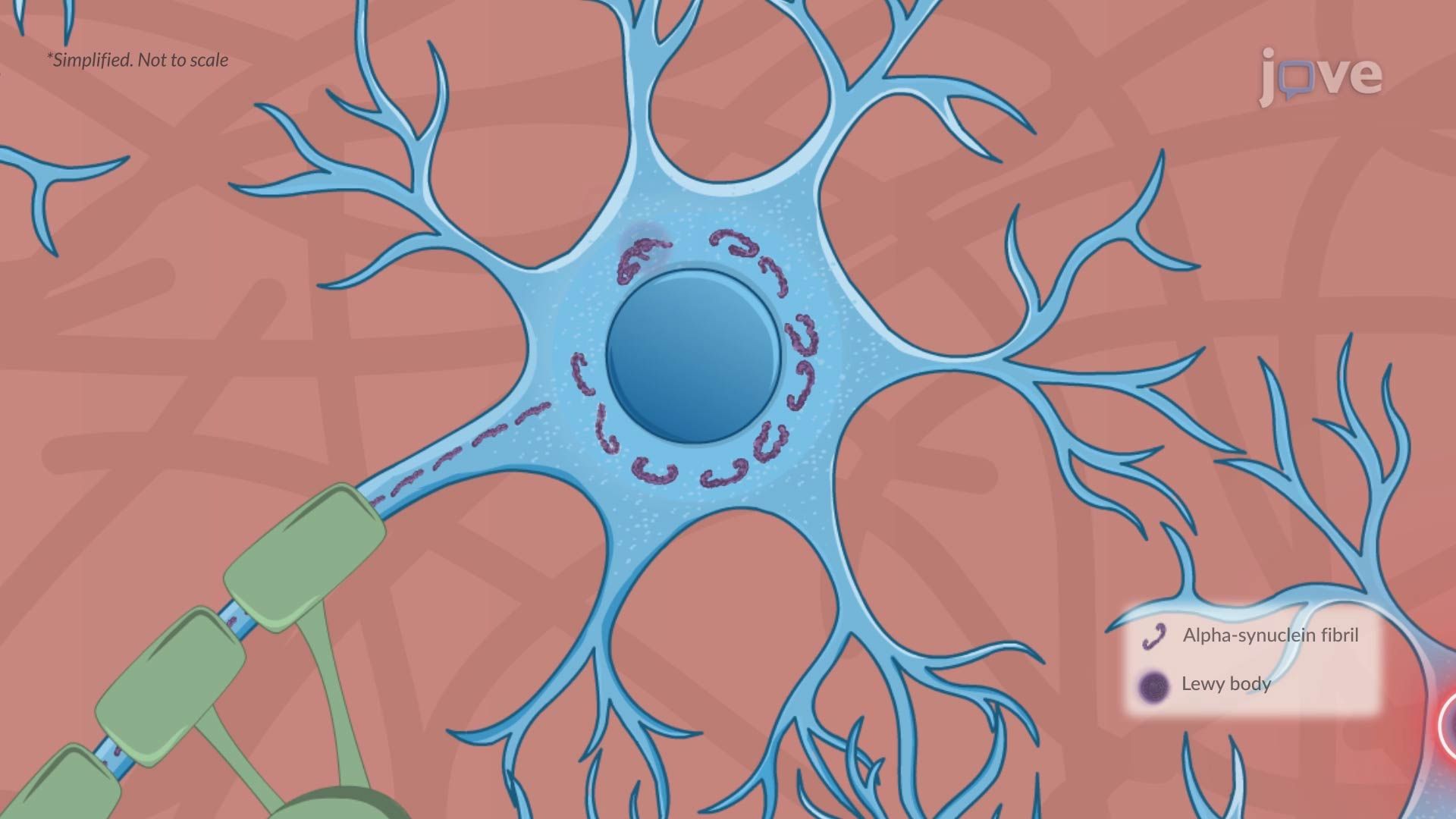
Parkinson's Disease: Overview
Neurodegenerative disorders are progressive diseases that cause irreversible damage and loss to neurons in specific brain areas. Examples of these disorders include Parkinson's disease, Alzheimer's disease, Multiple Sclerosis (MS), and Amyotrophic Lateral Sclerosis (ALS). These disorders share characteristics such as proteinopathies, selective neuronal vulnerability, and a complex interplay between genetic and environmental factors. The primary therapeutic goal for these conditions is to...
01:24
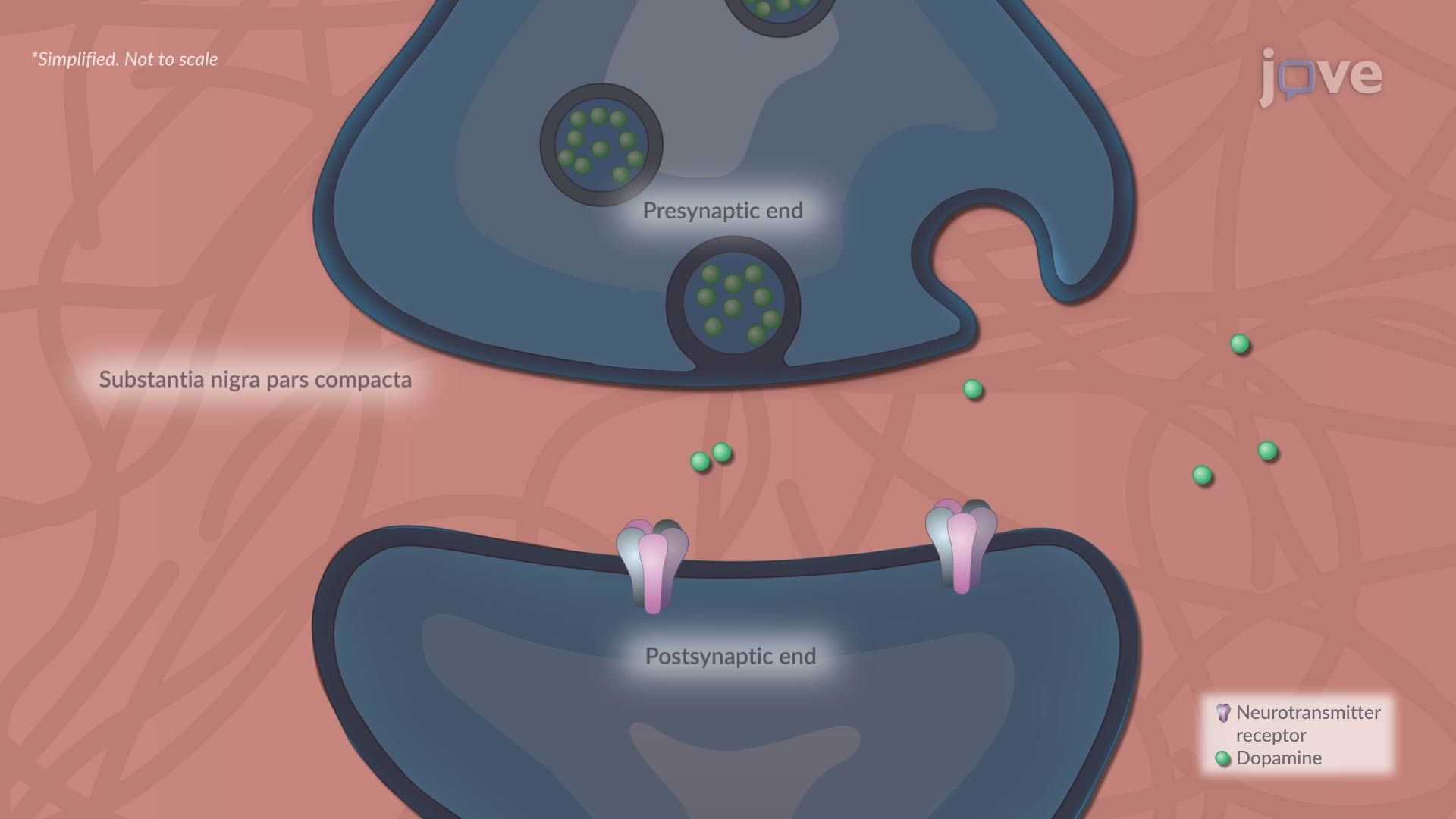
Parkinson Disease ll: Pathophysiology
Parkinson disease (PD) is a progressive neurodegenerative disorder primarily affecting movement, with additional non-motor features. Its pathophysiology involves complex interactions among genetic susceptibility, environmental exposures, and cellular dysfunction, including dopaminergic neuron loss, protein aggregation, and mitochondrial impairment.Selective NeurodegenerationA key feature is the degeneration of dopaminergic neurons in the substantia nigra pars compacta, leading to reduced...

01:26
Cross-bridge Cycle
As muscle contracts, the overlap between the thin and thick filaments increases, decreasing the length of the sarcomere—the contractile unit of the muscle—using energy in the form of ATP. At the molecular level, this is a cyclic, multistep process that involves binding and hydrolysis of ATP, and movement of actin by myosin.When ATP, that is attached to the myosin head, is hydrolyzed to ADP, myosin moves into a high energy state bound to actin, creating a cross-bridge. When ADP is released,...
01:24
Parkinson Disease l: Introduction
Parkinson’s disease is a chronic, progressive neurodegenerative disorder that primarily affects movement. It is characterized by motor symptoms such as resting tremors, muscle rigidity, bradykinesia (slowness of movement), and postural instability. Patients may notice hand tremors at rest, stiffness during movement, or a shuffling gait. In addition to motor features, non-motor symptoms include sleep disturbances, mood and behavioral changes, constipation, and cognitive impairment, all of which...