The Portable Chemical Sterilizer (PCS), D-FENS, and D-FEND ALL: Novel Chlorine Dioxide Decontamination Technologies for the Military

June 29th, 2014
The Portable Chemical Sterilizer (PCS) is a revolutionary, energy-independent, almost waterless sterilization technology for Army medical units. The PCS generates chlorine dioxide from dry reagents mixed with water on-site, at-will, and at point-of-use (PoU) in a plastic suitcase. The Disinfectant-sprayer for Foods and ENvironmentally-friendly Sanitation (D-FENS) and the Disinfectant for ENvironmentally-friendly Decontamination, All-purpo
Related Concept Videos

01:30
Methods of Sterilization II: Chemical Methods
In healthcare, the chemical method of sterilization uses chemical sterilants to treat surgical instruments and medical supplies to help prevent the transmission of infectious pathogens to patients. Due to heat sensitivity, most medical supplies and equipment should not be exposed to high temperatures. These parts include rubber, plastic, glass, and other similar elements.Using chemical sterilization rather than heat to clean out equipment is recommended. It eradicates and removes all bacteria,...
01:27
Chemical Agents for Microbial Control
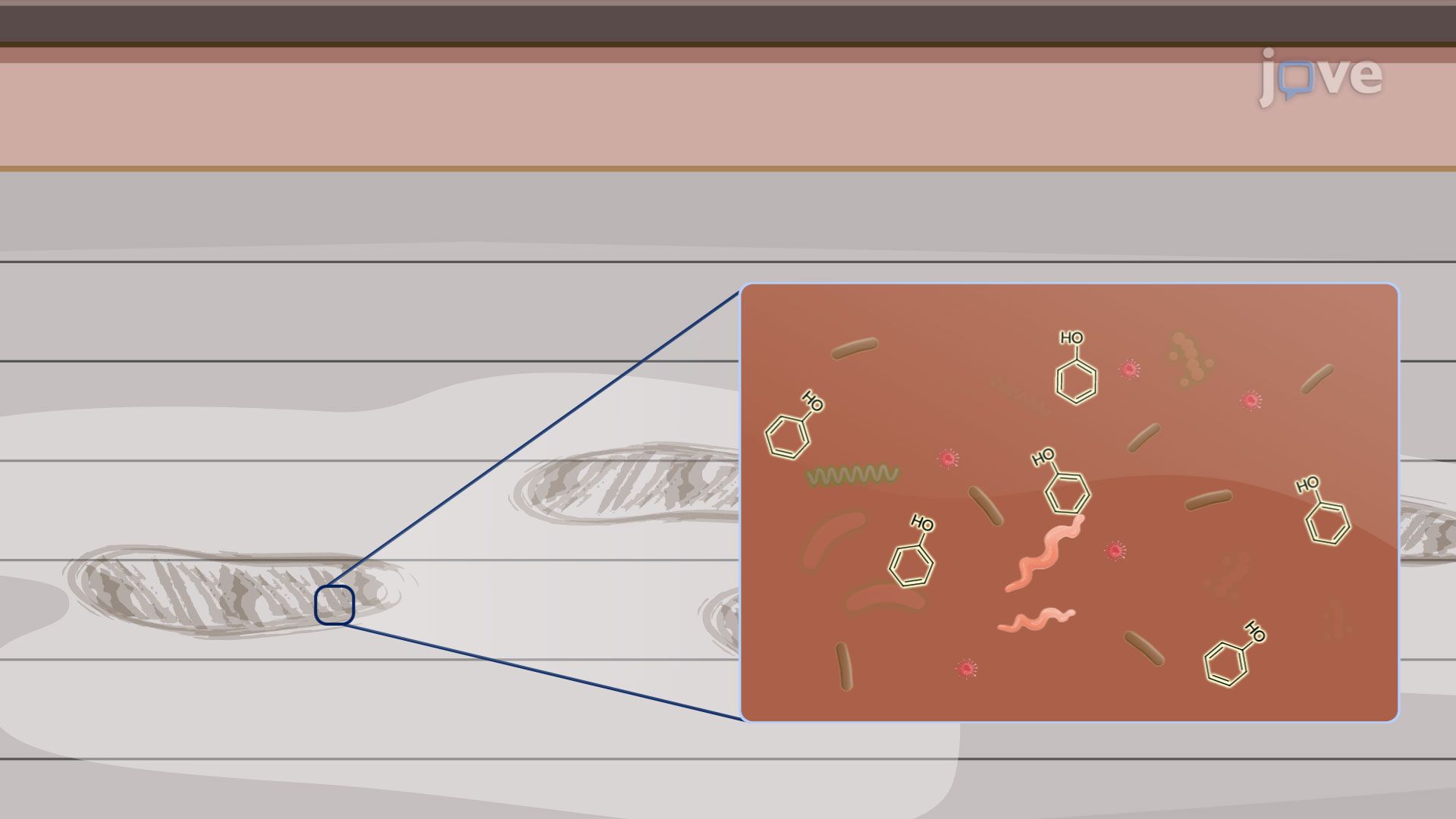
Chemicals play important roles in controlling microbial growth by targeting microbial structures and functions as sanitizers, antiseptics, disinfectants, and sterilants.Alcohols are commonly used sanitizers, effectively disrupting lipid membranes, which compromises cell integrity. They are also used as antiseptics and disinfectants due to their rapid action and versatility.Phenols and their derivatives phenolics , known for denaturing proteins and disrupting cell membranes, are particularly...

01:30
Cleaning, Sterilization, and Disinfection
Cleaning, disinfection, and sterilization are the methods that help to break the infection chain and prevent disease.CleaningThe cleaning process usually involves using water with detergents or enzymatic cleaner and removing foreign material from objects and surfaces, including organic material such as body fluids or inorganic material like soil. Cleaning is performed before high-level disinfection and sterilization because foreign materials on the cover of the devices interfere with process...

01:29
Methods of Sterilization I: Physical Methods
As used in a healthcare facility, sterilization destroys all microorganisms through physical or chemical methods. The physical method includes steam, dry heat, boiling water, and radiation.Steam sterilization uses non-toxic, low-cost moist heat in the form of saturated steam under pressure, which is fast, microbicidal, and sporicidal, and quickly warms and penetrates fabrics. Autoclaves, or steam sterilizers, expose each item to direct steam contact for a predetermined time at the necessary...
01:26
Physical Methods for Controlling Microbial Growth: Radiation and Filtration
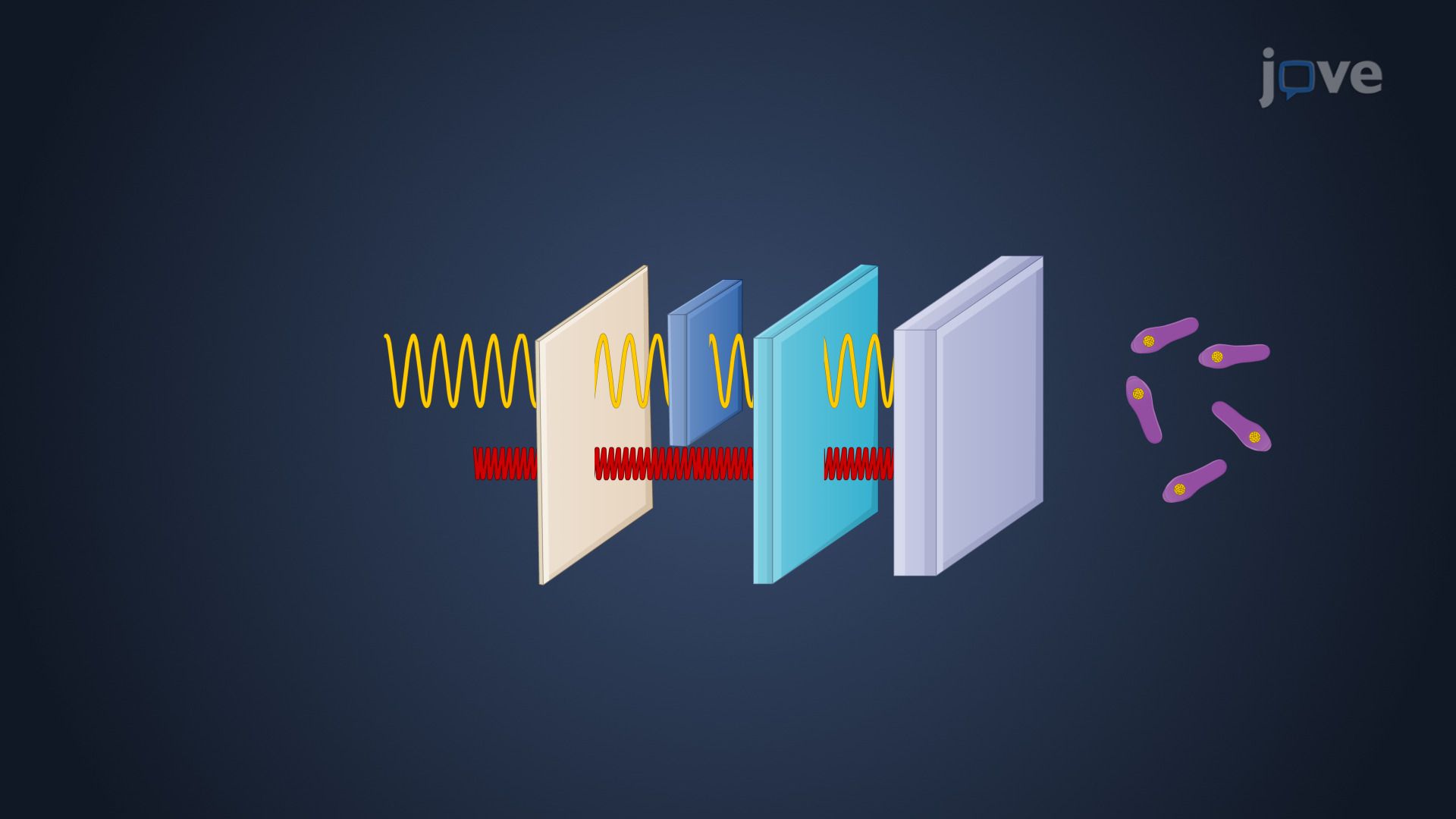
Radiation and filtration are essential tools for microbial control, targeting microorganisms through distinct mechanisms. Radiation eliminates microbes by damaging their DNA, either killing them or inhibiting their growth. Based on wavelength, radiation is classified into two types: nonionizing and ionizing radiation.Non-ionizing radiation, such as UV radiation (200–400 nm), is absorbed by DNA, causing defects that effectively disinfect surfaces, air, and water, including safety cabinets.
01:28
Microbial Bioremediation of Pesticides
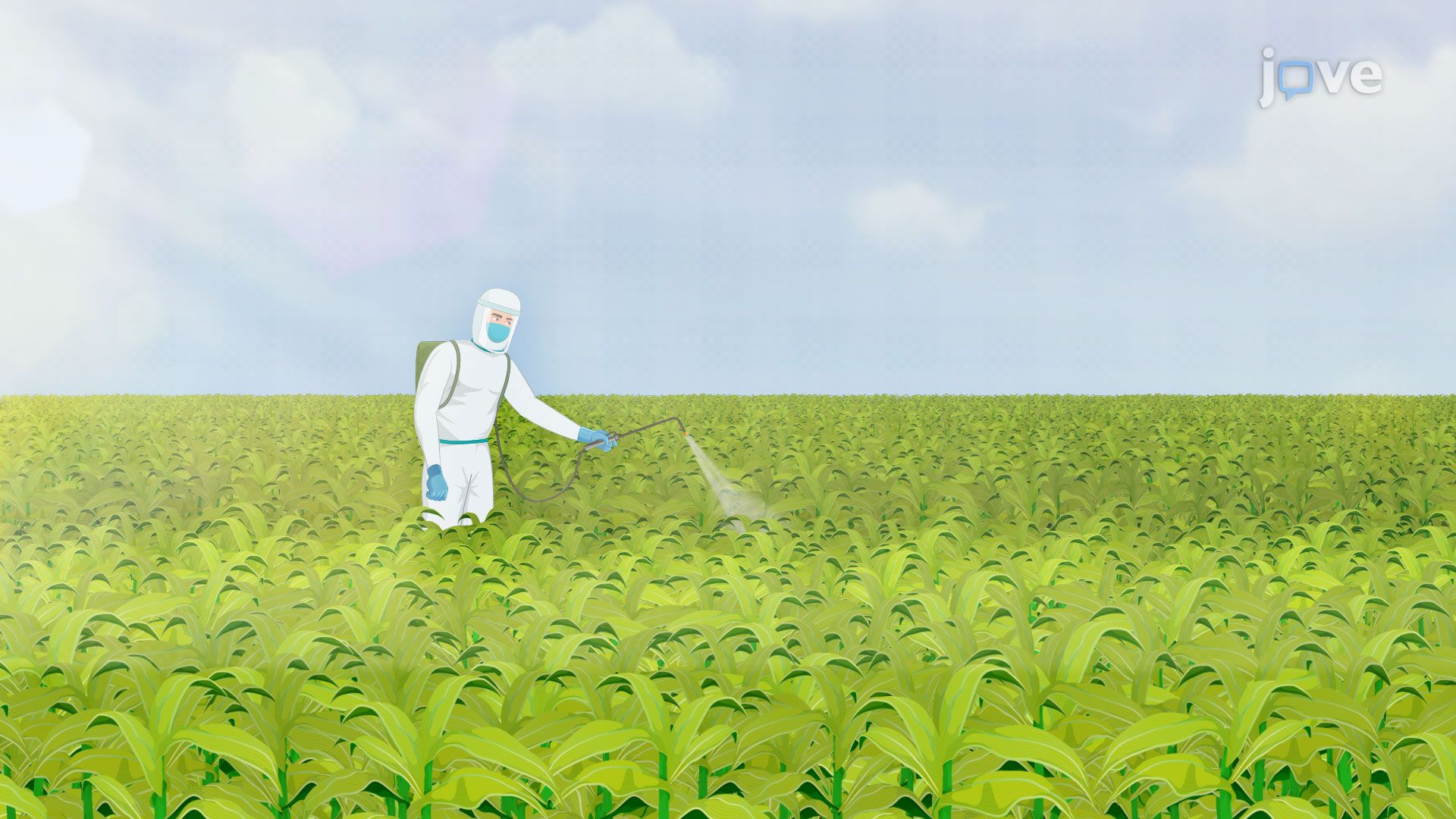
Pesticides often feature structurally complex chemical architectures, incorporating halogen groups and multiple aromatic rings. These characteristics confer high chemical stability, rendering many pesticides resistant to natural degradation processes. This resistance poses significant environmental concerns, as persistent pesticide residues can accumulate in ecosystems and affect non-target organisms.Despite the inherent stability of many pesticides, certain microorganisms possess the metabolic...