A Research Method For Detecting Transient Myocardial Ischemia In Patients With Suspected Acute Coronary Syndrome Using Continuous ST-segment Analysis

December 28th, 2012
Continuous 12-lead electrocardiographic (ECG) monitoring can identify transient myocardial ischemia, even when asymptomatic, among patients with suspected acute coronary syndrome (ACS). In this article we describe our method for initiating patient monitoring using a Holter device, downloading the ECG data for off-line analysis, and how to utilize the ECG software to identify transient ischemia.
Related Concept Videos

01:29
Electrocardiogram
An electrocardiogram (ECG or EKG) is a critical diagnostic tool that records the electrical signals produced by the heart during each heartbeat. This recording is achieved through electrodes placed strategically on the arms, legs, and chest. The electrocardiograph amplifies these signals and produces 12 distinct tracings, offering a comprehensive understanding of the heart's electrical activity.Three major waveforms are present in a typical ECG recording: the P wave, the QRS complex, and the T...

01:30
Pulse rhythm
Pulse rhythm refers to the pattern of pulsations within specific intervals, offering valuable insights into the regularity or irregularity of the heart's beats as observed through the pattern of pulsation within specific intervals. A regular pulse exhibits a consistent heart rate with uniform waveforms and pulsation force, variations of which can be classified as normal, weak, or bounding.Conversely, an irregular pulse pattern is termed dysrhythmia, stemming from disruptions in cardiac muscle...
01:30
Acute Coronary Syndrome III: Diagnostic Studies
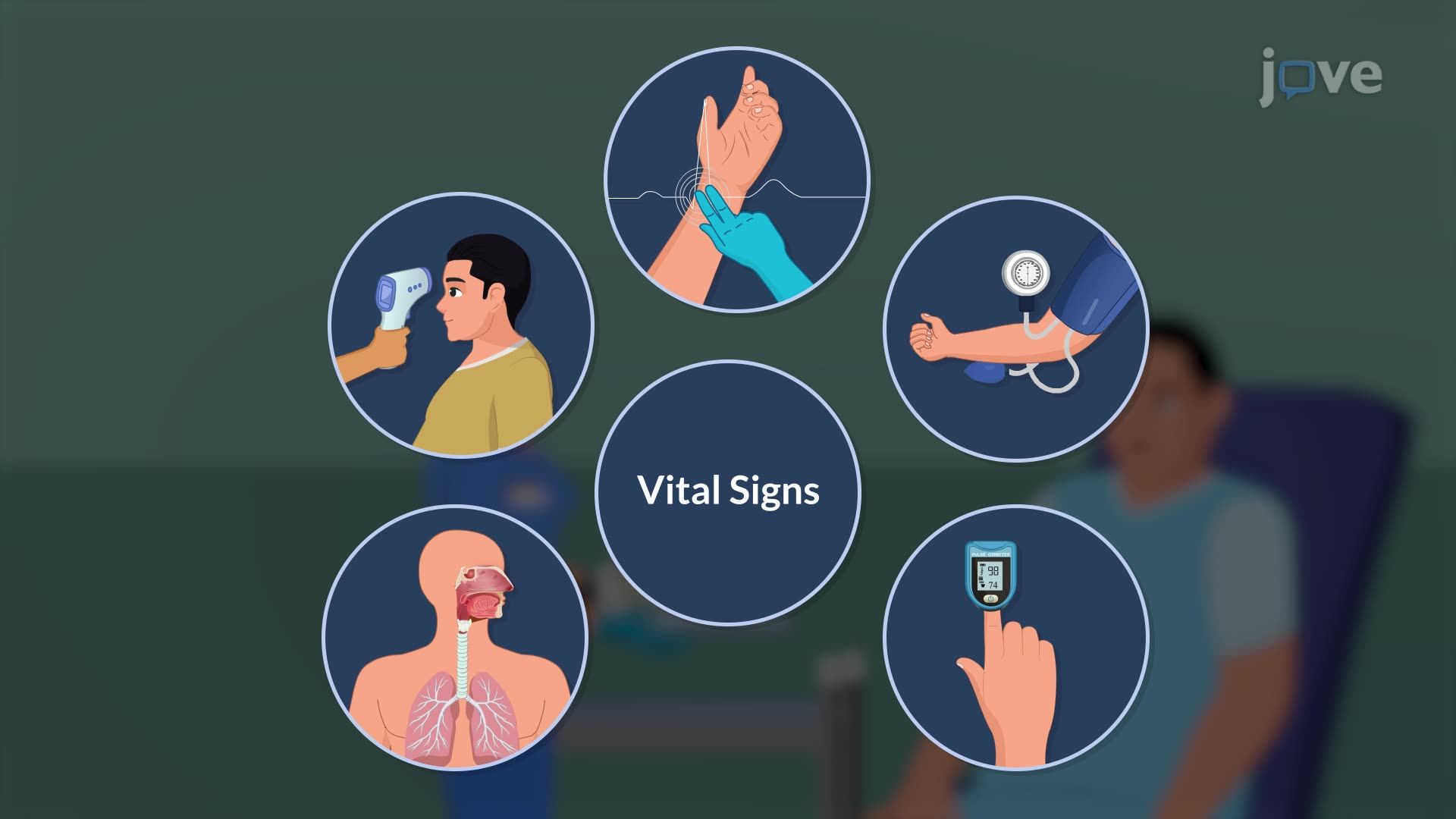
Diagnosing acute coronary syndrome or ACS begins with a thorough patient history. Notable symptoms include central, crushing chest pain radiating to the left arm, neck, jaw, or back, along with shortness of breath, sweating (diaphoresis), nausea, vomiting, dizziness, and palpitations.It is crucial to note any history of cardiac illnesses and assess risk factors, including age, gender, smoking, hypertension, diabetes, hyperlipidemia, and a sedentary lifestyle.During physical examination, vital...
01:30
Acute Coronary Syndrome I: Introduction
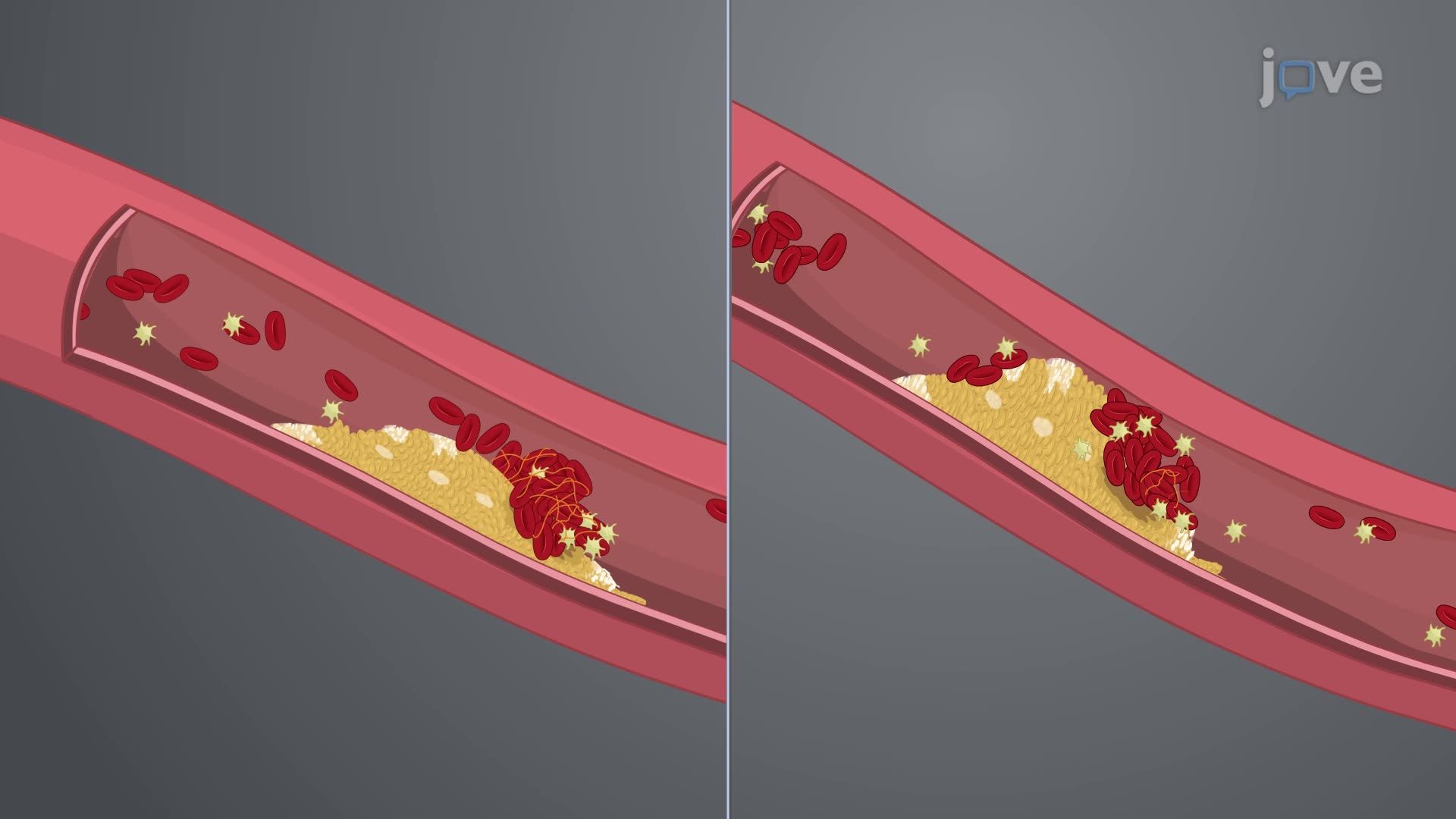
Acute Coronary Syndrome (ACS) encompasses a spectrum of heart conditions caused by sudden obstruction of coronary arteries, typically resulting from the rupture of an atherosclerotic plaque and subsequent thrombus (blood clot) formation. This obstruction can lead to partial or complete blockage of blood flow, causing varying degrees of myocardial ischemia or infarction.ACS includes the following clinical entities:Unstable Angina (UA)Non-ST-Elevation Myocardial Infarction (NSTEMI)ST-Elevation...

01:23
Holter Monitor: 24-Hour Monitoring
Holter monitoring is a continuous electrocardiography (ECG) recording that tracks the heart's electrical activity over an extended period, generally 24 to 48 hours. This noninvasive diagnostic tool detects irregular heart rhythms that may not be captured during a standard ECG performed in a clinical setting.DeviceThe Holter monitor is a portable, small device connected to several electrodes on the patient's chest. These electrodes detect the heart's electrical signals and transmit them to the...

01:19
Acute Coronary Syndrome II: Pathophysiology and Clinical Manifestations
The pathophysiology of Acute Coronary Syndrome [ACD] involves several key processes:The main underlying cause of ACD is atherosclerosis, a chronic inflammatory disease characterized by the buildup of lipid-laden plaques within the coronary arteries.As the atherosclerotic plaque grows in the coronary artery, it may become unstable due to the formation of a lipid-rich core and a thin fibrous cap. Inflammatory cells within the plaque, such as macrophages, secrete enzymes that degrade the...