Phenotypic Analysis of Rodent Malaria Parasite Asexual and Sexual Blood Stages and Mosquito Stages

May 30th, 2019
Due to the striking similarities of the life cycle and biology of rodent malaria parasites to human malaria parasites, rodent malaria models have become indispensable for malaria research. Herein, we standardized some of the most important techniques used in the phenotypic analysis of wild-type and transgenic rodent malaria species.
Related Concept Videos
01:29
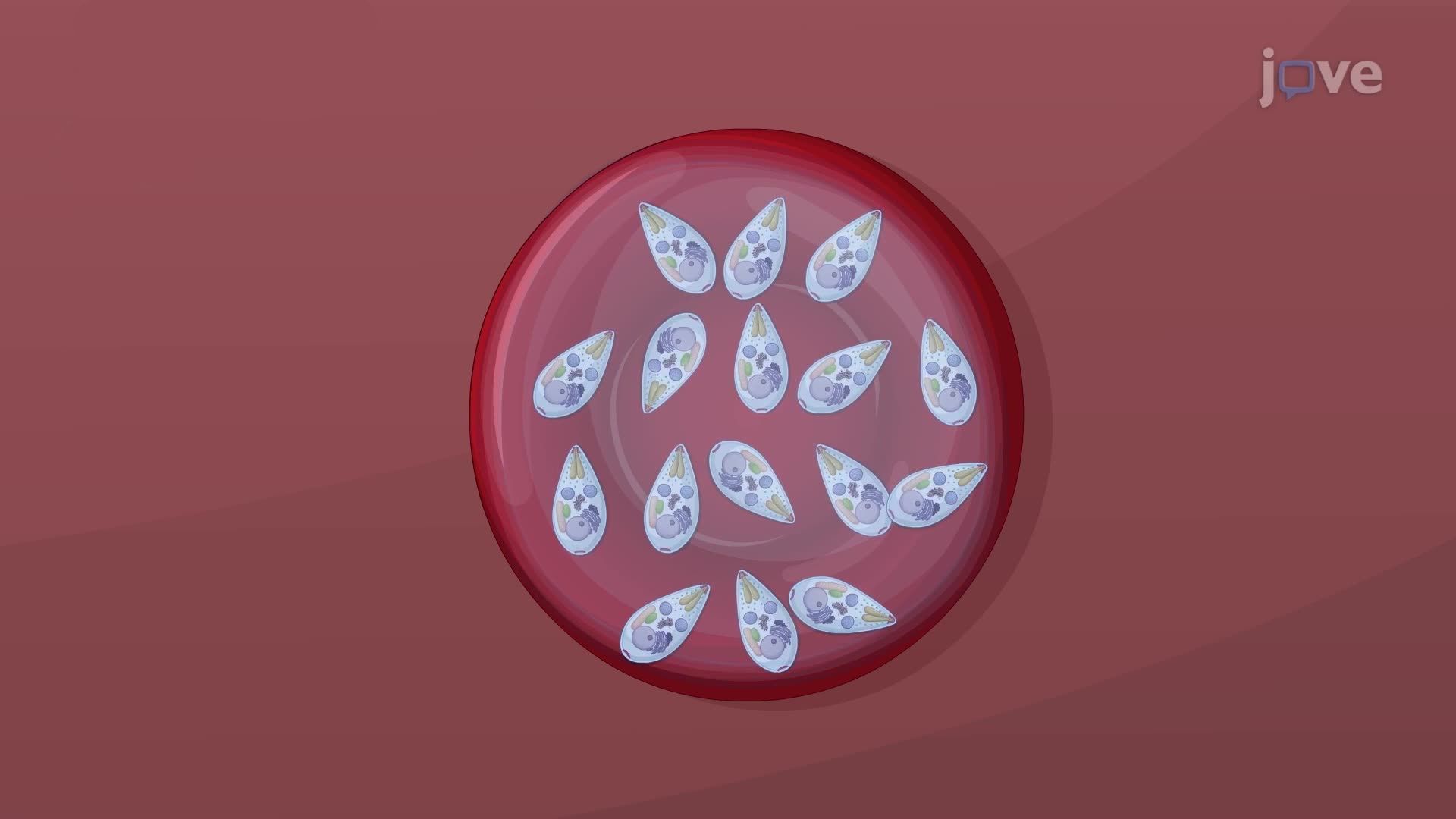
Malaria
Malaria pathogenesis in humans reflects a delicate interplay between parasite biology and host response. Clinical illness reflects a host’s immune response to the parasite’s asexual replication cycle, which is often asymptomatic in individuals with partial immunity. From the parasite's perspective, transmission between mosquito and human with minimal host pathology is evolutionarily advantageous. Among the six Plasmodium species infecting humans, P. falciparum and P. vivax dominate in global...
00:58
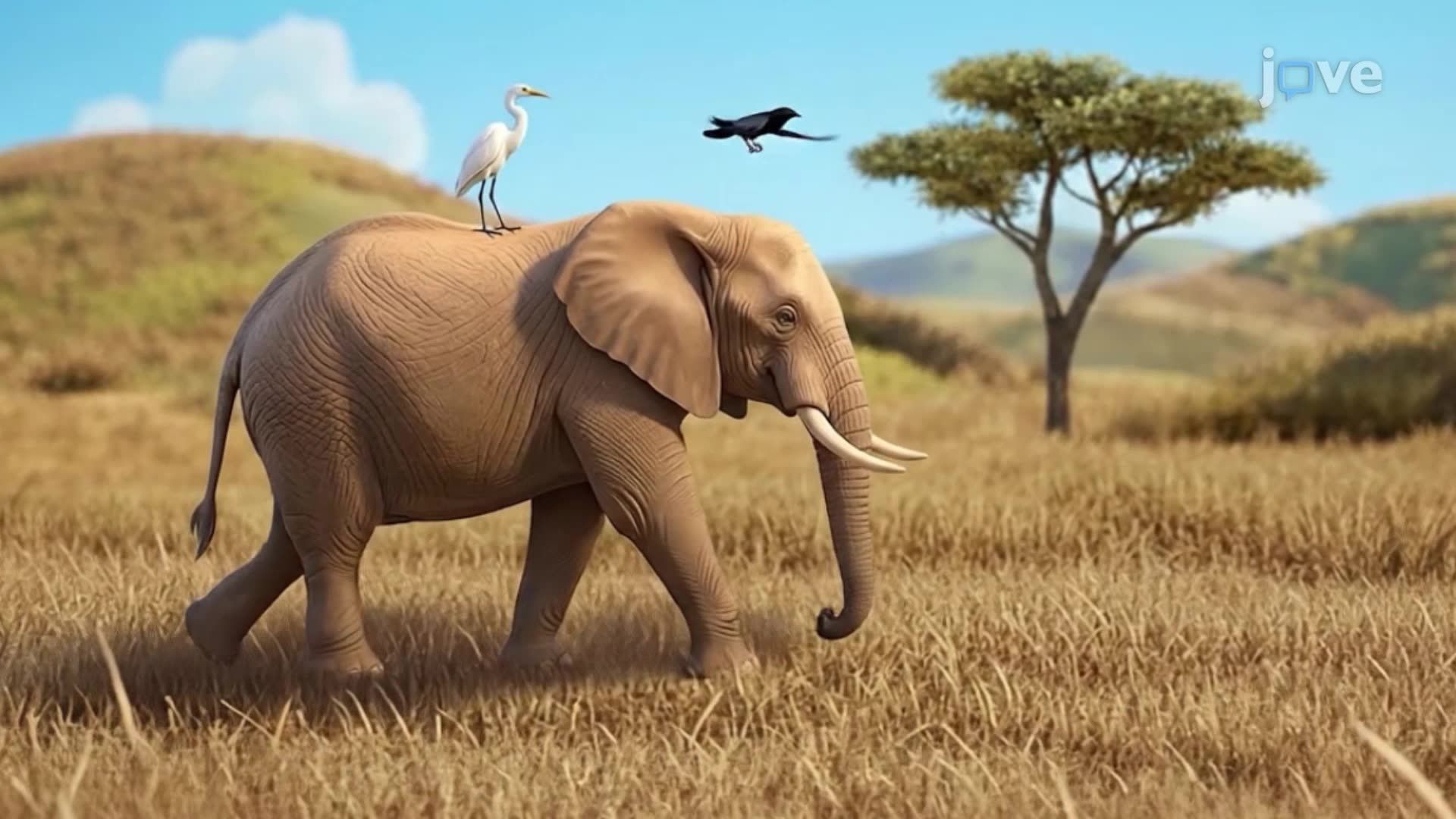
Symbiosis
Symbiotic relationships are long-term, close interactions between individuals of different species that affect the distribution and abundance of those species. When a relationship is beneficial to both species, this is called mutualism. When the relationship is beneficial to one species but neither beneficial nor harmful to the other species, this is called commensalism. When one organism is harmed to benefit another, the relationship is known as parasitism. These types of relationships often...