Preparation of High-Quality Fermented Fish Product

August 23rd, 2019
The goal of the protocol is to provide an industrialized fish fermentation technique based on inoculation of Saccharomyces cerevisiae.
Related Concept Videos
01:27
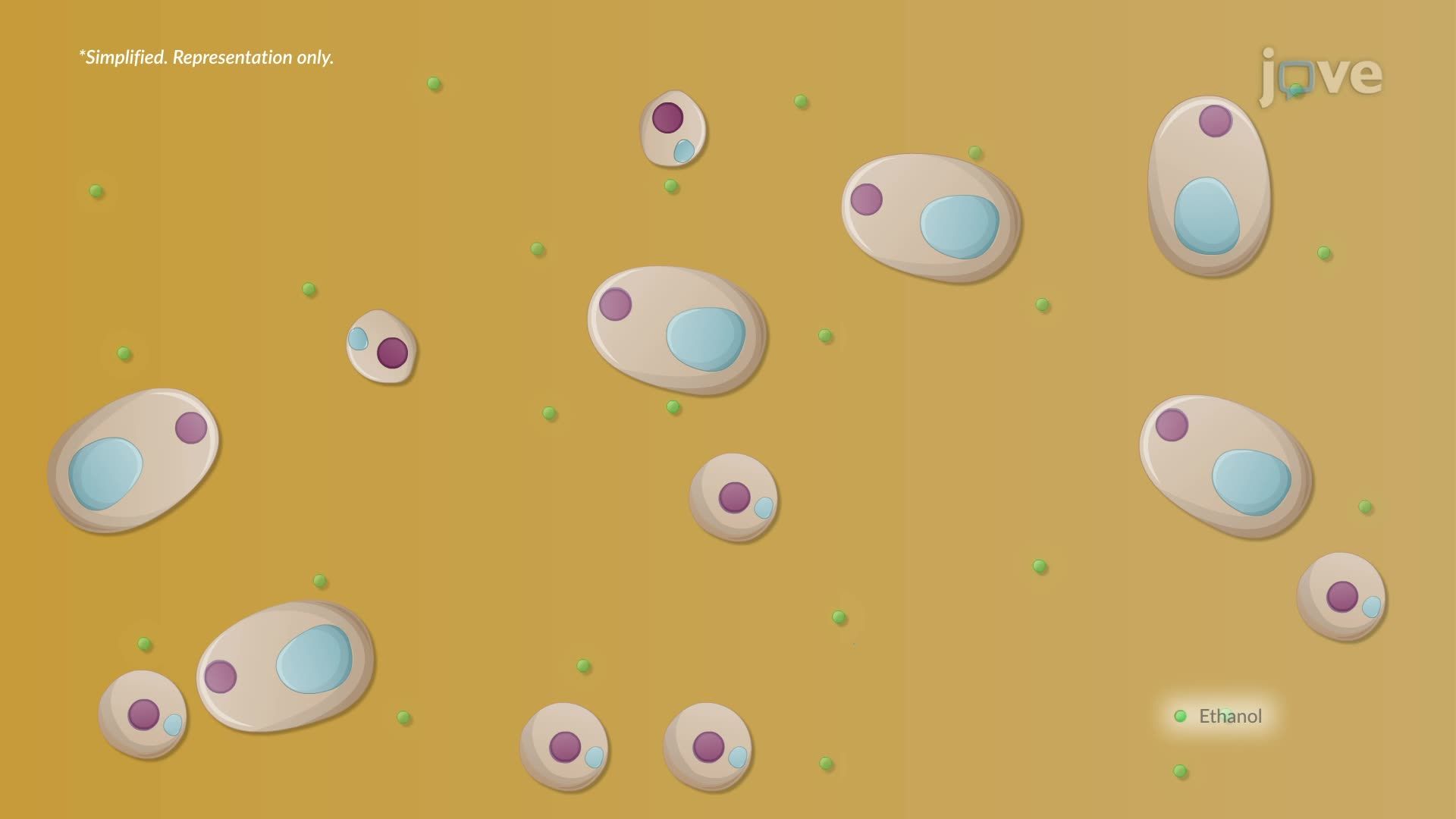
Production of Alcohol
Continuous fermentation is a key strategy in industrial ethanol production, particularly when efficiency, scalability, and high yields are essential. This approach allows for uninterrupted operation and optimized resource utilization. The primary feedstock, corn starch, undergoes enzymatic hydrolysis facilitated by α-amylase and glucoamylase. These enzymes break down the starch into fermentable sugars such as glucose, which are readily assimilated by fermentative microorganisms.Fermentation...
01:22
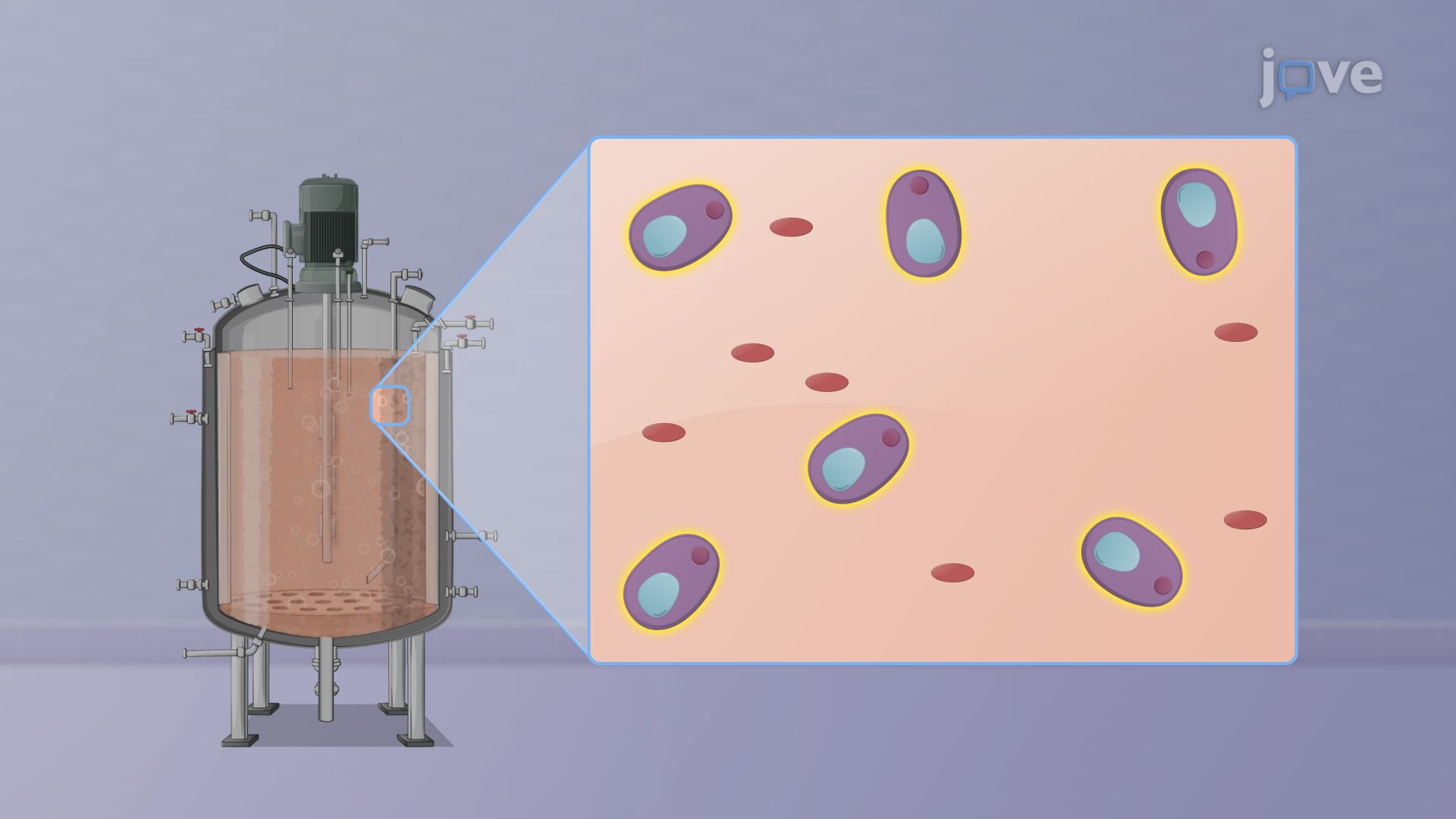
Bioreactor Controls-III
Strain improvement is a foundational strategy in industrial microbiology aimed at maximizing microbial productivity, particularly because natural isolates typically yield commercially valuable products in very low concentrations. Although optimizing the culture medium and environmental conditions can improve yields, these adjustments are inherently limited by the organism’s genetic potential. As a result, the focus shifts toward genetic modifications to enhance biosynthetic capacity. The...
01:14
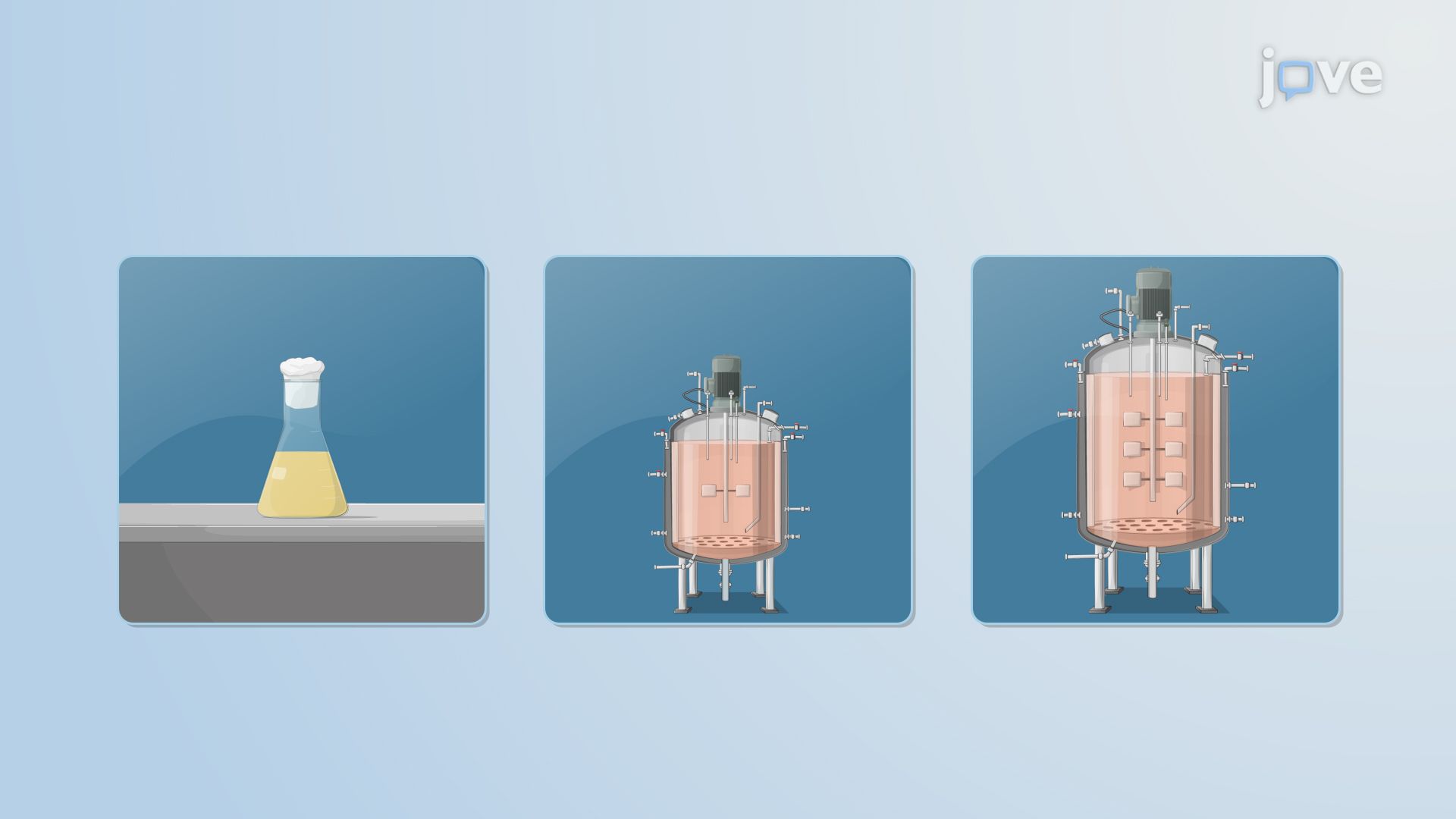
Scale-Up Processes
The scale-up of microbial fermentation processes is essential in industrial biotechnology, allowing the transition from laboratory-scale experiments to commercial-scale production while aiming to maintain product yield and quality. This process requires meticulous adjustment of equipment design, process parameters, and contamination control strategies to accommodate increasing culture volumes.At the laboratory scale, cultures are typically maintained in 1 to 10-liter glass or autoclavable...
01:27
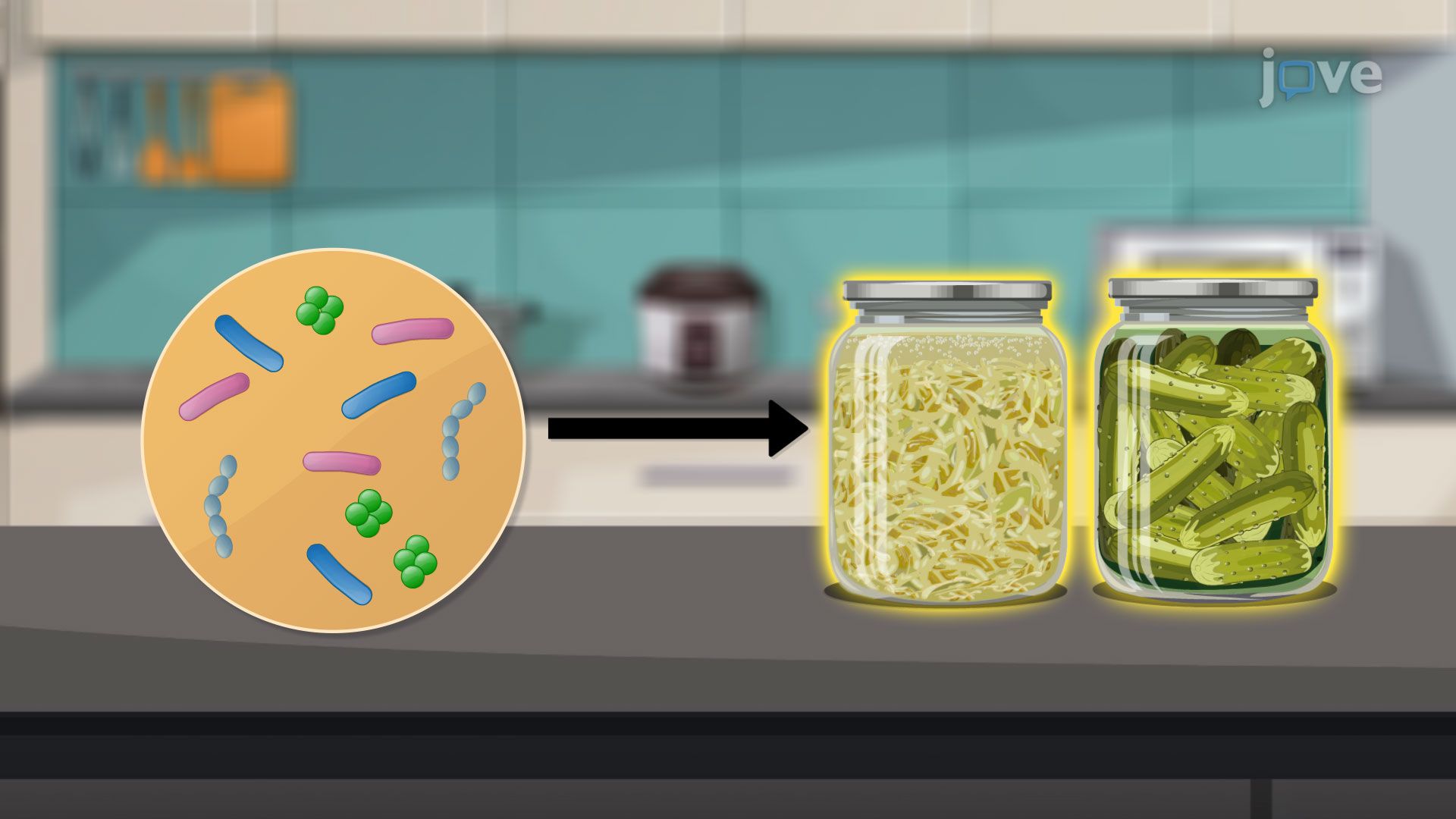
Microbes in the Production of Fermented Foods
Lactic acid bacteria (LAB) and molds are instrumental in fermenting plant-based foods to enhance preservation and ensure year-round availability. These microbial processes convert plant carbohydrates into organic acids and other metabolites that inhibit spoilage organisms and contribute to the sensory qualities of the final product.In sauerkraut production, cabbage goes through a microbial succession that starts with cocci such as Leuconostoc mesenteroides. These microbes begin fermentation by...

01:29
Microbes in Food Production
Microbial fermentation is central to food biotechnology, enhancing flavor, texture, preservation, and stability. Fermentative microorganisms metabolize carbohydrates into organic acids, alcohols, and other metabolites that inhibit spoilage organisms and improve digestibility while contributing distinctive sensory qualities.In baking, amylases naturally present in flour hydrolyze starch into monosaccharides such as glucose, which Saccharomyces cerevisiae ferments anaerobically. Through...

01:25
Microbes in Beverage Production
Alcoholic beverages such as wine, beer, and spirits are the products of microbial fermentation processes that transform simple sugars into ethanol and a wide array of complex flavor compounds. These transformations rely on the metabolic activities of specific yeasts and bacteria, which are selected and controlled to yield the desired beverage characteristics.Wine Fermentation and MaturationWine production begins with the crushing of grapes to release juice and pulp, forming a must that is...