Study of Short Peptide Adsorption on Solution Dispersed Inorganic Nanoparticles Using Depletion Method

April 11th, 2020
The first step in comprehending biomolecule-inorganic solid phase interaction is revealing fundamental physicochemical constants that may be evaluated by establishing adsorption isotherms. Adsorption from the liquid phase is restricted by kinetics, surface capacity, pH, and competitive adsorption, which all should be cautiously considered before setting an adsorption experiment.
Related Concept Videos
01:29
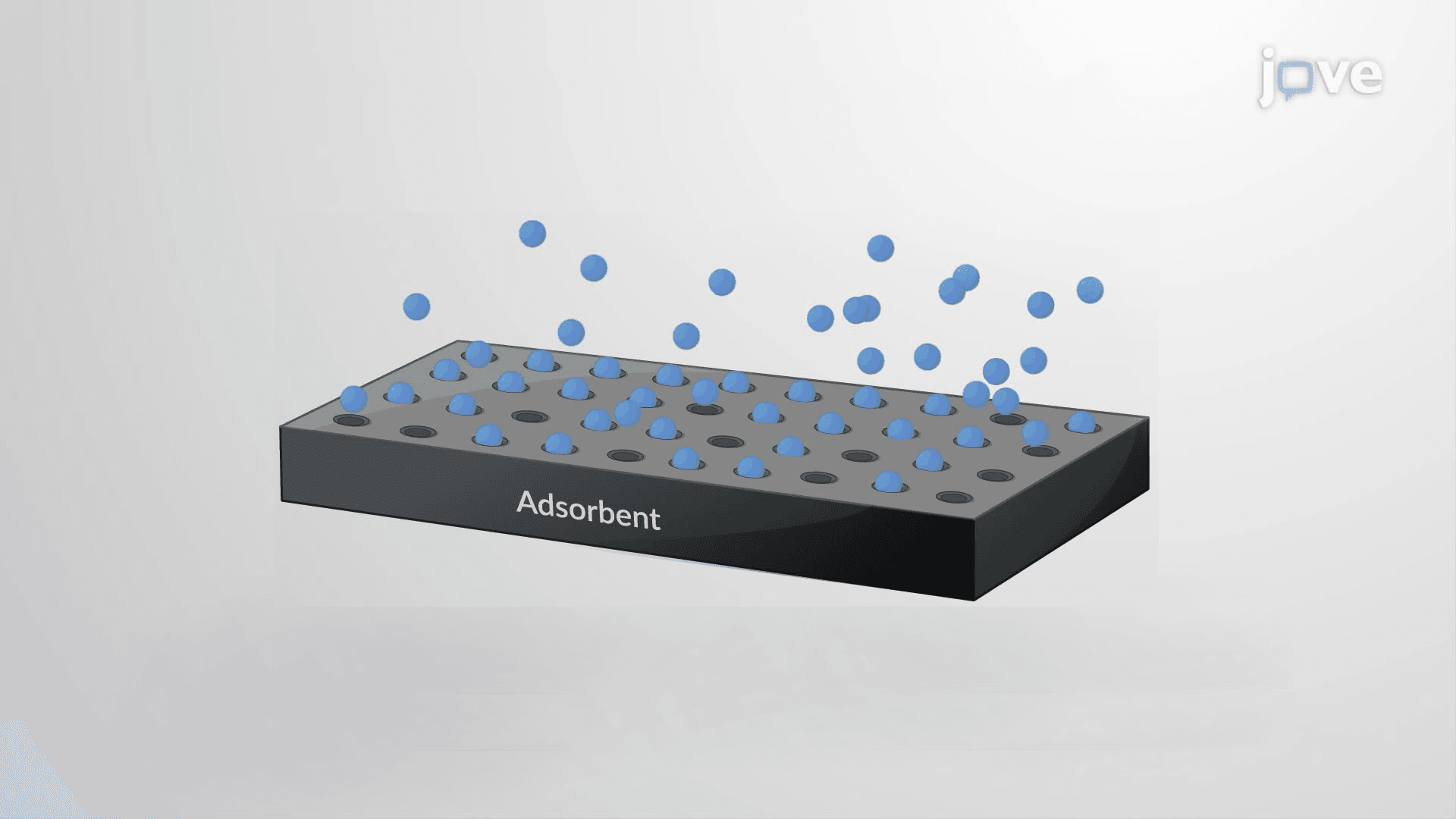
Adsorption Isotherms I
Adsorption isotherms are mathematical models that describe how molecules in a gas or liquid phase interact with surfaces. Two of the most common isotherm models are the Langmuir and Freundlich isotherms, which relate to Type I monolayer chemisorption. The Langmuir model is based on four key assumptions:• Adsorption cannot exceed monolayer coverage.• All surface sites are equivalent.• Molecules adsorb only at vacant sites.• There are no interactions between adsorbed molecules.Consider the...
01:28
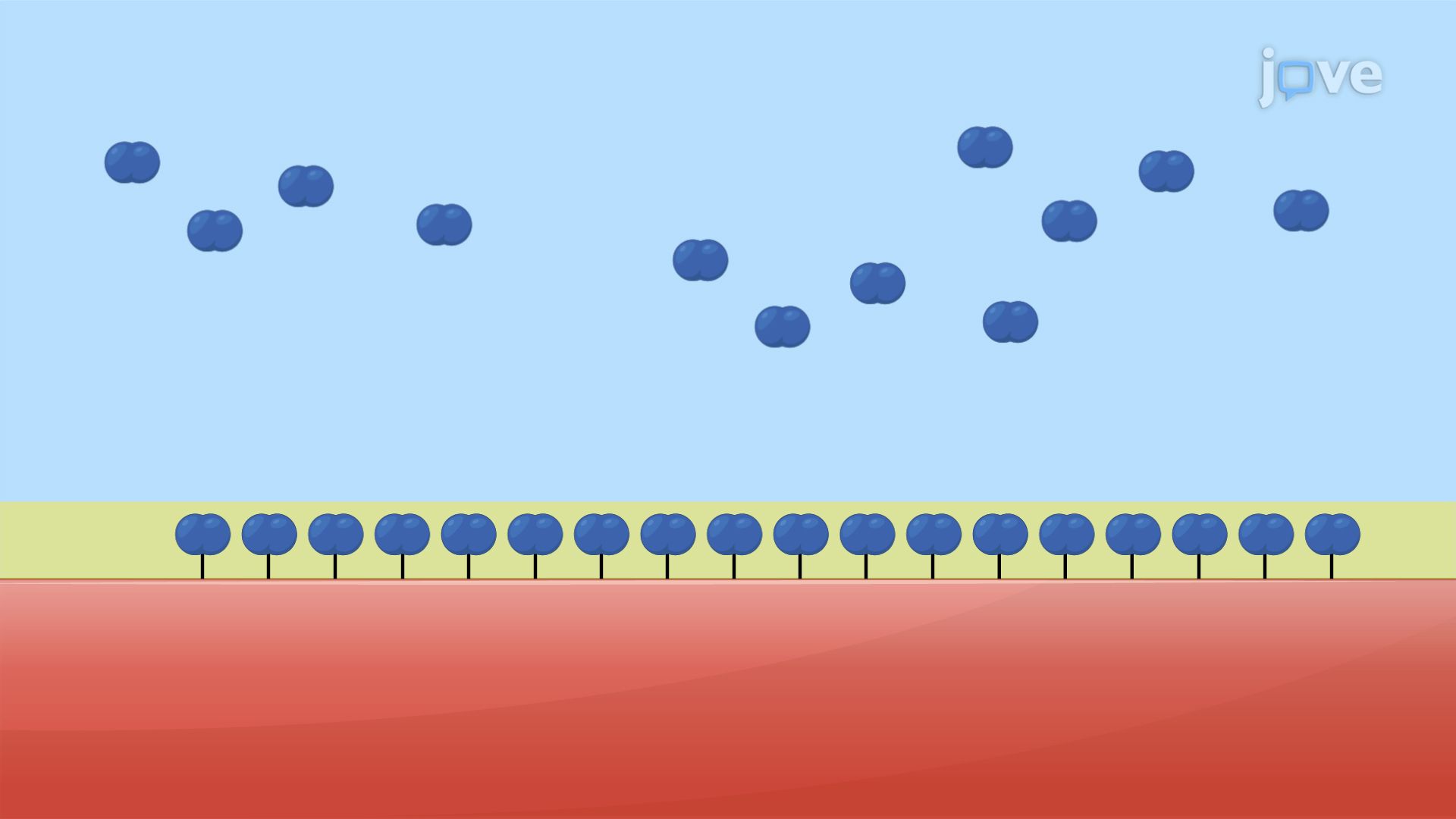
Adsorption of Gases on Solids
Adsorption is a process where molecules, known as the adsorbates, accumulate on a surface, which is referred to as the adsorbent or substrate. Occurring at the solid-gas interface, this phenomenon is crucial in various scientific and industrial contexts. The reverse of adsorption is desorption.Two types of adsorptions exist: physical (physisorption) and chemical (chemisorption). Physisorption involves gas molecules held to the solid's surface by relatively weak intermolecular van der Waals...
01:25
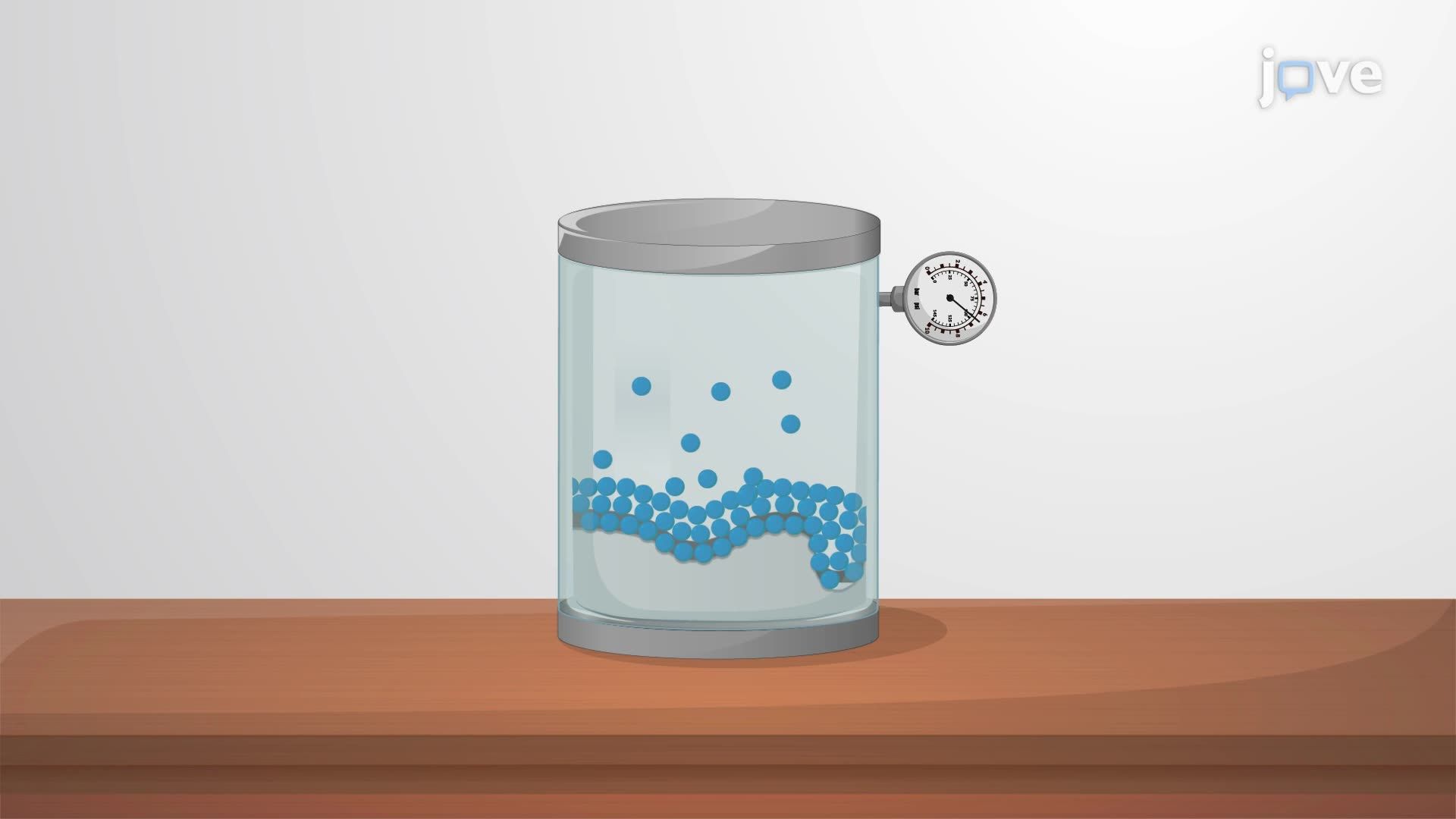
Adsorption Isotherms II
Brunauer, Emmett, and Teller (BET) introduced a theory in 1938 that modified Langmuir's assumptions to explain multilayer physical adsorption. This theory is applicable to Type II isotherms and provides a more realistic picture of adsorption processes. The BET theory assumes a uniform solid surface with localized adsorption sites, where adsorption at one site doesn't affect adsorption at neighboring sites. This theory also allows for the possibility of additional molecules being adsorbed on top...

01:09
Analyte Adsorption and Distribution
In certain chromatographic separations, solutes transfer between the mobile phase and the stationary phase via sorption, which typically refers to the process of adsorption. For many chromatographic systems, the sorption process often depends on the polarity of the compounds—an expression of the overall dipole moment within the molecule. During the separation process, there is competition between the solute and solvent for adsorption to the stationary phase. Highly polar compounds and solvents...
01:22
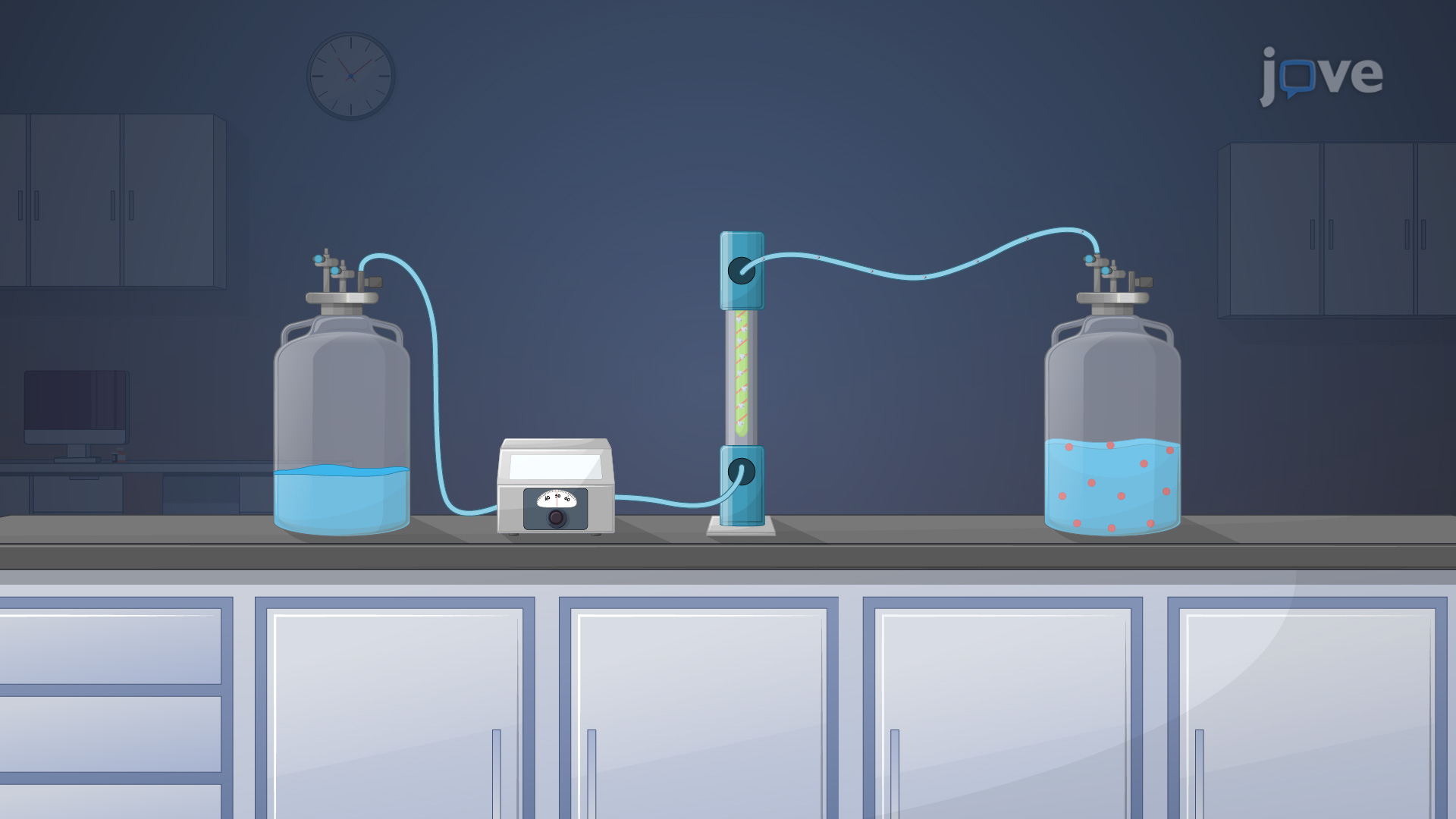
Protein-Drug Binding: Determination Methods
Determining protein-drug binding can be achieved through indirect and direct methods, each providing valuable insights into the interaction between proteins and drugs.Indirect methods involve isolating the bound drug from its free form in biological samples such as blood, serum, or plasma. These techniques aim to measure the percentage of drugs bound to proteins. Equilibrium dialysis is a commonly used method where the free drug concentration at equilibrium is measured by separating the bound...