This bibliometric and scientometric analysis maps 2,473 Web of Science records on gut microbiota and metabolic syndrome (2015–2025), quantifying publication growth, collaboration, co-citation structure, and evolving keywords using a documented analytical workflow.
مقالة بحثية
A Bibliometric and Visualized Analysis of Global Trends in Gut Microbiota and Metabolic Syndrome Research
في هذه المقالة
ملخص
الملخص
The relationship between the gut microbiota and metabolic syndrome (MetS) has attracted increasing attention, but the knowledge structure, research hotspots, and evolution of this field remain insufficiently characterized. English-language articles and reviews published in the Web of Science Core Collection from 2015 to 2025 were retrieved, based on the final search and data export conducted on April 18, 2026. Using the predefined search strategy and database filters, 2,473 records were retrieved and analyzed using CiteSpace 6.4.R1, VOSviewer 1.6.20, and SCImago Graphica 1.0.35 to evaluate publication trends, collaboration networks, knowledge structures, research hotspots, and emerging frontiers. Annual publication output increased from 72 articles in 2015 to 333 in 2025 and peaked at 334 in 2021. The country/region collaboration network comprised 97 nodes and 134 links, with a density of 0.0288. China and the United States were the leading contributors, while the United States occupied a prominent bridging position. Instituto de Salud Carlos III, Zhejiang University, Harvard Medical School, and the Chinese Academy of Sciences were major institutional contributors. Nieuwdorp M was the most productive author, whereas Cani PD was the most frequently co-cited author. Nutrients was the most productive journal, publishing 170 articles. Keyword analysis identified MetS, gut microbiota, obesity, inflammation, and insulin resistance as the principal research themes. “Diet induced obesity” showed the strongest early keyword burst (strength = 9.02; 2015–2019), whereas probiotics, dysbiosis, and clinical trials emerged as recent research frontiers. While metabolic and inflammatory mechanisms remained prominent, microbiota-targeted interventions and clinical translation gained increasing research attention in recent years.
المقدمة
The human gastrointestinal tract harbors a diverse and dynamic microbial ecosystem that has emerged as an essential component of host physiology. Advances in sequencing technologies and systems biology approaches have substantially expanded understanding of the functional contributions of these microbial communities to human health. Beyond their involvement in nutrient processing, intestinal microorganisms participate in a wide range of biological processes, including metabolic regulation, immune modulation, and maintenance of host physiological balance. Increasing evidence indicates that alterations in microbial community structure and function are associated with multiple chronic diseases, particularly obesity, diabetes, cardiovascular disorders, and other metabolic conditions, highlighting the importance of the gut microbiota in disease susceptibility and progression1.
MetS represents a multifactorial metabolic disorder characterized by the coexistence of abdominal obesity, impaired glucose regulation, insulin resistance, dyslipidemia, and elevated blood pressure. Driven by the worldwide rise in obesity and sedentary lifestyles, the prevalence of MetS has increased substantially over recent decades, imposing a considerable burden on healthcare systems. Individuals with MetS are at markedly greater risk of developing type 2 diabetes mellitus, cardiovascular diseases, and metabolic dysfunction-associated steatotic liver disease (MASLD), resulting in increased morbidity and reduced quality of life. Growing research interest has focused on the contribution of gut microbiota to metabolic disorders. Emerging studies suggest that alterations in microbial composition and function are closely associated with metabolic disturbances. Through the production of microbial metabolites, modulation of bile acid signaling, regulation of intestinal permeability, and interactions with host immune and energy metabolic pathways, gut microorganisms exert broad effects on metabolic regulation2,3. Furthermore, therapeutic approaches aimed at modifying the intestinal microbiome, including probiotic and prebiotic supplementation, dietary modification, and fecal microbiota transplantation (FMT), have shown encouraging results in improving metabolic health4,5. Consequently, elucidating the relationship between gut microbiota and MetS has become an important area of investigation in metabolic disease research.
Despite the remarkable expansion in publications within this field, a deeper understanding of its knowledge structure, research hotspots, and evolutionary trends remains lacking. Bibliometric analysis, based on scientific literature data, can systematically reveal the developmental characteristics and frontier directions of a research field from multiple dimensions, including publication patterns, cooperative relationships, keyword co-occurrence, and co-citation relationships. Several previous bibliometric studies have addressed overlapping aspects of this field. Zhang et al. analyzed 4,210 Web of Science publications on gut microbiota and metabolic syndrome from 2005 to 2024 using VOSviewer, CiteSpace, and bibliometrix, with emphasis on publication trends, countries and institutions, research themes, and emerging hotspots6. Related bibliometric studies have also focused on narrower topics, including gut microbiota and insulin resistance, as well as probiotics and metabolic syndrome7,8. Compared with these studies, the present study uses a fixed 2015–2025 Web of Science Core Collection (WoSCC) dataset that extends the observation period through 2025 and integrates publication trends, country, institutional, and author collaboration networks, journal co-occurrence, author and reference co-citation, keyword evolution and burst detection, SCImago Graphica visualization, and an exploratory ClinicalTrials.gov analysis. This integrated approach provides an updated and multidimensional characterization of the gut microbiota–metabolic syndrome research landscape. Therefore, this study conducted a systematic bibliometric analysis of studies related to gut microbiota and metabolic syndrome published between 2015 and 2025 in the WoSCC, using SCImago Graphica, VOSviewer, and CiteSpace. The aim was to elucidate the global research landscape, hotspot topics, and future development trends in the field, thereby informing subsequent basic research and clinical translation.
In this study, the annual publication trends and collaborative networks among countries and institutions in the field of gut microbiota and metabolic syndrome from 2015 to 2025 were first analyzed to clarify the global research landscape and major research contributors. Subsequently, analyses of author collaboration, journal co-occurrence, co-cited references, and keyword co-occurrence were conducted to systematically reveal the knowledge base, research hotspots, and thematic evolution characteristics of this field. Finally, keyword burst analysis was complemented by an exploratory review of selected ClinicalTrials.gov records to provide additional context regarding the clinical translation of microbiota-targeted interventions.
البروتوكول
Materials and methods
Data sources and search strategy
Literature retrieval was conducted using the WoSCC. The final search and data export used for the bibliometric analysis were performed on April 18, 2026. This study was designed primarily as a bibliometric and scientometric analysis rather than as a systematic review or meta-analysis. The publication period was restricted to 2015–2025. The year 2015 was selected as the starting point to provide a defined 11-year observation window focusing on the contemporary development of research on gut microbiota and metabolic syndrome. This period encompassed the substantial expansion of microbiome research associated with the increasing application of high-throughput sequencing, metagenomic, and multi-omics approaches, while allowing recent publication patterns, collaboration networks, and thematic evolution to be evaluated within a consistent time frame. The purpose of this temporal restriction was therefore to characterize the modern development of the field rather than to reconstruct its complete historical evolution. All materials and software used in the current study are listed in the Table of Materials.
The search strategy combined gut microbiota-related terms with metabolic syndrome-related terms using Boolean operators. Gut microbiota-related terms were searched using the Topic Search (TS) field, whereas metabolic syndrome-related terms were searched in the Title (TI), Abstract (AB), and Author Keywords (AK) fields. Synonymous terms within each concept block were combined using OR, and the two concept blocks were combined using AND. The complete search syntax is provided in Supplementary File 1.
The retrieved records were restricted to English-language publications, the Web of Science document types Article and Review Article, publication years 2015–2025, and the Web of Science indexes Science Citation Index Expanded (SCI-EXPANDED) and Social Sciences Citation Index (SSCI). Application of the complete search strategy and these predefined database filters yielded 2,473 records. The search settings, database filters, and data export process were independently verified by two investigators, and any discrepancies were resolved through discussion with a third investigator. No manual title, abstract, or full-text screening was performed for the WoSCC bibliometric dataset; all records meeting the predefined database-level criteria were retained for analysis. No additional exclusions were applied based on study design, study population, or whether the study involved a gut microbiota-targeted intervention, because the objective of the bibliometric analysis was to characterize the overall knowledge structure of research linking the gut microbiota and metabolic syndrome. These records were exported as Full Record and Cited References and constituted the fixed dataset used for all subsequent bibliometric analyses (Figure 1). Throughout this manuscript, “gut microbiota” and “metabolic syndrome” are used as the primary terms defining the scope of the bibliometric analysis. Related metabolic disorders are discussed only when they arise within the retrieved literature or provide context for interpreting the identified research themes.
ClinicalTrials.gov search and selection
ClinicalTrials.gov was re-searched on September 10, 2026, using the following Expert Search query: AREA[ConditionSearch]"metabolic syndrome" AND (AREA[BasicSearch]microbiota OR AREA[BasicSearch]microbiome OR AREA[BasicSearch]probiotic OR AREA[BasicSearch]prebiotic OR AREA[BasicSearch]"fecal microbiota transplantation") AND AREA[StudyType]INTERVENTIONAL. The search retrieved 185 interventional studies. The retrieved records were screened using predefined relevance criteria. Studies were considered for representative inclusion when metabolic syndrome was listed as a study condition, the intervention was relevant to gut microbiota modulation, and metabolic and/or gut microbiota-related outcomes were evaluated. Completed studies were prioritized when selecting representative records. Four trials representing distinct intervention categories, including dietary/prebiotic-related intervention, probiotic supplementation, fecal microbiota transplantation with prebiotic fiber, and dietary/lifestyle intervention, were selected for Table 1. This exploratory ClinicalTrials.gov analysis was intended to provide supplementary contextual information rather than constitute an exhaustive systematic review and was not included in the 2,473-record WoSCC bibliometric dataset.
Bibliometric analysis tools
Bibliometric analyses and visualizations were performed using CiteSpace 6.4.R1, VOSviewer 1.6.20, and SCImago Graphica 1.0.35. CiteSpace was used for burst detection and network analyses; VOSviewer was applied to co-citation and author, journal, and keyword co-occurrence analyses; and SCImago Graphica was used to visualize collaboration networks among countries and institutions.
Data processing
Records retrieved from the WoSCC were exported in “Full Record and Cited References” format and converted into a format compatible with CiteSpace (6.4.R1). After import, the records were checked for data consistency and prepared for subsequent bibliometric analyses. CiteSpace (6.4.R1), SCImago Graphica (1.0.35), and VOSviewer (1.6.20) were jointly employed for visualized bibliometric analyses. Specifically, CiteSpace was used for burst detection analyses of countries and institutions; VOSviewer was applied for co-citation analysis as well as author, journal, and keyword co-occurrence network analyses; and SCImago Graphica was utilized to visualize collaboration relationships among countries and institutions.
CiteSpace was configured to analyze publications from January 2015 through December 2025 using one-year intervals. The analytical framework encompassed authors, institutions, countries, keywords, cited literature, and co-cited authors. For the country collaboration network shown in Figure 3B, node selection was based on the g-index (k = 15). Within the visualized networks, node magnitude corresponded to publication or citation frequency, while inter-node connections reflected the degree of collaboration or thematic association9. Network density represents the proportion of observed connections relative to all possible connections within a network, with higher values indicating greater overall connectivity. Betweenness centrality reflects the extent to which a node acts as a bridge connecting other nodes within the network. By integrating multiple visualization platforms, the overall research landscape and thematic evolution of this domain were characterized. Thresholds for network visualization were selected to balance network coverage with visual interpretability and to focus on more consistently represented nodes. These included authors with ≥3 publications, co-cited authors with ≥30 citations, and journals with ≥5 publications.
النتائج
Analysis of annual publication trends
The predefined WoSCC search strategy and database filters yielded a total of 2,473 records, which constituted the final dataset for bibliometric analysis. From 2015 to 2025, the annual number of publications in this field showed an overall upward trend, increasing from 72 publications in 2015 to 333 publications in 2025. The publication output increased steadily between 2015 and 2018, followed by a rapid growth phase from 2019 to 2021, reaching a peak in 2021 (334 publications). Although annual publication output showed some variation in recent years, overall productivity remained robust. The sustained high level of publications indicates that research on gut microbiota and metabolic syndrome has entered a mature phase of development, highlighting its continued importance within the scientific community (Figure 2).
Analysis of country distribution and collaboration networks
Figure 3A presents the geographical visualization of international collaborations, revealing a clear globalized research pattern in this field. China and the United States were identified as the major research centers, with the highest publication outputs, the largest node sizes, and the strongest collaborative relationship between the two countries. European countries, including the United Kingdom, Spain, Italy, and Denmark, demonstrated close collaborative connections, forming relatively stable regional cooperation networks. In addition, China maintained extensive collaborations with countries such as India and Australia. Overall, an international collaboration framework centered on China and the United States, with broad participation from multiple countries, has been established in this field.
The CiteSpace country collaboration network shown in Figure 3B comprised 97 nodes and 134 links, with a density of 0.0288, reflecting an established but relatively sparse international collaboration network. China and the United States had the highest publication outputs and the largest node sizes, occupying the core positions within the collaboration network. In terms of betweenness centrality, the United States exhibited a prominent intermediary role, serving as a key bridge in international academic collaborations. Although China demonstrated a high publication volume, its centrality was relatively lower, indicating a less prominent bridging role within the international collaboration network. In addition, European countries, such as Italy, Spain, and the Netherlands, showed strong interconnections and formed regional collaboration networks. Collectively, these findings indicate that the field has developed an international collaborative landscape centered on China and the United States, with extensive participation from multiple countries.
Institutional collaboration network analysis
Figure 3C illustrates the institutional collaboration network, demonstrating extensive inter-institutional collaborations in this field. The size of each node represents the publication output of the institution, while the connecting lines indicate collaborative relationships and their strengths. Overall, the institutions were closely interconnected, forming a prominent collaborative network structure. Among them, Instituto de Salud Carlos III had the highest publication output and occupied a central position within the network, maintaining close collaborations with multiple institutions. Zhejiang University, Harvard Medical School, and the Chinese Academy of Sciences also showed high publication outputs and represented major research contributors in this field. In terms of collaboration patterns, the core institutions formed relatively stable cooperation networks, indicating that a mature institutional collaboration model has gradually been established in this research area.
Keyword analysis
Analysis of keyword hotspots and evolution trends
The keyword co-occurrence analysis (Figure 4A) demonstrated that “metabolic syndrome” and “gut microbiota” constituted the central nodes of the research network. Other high-frequency keywords included “obesity,” “inflammation,” and “insulin resistance,” indicating that the major research focuses were metabolic disorders, inflammatory responses, and gut microecological regulation. The keyword density map (Figure 4B) further revealed that the regions centered around “metabolic syndrome” and “gut microbiota” exhibited the highest density, surrounded by highly frequent terms such as “obesity” and “inflammation,” thereby forming distinct research hotspot clusters. In addition, several related research directions, including “gut microbiota,” “probiotics,” and “nonalcoholic steatohepatitis,” extended from these core themes, reflecting a multi-layered research structure.
The keyword network encompassed both mechanistic and intervention-related research. Terms such as “high-fat diet,” “mice,” and “intestinal permeability” reflected investigations into the mechanisms linking gut microbiota to metabolic disturbances, while “probiotics,” “Mediterranean diet,” and “double-blind” indicated the inclusion of dietary interventions and clinical study designs. Together, these findings illustrated a broad research scope encompassing mechanistic investigation and potential clinical applications.
Analysis of keyword bursts and emerging research trends
The keyword burst analysis (Figure 4C) revealed distinct evolutionary characteristics of research frontiers across different periods. During the early stage (2015–2019), burst keywords mainly included “diet induced obesity,” “induced insulin resistance,” “fecal microbiota,” and “innate immunity,” with relatively high burst strengths (e.g., “diet induced obesity,” strength = 9.02), indicating that research during this period primarily focused on obesity-related metabolic abnormalities and fundamental immune mechanisms.
During the intermediate stage (2017–2021), research hotspots gradually shifted toward terms such as “glucose tolerance,” “endothelial dysfunction,” and “metagenome,” reflecting increasing attention to metabolic functions and molecular-level mechanisms. In recent years (2021–2025), burst keywords have mainly included “protein,” “cells,” “pathway,” “supplementation,” and “fructose,” suggesting that current research frontiers have evolved from studies of basic metabolism and phenotypes toward molecular mechanism exploration and intervention strategy development.
Overall, the research hotspots in this field have undergone a progressive evolution from metabolic phenotype investigations to molecular mechanism elucidation, and subsequently toward clinical translation and intervention applications. With the continuous deepening of molecular mechanistic studies, research limited solely to mechanistic exploration can no longer fully satisfy current scientific demands. Consequently, increasing emphasis has been placed on the clinical translation and practical application of basic research findings, highlighting the clinical value of gut microbiota-related mechanisms in precision therapy, individualized intervention, and disease management.
Analysis of author collaboration networks
The author collaboration network (authors with ≥3 publications) is presented in Figure 5A, showing that multiple relatively independent research teams have been established in this field. Node size represents the publication output of authors, while connecting lines indicate collaborative relationships between authors. Different colors represent distinct collaboration clusters. Among all authors, Nieuwdorp M had the highest publication output and occupied a central position within the network, maintaining collaborative relationships with multiple research groups. Authors such as Chassaing B, Moreno-Indias I, Portincasa P, and Gasbarrini A also demonstrated relatively high publication outputs and formed several major research clusters. From the network structure, collaborations within individual author clusters were relatively close, whereas interactions between different clusters were comparatively limited, suggesting that a highly integrated global author collaboration network has not yet been fully established in this field.
Analysis of author co-citation networks
The author co-citation network (authors cited at least 30 times; Figure 5B) indicates the establishment of a stable knowledge base in this field. Node size represents citation frequency, while connecting lines indicate co-citation relationships between authors. Various colors represent unique research theme clusters. Cani PD demonstrated the highest co-citation frequency and largest node size, indicating a prominent position within the author co-citation network. Authors such as Alberti KGMM, Saklayen MG, and Caporaso JG also showed high co-citation frequencies and constituted important foundational contributors to this research area.
From the clustering structure, author groups with different colors represented distinct research directions, including the definition and clinical research of metabolic syndrome, gut microbiota structural analysis and sequencing technologies, as well as studies on gut microbiota and metabolic mechanisms. The observed links among clusters reflect considerable thematic convergence and intellectual exchange between different lines of research.
The journal distribution and co-occurrence analysis (journals with ≥5 publications; Figure 6A) revealed a predominance of publications appearing in journals focusing on nutrition and related disciplines, metabolism, and microbiology. Node size represents the publication output of journals, while connecting lines indicate co-occurrence relationships between journals. Different colors represent distinct research directions. Among all journals, Nutrients exhibited the largest node size and the highest publication output, making it the leading journal in this field. International Journal of Molecular Sciences, Frontiers in Nutrition, and Food & Function also showed relatively high publication outputs, collectively constituting the core journal cluster.
From the clustering structure, the journals could generally be categorized into three major research directions. One cluster mainly focused on nutrition and food science, including journals such as Nutrients and Food & Function; another cluster emphasized molecular mechanisms and microbiology, represented by International Journal of Molecular Sciences; and the third cluster primarily concentrated on clinical and metabolic disease research, represented by journals such as Frontiers in Endocrinology.
In addition, the core journals with ≥5 publications and their impact indicators are summarized in Table 2. Other frequently represented journals included Nutrients, International Journal of Molecular Sciences, Frontiers in Nutrition, and Food & Function. Most core journals were classified in the upper Journal Citation Reports (JCR) quartiles and had relatively high impact factors, indicating that research in this field has been published across several highly ranked journals. The journal co-occurrence network further demonstrated that studies related to gut microbiota and metabolic syndrome are mainly published in the disciplines of nutrition, metabolism, and microbiology, highlighting the strong interdisciplinary characteristics of this research area.
Co-cited reference network analysis
Figure 6B presents the co-cited reference network, which exhibited a clear clustering pattern. Node size represents citation frequency, connecting lines indicate co-citation relationships, and different colors represent distinct research clusters. The network comprised four primary research clusters. The blue cluster (core foundational research), represented by studies such as Turnbaugh PJ (2006, Nature) and Cani PD (2007, Diabetes), primarily focused on the fundamental mechanisms linking gut microbiota with obesity and metabolic disorders, thereby constituting the theoretical foundation of this field. The green cluster (mechanisms and metabolic regulation), represented by Qin J (2012, Nature) and David LA (2014, Nature), mainly focused on microbiome structure, metabolic pathways, and the interaction mechanisms between gut microbiota and the host. The red cluster (reviews and frontier integration), represented by Saklayen MG (2018) and Fan Y (2021), mainly consisted of review studies related to metabolic syndrome and gut microbiota, reflecting knowledge integration and emerging developmental directions within the field. The yellow cluster (clinical studies and disease associations), represented by Zhu L (2013, Hepatology) and Younossi ZM (2016), primarily involved clinical research associated with MASLD, liver diseases, and related metabolic disorders.
Among all references, Turnbaugh PJ (2006) and Cani PD (2007) exhibited the largest node sizes and the densest connections, highlighting their central hub positions within the network and their foundational importance for subsequent studies. In terms of network connectivity, the green and blue clusters showed the closest relationships, suggesting a high degree of integration between foundational and mechanistic research. In contrast, the red and yellow clusters were more peripheral and primarily represented reviews and clinical studies, respectively.
Analysis of research theme evolution
Combined with the results of the co-cited reference network and keyword evolution analyses, the research themes in this field showed a broadening of research emphasis, with clinical translation and comprehensive intervention strategies gaining prominence alongside continued mechanistic research. At the beginning of the observation period, scientific attention was primarily directed toward understanding how alterations in gut microbial communities were associated with obesity-related metabolic dysfunction. Major research themes involved diet-induced obesity, impaired insulin sensitivity, and innate immune responses, highlighting efforts to clarify the biological pathways underlying metabolic disorders.
Subsequently, research gradually expanded toward metabolic pathways and host–microbiota interaction mechanisms, with increasing attention to short-chain fatty acids, bile acid metabolism, intestinal barrier function, and inflammatory signaling pathways. During this period, studies employing multi-omics technologies and metagenomic approaches also increased substantially.
In recent years, research hotspots have increasingly included clinical translation and intervention strategies, including probiotics, dietary nutrition, individualized therapies, and metabolic dysfunction-associated steatotic liver disease. Notably, burst keywords such as “pathway,” “supplementation,” and “fructose” have persisted through 2025, suggesting that current research is increasingly focused on elucidating mechanistic pathways and the clinical value of nutritional interventions.
DATA AVAILABILITY:
The datasets analyzed during the current study are publicly available from the WoSCC database. All data generated or analyzed during this study are available from the corresponding author upon reasonable request.
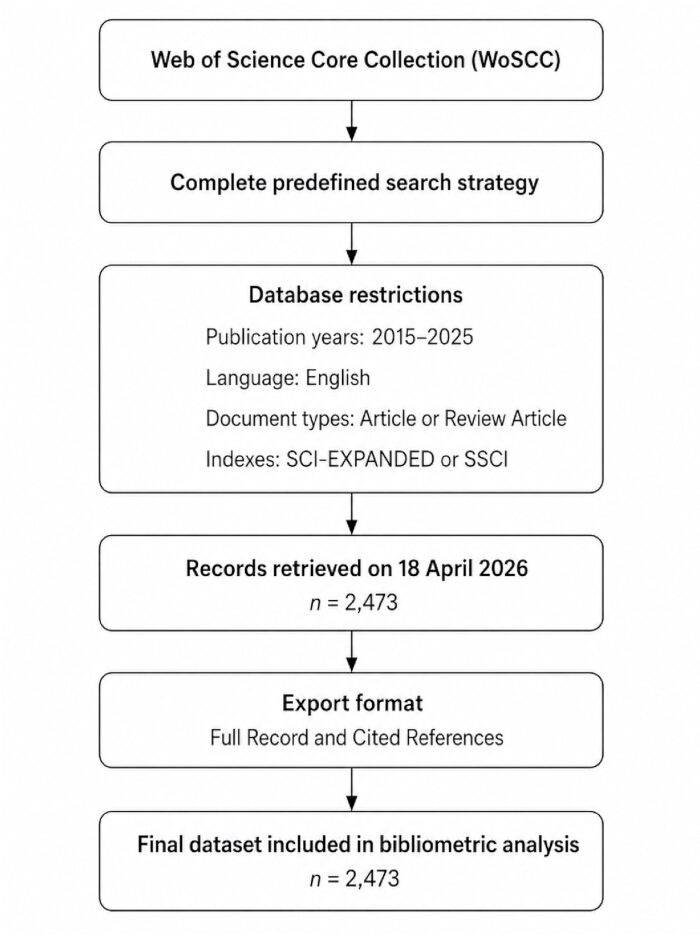
Figure 1: Flowchart of literature retrieval and dataset construction. This figure summarizes the literature retrieval, data processing, bibliometric analysis, and visualization workflow used in this study. Please click here to view a larger version of this figure.
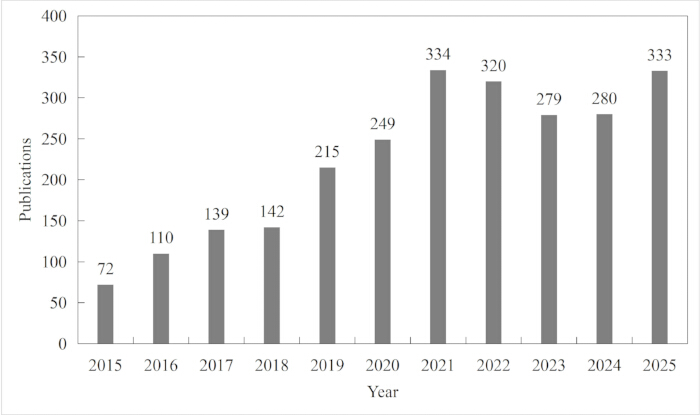
Figure 2: Annual publication output in gut microbiota and metabolic syndrome research from 2015 to 2025. This figure illustrates the yearly publication volume and the overall growth trend of research in this field from 2015 to 2025. Please click here to view a larger version of this figure.
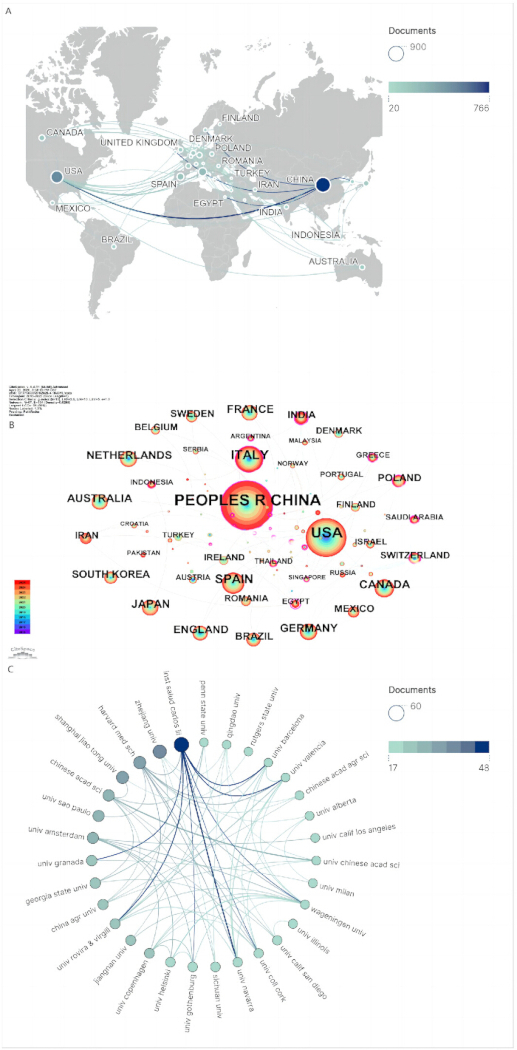
Figure 3: Geographic distribution and collaboration networks in gut microbiota and metabolic syndrome research from 2015 to 2025. (A) Geographic visualization of international collaborations among countries generated using SCImago Graphica. (B) Country-level collaboration network. Nodes represent countries, node size indicates publication output, connecting lines represent collaborative relationships, and node and link colors correspond to the annual time slices from 2015 to 2025. (C) Institutional collaboration network. Node size represents institutional publication output, connecting lines indicate inter-institutional collaborations, and thicker lines represent stronger collaborative relationships. Please click here to view a larger version of this figure.
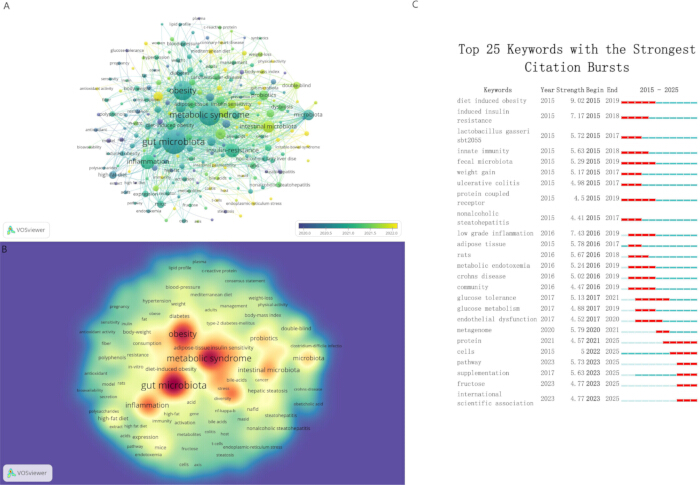
Figure 4: Keyword co-occurrence, density, and burst analyses in gut microbiota and metabolic syndrome research. (A) Overlay visualization of keyword co-occurrence. Node size represents keyword occurrence frequency, connecting lines indicate co-occurrence relationships, and colors represent the average publication year of the documents in which each keyword occurred, with blue indicating earlier average publication years and yellow indicating more recent average publication years. (B) Keyword density visualization. The color gradient from blue to red indicates increasing keyword occurrence frequency, with red regions representing concentrated research hotspots. (C) Keyword burst analysis. Red bars indicate periods of burst activity, and burst strength reflects the intensity of the research trend. Please click here to view a larger version of this figure.
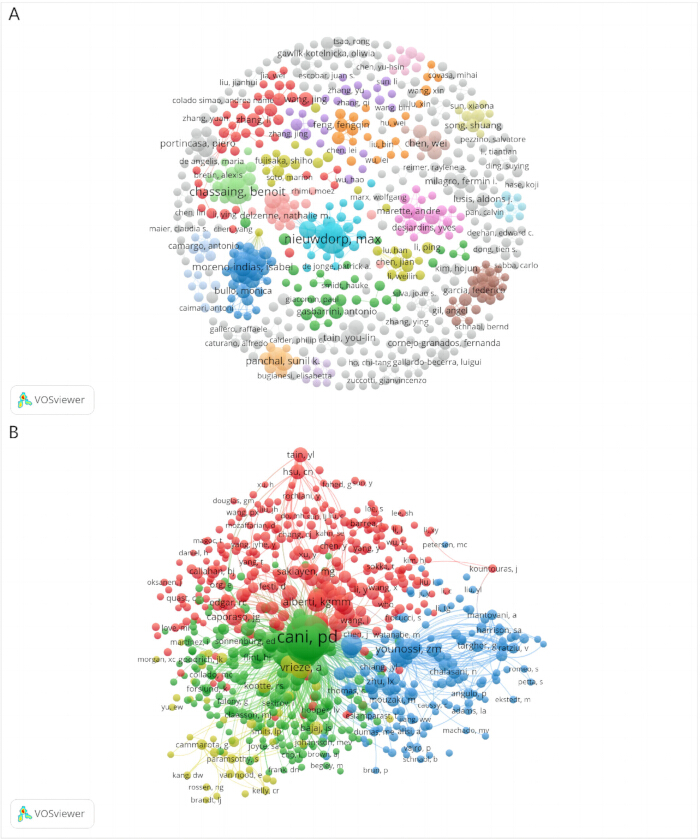
Figure 5: Author collaboration and co-citation networks in gut microbiota and metabolic syndrome research. (A) Collaboration network of authors with three or more publications. Node size represents author publication output, connecting lines indicate collaborative relationships, and colors represent distinct collaboration clusters. (B) Author co-citation network for authors with at least 30 citations. Node size represents author co-citation frequency, connecting lines indicate co-citation relationships, and colors represent distinct co-citation clusters. Please click here to view a larger version of this figure.
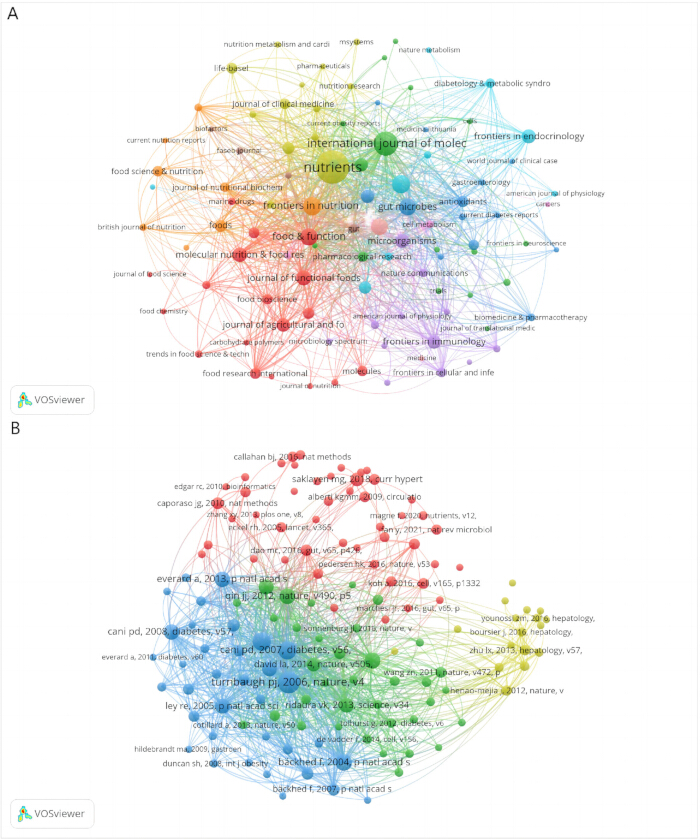
Figure 6: Journal and reference networks in gut microbiota and metabolic syndrome research. (A) Co-occurrence network of journals with at least five publications. Node size represents journal publication output, connecting lines indicate relationships between journals, and colors represent distinct research clusters. (B) Co-cited reference network. Node size represents citation frequency, connecting lines indicate co-citation relationships among references, and colors represent distinct research clusters. Please click here to view a larger version of this figure.
| Clinical Trial Identifier | Study Status | Indications | Intervention | Key Primary Outcome Measures | Key Secondary/Other Outcome Measures | Representative Category |
| NCT02041104 | Completed | Metabolic Syndrome; Dyslipidemia; Abdominal Obesity; Hyperglycemia; Hypertension | Bread with added β-glucans vs. bread without added β-glucans | Lipid profile, intestinal microbiota composition, OGTT-based glucose and insulin measures, blood pressure, and fecal SCFAs | Post-intervention intestinal microbiota composition, SCFAs, lipid profile, and glucose/insulin responses | Dietary/prebiotic-related intervention |
| NCT03201068 | Completed | Metabolic Syndrome; Microbiome; Immune Function; Inflammation | Probiotic supplement vs. placebo | Changes in metabolic syndrome parameters, including waist circumference, blood pressure, triglycerides, HDL-cholesterol, and fasting glucose | Microbiota composition, microbiota metabolites/SCFAs, cytokines, chemokines, and hs-CRP | Probiotic supplementation |
| NCT03477916 | Completed | Obesity; Metabolic Syndrome | Fecal microbiota transplantation (FMT) and/or prebiotic fiber supplementation | Change in insulin sensitivity | BMI and body weight, glucose metabolism, lipid profile, blood pressure, quality of life, inflammatory markers, stool microbiota composition, and SCFAs | FMT + prebiotic fiber |
| NCT03608800 | Completed | Metabolic Syndrome | Intermittent fasting vs. control diet | BMI and body fat mass | Blood pressure, gut microbiota composition and metabolic pathways, inflammatory and vascular biomarkers, and glucose/lipid-related measures | Dietary/lifestyle intervention |
Table 1: Representative ClinicalTrials.gov studies of gut microbiota-related interventions in metabolic syndrome. This table summarizes representative interventional studies covering distinct gut microbiota-related intervention strategies in metabolic syndrome.
| No. | Journal Title | Journal Impact Factor (2024) | JCR Category/Quartile (2024) |
| 1 | Nutrients | 5 | Nutrition & Dietetics, Q1 |
| 2 | International Journal of Molecular Sciences | 4.9 | Biochemistry & Molecular Biology, Q1 |
| 3 | Frontiers in Nutrition | 5.1 | Nutrition & Dietetics, Q1 |
| 4 | Food & Function | 5.4 | Food Science & Technology, Q1 |
| 5 | Frontiers in Endocrinology | 4.6 | Endocrinology & Metabolism, Q1 |
| 6 | Nutrition & Metabolism | 4.1 | Nutrition & Dietetics, Q2 |
| 7 | Clinical Nutrition | 7.4 | Nutrition & Dietetics, Q1 |
| 8 | Advances in Nutrition | 9.2 | Nutrition & Dietetics, Q1 |
| 9 | International Journal of Biological Macromolecules | 8.5 | Biochemistry & Molecular Biology, Q1 |
| 10 | LWT - Food Science and Technology | 6.6 | Food Science & Technology, Q1 |
Table 2: Core journals and their impact indicators. This table summarizes the core journals identified in the analysis and their corresponding impact indicators. Journal impact factors and JCR quartiles are reported for the 2024 metric year.
| First Author | Year | Journal | Main Research Content | IF |
| Turnbaugh PJ | 2006 | Nature | Proposed the concept of obesity-associated gut microbiota | 48.5 |
| Cani PD | 2007 | Diabetes | Proposed the theory of metabolic endotoxemia | 7.5 |
| Qin J | 2012 | Nature | Metagenomic analysis of gut microbiota composition in patients with type 2 diabetes mellitus | 48.5 |
| David LA | 2014 | Nature | Investigated the effects of diet on dynamic alterations in gut microbiota composition | 48.5 |
| Fan Y | 2021 | Nat Rev Microbiol | Summarized the relationship between gut microbiota and metabolic diseases | 103.3 |
| Heianza Y | 2023 | Nat Rev Endocrinol | Reviewed the relationship between microbiota-derived metabolites and cardiometabolic diseases | 42.3 |
Table 3: Main contents and contributions of core references cited more than five times. This table summarizes the main research content and key contributions of the core references cited more than five times.
Supplementary File 1: Search syntax. This file provides the complete search syntax for the current study.Please click here to download this file.
المناقشة
The present bibliometric analysis characterized the development of gut microbiota and MetS research from 2015 to 2025. Publication output increased substantially during the study period, with China and the United States emerging as the major contributors and the United States occupying an important bridging position in the international collaboration network. Co-citation analysis identified several foundational studies, while keyword co-occurrence and burst analyses showed that obesity, insulin resistance, and inflammation remained major themes, accompanied by increasing attention to molecular mechanisms, microbiota-related interventions, and clinical translation. These findings are consistent with the established importance of the gut microbiota in human metabolic health and disease10. Gut microbiota and its metabolites have been increasingly associated with the regulation of insulin resistance11, including through microbial carbohydrate metabolism12. Intestinal barrier dysfunction represents another important component of microbiota-related metabolic abnormalities13. Experimental research has also linked gut microbial dysbiosis with diet-associated metabolic liver injury, while the gut–liver axis provides an important framework for understanding microbiota–host interactions in liver disease. Bile acid-related microbial functions are increasingly being investigated as potential targets in MASLD14,15,16. Dietary modulation of the gut microbiota has received growing attention in MetS research17, together with studies examining probiotic-mediated molecular regulation18. The expanding body of evidence has strengthened interest in nutrition-based modulation of the gut microbiota as a potential strategy for improving metabolic outcomes. In parallel, the intellectual focus of this field has gradually shifted from characterizing epidemiological and microbial associations to uncovering functional mechanisms and advancing clinically relevant applications, reflecting the increasing maturity of this research area (Figure 4C)19. In recent years, studies involving multi-omics integrative analyses, precision nutrition, and individualized microbiota-targeted interventions have increased substantially, demonstrating promising prospects for clinical application20,21.
The marked increase in annual publication output, from 72 publications in 2015 to 333 in 2025, reflects sustained scientific interest in this field. Country, institutional, and author networks demonstrated broad international cooperation, although collaboration among research groups remained relatively fragmented. China and the United States were the leading contributors by publication output, while the United States showed a prominent bridging role. Major institutional contributors included Instituto de Salud Carlos III, Zhejiang University, Harvard Medical School, and the Chinese Academy of Sciences, supporting the importance of multicenter and cross-regional cooperation. Alongside this expansion, the scientific focus of the field has become increasingly diverse. The microbiome–bile acid–farnesoid X receptor (FXR) axis represents one emerging mechanistic direction22. Diet remains an important determinant of microbial composition and host metabolic regulation23. Prebiotics, probiotics, and postbiotics are consequently being explored as microbiota-modulating approaches for MetS24. Research in obesity has further emphasized crosstalk between the gut microbiota and adipose tissue25,26. Recent studies have also explored microbiota-related therapeutic mechanisms in type 2 diabetes, including bioactive polysaccharides and microbiota–short-chain fatty acid signaling pathways27,28. Chronic metabolic inflammation remains another central research theme; bile acid–microbiota interactions provide an additional link between intestinal microbial ecology and host physiology29,30. Microbial metabolites are increasingly recognized as regulators of immune function31. Importantly, intervention-oriented research has extended to randomized probiotic studies in MetS, while the growing clinical focus highlights the importance of longitudinal monitoring and appropriate study design when evaluating metabolic interventions32,33.
The co-citation structure further illustrates the intellectual development of the field. Turnbaugh et al. established an influential connection between obesity and the energy-harvesting capacity of the gut microbiome34, whereas Cani et al. highlighted metabolic endotoxemia as a link between microbial products, obesity, and insulin resistance35. Metagenome-wide analysis by Qin et al. subsequently demonstrated disease-associated microbial signatures in type 2 diabetes mellitus and contributed to the broader adoption of metagenomic approaches in metabolic research36. More recent studies have extended these foundations toward nutraceutical and probiotic interventions in obesity21,37. Overall, the developmental trajectory of highly cited publications reflects the continuous evolution of this field from studies focusing on the “association between gut microbiota and metabolic abnormalities” toward deeper investigations into “mechanistic elucidation and clinical translational applications.” To further analyze the knowledge base and core research directions in this field, representative publications cited more than five times were systematically summarized and categorized (Table 2). The results demonstrated that highly cited studies mainly focused on the relationships between gut microbiota and obesity, inflammatory responses, insulin resistance, and metabolic regulatory mechanisms, with research trends gradually extending toward precision interventions and clinical translational applications.
Large-scale human microbiome research has further linked habitual diet, microbial composition, and host metabolism38. Microbiota-targeted therapeutic approaches have also been increasingly discussed in diabetes research39. FMT has been investigated experimentally in relation to impaired glucose tolerance40 and hepatic steatosis41. In patients with MetS, intermittent fasting has also been associated with improvements in cardiometabolic risk factors and alterations in gut microbiota42. Metabolomic studies nevertheless indicate that associations between the microbiota and cardiometabolic phenotypes may differ across biological compartments, emphasizing the complexity of microbiota–host interactions43. Experimental research has additionally explored hepatic lipid metabolism and oxidative stress and systemic fatty-acid metabolism44,45. Diet-derived microbial metabolites represent an important interface between microbial activity and host immune regulation, while intestinal immune-cell responses provide another component of microbiota–host crosstalk46,47. Additional experimental studies have examined specific microbiota-associated signaling mechanisms in metabolic disease and in other physiological models48,49. Findings outside MetS should be extrapolated cautiously. Increasing interest in microbial biomarkers and precision probiotic development further reflects the movement toward individualized intervention strategies50. Combined with the keyword burst analysis results of this study (Figure 4C), molecular- and cellular-level investigations have gained increasing prominence alongside continued research on obesity- and inflammation-related mechanisms, involving terms such as “pathway” and “cells,” indicating that this field is developing toward more in-depth mechanistic elucidation. Taken together, these mechanistic developments are consistent with the keyword evolution identified in the present bibliometric analysis (Figure 4C), indicating a progressive shift from obesity- and inflammation-centered research toward increasingly detailed molecular, cellular, and pathway-level investigations.
Clinical translation has become increasingly prominent alongside continued mechanistic investigation. Precision microbiome-based approaches are being explored across biomedical settings, while bibliometric studies have further characterized the development of microbiome-related research51,52. Dietary strategies combining Mediterranean-style patterns with time-restricted feeding have also been discussed in related metabolic liver disease53. Metagenomics has provided an important methodological basis for human gut microbiome research, while newer analytical strategies continue to improve the characterization of complex microbial communities54,55,56. FMT has been investigated in obese individuals with steatohepatitis and in randomized clinical studies of fatty liver disease57,58. Multi-omics integration, machine learning, artificial intelligence (AI), and precision probiotic strategies are further expanding opportunities for individualized microbiota-targeted interventions59,60,61,62. Interdisciplinary collaboration may further facilitate the translation of complex microbiome findings63,64. Microbiota-targeted approaches are also being explored in MASLD65, while dietary-fiber interventions and Akkermansia muciniphila supplementation illustrate efforts to translate microbiota modulation into human metabolic research66,67. Several additional studies have examined microbiota-related gastrointestinal function and fatigue, although these findings are indirect for MetS68,69. In obesity, caloric restriction combined with probiotic supplementation has also been evaluated in relation to body composition, quality of life, and psychobiological outcomes70. Team-based and collaborative research frameworks may facilitate complex microbiome studies71,72, while personalized management strategies have also been explored in related metabolic disorders73. These findings should be extrapolated cautiously to MetS.
The current exploratory review of representative ClinicalTrials.gov records identified dietary/prebiotic interventions, probiotic supplementation, FMT combined with prebiotic fiber, and dietary/lifestyle interventions in metabolic syndrome. These trials evaluated metabolic and microbiota-related outcomes, including glucose and lipid metabolism, insulin sensitivity, inflammatory markers, short-chain fatty acids, and gut microbiota composition (Table 3). Probiotic interventions have also been investigated for modulating the gut microbiota and improving metabolic outcomes in individuals with MetS74. Recent studies continue to explore microbiota-targeted therapeutic strategies and individualized approaches in MetS and related metabolic disorders75,76,77,78,79. However, their clinical efficacy and long-term benefits require further confirmation in well-designed prospective studies80,81,82.
Several limitations should be considered when interpreting these findings. First, the analysis was restricted to English-language records indexed in the WoSCC and therefore may not fully represent global research activity. Second, citation-based indicators are influenced by publication age and continuous database updating, particularly for recently published studies. Differences in bibliometric algorithms and parameter settings may also affect network and clustering results, while variations in author and institutional names may introduce residual disambiguation errors. In addition, bibliometric indicators characterize publication patterns, intellectual structures, and research attention but cannot substitute for direct evaluation of biological mechanisms or therapeutic efficacy. Restricting the dataset to 2015–2025 means that the present study primarily reflects the contemporary research landscape rather than its complete historical development, although influential earlier publications could still be captured through co-citation analysis. Some late-indexed publications from 2025 may also have been missed because WoSCC is continuously updated. Nevertheless, recent research continues to highlight the development of microbiota-targeted therapeutic strategies for MetS83. Microbiome supplementation has also been proposed as an emerging therapeutic concept that requires further clinical validation84. Experimental work continues to identify specific microbe-modulated metabolic pathways associated with obesity-related phenotypes85, further illustrating the biological complexity underlying the bibliometric trends observed in this study. Future research should integrate rigorous mechanistic investigation, prospective clinical studies, multi-omics approaches, and broader international collaboration to determine whether emerging microbiota-related strategies can produce reproducible clinical benefits.
الإفصاحات
The authors declare no conflicts of interest related to this work. No artificial intelligence tools were used in the preparation of this manuscript.
AUTHOR CONTRIBUTIONS:
Ming Xu contributed to the conceptualization, methodology, data curation, formal analysis, and visualization, and prepared the original draft. Chunhui Wang contributed to data curation, search verification, and data validation, and reviewed and edited the manuscript. Yongkang Wu performed the formal analysis and validation and reviewed and edited the manuscript. Weixiong Zhu provided methodological support, prepared the data visualizations, performed validation, and reviewed and edited the manuscript. Qi Yu contributed to the conceptualization, supervised the work, interpreted the results, and reviewed and edited the manuscript. All authors read and approved the final version of the manuscript.
شكر وتقدير
The authors would like to thank all researchers whose publications contributed to this bibliometric analysis. The authors also acknowledge the developers of CiteSpace, VOSviewer, and SCImago Graphica for providing valuable tools for data visualization and analysis.
المواد
| الاسم | الشركة | رقم فهرسي | التعليقات |
|---|---|---|---|
| CiteSpace 6.4.R1 | Chaomei Chen, Drexel University, Philadelphia, PA, USA | N/A | Bibliometric visualization and burst detection software; https://cluster.cis.drexel.edu/~cchen/citespace/ |
| ClinicalTrials.gov | U.S. National Library of Medicine, National Institutes of Health, USA | N/A | Online clinical trial registry used to retrieve information on relevant clinical studies |
| SCImago Graphica 1.0.35 | SCImago Research Group, S.L., Spain | N/A | Data analysis and visualization software; https://graphica.app/ |
| VOSviewer 1.6.20 | Centre for Science and Technology Studies (CWTS), Leiden University, The Netherlands | N/A | Bibliometric network analysis and visualization software; https://www.vosviewer.com/ |
| Web of Science Core Collection (WoSCC) | Clarivate, London, UK | N/A | Bibliographic database used for literature retrieval and bibliometric data collection |
المراجع
- Sasidharan Pillai S, Gagnon CA, Foster C, Ashraf AP. Exploring the gut microbiota: key insights into its role in obesity, metabolic syndrome, and type 2 diabetes. J Clin Endocrinol Metab. 2024;109(11):2709-19.
- Zhu Z et al. Review on chronic metabolic diseases surrounding bile acids and gut microbiota: What we have explored so far. Life Sci. 2024;336:122304.
- Zeng L et al. Immunomodulatory role of gut microbial metabolites: mechanistic insights and therapeutic frontiers. Front Microbiol. 2025;16:1675065.
- Mederle AL et al. Impact of Gut Microbiome Interventions on Glucose and Lipid Metabolism in Metabolic Diseases: A Systematic Review and Meta-Analysis. Life (Basel). 2024;14(11):1485.
- Kaul R et al. The effect of microbiome-modulating therapeutics on glucose homeostasis in metabolic syndrome: A systematic review, meta-analysis, and meta-regression of clinical trials. Diabetes Metab Syndr. 2024;18(8):103118.
- Zhang H et al. Global hotspots and trends in gut microbiota and metabolic syndrome research based on Web of Science (2005–2024). Acta Microbiol Sin. 2026;66(2):926-55.
- Tian W et al. Gut microbiota in insulin resistance: a bibliometric analysis. J Diabetes Metab Disord. 2024;23(1):173-88.
- García-Curiel L et al. Probiotics and Metabolic Syndrome: A Bibliometric Analysis and Overview of Dietary Interventions. In: Himmerich H, editor. Weight Loss - A Multidisciplinary Perspective. IntechOpen; 2024. doi: 10.5772/intechopen.1004605.
- Palak R, Wojtkiewicz K. A Centralization Measure for Social Networks Assessment. Cybern Syst. 2023;55(3):654-67.
- Fan Y, Pedersen O. Gut microbiota in human metabolic health and disease. Nat Rev Microbiol. 2021;19(1):55-71.
- Liu J et al. Gut microbiota and its metabolites regulate insulin resistance: traditional Chinese medicine insights for T2DM. Front Microbiol. 2025;16:1554189.
- Takeuchi T et al. Gut microbial carbohydrate metabolism contributes to insulin resistance. Nature. 2023;621(7978):389-95.
- Cheng X et al. Targeting the intestinal barrier with traditional Chinese medicine for non-alcoholic fatty liver disease: mechanistic insights and therapeutic perspectives. Chin Med. 2026;21(1):25.
- Somm E et al. Interleukin-18 binding protein deficiency results in gut microbiota dysbiosis and aggravated diet-induced MASH in mice. JHEP Rep. 2026;8(1):101629.
- Albillos A, de Gottardi A, Rescigno M. The gut-liver axis in liver disease: Pathophysiological basis for therapy. J Hepatol. 2020;72(3):558-77.
- Jones EV et al. Bile salt hydrolase activity as a rational target for MASLD therapy. Gut Microbes. 2026;18(1):2608437.
- Chapela S et al. Gut microbiota and metabolic syndrome in postmenopausal women: a narrative review of mechanisms and dietary recommendations. Minerva Endocrinol (Torino). 2026;51(3):288-305.
- Xie S, Zhi Y, Badehnoosh B. Microbial modulators of the epigenome: probiotic regulation of MiRNAs and LncRNAs in health and disease and preventive medicine. Gut Pathog. 2026;18(1):4.
- Ling CW et al. Mapping the gut microecological multi-omics signatures to serum metabolome and their impact on cardiometabolic health in elderly adults. EBioMedicine. 2024;105:105209.
- Oyovwi MO, Ben-Azu B, Babawale KH. Therapeutic potential of microbiome modulation in reproductive cancers. Med Oncol. 2025;42(5):152.
- Plaza-Diaz J, Herrera-Quintana L, Olivares-Arancibia J, Vázquez-Lorente H. Personalized Nutrition Through the Gut Microbiome in Metabolic Syndrome and Related Comorbidities. Nutrients. 2026;18(2):290.
- Shou J, Fu T. The gut microbiome–bile acid-FXR interplay: a pivotal axis in metabolic and gastrointestinal diseases. Gut Microbes. 2026;18(1):2665890.
- Hernández-Valles AE et al. The Role of Diet in Shaping Gut Microbiota and Its Impact on Host Metabolic Regulation. Int J Mol Sci. 2026;27(6):2768.
- Chalotra R et al. Prebiotics, probiotics, and postbiotics in modulating gut microbiota: Emerging therapeutic approaches for metabolic syndrome. Curr Obes Rep. 2026;15(1):9.
- Cani PD, Van Hul M. Gut microbiota in overweight and obesity: crosstalk with adipose tissue. Nat Rev Gastroenterol Hepatol. 2024;21(3):164-83.
- Karthick V et al. The role of microbiota derived metabolites in modulating diabetic inflammation: a systematic review. J Mol Histol. 2026;57(2):113.
- Ali M et al. A review on molecular crosstalk: Bioactive polysaccharides and gut microbiota in type 2 diabetes—Pathways, signaling, and therapeutic translation. Int J Biol Macromol. 2026;355:151459.
- Zhang Y et al. Mulberry leaf improves type 2 diabetes in mice via gut microbiota-SCFAs-GPRs axis and AMPK signaling pathway. Phytomedicine. 2025;145:156970.
- Tilg H, Zmora N, Adolph TE, Elinav E. The intestinal microbiota fuelling metabolic inflammation. Nat Rev Immunol. 2020;20(1):40-54.
- Jia W, Xie G, Jia W. Bile acid–microbiota crosstalk in gastrointestinal inflammation and carcinogenesis. Nat Rev Gastroenterol Hepatol. 2018;15(2):111-28.
- Takeuchi T, Nakanishi Y, Ohno H. Microbial metabolites and gut immunology. Annu Rev Immunol. 2024;42(1):153-78.
- Wastyk HC et al. Randomized controlled trial demonstrates response to a probiotic intervention for metabolic syndrome that may correspond to diet. Gut Microbes. 2023;15(1):2178794.
- Zhu W, Mu Y, Zhou W. Dynamic steatotic liver disease classification calls for adaptive clinical trial designs and longitudinal monitoring. Clin Gastroenterol Hepatol. 2025. Online ahead of print. https://doi.org/10.1016/j.cgh.2025.04.012.
- Turnbaugh PJ et al. An obesity-associated gut microbiome with increased capacity for energy harvest. Nature. 2006;444(7122):1027-31.
- Cani PD et al. Metabolic endotoxemia initiates obesity and insulin resistance. Diabetes. 2007;56(7):1761-72.
- Qin J et al. A metagenome-wide association study of gut microbiota in type 2 diabetes. Nature. 2012;490(7418):55-60.
- Street ME et al. The role of nutraceuticals and probiotics in addition to lifestyle intervention in the management of childhood obesity—part 1: metabolic changes. Nutrients. 2025;17(10):1630.
- Asnicar F et al. Microbiome connections with host metabolism and habitual diet from 1,098 deeply phenotyped individuals. Nat Med. 2021;27(2):321-32.
- Shakya R, Sivakumar PM, Prabhakar PK. Gut Microbiota and Diabetes: Pioneering New Treatment Frontiers. Endocr Metab Immune Disord Drug Targets. 2025;25(10):767-76.
- Bhatia Z, Kumar S, Seshadri S. Fecal microbiota transplantation as a potential therapeutic approach to improve impaired glucose tolerance via gut microbiota modulation in rat model. J Diabetes Metab Disord. 2025;24(1):28.
- Hou PF et al. Fecal microbiota transplantation improves hepatic steatosis induced by HFD in a mouse model associated with liver ILC1 regulation and indole-3-carbinol level. Front Nutr. 2025;12:1500293.
- Guo Y et al. Intermittent fasting improves cardiometabolic risk factors and alters gut microbiota in metabolic syndrome patients. J Clin Endocrinol Metab. 2021;106(1):64-79.
- Deng K et al. Comparison of fecal and blood metabolome reveals inconsistent associations of the gut microbiota with cardiometabolic diseases. Nat Commun. 2023;14(1):571.
- Vargas MR et al. Astaxanthin alleviates altered hepatic lipid metabolism and oxidative stress in animals fed a high-sucrose diet. Front Nutr. 2026;13:1781406.
- Panov AV, Mayorov VI, Dikalov SI. Role of fatty acids β-oxidation in the metabolic interactions between organs. Int J Mol Sci. 2024;25(23):12740.
- Siracusa F, Machicote A, Huber S, Gagliani N. Diet-derived microbial metabolites as regulators of immune function. Curr Opin Immunol. 2026;98:102713.
- Ma Z et al. Regulatory roles of intestinal CD4+ T cells in inflammation and their modulation by the intestinal microbiota. Gut Microbes. 2025;17(1):2560019.
- Meng Y et al. Jinlida ameliorates diabetic kidney disease via gut microbiota-dependent production of pyridoxamine targeting renal AGEs/RAGE and TGF-β pathways. Phytomedicine. 2026;150:157744.
- Xiao Y et al. Water extract of Ampelopsis grossedentata improves reproductive performance in laying hens by regulating gut microbiota and PI3K/AKT signaling pathway. Poult Sci. 2026;105(3):106368.
- Li L et al. Precision probiotic development based on gut microbial biomarkers: from mechanistic insights to clinical translation. Food Funct. 2026;17(2):631-45.
- Song J, Zhang W, Wang D. Gut microbiome in gastrointestinal neoplasms: from mechanisms to precision therapeutic strategies. Gut Pathog. 2025;17(1):57.
- Sun X, Zhai J. Research status and trends of gut microbiota and intestinal diseases based on bibliometrics. Microorganisms. 2025;13(3):673.
- Zhu W, Zhou W. Letter: Clarifying the synergistic mechanisms of mediterranean diet and time-restricted feeding in MASLD management. Aliment Pharmacol Ther. 2025;61(12):1981-2.
- Wang WL et al. Application of metagenomics in the human gut microbiome. World J Gastroenterol. 2015;21(3):803-14.
- Li X, Lu H. Enhanced metagenomic strategies for elucidating the complexities of gut microbiota: A review. Front Microbiol. 2025;16:1626002.
- Jiménez-Arroyo C et al. Human gut microbiome study through metagenomics: Recent advances and challenges for clinical implementation. Enferm Infecc Microbiol Clin (Engl Ed). 2025;43(10):698-708.
- Witjes JJ et al. Donor fecal microbiota transplantation alters gut microbiota and metabolites in obese individuals with steatohepatitis. Hepatol Commun. 2020;4(11):1578-90.
- Xue L et al. Effect of fecal microbiota transplantation on non-alcoholic fatty liver disease: a randomized clinical trial. Front Cell Infect Microbiol. 2022;12:759306.
- Duan D et al. Advances in multi-omics integrated analysis methods based on the gut microbiome and their applications. Front Microbiol. 2025;15:1509117.
- Rozera T, Pasolli E, Segata N, Ianiro G. Machine learning and artificial intelligence in the multi-omics approach to gut microbiota. Gastroenterology. 2025;169(3):487-501.
- Liu YY. Deep learning for microbiome-informed precision nutrition. Natl Sci Rev. 2025;12(6):nwaf148.
- Li S et al. Precision probiotics for overweight management: decoding strain-specific mechanisms to guide microbiota-tailored interventions. Food Funct. 2026;17(8):3453-76.
- Specht A, Crowston K. Interdisciplinary collaboration from diverse science teams can produce significant outcomes. PLoS One. 2022;17(11):e0278043.
- Huttenhower C et al. Advancing the microbiome research community. Cell. 2014;159(2):227-30.
- Li M et al. Targeting the gut microbiota: the application and prospects of probiotics, fecal microbiota transplantation, and natural products in MASLD. Front Nutr. 2026;13:1735669.
- Hoevenaars FPM et al. Translating in vitro gut microbiota models to human context: compositional correlations under dietary fiber intervention. Front Microbiol. 2025;16:1708906.
- Depommier C et al. Supplementation with Akkermansia muciniphila in overweight and obese human volunteers: a proof-of-concept exploratory study. Nat Med. 2019;25(7):1096-103.
- Xu Y et al. Barley leaves improves loperamide-induced constipation via gut barrier and microbiota modulation in mice. Foods. 2026;15(1):95.
- Zhang J et al. Polysaccharides from Millettia speciosa Champ. Ameliorates excessive exercise-induced fatigue by regulating gut microbiota. Foodborne Pathog Dis. 2026;23(1):56-65.
- Marques CG et al. Effect of caloric restriction with probiotic supplementation on body composition, quality of life, and psychobiological factors of obese men: a randomized, double-blinded placebo-controlled clinical trial. Clin Nutr. 2025;45:234-49.
- McDonnell KJ. Operationalizing Team Science at the Academic Cancer Center Network to Unveil the Structure and Function of the Gut Microbiome. J Clin Med. 2025;14(6):2040.
- Chou W, Chow JC. Analyzing collaboration and impact: A bibliometric review of four highly published authors’ research profiles on collaborative maps. Medicine (Baltimore). 2024;103(28):e38686.
- Su B, Cao Y, Ma L, Huang J. BMI-stratified phenotypes of polycystic ovary syndrome: advances in gut microbiota research and personalized management strategies. Front Endocrinol (Lausanne). 2026;17:1734041.
- Xiao R et al. A randomised double-blind placebo-controlled trial of a probiotic combination for manipulating the gut microbiota and managing metabolic syndrome. Food Biosci. 2024;59:104076.
- Ezenabor EH, Adeyemi AA, Adeyemi OS. Gut microbiota and metabolic syndrome: relationships and opportunities for new therapeutic strategies. Scientifica (Cairo). 2024;2024:4222083.
- Huang Z et al. The synergistic role of gut microbiota and RNA in metabolic diseases: mechanisms and therapeutic insights. Front Microbiol. 2025;16:1504395.
- Liu S, Cheng L, Li S. Characteristics of gut microbiota in patients with polycystic ovary syndrome and its association with metabolic abnormalities: a review. Int J Womens Health. 2025;17:2165-74.
- Li C, Cheng D, Ren H, Zhang T. Unraveling the gut microbiota’s role in PCOS: a new frontier in metabolic health. Front Endocrinol (Lausanne). 2025;16:1529703.
- Blok L, Hanssen N, Nieuwdorp M, Rampanelli E. From microbes to metabolites: advances in gut microbiome research in type 1 diabetes. Metabolites. 2025;15(2):138.
- Haque S et al. Distinct gut microbiota signatures and metabolic dysregulation in individuals with type 1 diabetes: insights into a microbiome-metabolite axis. Gut Pathog. 2025;17(1):98.
- Balvers M et al. Ethnic variations in metabolic syndrome components and their associations with the gut microbiota: the HELIUS study. Genome Med. 2024;16(1):41.
- Yu Q et al. Global trends in bariatric surgery for the treatment of metabolic syndrome: A bibliometric and visualization analysis. Obes Surg. 2026;36(3):1160-74.
- Gao Y et al. Advances in gut microbiota-targeted therapeutics for metabolic syndrome. Microorganisms. 2024;12(5):851.
- Qureshi W, Dar MA, Rather MY. New therapy for metabolic syndrome: Gut microbiome supplementation. World J Diabetes. 2024;15(9):1833-6.
- Duan Y et al. Adlercreutzia-modulated polyunsaturated fatty acid metabolism underlies nicotine’s anti-obesity effects. Front Microbiol. 2025;16:1682370.