心理旋转

0 次观看·05:56 分钟
1. 刺激设计。
- 在本实验中呈现刺激材料——字母和数字及其镜像(图1)——并以不同旋转角度展示。

图1. 心理旋转任务的示例刺激材料。 上排显示两个字符(R 和 4)及其各自旋转后的副本。下排显示每个字符的镜像(每对中的右侧)以及各自旋转后的版本。心理旋转任务要求识别熟悉字符的旋转版本,并将其与这些字符镜像的旋转版本区分开来。 - 使用 PowerPoint、Keynote 或类似程序生成刺激材料。
- 本实验中使用大写字母“R”和小写字母“g”,以及数字“4”和“7”。
- 在 PowerPoint 中,制作上述四个字符的各一个副本。本实验使用 Helvetica Light 字体。
- 再制作每个字符的第二个副本,并将其翻转以生成每个字符的镜像。
- 对四个字符及其镜像分别制作 12 个副本。
- 将这 12 个副本中的每一个依次以 15° 的递增角度进行旋转。原始副本为 0°,下一个为 15°,然后是 30°,依此类推,直至 180°。参考 图2 查看本实验所使用的全部刺激材料。

图2. 心理旋转任务的完整刺激材料集。 四个字符(3、R、4 和 g),每个字符与其镜像配对,并在 0° 至 180° 之间以 15° 为增量进行旋转。 - 从每个刺激材料及其镜像的 13 个旋转副本中,生成各个独立试验的刺激材料。每次试验由一页纸顶部显示的四个非镜像字符之一组成,页面底部则包含该字符及其镜像中的一种,并以 12 种旋转角度之一呈现(图3 和 图4)。
- 为实验中的每一次试验制作一页纸。四个数字/字母各有 13 页试验材料,因此总共需制作 52 页,并将其打印出来。
- 在每页纸的背面编号 1–52。每页上的编号即为编号标签。页码的具体编号顺序无关紧要。但在编号时,需同时制作一份“编码表”,即一个记录每页试验内容及正确答案(左侧或右侧)的表格,以便后续将受试者的反应与具体试验对应。该编码表可设计为类似名为“心理旋转编码表”的 Excel 表格(表1)。
| 编号标签 | 字符 | 角度 | 正确答案 |
| 1 | 3 | 60 | RIGHT |
| 2 | g | 75 | RIGHT |
| 3 | g | 30 | RIGHT |
| 4 | g | 60 | LEFT |
| 5 | g | 165 | RIGHT |
| 6 | 4 | 105 | LEFT |
| 7 | 3 | 15 | LEFT |
| 8 | 3 | 165 | LEFT |
| 9 | 4 | 180 | LEFT |
| 10 | R | 15 | RIGHT |
| 11 | g | 180 | RIGHT |
| 12 | g | 45 | RIGHT |
| 13 | g | 105 | RIGHT |
| 14 | 3 | 45 | RIGHT |
| 15 | 4 | 15 | LEFT |
| 16 | R | 60 | LEFT |
| 17 | R | 45 | LEFT |
| 18 | R | 150 | LEFT |
| 19 | g | 0 | RIGHT |
| 20 | R | 30 | LEFT |
| 21 | 3 | 120 | LEFT |
| 22 | 4 | 90 | LEFT |
| 23 | R | 75 | LEFT |
| 24 | 4 | 135 | RIGHT |
| 25 | 3 | 180 | LEFT |
| 26 | 4 | 45 | LEFT |
| 27 | R | 90 | RIGHT |
| 28 | 4 | 0 | LEFT |
| 29 | 4 | 120 | LEFT |
| 30 | 3 | 135 | RIGHT |
| 31 | R | 135 | LEFT |
| 32 | 3 | 30 | LEFT |
| 33 | 4 | 75 | LEFT |
| 34 | 3 | 105 | LEFT |
| 35 | 3 | 150 | LEFT |
| 36 | R | 105 | RIGHT |
| 37 | 4 | 60 | RIGHT |
| 38 | 4 | 30 | LEFT |
| 39 | R | 120 | RIGHT |
| 40 | R | 180 | RIGHT |
| 41 | g | 135 | RIGHT |
| 42 | 3 | 0 | LEFT |
| 43 | 3 | 90 | LEFT |
| 44 | 4 | 150 | RIGHT |
| 45 | 4 | 165 | LEFT |
| 46 | 3 | 75 | RIGHT |
| 47 | R | 165 | LEFT |
| 48 | g | 90 | RIGHT |
| 49 | g | 150 | RIGHT |
| 50 | g | 15 | LEFT |
| 51 | R | 0 | RIGHT |
| 52 | g | 120 | RIGHT |
表1. 一个示例键,用于报告每页试验的性质以及正确答案(左或右)。

图3. 心理旋转实验一次试验的示例测试页面。 受试者需判断位于横线下方左侧或右侧的字符哪一个为旋转后的“R”(而非其镜像旋转)。
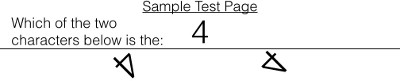
图4. 心理旋转实验一次试验的测试样页。 受试者需判断位于横线下方左侧或右侧的字符哪一个为旋转后的“4”(而非其镜像旋转)。
- 为了将实验结果与每次试验的内容相关联,需要一个记录结果的位置,因此需另建一个电子表格,包含试验编号列、该次试验的数字标签列、被试给出的反应(左或右)列,以及被试产生反应所需时间的列。打印出此反应记录表。
- 此外,制作一个演示页面用于解释实验指导语。页面应展示其中一个字符的示例、其镜像图像,以及该字符在某种旋转角度下的若干示例,并清晰标注(图5)。

图5. 一份指导说明表。该表格展示了一个字符、其镜像图像以及每个图像的旋转形式,以便向参与者清晰解释实验步骤。
- 除了试验页和演示页的打印版本外,还需为实验准备一块秒表,同时建议配备一名助手,以协助进行计时和记录反应结果。
2. 实验步骤。
- 使用演示页面向参与者说明指导语:“本实验将考察您通过视觉表象旋转物体的能力。在每一次试验中,您需要判断两个图像中哪一个是一个熟悉数字或字母的旋转版本。另一个选项则是该数字或字母的镜像旋转版本。例如:数字3,这是它的镜像。在试验中,您会看到原始的数字3,以及页面底部两个类似的示例:一个是旋转后的3,另一个是其镜像的旋转版本。您需要说出‘左’或‘右’,以表明您认为哪一个才是原始图像。请在保证准确性的前提下尽快做出反应。换句话说,一旦您确定了答案,请立即作答,但不要提前作答。”
- 将52张测试页面打乱顺序以实现随机化。打乱后,按照实际呈现顺序,在反应记录表上填写各试验的编号标签。
- 开始实验。将一叠测试页正面朝下放置在实验者与参与者之间,编号标签朝上。
- 让助手持握秒表。
- 在每次试验中,当助手启动计时器时,应说“开始”。接收到该信号后,立即翻转当前试验页面。让参与者观察页面内容,并说出“右”或“左”,以表明其认为哪一侧字符是该次试验的正确答案。
- 当参与者报告出反应结果时,助手应立即停止计时。随后,在反应记录表上记录反应时间和参与者的答案。
- 对全部52次试验重复上述步骤。
3. 分析。
- 实验结束后,分析数据。
- 将手写编号标签、应答及应答时间输入至应答表的电子版中,并以新名称保存,例如“参与者1 MR应答”(表2)。
| 试验编号 | 数字标签 | 给出的反应 | 反应时间 | 数字标签2 | 字符 | 角度 | 正确答案 | 答案是否正确? |
| 4 | 1 | 向右 | 4876 | 1 | 3 | 60 | 向右 | 1 |
| 38 | 2 | 向右 | 6758 | 2 | g | 75 | 向右 | 1 |
| 40 | 3 | 向右 | 3579 | 3 | g | 30 | 向右 | 1 |
| 26 | 4 | 向左 | 8752 | 4 | g | 60 | 向左 | 1 |
| 10 | 5 | 向右 | 6494 | 5 | g | 165 | 向右 | 1 |
| 49 | 6 | 向左 | 6587 | 6 | 4 | 105 | 向左 | 1 |
| 16 | 7 | 向左 | 3434 | 7 | 3 | 15 | 向左 | 1 |
| 45 | 8 | 向左 | 9172 | 8 | 3 | 165 | 向左 | 1 |
| 35 | 9 | 向左 | 1856 | 9 | 4 | 180 | 向左 | 1 |
| 17 | 10 | 向右 | 6818 | 10 | R | 15 | 向右 | 1 |
| 12 | 11 | 向右 | 4797 | 11 | g | 180 | 向右 | 1 |
| 5 | 12 | 向右 | 5378 | 12 | g | 45 | 向右 | 1 |
| 21 | 13 | 向右 | 3301 | 13 | g | 105 | 向右 | 1 |
| 25 | 14 | 向右 | 1393 | 14 | 3 | 45 | 向右 | 1 |
| 33 | 15 | 向左 | 3937 | 15 | 4 | 15 | 向左 | 1 |
| 42 | 16 | 向左 | 5827 | 16 | R | 60 | 向左 | 1 |
| 31 | 17 | 向左 | 6004 | 17 | R | 45 | 向左 | 1 |
| 9 | 18 | 向左 | 6174 | 18 | R | 150 | 向左 | 1 |
| 46 | 19 | 向右 | 6619 | 19 | g | 0 | 向右 | 1 |
| 3 | 20 | 向左 | 2276 | 20 | R | 30 | 向左 | 1 |
| 18 | 21 | 向左 | 4176 | 21 | 3 | 120 | 向左 | 1 |
| 28 | 22 | 向左 | 7819 | 22 | 4 | 90 | 向左 | 1 |
| 24 | 23 | 向左 | 7368 | 23 | R | 75 | 向左 | 1 |
| 6 | 24 | 向右 | 4984 | 24 | 4 | 135 | 向右 | 1 |
| 47 | 25 | 向左 | 4495 | 25 | 3 | 180 | 向左 | 1 |
| 7 | 26 | 向左 | 5476 | 26 | 4 | 45 | 向左 | 1 |
| 50 | 27 | 向右 | 7919 | 27 | R | 90 | 向右 | 1 |
| 27 | 28 | 向左 | 7182 | 28 | 4 | 0 | 向左 | 1 |
| 48 | 29 | 向左 | 5793 | 29 | 4 | 120 | 向左 | 1 |
| 13 | 30 | 向右 | 8986 | 30 | 3 | 135 | 向右 | 1 |
| 36 | 31 | 向左 | 9457 | 31 | R | 135 | 向左 | 1 |
| 11 | 32 | 向左 | 7903 | 32 | 3 | 30 | 向左 | 1 |
| 29 | 33 | 向左 | 9703 | 33 | 4 | 75 | 向左 | 1 |
| 51 | 34 | 向左 | 9565 | 34 | 3 | 105 | 向左 | 1 |
| 1 | 35 | 向左 | 9341 | 35 | 3 | 150 | 向左 | 1 |
| 8 | 36 | 向右 | 2849 | 36 | R | 105 | 向右 | 1 |
| 52 | 37 | 向右 | 2355 | 37 | 4 | 60 | 向右 | 1 |
| 2 | 38 | 向左 | 2094 | 38 | 4 | 30 | 向左 | 1 |
| 32 | 39 | 向右 | 7338 | 39 | R | 120 | 向右 | 1 |
| 43 | 40 | 向右 | 5431 | 40 | R | 180 | 向右 | 1 |
| 37 | 41 | 向右 | 2734 | 41 | g | 135 | 向右 | 1 |
| 19 | 42 | 向左 | 5978 | 42 | 3 | 0 | 向左 | 1 |
| 14 | 43 | 向左 | 3305 | 43 | 3 | 90 | 向左 | 1 |
| 22 | 44 | 向右 | 5273 | 44 | 4 | 150 | 向右 | 1 |
| 41 | 45 | 向左 | 4472 | 45 | 4 | 165 | 向左 | 1 |
| 23 | 46 | 向右 | 2353 | 46 | 3 | 75 | 向右 | 1 |
| 34 | 47 | 向左 | 8211 | 47 | R | 165 | 向左 | 1 |
| 20 | 48 | 向右 | 2049 | 48 | g | 90 | 向右 | 1 |
| 44 | 49 | 向右 | 9719 | 49 | g | 150 | 向右 | 1 |
| 39 | 50 | 向左 | 9562 | 50 | g | 15 | 向左 | 1 |
| 15 | 51 | 向右 | 1282 | 51 | R | 0 | 向右 | 1 |
| 30 | 52 | 向右 | 3548 | 52 | g | 120 | 向右 | 1 |
表2. 完成的应答表样例。
- 打开反应键并按编号标签排序。将反应键中的内容复制粘贴到包含参与者反应的表格中,使得现在表格中包含报告参与者反应和反应时间的列,以及每个试验的详细信息。
- 在表格末尾新增一列,命名为“反应是否正确?”。逐行比较参与者给出的反应与正确反应,若答案正确,则在“反应是否正确?”列中输入 1,若不正确则输入 0。
- 汇总结果。对“反应是否正确?”列取平均值,以获得正确反应试验的整体比例。对于大多数参与者而言,该值应非常高或达到满分。对反应时间列取平均值,以了解整体反应时间水平。该列也可在按试验中的字母和/或字母朝向进行筛选后分别计算平均值。
本视频中的章节
0:00
概述
0:58
实验设计
2:16
实验操作
3:45
典型结果
4:28
应用
5:35
总结
版权所有 © 2026 MyJoVE Corporation。保留所有权利。