This study analyzes 725 publications on the Mediterranean diet and fatty liver disease from 1992 – 2025. It identifies a terminological shift from NAFLD to MASLD, a thematic transition from nutrient-focused to management-oriented research, and emerging frontiers involving clinical translation, gut microbiota, and multi-target mechanisms.
研究記事
From Nonalcoholic Fatty Liver Disease to Metabolic Dysfunction-Associated Steatotic Liver Disease: A Bibliometric Analysis of the Mediterranean Diet
* These authors contributed equally
この記事について
サマリー
要約
The knowledge structure and evolution of Mediterranean diet and fatty liver disease research from 1992 – 2025 were systematically characterized through bibliometric analysis, with additional examination of the terminological transition from nonalcoholic fatty liver disease (NAFLD) to metabolic dysfunction-associated steatotic liver disease (MASLD). A comprehensive bibliometric and knowledge graph analysis was performed on 725 publications retrieved from the Web of Science Core Collection (1992–2025) using the bibliometrix R package, CiteSpace, and VOSviewer. Annual publication output increased rapidly from 2014 onward. Italy, Spain, and the United States led in the number of publications. Spanish research institutions were prominently represented among the most productive institutions. Nutrition-related journals dominated publication output, whereas hepatology journals, such as Hepatology and the Journal of Hepatology, occupied a central role in the cited literature. Keyword and topic analyses showed a shift from early nutrient-focused themes toward metabolic mechanisms and, more recently, clinical and lifestyle management. NAFLD transitioned from a motor theme (2005–2015) to a basic theme (2016–2025), while MASLD emerged as a recent research theme. Coronary heart disease research was a key focus during 2001–2020, whereas management-related research emerged as a rising hotspot beginning in 2022. Overall, the field evolved from nutrient-focused to management-oriented research, with terminology shifting from NAFLD to MASLD and current frontiers emphasizing clinical translation, gut microbiota, and multi-target mechanisms.
概要
Nonalcoholic fatty liver disease (NAFLD), the terminology historically used in much of the literature, has been reported to affect approximately 22% – 30% of the global population1,2. It has become a major public health problem and is closely related to metabolic comorbidities such as type 2 diabetes and cardiovascular disease3,4. The Mediterranean diet (MedDiet), as a healthy dietary pattern rich in monounsaturated fatty acids, polyunsaturated fatty acids, and dietary fiber, has been shown to reduce hepatic fat accumulation, insulin resistance, and systemic inflammatory responses5,6. Despite the substantial accumulation of clinical and mechanistic research in this field, there remains a lack of systematic examination and quantitative analysis of its knowledge structure, evolutionary trajectory, and developmental patterns. Furthermore, the terminology of fatty liver disease has evolved substantially. In 2020, an international expert panel proposed metabolic dysfunction-associated fatty liver disease (MAFLD) as an alternative to NAFLD7.
In 2023, a multi-society consensus introduced steatotic liver disease (SLD) as the overarching term and metabolic dysfunction-associated steatotic liver disease (MASLD) as the replacement for NAFLD; nonalcoholic steatohepatitis (NASH) was correspondingly replaced by metabolic dysfunction-associated steatohepatitis (MASH)8. This evolution in nomenclature represents not merely a change in terminology but also a shift toward greater emphasis on metabolic dysfunction in the definition of disease. This may suggest a gradual shift from a liver-centric view toward a broader systemic metabolic health perspective, accompanied by greater emphasis on clinical outcomes and management. However, whether this shift in diagnostic concepts has altered the field's research focus and knowledge structure remains to be systematically verified. Throughout the manuscript, NAFLD and NASH are retained when referring to historical publications, original study populations, or bibliometric outputs, whereas MASLD and MASH are used when discussing the current nomenclature. MAFLD is retained for studies using the terminology proposed in 2020. Because contemporary MASLD criteria have sometimes been applied retrospectively to cohorts established before 2023, the terminology used in the respective study is retained in such cases.
Bibliometrics is an independent discipline widely used in literature analysis9,10. By quantitatively analyzing metadata such as publications, authors, keywords, and citation relationships within a specific subject area, bibliometric analysis can reveal the evolutionary patterns of knowledge from a macro perspective and trace the development trajectory of that subject area11. Although numerous clinical and mechanistic studies have examined the effects of the MedDiet on fatty liver disease, the longitudinal knowledge structure, thematic evolution, and research frontiers of this field have not been systematically characterized. In particular, it remains unclear whether the transition from NAFLD through MAFLD to the current MASLD nomenclature has coincided with measurable changes in research themes and clinical focus. Therefore, publications from 1992 – 2025 were analyzed to characterize publication and collaboration patterns, identify major journals and research themes, track changes in research focus over time, and examine the transition in fatty liver disease terminology.
プロトコル
This study was based exclusively on publicly available bibliographic data and did not involve human participants, identifiable personal data, animals, or biological specimens. Therefore, institutional ethics approval and informed consent were not required. Information on the software, databases, and other resources used in this study is provided in the Table of Materials.
1. Data sources
The Web of Science Core Collection (WoSCC) (RRID: SCR_022706) was used as the data source. The literature search was performed on February 2, 2026. The publication period was defined as January 1992 to December 2025. The search strategy was as follows: (TS = (Mediterranean diet) AND TS = (fatty liver OR steatotic liver disease OR NAFLD OR MAFLD OR MASLD)). The document type was limited to "article" or "review article," and the language was limited to English. Publications from 2026 were excluded to maintain the predefined publication period. The detailed search strategy is shown in Figure 1.
2. Data analysis
This study used the bibliometrix package (version 5.0, RRID: SCR_023744)12 in R 4.5.1 (RRID: SCR_001905) via RStudio (version 2025.09.1+401, RRID: SCR_000432) for bibliometric data processing and analysis, including publication counts and metadata on titles, abstracts, publication years, sources, authors, countries/regions, and keywords. Thematic evolution analysis and thematic map visualization were performed using Bibliometrix. The literature was divided into three analytical periods: 1992–2004, 2005–2015, and 2016–2025. These periods were selected as approximately decade-long temporal intervals to facilitate comparison of changes in research themes over time. No eligible publications were identified in 2003–2004.
Microsoft Excel 2019 (RRID: SCR_016137) was used to generate the annual publication trend chart. VOSviewer (version 1.6.20, RRID: SCR_023516)13 was used for co-authorship, co-citation, and keyword co-occurrence analyses. For country and institutional co-authorship networks, the maximum number of countries or organizations per document was set to 25, with minimum publication thresholds of 5 documents per country and 4 per organization. Cited references with at least 20 citations were included in the reference co-citation analysis, and author keywords with at least 5 occurrences were included in the keyword co-occurrence analysis.
CiteSpace (version 6.4.R1, RRID: SCR_025121)14 was used for keyword timeline and keyword burst analyses. The analysis period was set from 1992 – 2025 with a 1-year time slice. The keyword was selected as the node type, and node selection was based on the g-index with k = 25. No network pruning was applied. Keyword burst detection was performed using the default CiteSpace settings, with a minimum burst duration of 2 years.
The 2024 Journal Impact Factor (JIF) data were obtained from the 2025 Journal Citation Reports (JCR). A sensitivity analysis using an expanded search strategy was conducted to evaluate the robustness of the main bibliometric findings. Detailed methods and comparative results are provided in Supplementary File 1.
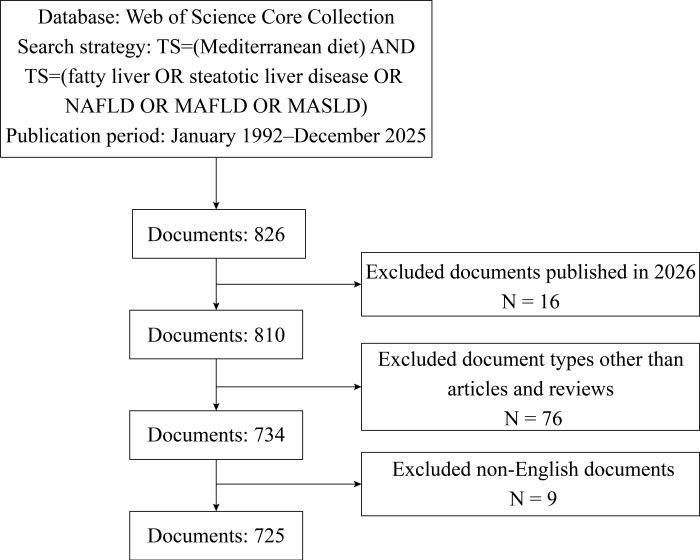
Figure 1: Search and selection process. Flow diagram showing the literature search and selection process. Please click here to view a larger version of this figure.
結果
Descriptive statistics generation and interpretation
A total of 725 publications published between January 1992 and December 2025 were identified from the WoSCC on February 2, 2026. These publications were published in 280 journals and authored by 4,028 authors from 1,313 institutions in 69 countries. These publications cited a total of 39,145 references from 5,360 journals. Figure 2 shows the trend in annual publications in the field of “MedDiet and fatty liver” from 1992 – 2025. Overall, the number of publications in this field increased. Between 1992 and 2013, the annual number of publications was fewer than 10, and growth in publication output was relatively slow. From 2014 onward, annual publication output increased markedly overall, although some year-to-year fluctuations were observed in the most recent years.
Distribution and cooperation of countries/regions and institutions
As shown in Figure 3 and Table 1, the geographic distribution of publications was analyzed according to the corresponding author’s country. Among the 725 included publications, Italy ranked first with 176 publications, followed by Spain (101), the United States (83), China (63), and Australia (39). Among these five countries, China had the lowest proportion of multiple-country publications (11.1%).
Table 2 presents the ten most productive research institutions. The University of Navarra (Spain) ranked first with 71 publications, followed by Harvard University (USA) with 66 and the Centro de Investigación Biomédica en Red (CIBER, Spain) with 62. Seven of the ten most productive institutions were based in Spain. The United States, Italy, and Australia each had one institution among the top ten. Although China ranked fourth in the corresponding-author country analysis, no Chinese institution was represented among the ten most productive institutions.
Figure 4 illustrates the country- and institution-level co-authorship networks generated using VOSviewer. At the country level, Italy, Spain, and the United States were prominently represented in the collaboration network and showed multiple collaborative links with other countries. At the institutional level, several Spanish institutions, including the University of Navarra and Instituto de Salud Carlos III (ISCIII), were prominently represented in the network. Harvard University, the University of Naples Federico II, and the University of Sydney also showed multiple inter-institutional collaborative links.
Journal analysis
Among the 280 journals that published the 725 included publications, the top ten most productive journals are shown in Table 3. Nutrients ranked first with 141 publications (JIF = 5.0), making it the most productive journal in this field. The top ten journals were predominantly in nutrition, with some representation from molecular biology and gastroenterology, reflecting the multidisciplinary nature of the research. However, relatively few studies were published in high-impact clinical or hepatology journals.
Table 4 presents the ten most frequently cited journals. Nutrients ranked first with 2,585 citations. Hepatology, Journal of Hepatology, and Gastroenterology were among the most frequently cited sources. This pattern shows that publication output was concentrated mainly in nutrition journals, whereas frequently cited sources included major hepatology journals.
Figure 5 presents the journal dual-map overlay. Citing journals (left) were primarily focused on Medicine/Medical/Clinical and Molecular/Biology/Immunology, whereas cited journals (right) were widely distributed across Molecular/Biology/Genetics, Health/Nursing/Medicine, and Environmental/Toxicology/Nutrition. This pattern reflects knowledge flow among clinical research, basic biology, and nutrition-related disciplines.
Reference analysis
Table 5 lists the top 10 most globally cited documents. The most cited work is Romero-Gómez et al.15, a comprehensive review on the lifestyle management of NAFLD, with 1,013 total citations. This highlights the emphasis placed in this field on non-pharmacological, multimodal interventions. In comparison, the second most-cited study is the randomized controlled trial conducted by Ryan et al.16, cited 591 times. This study provided empirical evidence regarding the effectiveness of the MedDiet in improving hepatic fat accumulation and insulin resistance. Notably, nearly all top-cited papers use the term NAFLD. The consensus documents proposing MAFLD (2020) and MASLD (2023) have not yet entered this list.
To further explore knowledge connections, a reference co-citation network was constructed (Figure 6), which formed three main clusters. The red cluster, the largest and most densely connected, centers on the clinical intervention module, with Ryan et al.16 as its core node. The green cluster comprises clinical guidelines and reviews. Its core node is the 2018 American Association for the Study of Liver Diseases (AASLD) practice guideline17. The blue cluster encompasses clinical practice, with Properzi et al.18 as its central node. Collectively, these clusters primarily integrate evidence from clinical practice, guidelines, and reviews, aiming to elucidate how the MedDiet influences fatty liver disease.
Keyword and topic analysis
Keyword co-occurrence network analysis
A keyword co-occurrence network (frequency ≥ 5) was constructed using VOSviewer (Figure 7A), with node size representing frequency, colors indicating clusters, and lines denoting co-occurrence. The network centers on “MedDiet” and “NAFLD,” forming six clusters encompassing disease ontology, intervention strategies, and pathological mechanisms. The blue cluster (NAFLD, MAFLD, MASLD, nutrition, and treatment) focuses on the disease itself, its nomenclature, and clinical interventions. The yellow cluster (MedDiet, Western diet, ketogenic diet, and systematic reviews) highlights dietary patterns and evidence synthesis. The red cluster (metabolic syndrome, obesity, cardiovascular disease, inflammation, and olive oil) covers metabolic comorbidities and inflammatory pathways. The pink cluster (intestinal microbiota, gut-liver axis, and probiotics) represents emerging mechanisms. The purple cluster (insulin resistance, hepatic steatosis, fatty acids, cardiovascular risk, and dietary patterns) explores the core pathological drivers and their associated mechanisms with lipid metabolism disorders and cardiovascular risk. The green cluster (diet, fibrosis, steatosis, NASH, weight loss, and lifestyle intervention) covers disease progression and lifestyle management.
By overlaying the time dimension from 2019 – 2023, the keyword clustering map (Figure 7B) illustrates the dynamic evolution of research hotspots: from disease cognition (dark blue/green) to intervention verification (yellow-green), and finally to concept updates and frontier expansion (yellow). Recent frontiers (2022–2023) include nomenclature updates (MAFLD, MASLD) and emerging targets such as gut microbiota and probiotics, reflecting a shift toward metabolic-associated definitions and emerging intervention targets.
Thematic evolution map analysis
The thematic evolution map illustrates changes in the research landscape across three analytical periods from 1992 – 2025 (Figure 8). In the first analytical period (1992–2004), the available publications, all published between 1992 and 2002, focused primarily on individual nutrients such as fatty acids and olive oil, laying the foundation for subsequent research on dietary patterns. During 2005–2015, NAFLD emerged as a core theme, alongside increasing attention to metabolic syndrome, liver fat, cardiovascular risk, and nutritional interventions. During 2016–2025, the thematic landscape expanded to include MASLD, dietary patterns, and lifestyle interventions, reflecting the increasing emphasis on metabolic dysfunction associated with the emergence of the MASLD framework and a broader shift toward comprehensive lifestyle management.
Phased thematic map analysis
The phased thematic map (Supplementary File 2) shows the evolution of core themes across three periods, plotted by centrality (horizontal axis) and density (vertical axis). From 1992 – 2004, olive oil and the MedDiet formed the earliest knowledge core, centered on single-nutrient exploration. Between 2005 and 2015, NAFLD and MedDiet occupied the upper-right quadrant as the largest cluster. With the emergence of themes such as metabolic syndrome and cardiovascular risk, the research focus deepened from individual nutritional components to holistic intervention strategies centered on the MedDiet. From 2016 – 2025, the traditional core shifted to the lower-right quadrant, indicating a more established basic-theme position in the bibliometric structure. MASLD appeared in the same quadrant, representing the terminological evolution from NAFLD. Meanwhile, new themes such as lifestyle interventions and the gut microbiota emerged, reflecting a broader shift toward comprehensive interventions and mechanism exploration.
Trend topic analysis
The trend topic map (Figure 9) illustrates the evolution of research hotspots from 1992 – 2025. NAFLD and MedDiet emerge as the most frequent and enduring core themes, forming the foundational “metabolism-liver disease” framework together with diet, obesity, and metabolic syndrome. Transitional themes such as nonalcoholic steatohepatitis, dietary pattern, and lifestyle emerged, reflecting the field’s focus on pathological classification, clinical outcomes, and comprehensive interventions. More recent frontiers include disease nomenclature updates (MASLD, MAFLD), mechanistic exploration (gut microbiota), long-term outcomes (mortality), and evidence synthesis (meta-analysis). Together, these trends indicate a shift toward more precise and clinically oriented research.
Keyword burst analysis
Based on burst intensity and duration (Figure 10), the top five burst keywords reveal the field’s evolving research hotspots from 1992 – 2025. The bursts of insulin resistance (2011–2016) and olive oil (2014–2019) indicate that research during this period focused on the mechanisms of NAFLD and dietary components. Type 2 diabetes mellitus exhibited a brief burst from 2019 – 2020. Notably, management has emerged as the current frontier, with an ongoing burst since 2022. Interestingly, the 20-year burst period of coronary heart disease (2001–2020) underscores its sustained prominence as a key comorbidity in the field.
Keyword timeline view analysis
A keyword timeline map (Figure 11) based on CiteSpace identifies 13 core clusters spanning several temporal patterns, including early nutritional components (e.g., #2 olive oil, #3 fatty acids), intermediate disease- and metabolism-related topics (e.g., #1 NAFLD, #6 cardiovascular disease), and more recent topics (e.g., #0 liver fibrosis, #5 gut microbiota). Continuous linkages between early nutrient clusters and later disease- and mechanism-related clusters reflect the temporal continuity of research themes. The temporal distribution of these clusters indicates a gradual shift from nutrient-focused research toward disease mechanisms and metabolic comorbidities.
Sensitivity analysis
The sensitivity analysis showed that the main bibliometric patterns were broadly robust to search-term expansion, although some recent thematic clusters showed modest reconfiguration (Supplementary File 1).
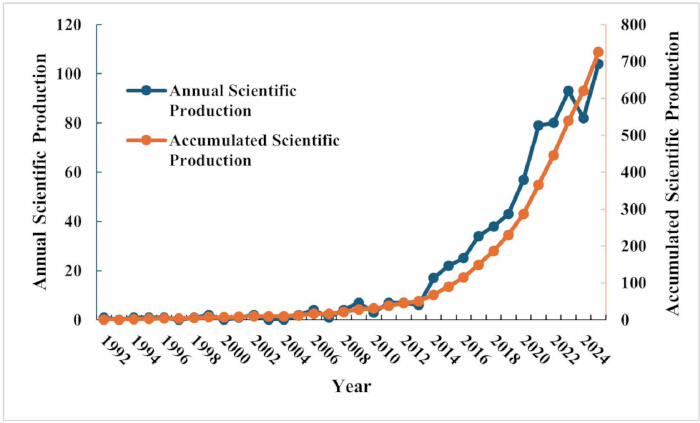
Figure 2: Annual publication trends in Mediterranean diet and fatty liver disease research. Annual number and trend of publications on the relationship between the Mediterranean diet (MedDiet) and fatty liver disease. Please click here to view a larger version of this figure.
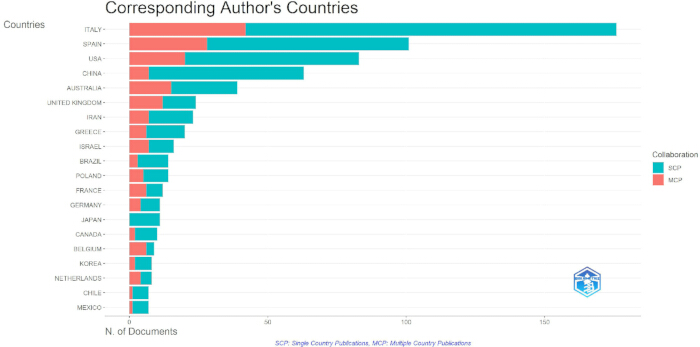
Figure 3: Country distribution and collaboration. Distribution of publications according to the corresponding author’s country and patterns of international collaboration. Please click here to view a larger version of this figure.
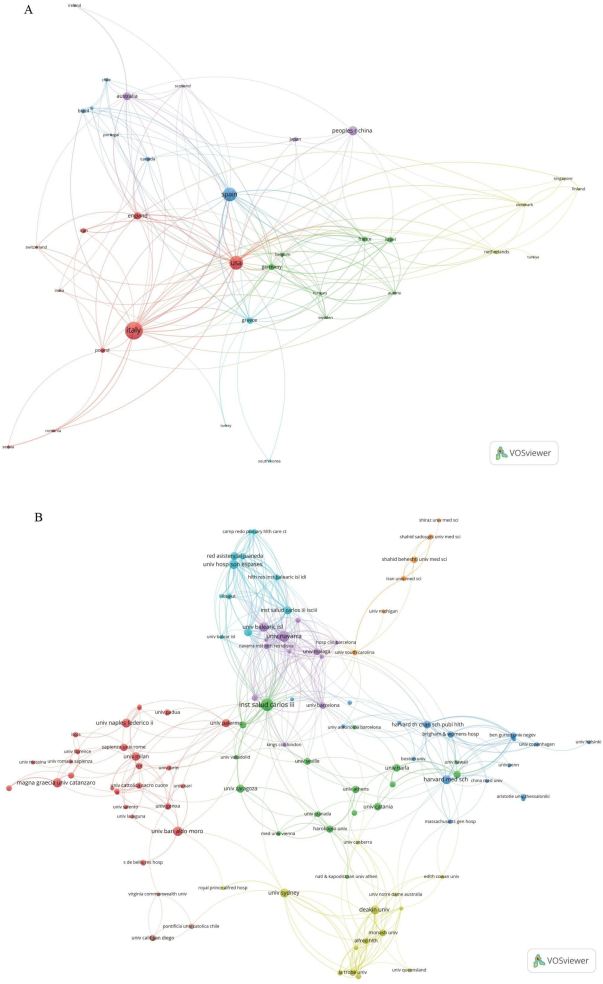
Figure 4: Country- and institution-level collaboration networks. Collaboration network map of countries/regions and institutions involved in Mediterranean diet and fatty liver disease research from 1992 – 2025. (A) Collaboration network between countries. (B) Collaboration network between institutions. Please click here to view a larger version of this figure.
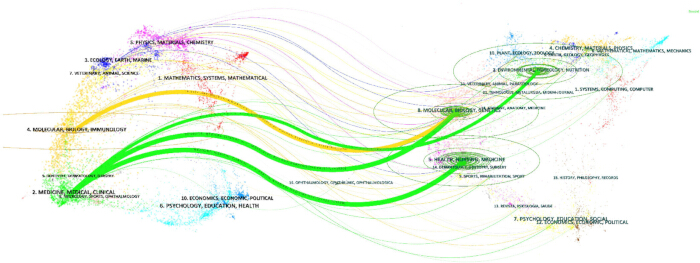
Figure 5: Dual-map overlay of journals. Dual-map overlay of journals in MedDiet and fatty liver disease research. The left side represents citing journals, and the right side represents cited journals. A larger horizontal ellipse diameter indicates a greater number of publications associated with that journal. Please click here to view a larger version of this figure.
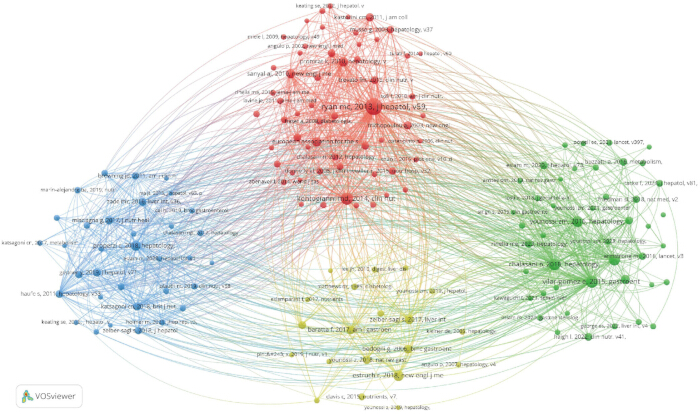
Figure 6: Reference co-citation network. Co-cited references related to the association between MedDiet and fatty liver disease. Please click here to view a larger version of this figure.
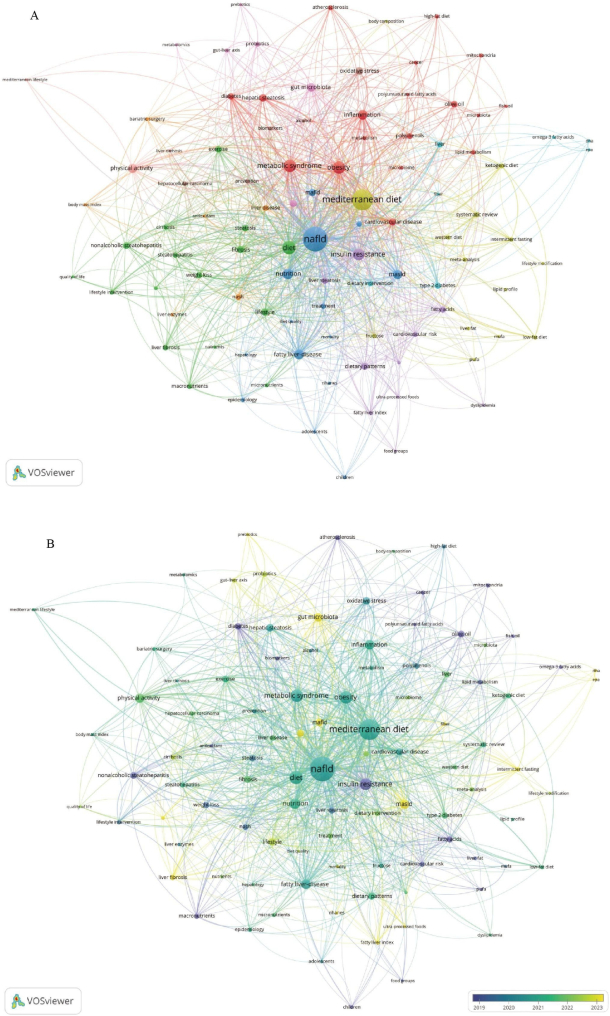
Figure 7: Keyword co-occurrence network. Keyword co-occurrence map of literature on the relationship between MedDiet and fatty liver disease. (A) Keyword co-occurrence map. (B) Keyword co-occurrence map with temporal overlay. Please click here to view a larger version of this figure.
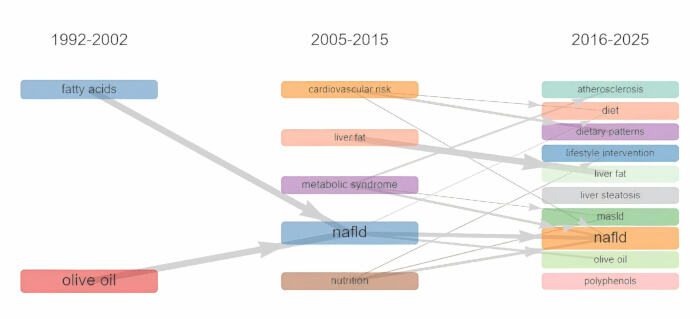
Figure 8: Thematic evolution of MedDiet and fatty liver disease research. Thematic evolution map showing changes in research themes across analytical periods. Nodes represent core research themes, and arrows indicate thematic evolution and continuity across periods. The first analytical period was defined as 1992–2004; however, no eligible publications were identified in 2003–2004. Therefore, the themes visualized for this period were derived from publications from 1992 – 2002. Please click here to view a larger version of this figure.
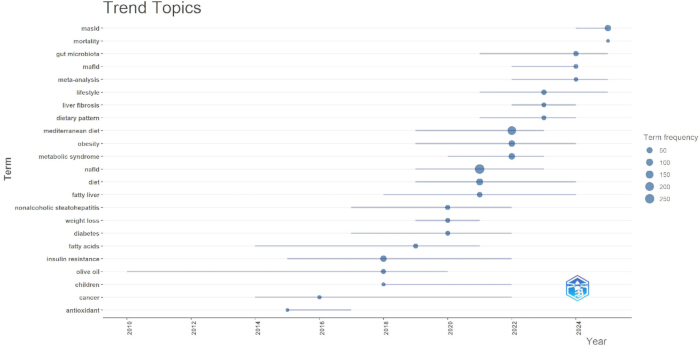
Figure 9: Trend topics in MedDiet and fatty liver disease research. Trend topic map showing the evolution of research topics related to MedDiet and fatty liver disease. Please click here to view a larger version of this figure.
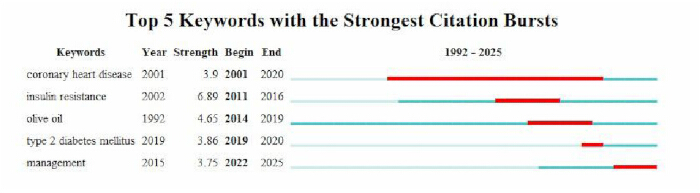
Figure 10: Keyword burst detection. Burst detection map showing keywords with periods of increased research attention. Please click here to view a larger version of this figure.
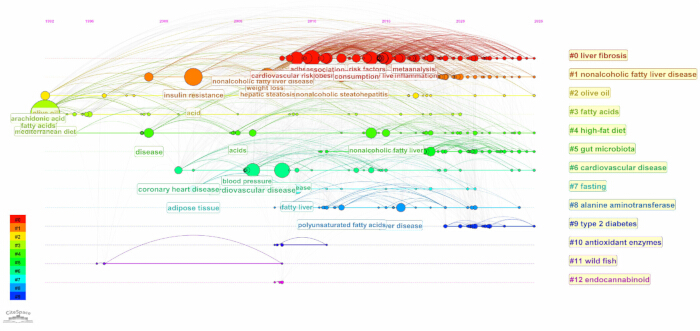
Figure 11: Keyword timeline map. Keyword timeline map generated using CiteSpace. The horizontal axis represents year, the vertical axis represents clusters, node size indicates keyword frequency, and links represent co-occurrence relationships. Please click here to view a larger version of this figure.
| Country | Publications (n) | Publications (%) | SCP (n) | MCP (n) | MCP (%) |
| Italy | 176 | 24.3 | 134 | 42 | 23.9 |
| Spain | 101 | 13.9 | 73 | 28 | 27.7 |
| United States | 83 | 11.4 | 63 | 20 | 24.1 |
| China | 63 | 8.7 | 56 | 7 | 11.1 |
| Australia | 39 | 5.4 | 24 | 15 | 38.5 |
| United Kingdom | 24 | 3.3 | 12 | 12 | 50 |
| Iran | 23 | 3.2 | 16 | 7 | 30.4 |
| Greece | 20 | 2.8 | 14 | 6 | 30 |
| Israel | 16 | 2.2 | 9 | 7 | 43.8 |
| Brazil | 14 | 1.9 | 11 | 3 | 21.4 |
Table 1: Most productive countries in MedDiet–fatty liver disease research. Publication output by the corresponding-author country.
| Affiliation | Publications (n) |
| University of Navarra | 71 |
| Harvard University | 66 |
| Centro de Investigacion Biomedica en Red (CIBER) | 62 |
| University of Naples Federico II | 46 |
| Consejo Superior de Investigaciones Cientificas (CSIC) | 44 |
| CIBER de Fisiopatología de la Obesidad y Nutrición (CIBEROBN) | 42 |
| Instituto de Salud Carlos III (ISCIII) | 38 |
| University of Barcelona | 38 |
| University of Sydney | 38 |
| University of Zaragoza | 37 |
Table 2: Most productive research affiliations. Publication output of the leading institutions in MedDiet–fatty liver disease research.
| Source | Publications (n) | JIF | H-index | JCR |
| Nutrients | 141 | 5 | 26 | Q1 |
| Frontiers in Nutrition | 24 | 5.1 | 19 | Q2 |
| International Journal of Molecular Sciences | 16 | 4.9 | 39 | Q1 |
| Antioxidants | 13 | 6.6 | 26 | Q1 |
| World Journal of Gastroenterology | 13 | 5.4 | 12 | Q2 |
| European Journal of Nutrition | 11 | 4.3 | 7 | Q2 |
| Journal of Clinical Medicine | 10 | 2.9 | 23 | Q2 |
| Clinical Nutrition | 9 | 7.4 | 12 | Q1 |
| Liver International | 9 | 5.2 | 16 | Q1 |
| British Journal of Nutrition | 8 | 3 | 8 | Q3 |
Table 3: Journals with the highest publication output. Top 10 journals ranked by number of publications.
| Source | Citations (n) | JIF | H-index | JCR |
| Nutrients | 2,585 | 5 | 26 | Q1 |
| Hepatology | 2,517 | 17 | 29 | Q1 |
| Journal of Hepatology | 2,337 | 33 | 31 | Q1 |
| Gastroenterology | 1,211 | 26 | 23 | Q1 |
| American Journal of Clinical Nutrition | 1,199 | 6.9 | 12 | Q1 |
| World Journal of Gastroenterology | 830 | 5.4 | 12 | Q2 |
| PLOS ONE | 779 | 2.6 | 21 | Q2 |
| New England Journal of Medicine | 773 | 78 | 66 | Q1 |
| Diabetes Care | 703 | 17 | 24 | Q1 |
| Clinical Nutrition | 668 | 7.4 | 12 | Q1 |
Table 4: Most frequently cited journals. Top 10 journals ranked by citation frequency.
| Paper | DOI | Total Citations | TC per Year |
| ROMERO-GÓMEZ M, 2017, J HEPATOL | 10.1016/J.JHEP.2017.05.016 | 1013 | 101.30 |
| RYAN MC, 2013, J HEPATOL | 10.1016/j.jhep.2013.02.012 | 591 | 42.21 |
| BALK EM, 2006, ATHEROSCLEROSIS | 10.1016/j.atherosclerosis.2006.02.012 | 575 | 27.38 |
| GODOY-MATOS AF, 2020, DIABETOL METAB SYNDR | 10.1186/s13098-020-00570-y | 473 | 67.57 |
| KERR J, 2017, LANCET ONCOL | 10.1016/S1470-2045(17)30411-4 | 468 | 46.80 |
| KITADE H, 2017, NUTRIENTS | 10.3390/nu9040387 | 388 | 38.80 |
| YOUNOSSI ZM, 2021, GASTROENTEROLOGY | 10.1053/j.gastro.2020.11.051 | 383 | 63.83 |
| ALEKSANDROVA K, 2021, REDOX BIOL | 10.1016/j.redox.2021.101869 | 344 | 57.33 |
| GARCÍA-MONTERO C, 2021, NUTRIENTS | 10.3390/nu13020699 | 312 | 52.00 |
| ZIVKOVIC AM, 2007, AM J CLIN NUTR | 10.1093/ajcn/86.2.285 | 307 | 15.35 |
Table 5: Most globally cited documents. Top 10 documents ranked by global citation count.
DATA AVAILABILITY:
The raw bibliometric dataset used for the primary analyses is provided with this submission as Supplementary File 3.
Supplementary File 1: Sensitivity analysis using an expanded search strategy. Expanded Web of Science search strategy and comparative bibliometric results for the original and expanded searches. The file includes comparisons of annual publication output, country and institutional publication output, journal rankings, frequently occurring terms, thematic evolution, relevant words, and keyword co-occurrence patterns.Please click here to download this file.
Supplementary File 2: Phased thematic maps of Mediterranean diet and fatty liver disease research. Thematic maps showing the distribution of research themes according to centrality and density across the three analytical periods used in the study.Please click here to download this file.
Supplementary File 3: Raw bibliometric dataset. Web of Science Core Collection bibliographic records were used for the primary bibliometric analyses.Please click here to download this file.
ディスカッション
A comprehensive bibliometric analysis of 725 publications on the MedDiet and fatty liver disease, published between 1992 and 2025, was conducted. The annual publication trend showed that publication output began to increase around 2014, with more rapid growth after 2020, reflecting increasing research interest in the relationship between the MedDiet and fatty liver disease. Over the study period, the terminology for fatty liver disease also evolved, including the introduction of MAFLD in 2020.
The geographic and institutional distribution of publications highlights the prominent contribution of Italy and Spain, both Mediterranean countries, to this research field. The strong representation of Spanish organizations among the most productive institutions indicates a relatively high concentration of publication output among Spanish research institutions. In contrast, although China ranked fourth in corresponding-author publication output, no Chinese institution appeared among the ten most productive institutions, suggesting that country-level productivity does not necessarily correspond to the presence of highly productive individual institutions. The collaboration analysis further showed that Italy, Spain, and the United States were prominently represented in international co-authorship networks, while collaboration patterns varied among the leading publication-producing countries. For example, the contrast between China’s relatively high publication output and its lower proportion of multiple-country publications illustrates that publication productivity and international collaboration represent distinct bibliometric dimensions.
The research findings reveal a distinct duality in journal publishing. Nutrition journals, exemplified by Nutrients, occupy a dominant position within the publishing landscape, while hepatology journals such as Hepatology and the Journal of Hepatology constitute the core of the cited literature. This finding indicates that, although new research findings in this interdisciplinary field are primarily disseminated through nutrition journals, highly cited literature is strongly represented by traditional hepatology research. The dual-map overlay further illustrates the direction of knowledge flow, which extends from clinical medicine and molecular biology to basic genetics, health sciences, and environmental nutrition.
The most-cited publication is Romero-Gómez et al.15, published in the Journal of Hepatology. The review emphasizes that lifestyle interventions, including weight loss, MedDiet, and increased physical activity, are the cornerstones of NAFLD treatment. Furthermore, following the MedDiet can reduce liver fat even without weight loss, supporting its role as an important dietary approach in NAFLD management. The second most cited is Ryan et al.16, a randomized cross-over intervention trial that provided pivotal evidence for the efficacy of the MedDiet in improving hepatic steatosis and insulin resistance. Although Romero-Gómez's research is highly cited globally, Ryan et al.'s study remains a key empirical contribution in the specific field of Mediterranean diet and fatty liver disease, as reflected in the co-citation network16. Romero-Gómez broadly advocates for holistic lifestyle changes, whereas Ryan specifically validates the Mediterranean diet as a key component of this strategy. This contrast highlights the field's dual focus namely, general lifestyle management versus targeted dietary interventions. This also aligns with the trend detection results, which indicate that since 2022, the keyword “management” has emerged consistently, reflecting a shift toward comprehensive, patient-centered care.
Analysis of highly cited literature reveals that the vast majority of the 10 most frequently cited publications in this field utilize the traditional term “NAFLD”; however, the consensus documents proposing MAFLD (2020) and MASLD (2023) have not yet entered the top ten most-cited list. Temporally, the newer terminology has a shorter publication history, and its citation impact will take time to accumulate. In terms of knowledge inheritance, despite the evolution from the traditional NAFLD terminology through the proposed MAFLD framework to the current MASLD nomenclature, the empirical foundation of this field remains rooted in the accumulated body of research on NAFLD. The new terms do not replace prior academic knowledge; instead, MASLD builds on and advances the research foundation established during the NAFLD era.
Trend topic analysis illustrates the evolution of fatty liver disease terminology in the literature, with NAFLD (median year 2021), followed by MAFLD (2024), and MASLD (2025). This temporal pattern is consistent with the chronological introduction of MAFLD in 2020 and MASLD in 2023. MASLD appeared 68 times in the dataset within two years of its introduction, reflecting its increasing use in recent publications. In the 2023 nomenclature consensus, the corresponding term for NASH was also changed to MASH. However, MASH did not emerge as a prominent term in the current bibliometric analysis; therefore, the specific NASH-to-MASH transition could not be characterized in the same way. This finding was also supported by the expanded-search sensitivity analysis (Supplementary File 1).
The temporal overlay of the keyword co-occurrence network is consistent with this temporal sequence. In the keyword co-occurrence network diagram, MASLD, MAFLD, and NAFLD are clustered in blue, and all three are directly connected, indicating the coexistence and co-occurrence of new and old terms in the literature, which reflects the academic characteristics of the terminology transition period. In the temporal overlay, the node color and time form a clear mapping: NAFLD appears blue due to an earlier average year, while MAFLD and MASLD appear yellow due to a later average year, and the color gradient visually illustrates the process of the term's evolution.
The phased thematic map reveals shifts in the bibliometric positioning of major concepts over time. The shift of NAFLD from the upper-right quadrant (motor themes) in 2005–2015 to the lower-right quadrant (basic themes) in 2016–2025 indicates that NAFLD became a more established theme within the field's knowledge structure. Meanwhile, MASLD first appeared in the lower-right quadrant during the 2016–2025 period, indicating its emergence as a core theme in the field's bibliometric structure. However, given its recent introduction, this finding does not necessarily indicate widespread clinical or scientific acceptance. The influence of the new terminology is still evolving as it becomes increasingly integrated into research agendas. In this phase, the second quadrant encompasses outcomes-focused topics such as type 2 diabetes and mortality, as well as emerging niche directions, including the gut microbiota and probiotics. This pattern is consistent with the conceptual shift advocated by the new MASLD definition, which represents a transition from a liver-centric to a patient-centric perspective and from surrogate endpoints to clinical outcomes.
Integration of keyword burst analysis, keyword co-occurrence analysis, and trend topic analysis identified three core research hotspots in MedDiet and fatty liver research. In the keyword co-occurrence network, the green cluster (fibrosis, steatosis, steatohepatitis, nonalcoholic steatohepatitis, liver fibrosis) and the purple cluster (insulin resistance, liver steatosis, fatty acids, cardiovascular risk) together constitute the core module for studying the mechanisms of fatty liver disease. The keyword timeline map shows that liver fibrosis and NAFLD are core clusters, reflecting the foundational role of research on the pathological mechanisms of fatty liver. Hepatic steatosis is considered the first step in the pathophysiological process of fatty liver19. Studies have shown that the MedDiet can effectively reduce hepatic fat accumulation, and its underlying mechanisms operate at multiple levels20,21. First, the MedDiet is rich in monounsaturated fatty acids (MUFA) and omega-3 polyunsaturated fatty acids (ω-3 PUFAs), which can promote fatty acid oxidation, reduce liver triglyceride synthesis, and decrease lipid accumulation in liver cells by activating peroxisome proliferator-activated receptor α (PPARα)22,23,24. In addition, the high fiber content of the MedDiet may promote short-chain fatty acid (SCFA) production25. SCFAs are major metabolites produced through microbiota fermentation of dietary fiber. Among them, butyrate, a major SCFA in the gut, can inhibit lipogenesis by suppressing the activation of carbohydrate-responsive element-binding protein (ChREBP) and sterol regulatory element-binding transcription factor 1 (SREBP-1)26. In addition, as an AMPK activator, butyrate can inhibit lipogenic gene expression by reducing SREBP-1c activity via the AMPK pathway27.
Progressive liver fibrosis is an important determinant of disease severity in MASLD and may occur in patients with metabolic dysfunction-associated steatohepatitis (MASH; formerly NASH), with advanced fibrosis potentially progressing to cirrhosis. Liver fibrosis is characterized by excessive deposition of scar tissue caused by abnormal activation of hepatic stellate cells (HSCs) following chronic liver injury. The core inducing factors are chronic low-grade liver inflammation and oxidative stress caused by long-term metabolic disorders28. The presence of “fibrosis” and “liver fibrosis” in the green clusters reflects the high level of concern in this field regarding disease progression. MedDiet may inhibit liver fibrosis through multiple pathways. First, the MedDiet may promote the production of SCFAs by modulating the gut microbiota29. Experimental studies further suggest that sodium butyrate, a representative SCFA, can attenuate liver fibrosis by inhibiting hepatic stellate cell activation through the miR-155-5p/SOCS1/PDGF signaling pathway30. In addition, polyphenolic substances in the MedDiet, such as hydroxytyrosol in extra virgin olive oil, can effectively inhibit the activation of hepatic stellate cells and may exert antifibrotic effects31,32. However, the evidence described above is currently derived primarily from in vivo or in vitro experimental studies. A study using NHANES data reported that participants, retrospectively classified as having MASLD according to contemporary criteria, and those with higher adherence to the MedDiet had a lower risk of liver fibrosis33.
The terms “gut microbiota,” “gut-liver axis,” and “probiotics” that appear in the pink cluster represent active emerging research directions in the field of fatty liver disease mechanism research. The gut-liver axis refers to bidirectional communication between the gut microbiota and the liver, playing a pivotal role in the pathophysiology of fatty liver disease34. During the progression of fatty liver disease, increased intestinal permeability leads to the translocation of bacterial metabolites into the portal venous circulation, thereby exposing the liver to pro-inflammatory substances, stimulating hepatic inflammatory responses, and promoting the development of fibrosis35. In the MedDiet, a high intake of dietary fiber and polyphenol-rich foods can promote the growth of beneficial microbial species, enhance the production of short-chain fatty acids (SCFAs), maintain the integrity of the intestinal barrier, and reduce liver inflammation29,36. Furthermore, SCFAs enter the liver via the portal vein and can regulate PPARγ-mediated glucose and lipid homeostasis by activating G protein-coupled receptor 43 (GPR43) and inhibiting histone deacetylase (HDAC) activity within hepatocytes34.
The appearance of alanine aminotransferase (ALT) in the Keyword Timeline Map reflects continued interest in liver enzymes as clinical biomarkers in NAFLD research. ALT has historically been used as a biochemical marker of hepatocellular injury in the clinical assessment of NAFLD37,38. A recent systematic review and meta-analysis of randomized controlled trials showed that MedDiet interventions significantly reduced ALT levels in patients with MASLD39. This effect may be related to improved insulin sensitivity and reduced oxidative stress and inflammatory responses, thereby alleviating hepatocellular injury. However, ALT is a nonspecific marker and does not directly reflect the severity of hepatic steatosis or fibrosis. Current guidelines recommend FIB-4 as an initial non-invasive risk stratification tool. For patients at moderate or high risk of progressive disease, secondary risk assessment using techniques such as elastography is recommended40,41. In the keyword co-occurrence network, the red cluster (metabolic syndrome, obesity, cardiovascular disease, inflammation) and the yellow cluster (systematic review, meta-analysis) together constitute the core module of comorbidity management research. In the analysis of emerging terms, the nearly 20-year burst period of coronary heart disease (2001–2020) and the brief burst of type 2 diabetes mellitus (2019–2020) together confirm the significant attention paid to cardiovascular disease and type 2 diabetes as core comorbidities of fatty liver.
Fatty liver disease is closely associated with systemic metabolic dysfunction and an increased risk of atherosclerotic cardiovascular disease (ASCVD), with insulin resistance, oxidative stress, and systemic inflammation representing important shared mechanisms. The MedDiet is widely recognized as an important dietary strategy for cardiovascular disease prevention and cardiovascular risk reduction5. A PREDIMED randomized trial showed that a MedDiet supplemented with extra-virgin olive oil or nuts improved several cardiovascular risk factors, including blood pressure, lipid profiles, insulin resistance, and inflammatory markers, compared with a low-fat diet42. In addition, the MedDiet has shown significant effects in reducing the risk of both fatal and non-fatal cardiovascular diseases43,44. The phenolic compounds and other antioxidants abundant in the MedDiet, particularly those found in fruits, vegetables, nuts, legumes, and olive oil, have anti-inflammatory properties, and existing evidence suggests that these components may contribute to the cardiovascular benefits of the MedDiet45,46. Higher dietary fiber intake is also associated with lower blood pressure levels and a reduced risk of CVD45. Type 2 diabetes is one of the most common comorbidities in patients with fatty liver disease, and the two conditions are closely interrelated. Numerous studies have shown that the MedDiet helps diabetic patients improve glycemic control and insulin sensitivity and reduce HbA1c levels47,48,49. The MedDiet improves endothelial function, reduces oxidative stress, enhances insulin sensitivity, and regulates metabolism through the synergistic effects of polyphenols, dietary fiber, and anti-inflammatory components50.
The systematic review and meta-analysis in the yellow cluster, as well as the sustained burst of the keyword “management” in the burst analysis (2022–2025), reflect the shift in this field toward clinical translation and evidence-based medicine. Several meta-analyses published in recent years have systematically integrated clinical evidence on the MedDiet intervention for fatty liver, providing evidence to inform the development of clinical guidelines20,51,52. This management-oriented trend also coincides with recent advances in pharmacological treatment for MASLD and MASH, including the GLP-1 receptor agonist semaglutide and the liver-directed agent resmetirom53,54. These developments broaden the management focus to include lifestyle, nutritional, and pharmacological approaches40.
In the keyword co-occurrence network, the pink (gut microbiota, gut-liver axis, probiotics), purple (insulin resistance, fatty acids), and red (inflammation, olive oil) clusters together form the core module for studying the mechanisms of dietary components. The Mediterranean dietary pattern is rich in nuts, fruits, vegetables, legumes, whole-grain bread, fish, and olive oil46. Olive oil, a major source of fat in the MedDiet, is rich in monounsaturated fatty acids and bioactive polyphenols such as hydroxytyrosol, oleuropein, and oleocanthal. These can improve endothelial function, reduce oxidative stress50,55, and have anti-inflammatory effects56. Studies have shown that these effects are associated with decreased levels or activity of platelet-activating factor (PAF), and decreased PAF is associated with fatty liver inflammation and liver disease, revealing a potential new mechanism linking diet and disease19,57,58.
The whole grains, legumes, and vegetables in the MedDiet provide abundant fiber. Fiber can reduce serum insulin concentration by slowing gastric emptying and reducing glucose absorption; at the same time, increased satiety may facilitate weight maintenance or weight loss, thereby synergistically supporting glycemic control50,59. The SCFAs produced by the fermentation of fiber in the large intestine can improve intestinal barrier function and regulate key metabolic pathways associated with obesity, insulin resistance, and type 2 diabetes, significantly impacting human health36. Omega-3 fatty acids, including EPA, DHA from fish, and ALA from plant foods such as nuts, are fundamental components of the human diet, and dietary supplementation of these fatty acids has been reported to improve hepatic steatosis60,61. The intake of these fatty acids is negatively correlated with circulating inflammatory markers and triglyceride concentrations, and they may exert their anti-inflammatory effects by binding to G protein-coupled receptor 120 and inhibiting NLRP3 inflammasome activity62.
Vitamins C, D, and E have also been investigated in relation to metabolic and liver health. In particular, vitamins C and E have been evaluated in patients with NASH, with previous clinical evidence suggesting potential beneficial effects on liver fibrosis63. In addition, vitamin E also has anti-atherosclerotic and anti-inflammatory properties and can scavenge reactive oxygen species and reactive nitrogen species. Animal experiments have suggested that it can reduce fatty degeneration, inflammation, and liver fibrosis64. Vitamin D may improve insulin resistance, reduce inflammation in adipose tissue and liver, and inhibit liver fibrosis by interacting with its nuclear receptor65. These nutrients do not work in isolation but rather through complex biological interactions, and their effects do not originate from a single food category. These interactions support considering the MedDiet as a holistic dietary pattern rather than attributing its effects to any single nutrient or supplement.
Several limitations should be considered. First, the search strategy restricted document types to articles and reviews and limited the language to English; this may have excluded relevant conference abstracts, case reports, and non-English publications. Consequently, the results may be subject to language bias, and emerging research findings disseminated through non-traditional channels might have been overlooked. Second, the analysis relied exclusively on the WoSCC. Although WoSCC is widely used in bibliometric research, differences in journal coverage across databases such as Scopus and PubMed may result in underrepresentation of some nutrition and regional journals, which could affect estimates of publication output and geographic distribution. Third, bibliometric indicators such as citation counts are time-dependent. Recently published papers, particularly those introducing the MASLD nomenclature, have not yet accumulated enough citations and may therefore be underestimated in terms of impact. In addition, alternative parameter choices may lead to minor differences in the presentation of the visualization results. Finally, although the search was conducted on February 2, 2026, publication counts for the most recent years may have been affected by indexing delays in WoSCC. Therefore, the year-to-year fluctuations observed at the end of the study period should be interpreted cautiously and may not necessarily reflect actual changes in research activity. Despite these limitations, the analysis provides a systematic and reproducible overview of the field and may help inform future research under the MASLD framework.
Bibliometric mapping provides a quantitative overview of publication patterns, collaboration networks, citation relationships, and thematic evolution at the field level. In contrast, analyses based on alternative databases such as Scopus or PubMed may yield somewhat different coverage of the literature due to differences in indexing scope, journal inclusion, and metadata structure. Manual thematic review can provide greater qualitative detail regarding study design, clinical context, and mechanistic interpretation, but is less suited to large-scale visualization of collaboration and citation networks. These approaches are therefore complementary, and future evidence synthesis may benefit from combining bibliometric mapping with database triangulation and focused thematic review.
Future research under the MASLD framework should further examine how the new terminology influences research priorities, clinical outcomes, and knowledge structure as the literature continues to expand. Particular priorities include validation of MedDiet-related findings in contemporary MASLD populations, clarification of gut microbiota and multi-target metabolic mechanisms, greater integration of lifestyle and pharmacological management, and evaluation of clinically relevant outcomes beyond surrogate biomarkers. Longer follow-up and broader database coverage may also help determine whether the emerging MASLD-focused themes identified in the current bibliometric landscape become sustained research directions.
開示事項
The authors declare that they have no competing financial interests or personal affiliations that could be perceived as influencing the work described in this manuscript.
Author Contribution:
Yan Ding contributed to writing the original draft; Qiongzhu Liu contributed to review and editing; Min Mao contributed to investigation and resources; Biao Feng contributed to formal analysis; and Yucun Huang contributed to supervision.
材料
| 名前 | 会社 | カタログ番号 | コメント |
|---|---|---|---|
| Bibliometrix | CRAN / bibliometrix | Version 5.0; RRID: SCR_023744 | Used for bibliometric data processing, descriptive analysis, thematic evolution analysis, and thematic map visualization. |
| CiteSpace | Chaomei Chen / Drexel University | Version 6.4.R1; RRID: SCR_025121 | Used for keyword timeline analysis and keyword burst detection. |
| Microsoft Excel | Microsoft Corporation | Excel 2019; RRID: SCR_016137 | Used to generate the annual publication trend chart. |
| R Project for Statistical Computing | R Foundation for Statistical Computing | Version 4.5.1; RRID: SCR_001905 | Statistical computing environment used to run bibliometrix and perform bibliometric analyses. |
| RStudio | Posit Software, PBC | Version 2025.09.1+401; RRID: SCR_000432 | Integrated development environment used for R-based bibliometric analysis. |
| VOSviewer | Centre for Science and Technology Studies, Leiden University | Version 1.6.20; RRID: SCR_023516 | Used for co-authorship, co-citation, and keyword co-occurrence analyses. |
| Web of Science Core Collection | Clarivate | Accessed February 2, 2026; RRID: SCR_022706 | Bibliographic database used to retrieve publications included in the analysis. |
参考文献
- Lim GEH, et al. An observational data meta-analysis on the differences in prevalence and risk factors between MAFLD vs NAFLD. Clin Gastroenterol Hepatol. 2023;21(3):619–629.e7. doi: 10.1016/j.cgh.2021.11.038.
- Huang DQ, El-Serag HB, Loomba R. Global epidemiology of NAFLD-related HCC: trends, predictions, risk factors and prevention. Nat Rev Gastroenterol Hepatol. 2021;18(4):223–238. doi: 10.1038/s41575-020-00381-6.
- Jin Q, Yang R, Fan J. Does nonalcoholic fatty liver disease predispose patients to carotid arteriosclerosis and ischemic stroke? Clin Mol Hepatol. 2022;28(3):473–477. doi: 10.3350/cmh.2022.0155.
- Al Rifai M, et al. The association of nonalcoholic fatty liver disease, obesity, and metabolic syndrome, with systemic inflammation and subclinical atherosclerosis: the Multi-Ethnic Study of Atherosclerosis (MESA). Atherosclerosis. 2015;239(2):629–633. doi: 10.1016/j.atherosclerosis.2015.02.011.
- Liweleya S, et al. Mediterranean diet as a therapeutic strategy for hypertension and cardiovascular health. Int J Hypertens. 2025;2025(1):2369674.
- Yan Y, et al. Global research dynamics in the Mediterranean diet and diabetes mellitus: a bibliometric study from 2014 to 2024. Front Nutr. 2024;11:1480856.
- Eslam M, et al. A new definition for metabolic dysfunction-associated fatty liver disease: an international expert consensus statement. J Hepatol. 2020;73(1):202–209. doi: 10.1016/j.jhep.2020.03.039.
- Rinella ME, et al. A multisociety Delphi consensus statement on new fatty liver disease nomenclature. Hepatology. 2023;78(6):1966–1986. doi: 10.1097/HEP.0000000000000520.
- Pritchard A. Statistical bibliography or bibliometrics. J Doc. 1969;25(4):348–349. No DOI verified. An online bibliographic/full-text record is available.
- Diem A, Wolter SC. The use of bibliometrics to measure research performance in education sciences. Res High Educ. 2013;54(1):86–114. doi: 10.1007/s11162-012-9264-5.
- Abramo G, D'Angelo CA, Viel F. The field-standardized average impact of national research systems compared to world average: the case of Italy. Scientometrics. 2011;88(2):599–615. doi: 10.1007/s11192-011-0406-x.
- Aria M, Cuccurullo C. bibliometrix: an R-tool for comprehensive science mapping analysis. J Informetr. 2017;11(4):959–975. doi: 10.1016/j.joi.2017.08.007.
- Van Eck N, Waltman L. Software survey: VOSviewer, a computer program for bibliometric mapping. Scientometrics. 2010;84(2):523–538. doi: 10.1007/s11192-009-0146-3.
- Chen C. CiteSpace II: detecting and visualizing emerging trends and transient patterns in scientific literature. J Am Soc Inf Sci Technol. 2006;57(3):359–377. doi: 10.1002/asi.20317.
- Romero-Gómez M, Zelber-Sagi S, Trenell M. Treatment of NAFLD with diet, physical activity and exercise. J Hepatol. 2017;67(4):829–846. doi: 10.1016/j.jhep.2017.05.016.
- Ryan MC, et al. The Mediterranean diet improves hepatic steatosis and insulin sensitivity in individuals with non-alcoholic fatty liver disease. J Hepatol. 2013;59(1):138–143. doi: 10.1016/j.jhep.2013.02.012.
- Chalasani N, et al. The diagnosis and management of nonalcoholic fatty liver disease: practice guidance from the American Association for the Study of Liver Diseases. Hepatology. 2018;67(1):328–357. doi: 10.1002/hep.29367.
- Properzi C, et al. Ad libitum Mediterranean and low-fat diets both significantly reduce hepatic steatosis: a randomized controlled trial. Hepatology. 2018;68(5):1741–1754. doi: 10.1002/hep.30076.
- Xiao Y, et al. Mediterranean diet affects the metabolic outcome of metabolic dysfunction-associated fatty liver disease. Front Nutr. 2023;10:1225946.
- Kawaguchi T, et al. Effects of Mediterranean diet in patients with nonalcoholic fatty liver disease: a systematic review, meta-analysis, and meta-regression analysis of randomized controlled trials. Semin Liver Dis. 2021;41(3):225–234. doi: 10.1055/s-0041-1723751.
- Gelli C, et al. Effect of a counseling-supported treatment with the Mediterranean diet and physical activity on the severity of the non-alcoholic fatty liver disease. World J Gastroenterol. 2017;23(17):3150–3162. doi: 10.3748/wjg.v23.i17.3150.
- Alowaiesh BF, et al. Exosomes combined with extra virgin olive oil reduces lipogenesis, oxidative stress, and inflammation in non-alcoholic fatty liver disease model. PLoS One. 2025;20(10):e0333698.
- Lawrence GD. Perspective: the saturated fat–unsaturated oil dilemma: relations of dietary fatty acids and serum cholesterol, atherosclerosis, inflammation, cancer, and all-cause mortality. Adv Nutr. 2021;12(3):647–656. doi: 10.1093/advances/nmab013.
- Xu H, et al. Cross-talk between butyric acid and gut microbiota in ulcerative colitis following fecal microbiota transplantation. Front Microbiol. 2021;12:658292.
- Shah S, et al. Influence of dietary components on the gut microbiota of middle-aged adults: the gut-Mediterranean connection. BMC Microbiol. 2025;25(1):573.
- Park J-H, et al. Promotion of intestinal epithelial cell turnover by commensal bacteria: role of short-chain fatty acids. PLoS One. 2016;11(5):e0156334.
- Chu H, Duan Y, Yang L, Schnabl B. Small metabolites, possible big changes: a microbiota-centered view of non-alcoholic fatty liver disease. Gut. 2019;68(2):359–370. doi: 10.1136/gutjnl-2018-316307.
- Parola M, Pinzani M. Liver fibrosis in NAFLD/NASH: from pathophysiology towards diagnostic and therapeutic strategies. Mol Aspects Med. 2024;95:101231.
- De Filippis F, et al. High-level adherence to a Mediterranean diet beneficially impacts the gut microbiota and associated metabolome. Gut. 2016;65(11):1812–1821. doi: 10.1136/gutjnl-2015-309957.
- Huang L, et al. Sodium butyrate ameliorates liver fibrosis in metabolic dysfunction-associated steatohepatitis rats via miR-155-5p/SOCS1/PDGF signaling pathway. Hepatobiliary Pancreat Dis Int. 2025;24(4):423–432. doi: 10.1016/j.hbpd.2025.04.006.
- Yi D, et al. Hydroxytyrosol prevents metabolic-associated steatohepatitis by inhibiting SOCS2-mediated ferroptosis in high-fat diet mice. J Agric Food Chem. 2026;74(7):6265–6277. doi: 10.1021/acs.jafc.5c16856.
- Huang C, et al. Endoplasmic reticulum-targeting natural compounds: a novel frontier in alleviating liver fibrosis. Drug Des Devel Ther. 2025;19:11465–11482. doi: 10.2147/DDDT.S564440.
- Hsieh M, et al. Mediterranean diet adherence is associated with reduced liver fibrosis risk in metabolic dysfunction-associated steatotic liver disease. J Gastroenterol Hepatol. 2026;41(3):1041–1051. doi: 10.1111/jgh.70259.
- Liao J, et al. Pathogenesis and intervention strategies for metabolic dysfunction-associated fatty liver disease from the perspective of the gut–microbiota–liver axis. Front Immunol. 2026;17:1667180.
- Biolato M, et al. Intestinal permeability after Mediterranean diet and low-fat diet in non-alcoholic fatty liver disease. World J Gastroenterol. 2019;25(4):509–520. doi: 10.3748/wjg.v25.i4.509.
- Lauria F, et al. Mediterranean diet, gut microbiota, and type 2 diabetes: a systematic review and meta-analysis of intervention trials. Nutr Metab Cardiovasc Dis. 2026;36(5):104433.
- Schindhelm RK, et al. Alanine aminotransferase as a marker of non-alcoholic fatty liver disease in relation to type 2 diabetes mellitus and cardiovascular disease. Diabetes Metab Res Rev. 2006;22(6):437–443. doi: 10.1002/dmrr.666.
- Westerbacka J, et al. Women and men have similar amounts of liver and intra-abdominal fat, despite more subcutaneous fat in women: implications for sex differences in markers of cardiovascular risk. Diabetologia. 2004;47(8):1360–1369. doi: 10.1007/s00125-004-1460-1.
- Arita VA, et al. Effects of Mediterranean diet, exercise, and their combination on body composition and liver outcomes in metabolic dysfunction-associated steatotic liver disease: a systematic review and meta-analysis of randomized controlled trials. BMC Med. 2025;23(1):502.
- Tacke F, et al. EASL–EASD–EASO Clinical Practice Guidelines on the management of metabolic dysfunction-associated steatotic liver disease (MASLD). J Hepatol. 2024;81(3):492–542. doi: 10.1016/j.jhep.2024.04.031.
- Rinella ME, et al. AASLD Practice Guidance on the clinical assessment and management of nonalcoholic fatty liver disease. Hepatology. 2023;77(5):1797–1835. doi: 10.1097/HEP.0000000000000323.
- Estruch R, et al. Effects of a Mediterranean-style diet on cardiovascular risk factors: a randomized trial. Ann Intern Med. 2006;145(1):1–11. doi: 10.7326/0003-4819-145-1-200607040-00004.
- Lairon D. Intervention studies on Mediterranean diet and cardiovascular risk. Mol Nutr Food Res. 2007;51(10):1209–1214. doi: 10.1002/mnfr.200700097.
- Martínez-González MA, et al. Mediterranean diet and the incidence of cardiovascular disease: a Spanish cohort. Nutr Metab Cardiovasc Dis. 2011;21(4):237–244. doi: 10.1016/j.numecd.2009.10.005.
- Barbería-Latasa M, Martínez-González MA. The Mediterranean diet and cardiovascular disease. Cardiovasc Res. 2025;121(16):2465–2475. doi: 10.1093/cvr/cvaf218.
- Pauwels EK. The protective effect of the Mediterranean diet: focus on cancer and cardiovascular risk. Med Princ Pract. 2011;20(2):103–111. doi: 10.1159/000321197.
- Vavitis A, et al. Adherence to the Mediterranean diet is a strong predictor of glycemic and lipidemic control in adults with type 2 diabetes: an observational study from a tertiary hospital in Greece. Nutrients. 2026;18(2):285.
- Schwingshackl L, Missbach B, König J, Hoffmann G. Adherence to a Mediterranean diet and risk of diabetes: a systematic review and meta-analysis. Public Health Nutr. 2015;18(7):1292–1299. doi: 10.1017/S1368980014001542.
- Esposito K, Maiorino MI, Ceriello A, Giugliano D. Prevention and control of type 2 diabetes by Mediterranean diet: a systematic review. Diabetes Res Clin Pract. 2010;89(2):97–102. doi: 10.1016/j.diabres.2010.04.019.
- Wu M, et al. Impact of the Mediterranean diet on glycemic control, body mass index, lipid profile, and blood pressure in type 2 diabetes: a meta-analysis of randomized controlled trials. Nutrients. 2025;17(24):3908.
- Haigh L, et al. The effectiveness and acceptability of Mediterranean diet and calorie restriction in non-alcoholic fatty liver disease (NAFLD): a systematic review and meta-analysis. Clin Nutr. 2022;41(9):1913–1931. doi: 10.1016/j.clnu.2022.06.037.
- Del Bo’ C, et al. Does the Mediterranean diet have any effect on lipid profile, central obesity and liver enzymes in non-alcoholic fatty liver disease (NAFLD) subjects? A systematic review and meta-analysis of randomized control trials. Nutrients. 2023;15(10):2250.
- Sanyal AJ, et al. Phase 3 trial of semaglutide in metabolic dysfunction-associated steatohepatitis. N Engl J Med. 2025;392(21):2089–2099. doi: 10.1056/NEJMoa2413258.
- Petta S, et al. The first MASH drug therapy on the horizon: current perspectives of resmetirom. Liver Int. 2024;44(7):1526–1536. doi: 10.1111/liv.15930.
- Tripoli E, et al. The phenolic compounds of olive oil: structure, biological activity and beneficial effects on human health. Nutr Res Rev. 2005;18(1):98–112. doi: 10.1079/NRR200495.
- Esposito K, et al. Effect of a Mediterranean-style diet on endothelial dysfunction and markers of vascular inflammation in the metabolic syndrome: a randomized trial. JAMA. 2004;292(12):1440–1446. doi: 10.1001/jama.292.12.1440.
- Antonopoulou S, Demopoulos CA. Protective effect of olive oil microconstituents in atherosclerosis: emphasis on PAF implicated atherosclerosis theory. Biomolecules. 2023;13(4):700.
- Detopoulou P, et al. The relation of diet with PAF and its metabolic enzymes in healthy volunteers. Eur J Nutr. 2015;54(1):25–34. doi: 10.1007/s00394-014-0682-3.
- Sarsangi P, Salehi-Abargouei A, Ebrahimpour-Koujan S, Esmaillzadeh A. Association between adherence to the Mediterranean diet and risk of type 2 diabetes: an updated systematic review and dose–response meta-analysis of prospective cohort studies. Adv Nutr. 2022;13(5):1787–1798. doi: 10.1093/advances/nmac046.
- Parker HM, et al. Omega-3 supplementation and non-alcoholic fatty liver disease: a systematic review and meta-analysis. J Hepatol. 2012;56(4):944–951. doi: 10.1016/j.jhep.2011.08.018.
- Chen L, Wang Y, Xu Q, Chen S. Omega-3 fatty acids as a treatment for non-alcoholic fatty liver disease in children: a systematic review and meta-analysis of randomized controlled trials. Clin Nutr. 2018;37(2):516–521. doi: 10.1016/j.clnu.2016.12.009.
- Yan Y, et al. Omega-3 fatty acids prevent inflammation and metabolic disorder through inhibition of NLRP3 inflammasome activation. Immunity. 2013;38(6):1154–1163. doi: 10.1016/j.immuni.2013.05.015.
- Harrison SA, et al. Vitamin E and vitamin C treatment improves fibrosis in patients with nonalcoholic steatohepatitis. Am J Gastroenterol. 2003;98(11):2485–2490. doi: 10.1111/j.1572-0241.2003.08699.x.
- Phung N, et al. Pro-oxidant-mediated hepatic fibrosis and effects of antioxidant intervention in murine dietary steatohepatitis. Int J Mol Med. 2009;24(2):171–180. doi: 10.3892/ijmm_00000220.
- Rizzo M, et al. Nutraceutical approaches to non-alcoholic fatty liver disease (NAFLD): a position paper from the International Lipid Expert Panel (ILEP). Pharmacol Res. 2023;189:106679.