View the full transcript and gain access to JoVE Science Education videos
Q1: What is heart rate variability and why does it matter for emotion recognition?
Heart rate variability (HRV) measures how much the gap between heartbeats varies over time. High HRV indicates continuous fluctuations in heart rate, reflecting successful autonomic regulation and a calmer state that promotes social interaction. Research shows that individuals with high HRV are more likely to accurately recognize emotions in others' faces, suggesting HRV is a physiological correlate of emotion recognition ability.
Q2: How does the autonomic nervous system regulate heart rate in response to emotions?
The autonomic nervous system controls internal organ activity through the vagus nerve, which acts as a 'brake' on arousal. When danger is sensed, vagal tone is inhibited, increasing heart rate and preparing the body to fight or flee. Conversely, when the vagal system is activated, physiological responses are inhibited, creating a calmer state. This regulatory mechanism directly influences both emotional responses and social behavior.
Q3: What experimental procedure is used to measure the relationship between HRV and emotion recognition?
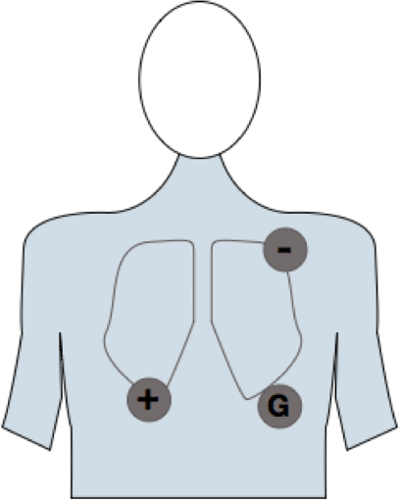
Participants are fitted with electrodes around the heart to record baseline cardiac signals during rest. They then view pictures of faces expressing either fear or neutral emotions and identify each expression by pressing designated keys. Heart rate is continuously monitored, with emphasis on the R wave peaks. Accuracy of emotional identification is compared to HRV calculations to determine correlation between physiological regulation and emotion recognition ability.
Q4: Why is the high-frequency range of the power spectrum important in HRV analysis?
The high-frequency range (0.15-0.4 Hz) of the power spectrum reflects the state of autonomic regulation. This band reveals how much heart rate fluctuates over time, with greater fluctuation indicating successful control. By analyzing this specific frequency band through mathematical operations like fast Fourier transformation, researchers can quantify autonomic regulation and compare it to behavioral measures like emotion recognition accuracy.
Q5: What do research findings reveal about HRV and cognitive functions beyond emotion recognition?
Research demonstrates that low HRV correlates with poor working memory and increased likelihood of forgetting information. Additionally, individuals with low HRV show higher rates of depressive symptoms, including disinterest in activities and social withdrawal. Importantly, aerobic exercise can improve HRV and memory retention, emphasizing the mind-body connection. HRV may serve as a non-invasive biomarker for assessing cognitive and mental health conditions.
Q6: How does observing emotions in others affect an individual's own heart rate?
Heart rate can be influenced not only by personal emotional states but also by observing emotions in others. For example, witnessing signs of fear or dread in another person's facial expressions—such as wide eyes, bared teeth, or raised eyebrows—can briefly escalate the observer's heart rate. This demonstrates the interactive relationship between body and mind, showing how social perception directly triggers physiological responses.
Q7: What developmental research is being conducted on heart rate variability in young children?
Researchers are measuring heart rate in toddlers across various behavioral conditions, including lullabies during rest, active play with toys, tasting sour substances, and exposure to infant crying sounds. These experiences elicit different heart rate outcomes, demonstrating that cardiovascular variability can be measured early in development. Additional research aims to assess the developmental trajectory of these measures and predict future health outcomes based on early HRV patterns.