Guest Editors

Taslim Uddin
Department of Biotechnology and Genetic Engineering, Jahangirnagar University
Taslim Uddin earned his BSc in Biotechnology and Genetic Engineering from Jahangirnagar University, Bangladesh, and is presently pursuing his MS in the same field. His scientific interests include behavioral neuroscience, neuropharmacology, neurodegeneration, brain cancer, and translational neuroscience. He has served as a research assistant at The Quest: Research & Academic Editing and possesses expertise in molecular biology, cell culture, neuroimaging, and bioinformatics. He also serves as a peer reviewer for other international journals, such as Current Neuropharmacology and Current Neurovascular Research. He has written and collaborated on numerous scientific studies pertaining to neuroscience, mental health, oxidative stress, and climate-induced brain adaptability.

Fatema Tuz Zohora
Monash University Malaysia
Dr. Fatema Tuz Zohora is a research associate and mentor at Monash University Malaysia with expertise in biomedical science, particularly nanocarrier-based gene therapy in breast cancer. Her research focuses on cellular and molecular biology, cancer biomarkers, imaging techniques, and gene therapy approaches for developing novel anticancer therapeutics. She has extensive experience in translational cancer research and mentoring PhD students in advanced biomedical research.

Nazifa Anjum
Department of Medicine, Sir Salimullah Medical College & Mitford Hospital
Nazifa Anjum received her MBBS degree from Sir Salimullah Medical College, University of Dhaka, in 2020. Following graduation, she served as a physician in the Department of Internal Medicine at Bangladesh Specialized Hospital for two years, where she gained hands-on clinical experience in diagnosing and managing a broad spectrum of medical conditions.She is currently serving as an assistant surgeon under the Ministry of Health and Family Welfare, Government of Bangladesh, contributing to the delivery of public healthcare services across the country. She is an ECFMG-certified physician and earned her MD degree in 2026. Her clinical and research interests include neurology, nephrology, preventive medicine, and mental health.
Collection Overview
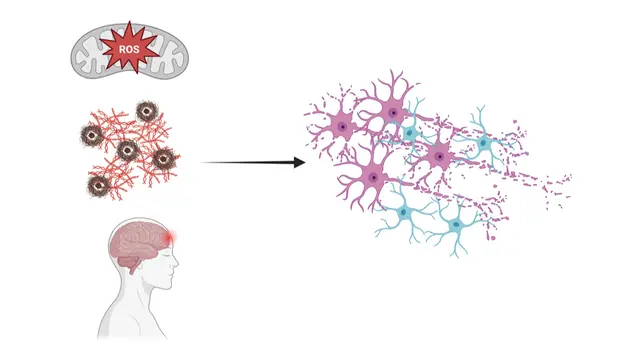
Neurodegenerative diseases remain a major global health concern, and mounting laboratory evidence highlights the prominent role of neuroinflammation and oxidative stress in disease initiation and progression. Experimental studies have revealed critical mechanisms, including microglial activation, mitochondrial dysfunction, reactive oxygen species (ROS) accumulation, ferroptosis, and neuronal apoptosis through the use of cell culture systems, animal models, molecular assays, and advanced imaging technologies. Despite these advances, the successful translation of laboratory findings into clinical applications remains challenging.
This Topical Collection will focus on laboratory and experimental neuroscience approaches investigating the molecular and cellular mechanisms underlying neurological disorders such as Alzheimer’s disease, Parkinson’s disease, multiple sclerosis, epilepsy, stroke, and traumatic brain injury. The collection will highlight innovative methodologies, experimental models, and analytical techniques that enhance our understanding of disease pathogenesis and therapeutic development.
Topics of interest include oxidative stress biomarkers, inflammatory signaling pathways, neuroimmune interactions, blood–brain barrier dysfunction, mitochondrial bioenergetics, ferroptosis, stem cell-based neuroprotection, gene and protein expression profiling, omics technologies, histopathology, immunohistochemistry, flow cytometry, advanced imaging, and nanotechnology-based therapeutic strategies.
The collection aims to provide the scientific community with a dedicated platform for sharing reproducible laboratory methods and experimental discoveries, thereby accelerating translational neuroscience research and facilitating the development of novel therapeutic interventions for neurodegenerative diseases.