This video demonstrates the preparation of aldehyde-fixed non-human primate brain tissue using pre-embedding immunohistochemistry for electron microscopy. It outlines the steps for immunolabeling a specific neuronal protein, followed by a peroxidase reaction that produces a colored precipitate, enabling visualization of the target protein in electron microscopy.
Een abonnement op JoVE is vereist om deze inhoud te bekijken. Log in of start vandaag met uw gratis proefperiode.
Methodenartikel
Performing Immunohistochemistry on a Non-Human Primate Brain Tissue
918 weergaven
⸱
28 april 2025
In dit artikel
Samenvatting
Protocol
All procedures involving animal samples have been reviewed and approved by the appropriate animal ethical review committee.
1. Pre-embedding Immunohistochemistry (Figure 1C)
- Prepare a 4 L stock solution of Tris-buffered Saline (TBS, 50 mM, pH 7.6) as follows.
- Measure 2L of distilled water in a 4 L beaker, add 24.23 g of trihydroxymethyl aminomethane (THAM; C4H11NO3), and stir to dissolve.
- Adjust the pH to 7.6 with approximately 148 mL of 1 N HCl. The acid should be added with caution to avoid reaching a pH below 7.6. The total volume should be 4 L.
CAUTION: HCl is highly corrosive. Wear the appropriate PPE.
- Select sections containing the region of interest to be processed for EM immunohistochemistry.
- Wash the free-floating sections 3x in PBS (0.1 M, pH 7.4) for 5 min at RT to rinse the antifreeze solution.
- Prepare a 0.5% solution of NaBH4 diluted in PBS.
- Weigh 0.05 g of NaBH4 and dilute it in 10 mL of PBS. Do not cover. Prepare this solution just before use.
- Incubate the sections in the freshly prepared NaBH4 solution for 30 min at RT. Rock gently. Do not cover.
- Wash 3x in PBS for 10 min at RT, rocking vigorously until none of the reaction gas remains.
- Prepare a blocking solution for EM with 2% appropriate normal serum and 0.5% cold fish gelatin diluted in PBS.
NOTE: The quantity should be calculated in order to have enough for the following three steps. Use a serum made from the same animal species hosting the secondary antibody. Avoid the use of antigen retrieval methods or the addition of small amounts of triton (to increase the penetration of antibodies), as these methods significantly compromise the quality of the tissue. - Incubate the sections in the blocking solution for 1 h at RT. Rock gently.
- Prepare primary antibody solution diluted in the blocking solution.
NOTE: The concentration of the primary antibody is usually the same as that of LM immunohistochemistry, but consider conducting tests with different antibody concentrations beforehand, as some primary antibodies may not work with acrolein. If so, it is possible to use a mix of glutaraldehyde (0.1 - 2%) and 4% PFA for transcardiac perfusion and obtain similar results. Optimize the incubation time and temperature as well. - Incubate the sections in primary antibody solution overnight at RT with gentle rocking. Use a previously tested incubation time and temperature.
- Wash the sections 3x in PBS for 5 min at RT with gentle rocking.
- Prepare a 1:1,000 solution of biotinylated secondary antibody diluted in the blocking solution.
NOTE: The secondary antibody must be raised against the host species used to generate the primary antibody. - Incubate the sections in a secondary antibody solution for 1.5 h at RT. Rock gently.
- Prepare an avidin-biotin-peroxidase (ABC) solution at least 60 min prior to the end of the secondary antibody incubation.
- Use a calibrated pipette to measure 8.80 µL/mL of solutions A and B and dilute them in PBS.
- Rock mildly for at least 60 min at RT to allow the complete binding between the avidin and biotin molecules.
- After the incubation in the secondary antibody solution, wash 3x in PBS for 10 min at RT.
- Incubate the sections in the ABC solution for 1 h at RT. Rock gently.
- Wash once in PBS and twice in TBS for 10 min at RT with gentle rocking.
- Prepare a fresh solution of 0.05% 3,3'-diaminobenzidine (DAB) with 0.005% H2O2 diluted in TBS.
- Weigh 12.5 mg of DAB and dilute it in 25 mL of cold TBS. Protect from light.
CAUTION: The DAB powder is highly volatile and harmful if inhaled. It is carcinogenic and teratogenic. Thus, pregnant or nursing women should not manipulate this product, even when diluted. Use an N95 mask when manipulating and wear PPE. - Filter the solution and add 4.5 µL of 30% H2O2 just before use.
- Weigh 12.5 mg of DAB and dilute it in 25 mL of cold TBS. Protect from light.
- Incubate sections in the DAB solution for 3 to 7 min at RT. Rock gently.
NOTE: The brown precipitate should not be too dark in order to avoid a high level of background staining. The incubation time should be optimized accordingly. - Stop the reaction by quickly washing twice in cold TBS, then twice for 10 min in cold TBS at RT, followed by twice for 10 min in PB, with mild rocking.
NOTE: The use of PB (and not PBS) is critical in order to eliminate any traces of NaCl, as it would react with osmium and form crystals.
Toegang beperkt. Log in of start een proefperiode om deze inhoud te bekijken.
Resultaten
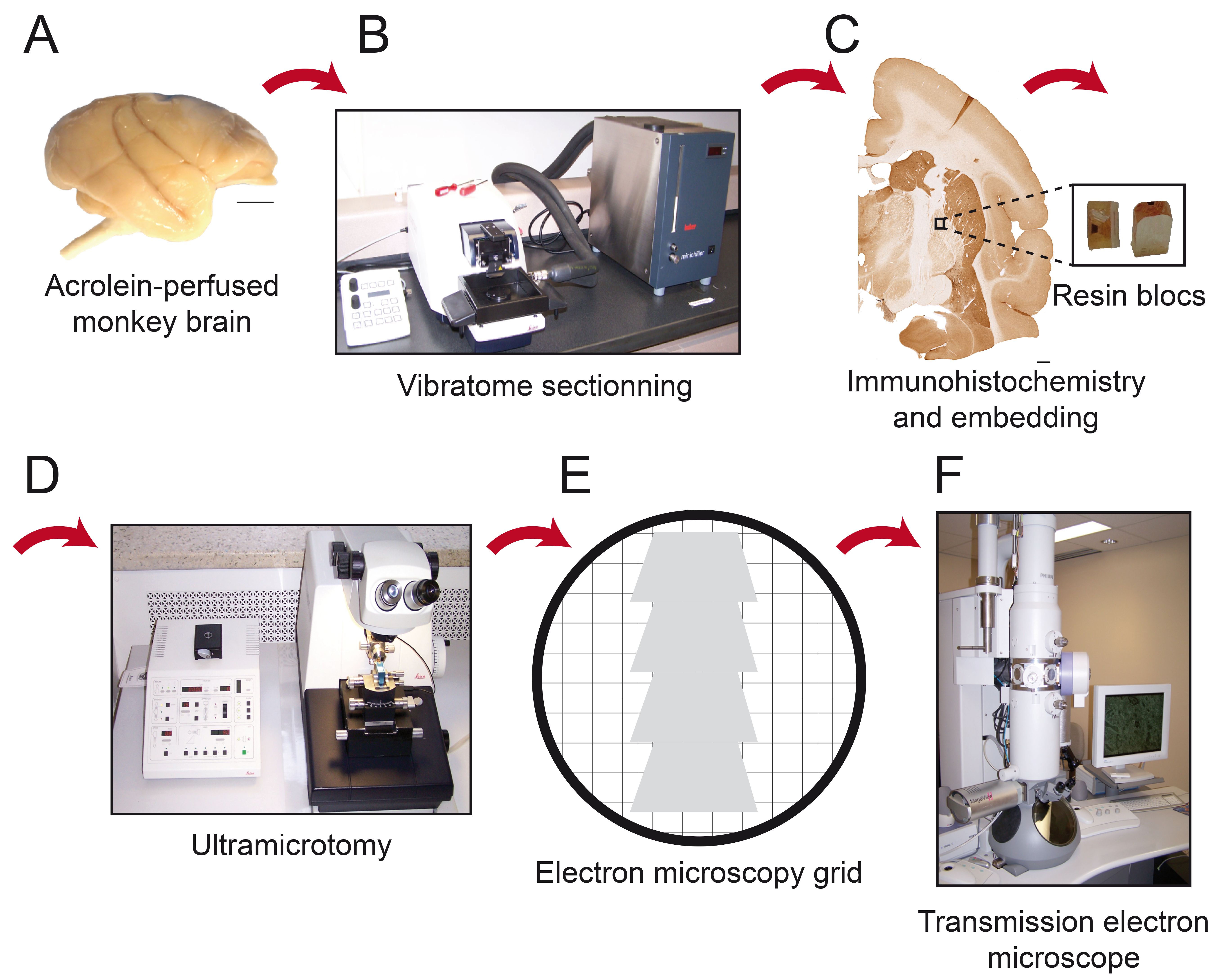
Figure 1: Schematics of Essential Steps of the Protocol.
Toegang beperkt. Log in of start een proefperiode om deze inhoud te bekijken.
Materialen
| Naam | Bedrijf | Catalogusnummer | Opmerkingen |
|---|---|---|---|
| Dibasic anhydrous sodium phosphate | |||
| Monobasic monohydrate sodium phosphate | |||
| Sodium chloride (NaCl) | |||
| Hydroxymethyl aminomethane (THAM) | |||
| HCl | |||
| NaOH | |||
| Paraformaldehyde | |||
| Acrolein (90%) | |||
| Autopsy venting table | |||
| Electronic perfusion pump | |||
| Needle (perfusion) | |||
| Needle | |||
| Ketamine | |||
| Xylazine | |||
| Acepromazine | |||
| Scalpel | |||
| Scalpel blades | |||
| Surgical scissors | |||
| Rongeurs | |||
| Vibratome | |||
| Vibratome razor blade | |||
| Glycerol | |||
| Ethylene glycol | |||
| Sodium borohydride | |||
| Normal horse serum | |||
| Cold-fish gelatin | |||
| Primary antibody, SERT | |||
| Primary antibody, ChAT | |||
| Primary antibody, TH | |||
| Biotinylated secondary antibody, goat | |||
| Biotinylated secondary antibody, mouse | |||
| Vectastain elite ABC kit | |||
| 3'3 diaminobenzidine (DAB) | |||
| Peroxide 30% |
