This video demonstrates the procedure for intracerebroventricular injection of resiniferatoxin in mice to desensitize the TRPV1 receptors in the brain.
Een abonnement op JoVE is vereist om deze inhoud te bekijken. Log in of start vandaag met uw gratis proefperiode.
Methodenartikel
Intracerebroventricular Treatment with Resiniferatoxin for TRPV1 Desensitization in the Mouse Brain
779 weergaven
⸱
7 augustus 2025
In dit artikel
Samenvatting
Protocol
All procedures involving animal models have been reviewed by the local institutional animal care committee and the JoVE veterinary review board.
1. Intracerebroventricular Injection of RTX
- Anesthetize mice with pentobarbital sodium salt (60 mg/kg, intraperitoneally), and check for loss of the righting reflex.
- For intracerebroventricular (i.c.v.) treatment, inject 5 µL of resiniferatoxin (RTX) (20 µg/mL) into the right lateral ventricle. For the control group, inject the vehicle (10% ethanol, 10% polyoxyethylene (20) sorbitan monooleate and 80% artificial cerebrospinal fluid (ACSF)) in the same way.
- Pass a disposable 27-G needle through a metal tube (0.8 mm I.D.) to expose the 3.0-3.5 mm tip of the needle (Figure 1A).
- Disinfect the head of mouse with 70% alcohol and hold the squamosal bones of the mouse firmly with the fingers (Figure 1B).NOTE: Pay attention to the positions of the squamosal protrusions, since these protrusions will serve as landmarks for injection.
- Move the needle laterally on the scalp and find the sagittal suture as the needle tip is hooked on the suture.
- Move the tip about 1 mm to the right, then move the tip rostrally, and find the coronal suture. (Figure 1B).
- Insert the needle slowly and vertically, inject the RTX solution in about 10 seconds, and hold it for about 10 seconds.
- Withdraw the needle slowly and return the mouse to its home cage. Bleeding is usually minimal or absent. If major bleeding occurs, use of another mouse should be considered.
Toegang beperkt. Log in of start een proefperiode om deze inhoud te bekijken.
Resultaten
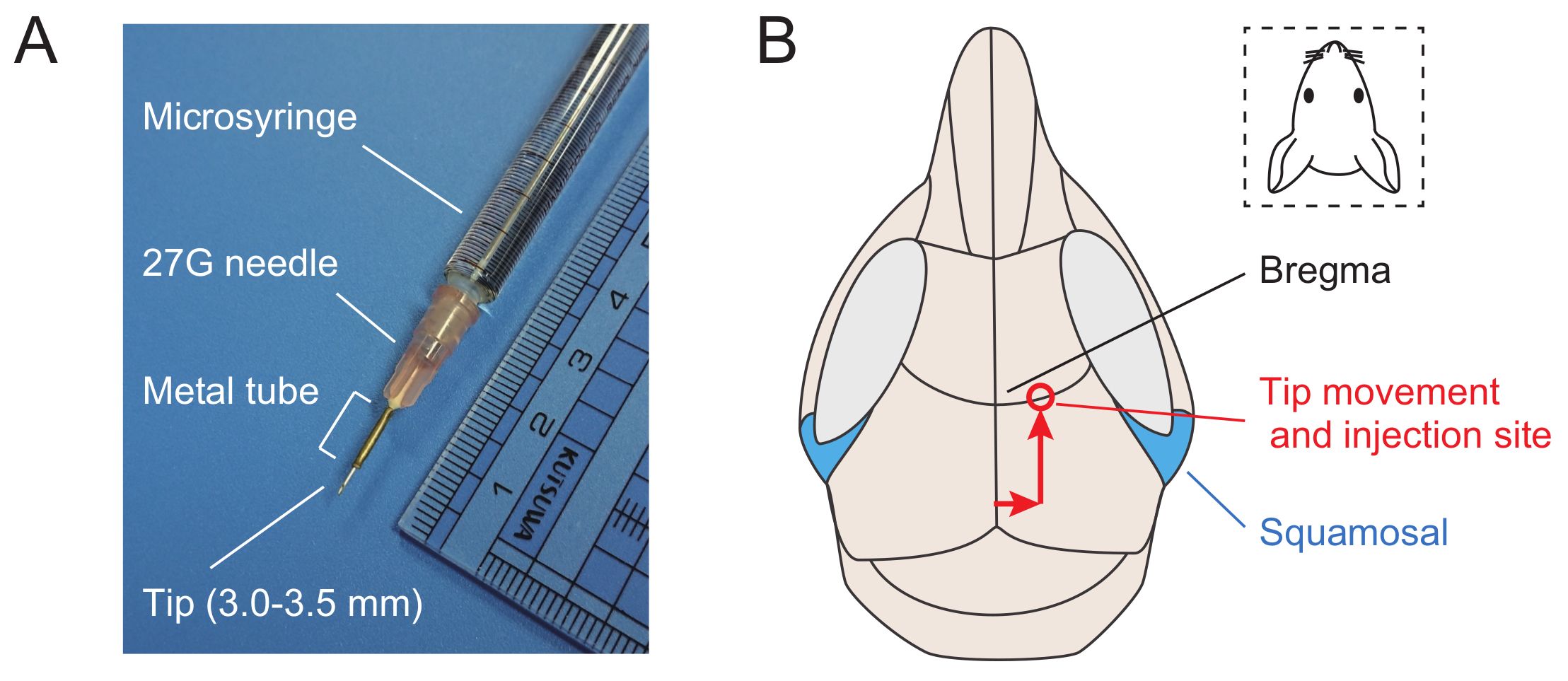
Figure 1: Photographic and schematic views of intracerebroventricular (i.c.v.) injecti...
Toegang beperkt. Log in of start een proefperiode om deze inhoud te bekijken.
Materialen
| Naam | Bedrijf | Catalogusnummer | Opmerkingen |
|---|---|---|---|
| Resiniferatoxin | LKT Laboratories | R1774 | used for s.c./i.c.v. pretreatments and the RTX test |
| Pentobarbital sodium salt | Tokyo Chemical Industry | P0776 | used for anesthesia |
| Ethanol (99.5%) | Wako Pure Chemical Industries | 057-00456 | used for dissolving RTX |
| Polyoxyethylene(20) Sorbitan Monooleate | Wako Pure Chemical Industries | 161-21621 | used for dissolving RTX |
| 25 mL Microsyringe | Hamilton | 1702LT | used for i.c.v. injection |
| 26-gauge Disposable needle | TERUMO | NN-2613S | used for i.c.v. injection |
