This video demonstrates the induction of swarmer cell differentiation in Vibrio parahaemolyticus using a specially prepared agar medium. By manipulating environmental cues such as iron depletion, calcium supplementation, and surface contact, the bacteria are stimulated to transition from their swimmer form into elongated swarmer cells with lateral flagella. These differentiated cells spread across the solid surface, forming characteristic swarm flares that signify successful morphological change.
A subscription to JoVE is required to view this content. Sign in or start your free trial.
Method Article
Induction of Differentiation of Vibrio parahaemolyticus into Swarmer Cells
568 views
⸱
September 26th, 2025
In This Article
Abstract
Protocol
1. Induction of Swarmer Cell Differentiation
NOTE: The following steps describe how to induce differentiation of V. parahaemolyticus into its swarmer cell life cycle and how to stimulate proliferation on solid surfaces.
1. Suspend 4 g of Heart Infusion (HI) Agar in 100 mL ddH2O in order to prepare the swarming plates.
2. Carefully boil the HI agar solution in the microwave and shake the bottle from time-to-time until the powder is dissolved. Autoclave at 121 °C for 20 min.
3. After autoclaving, cool down the HI agar to 60-65 °C. Add 2,2´-Bipyridyl to a final concentration of 50 µM (stock solution of 50 mM in 100% ethanol). Add CaCl2 to a final concentration of 4 mM (stock solution of 4 M in ddH2O). If necessary, add antibiotics into the solution to maintain plasmids.
NOTE: If planning to use an inducible plasmid, add an inducing agent to its final concentration.
CAUTION: 2,2´-Bipyridyl: Acute toxicity (oral, dermal, inhalation). Use gloves and safety goggles when handling this chemical.
4. Pour 30 - 35 mL of the final HI agar solution into a round 150 mm Petri dish and let the agar solidify.
5. Right before spotting the cell culture, dry the agar plate at 37 °C for at least 10 min (or until any liquid residues have disappeared, but no longer) up-right with an open lid.
NOTE: Drying times highly depend on the incubator used and heavily dried plates will not permit swarming of V. parahaemolyticus. (This step is very important!) Plates must be used fresh and should not be older than 2 - 3 h. Old plates will be too dry to stimulate swarming.
6. Inoculate a small amount of cells from the edge of a single colony into 5 mL of Luria-Bertani (LB) broth. Incubate the culture shaking at 37 °C until OD600 = 0.8 is reached, it usually takes around 2-3 hours. After that, the cells are ready to be spotted onto HI swarming agar plates.
7. Spot 1 µL of cell culture at the center of a HI agar swarming plate (Figure 1A).
8. Let the spot dry (Figure 1B).
9. Seal the plate with clear plastic tape and make sure that it is firmly attached, otherwise it might detach during overnight incubation (Figure 1C).
NOTE: It is very important that the seal is perfect. Avoid the formation of air-bubbles and folds to the tape when it is applied.
10. Incubate the plate at 24 °C overnight. This will result in the formation of a V. parahaemolyticus swarm-colony with swarm-flares extending from the periphery of the swarm-colony (Figure 2).
Access restricted. Please log in or start a trial to view this content.
Results
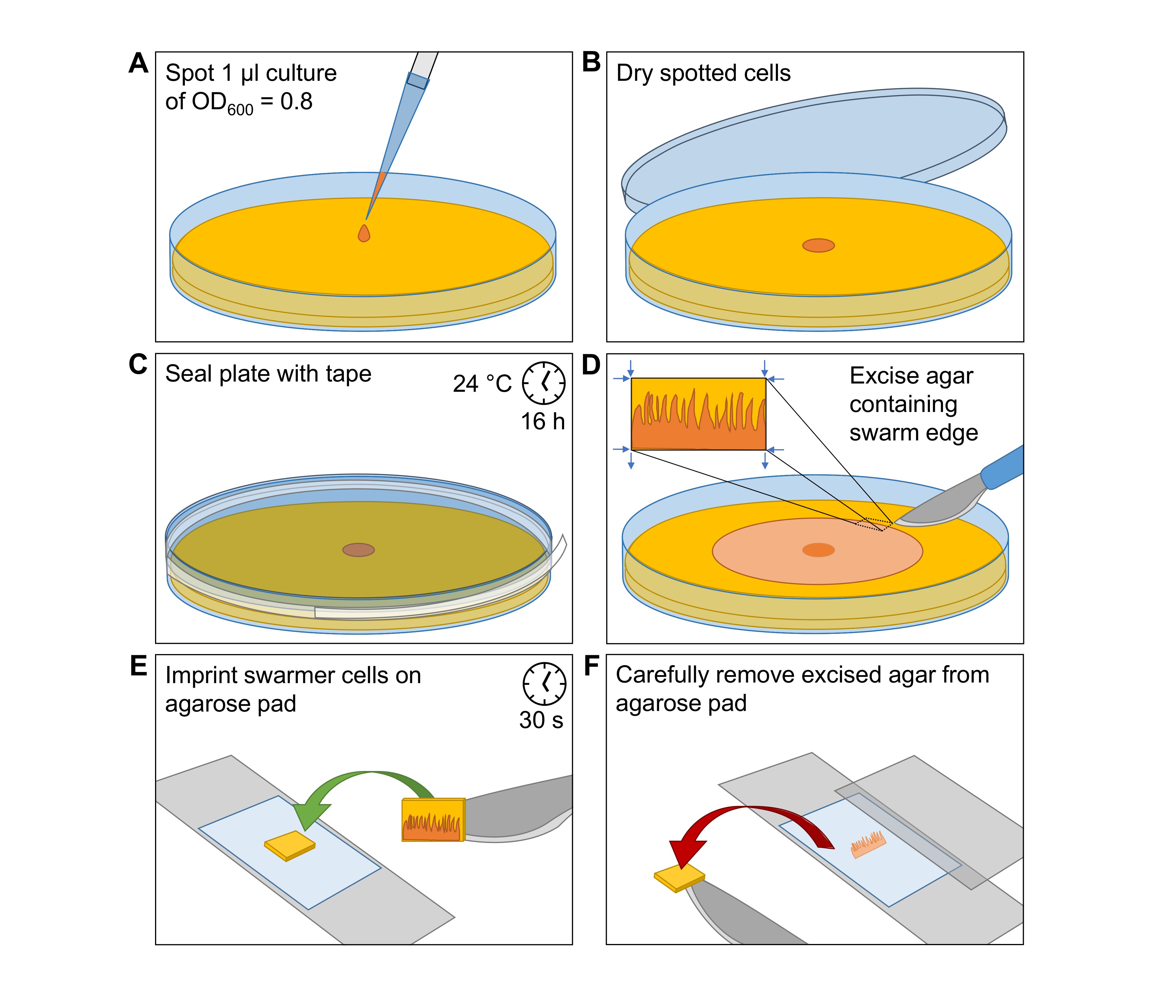
Figure 1: Induction of Swarmer Differentiation and Preparation of Cells for Microscop...
Access restricted. Please log in or start a trial to view this content.
Materials
| Name | Company | Catalog Number | Comments |
|---|---|---|---|
| Media components | |||
| LB medium | Roth | X968.3 | |
| Difco Agar, granulated | BD | 214510 | For preparation of LB agar with LB medium |
| Difco Heart Infusion Agar | BD | 244400 | For preparation of HI agar swarming plates |
| Agarose NEEO, ultra quality | Roth | 2267.3 | For preparation of microscopy agarose pads |
| Additives | |||
| 2,2`-Bipyridyl | Sigma Aldrich | D216305-25G | For preparation of HI agar swarming plates |
| Calcium chloride dihydrate | Roth | 5239.1 | For preparation of HI agar swarming plates |
| Hardware | |||
| Petri dish 150 mm x 20 mm with cams | Sarstedt | 82.1184.500 | For preparation of HI agar swarming plates |
| kelvitron t (B 6420) | Heraeus | - | Used for drying HI agar swarming plates |
