This video demonstrates a vacuum infiltration method to introduce a bacterial pathogen into Arabidopsis plant leaves. The approach uses a prepared bacterial suspension and vacuum pulses to enable uniform entry through stomata, resulting in controlled leaf infection.
A subscription to JoVE is required to view this content. Sign in or start your free trial.
Method Article
Inoculating a Bacterial Pathogen into Arabidopsis Leaves via Vacuum Infiltration
482 views
⸱
March 31st, 2026
In This Article
Abstract
Protocol
1. Inoculation of Arabidopsis plants
NOTE: In this study, the strains Pseudomonas syringae pv. tomato DC3000 and P. syringae pv. phaseolicola 1448A were used.
- Prepare the P. syringae inoculum.
- Streak out the P. syringae strain of interest from a −80 °C glycerol stock onto an LB plate (10 g/L tryptone, 5 g/L NaCl, 5 g/L yeast extract, and 16 g/L bacteriological agar) supplemented with the appropriate antibiotics. Incubate at 28 °C for 40-48 h.
NOTE: The use of antibiotics is recommende....
- Streak out the P. syringae strain of interest from a −80 °C glycerol stock onto an LB plate (10 g/L tryptone, 5 g/L NaCl, 5 g/L yeast extract, and 16 g/L bacteriological agar) supplemented with the appropriate antibiotics. Incubate at 28 °C for 40-48 h.
Access restricted. Please log in or start a trial to view this content.
Results
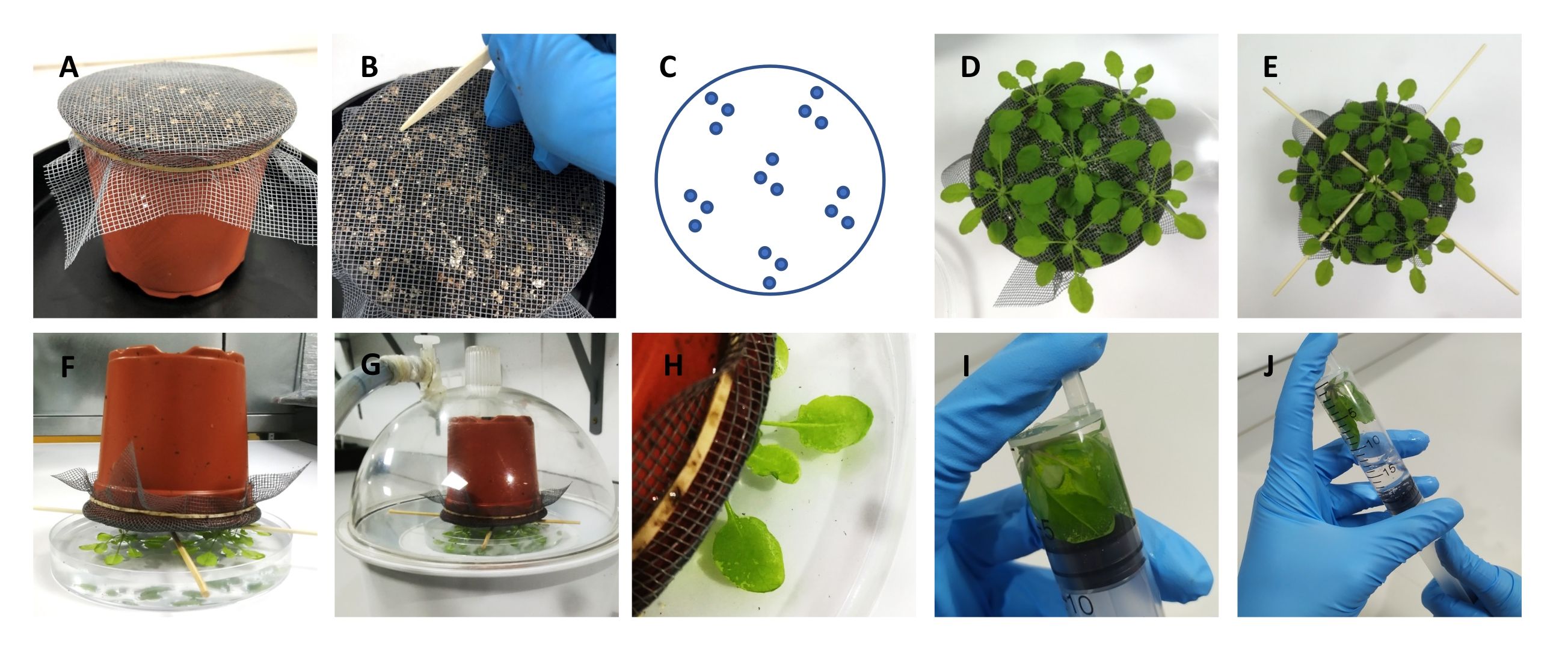
Figure 1: Bacterial inoculation and apoplast extraction using Arabidopsis plants.......
Access restricted. Please log in or start a trial to view this content.
Materials
| Name | Company | Catalog Number | Comments |
|---|---|---|---|
| 140 mm Petri dishes | No special requirements | ||
| Bacteriological agar | Roko | ||
| Gentamycin sulfate | Duchefa | G-0124 | |
| Kanamycin monosulfate | Phytotechnology | K378 | |
| MgCl₂ | Merk | ||
| NaCl | Merk | ||
| Silwet L-77 | Cromton Europe Ltd | ||
| Tryptone | Merk | ||
| Vacuum chamber 25 cm diameter | Kartell | 554 | |
| Vacuum pump | GAST | DOA-P504-BN | |
| Yeast Extract | Merk | ||
| Ampicillin sodium | GoldBio |
