This video demonstrates a protocol for monitoring the colonization of root-associated bacteria on Arabidopsis thaliana seedlings grown in a soilless system. Following colonization, bacteria are dislodged by sonication, then diluted, plated, and incubated to form colonies that reflect bacterial attachment and viability.
A subscription to JoVE is required to view this content. Sign in or start your free trial.
Method Article
Monitoring Bacterial Colonization of Arabidopsis thaliana Roots in a Soilless System
308 views
⸱
March 31st, 2026
In This Article
Abstract
Protocol
Collection of bacteria for viable cell counts
NOTE: The number of bacteria per seedling root can be determined at any incubation timepoint. Colonization can be monitored between 0 h and 18 h, while maintenance can be monitored from 18 h onwards.
- Remove the seedlings from the mesh (Figure 1, step 5). Gently place flame-sterilized forceps below the leaves (but on the leaf side of the mesh), and lightly pinch the stem. Wiggle the seedlings up and away from the mesh to dislodge the root without breaking it. If the root breaks, gently scrape the mesh bottom to collect the full length.
- Remove bacteria from plant roots. Transfer the bacteria to wells of a 24-well plate containing 1 mL of ddH20. Sonicate the samples.
- Quantify the bacteria on roots.
- Perform serial 10-fold dilutions of the sonicated samples up to a 10-6 dilution in bacterial growth medium. Add 50 µL of each dilution to individual agar plates and spread with sterile glass beads. Incubate plates at the optimal temperature for bacteria until individual colonies are countable.
Access restricted. Please log in or start a trial to view this content.
Results
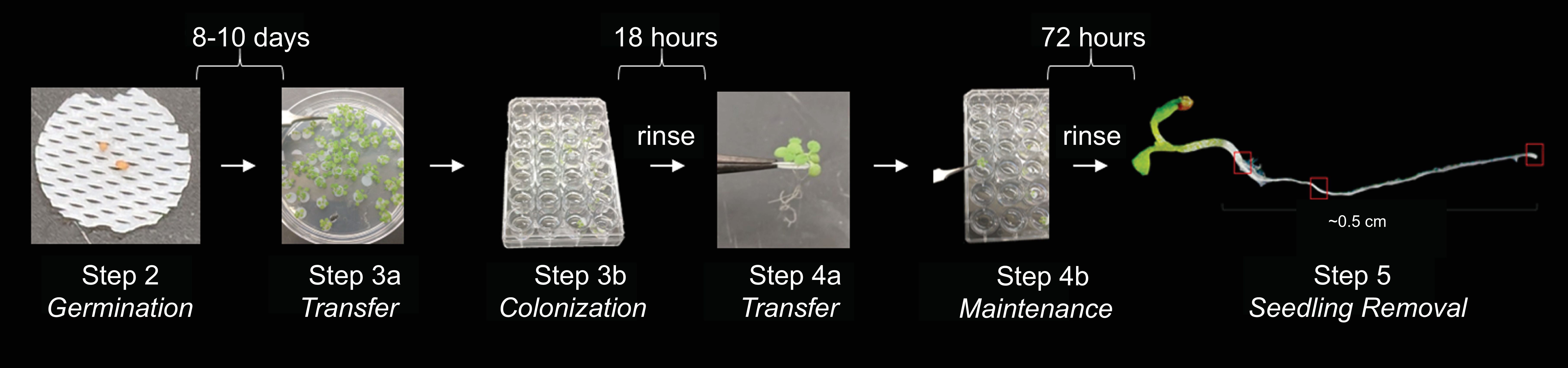
Figure 1: Assay for bacterial colonization and maintenance on A. thaliana roots.<...
Access restricted. Please log in or start a trial to view this content.
Materials
| Name | Company | Catalog Number | Comments |
|---|---|---|---|
| 24-well plates | BD Falcon | 1801343 | |
| Flame | |||
| Forceps | |||
| Incubator | At optimal temperature for growth of specified bacteria | ||
| Sterile water | |||
| Ultrasonicator | |||
| 24 Prong Ultrasonicator attachment | For sonicating multiple samples at once. Can be done individually | ||
| Glass beads | |||
| Multipetter/Repetter | |||
| Sterile 96-well plates | For serial dilutions. Can be replaced by eppendorf tubes | ||
| Arabidopsis thaliana seeds | We recommend Arabidopsis Biological Resource Center for seed stocks | ||
| Pseudomonas simiae WCS417r |
