All procedures involving animal models have been reviewed by the local institutional animal care committee and the JoVE veterinary review board.
1. Assessment of Dry Eye Features
Measure corneal damage with fluorescein staining.
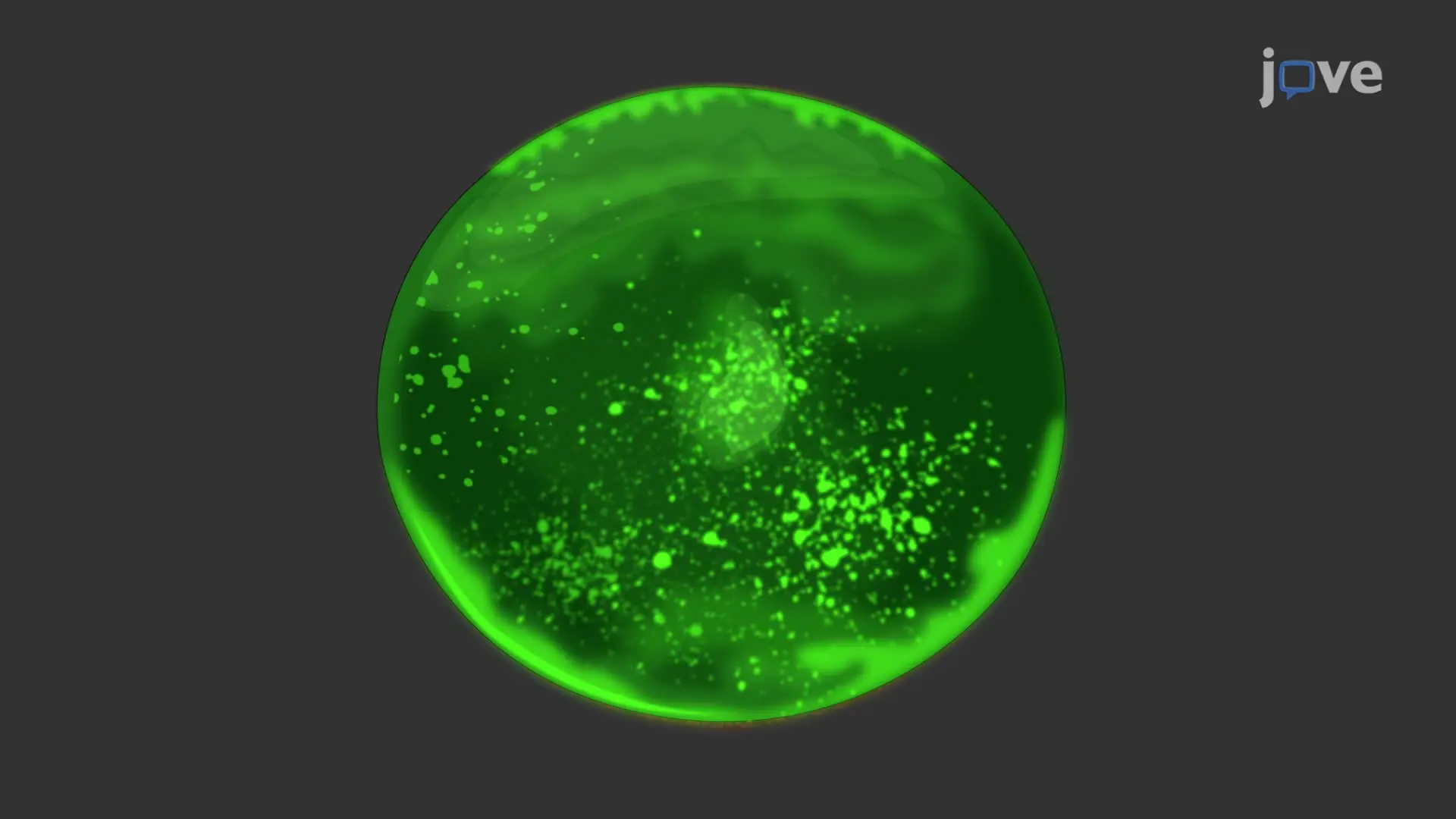
- Add 2 µL of 0.2% fluorescein to the rat cornea. Passively open and close the rat eyelids 3 times with a gloved finger to spread the fluorescein dye on the surface of the eye.
- After 1 min, draw 1 mL of saline with a 3 mL syringe (without any needle attachment), position the syringe about 2-3 mm anterior to the cornea, and gently propel saline onto the eye.
- Acquire images under the cobalt blue filter (i.e., ~400 nm) of an ocular-imaging microscope with the background lights switched off.
NOTE: Images were subsequently analyzed by a grading system modified from previous publications. Images were then analyzed by subjectively grading the number, area, and intensity of the green spots from 0 to 2, where 0 indicates their absence, 1 indicates punctate staining of less than 50 spots, and 2 indicates punctate staining of more than 50 spots.