Here, we present a protocol to evaluate the feasibility and effectiveness of a comprehensive bladder management program combined with biofeedback stimulator therapy for neurogenic bladder rehabilitation. This protocol includes step-by-step implementation, outcome assessments, and highlights its application in improving bladder capacity, reducing residual urine volume, and alleviating urinary incontinence symptoms.
A subscription to JoVE is required to view this content. Sign in or start your free trial.
Research Article
Comprehensive Bladder Management Program Combined with a Biofeedback Stimulator in Neurogenic Bladder Rehabilitation
In This Article
Summary
Abstract
Neurogenic Bladder (NB) refers to the dysfunction of the urinary tract caused by damage to the central nervous system or peripheral nerves that control urination. The combination of Comprehensive Bladder Management (CBM) and biofeedback stimulator is one of the rehabilitation treatments to improve the quality of life and increase the quality of urination for patients with neurogenic bladder. Both aim to enhance the patient's bladder capacity, reduce residual urine volume, and decrease the incidence of urinary incontinence. However, there is no consensus on the therapeutic effect of comprehensive bladder management combined with biofeedback stimulators for patients with neurogenic bladder.
This study aims to investigate the safety and effectiveness of bladder comprehensive management combined with a biofeedback stimulator for rehabilitation treatment in patients with neurogenic bladder. In this study, the experimental group underwent a step-by-step implementation of bladder comprehensive management combined with biofeedback stimulator therapy. The treatment was evaluated based on changes in bladder capacity, incidence of urinary incontinence, residual urine volume, and the responses on the International Consultation on Incontinence Questionnaire - Short Form (ICIQ-SF).
The results showed significant improvements in all parameters for both groups, with the treatment group achieving superior outcomes. Bladder capacity increased (212.37 ± 45.56 mL to 350.98 ± 93.52 mL), urinary incontinence incidence decreased (46.43% to 7.14%), residual urine volume reduced (149.25 ± 12.25 mL to 49.63 ± 6.96 mL), and ICIQ-SF scores improved (14.12 ± 3.55 to 5.95 ± 2.26). These findings highlight the combined therapy's effectiveness in improving bladder function and reducing incontinence.
Introduction
Neurogenic Bladder (NB), as a complex urologic disorder, is rooted in the impairment of bladder function by central or peripheral nervous system pathology1. The danger of the neurogenic bladder goes far beyond the physical level; it is more like a silent storm that severely erodes the mental health and social life of the patients, ultimately leading to a drastic reduction in the quality of life2. It should not be overlooked that the global aging of the public and the steady rise in the morbidity of strokes and other diseases of the nervous system have contributed to the annual increase in the prevalence of NB, which has gradually evolved into a public health problem that should not be underestimated3.
From a pathophysiological point of view, the mechanism of the NB is intricate and complex, involving abnormalities in the micturition reflex arc and neuromodulation pathways, including nerve signaling, muscle contraction coordination, and bladder pressure sensation. The micturition reflex arc, which includes sensory receptors, nerve fibers, and effector muscles, ensures bladder contraction and emptying. Disruption of this reflex arc, such as from spinal cord injury or diabetic neuropathy, can lead to urinary retention or incontinence. Peripheral nervous system lesions, such as spinal cord injury and diabetic neuropathy, may damage the nerve fibers innervating the bladder, leading to a lack of bladder sensation and weak contraction of the forced urinary muscles, ultimately causing urinary difficulty or incontinence4.
Neuromodulation involves central nervous system regulation of sensory and motor signals. Central nervous system lesions, such as stroke, brain tumor, and multiple sclerosis, may lead to malfunction in the regulation of the micturition reflex by the nerve centers, triggering problems such as bladder overactivity or detrusor weakness5. In contrast, the effects of the NB on patients are multidimensional and far-reaching. Physiologically, the risk of complications such as recurrent urinary tract infections, hydronephrosis, and even renal function impairment increases significantly, seriously threatening patients' physical health. Psychologically, enduring negative emotions such as embarrassment, anxiety, and depression brought by the disease for a long time can easily lead to self-isolation, social isolation, and even psychological problems such as low self-esteem and despair6,7. On the social level, patients' activities such as study, work, and socialization will be restricted to different degrees, and their quality of life and social participation will decrease dramatically, bringing a heavy burden to individuals, families, and society8.
Currently, the treatment methods for NB mainly include medication, surgery, and rehabilitation. Pharmacological treatment is based on agents such as anticholinergic drugs and α-blockers, aiming to alleviate patients' frequency and urgency of enuresis and other symptoms9. However, medication is often accompanied by side effects, including dry mouth, altered secretion, and blurred vision, and prolonged use may lead to drug tolerance, reducing its therapeutic effectiveness10. Surgical treatment, including bladder enlargement and urinary diversion, is suitable for patients with poor drug response or serious complications11. However, surgical treatment is more traumatic, the recovery time is longer, and there are certain risks and complications12.
In recent years, rehabilitation has received increasing attention as an important component of NB treatment. Among them, Comprehensive Bladder Management (CBM) is a patient-centered comprehensive treatment model that aims to improve bladder function and enhance patients' quality of life through various means such as behavioral interventions, physical therapy, and medication assistance13. Biofeedback stimulators, as a new type of rehabilitation therapy equipment, have shown good application prospects in the treatment of NB in recent years14. The principle is to monitor patients' pelvic floor electromyographic activities in real time through sensors and feed the signals back to patients to help them perceive and control their pelvic floor muscles, so as to achieve the purpose of enhancing pelvic floor muscle strength and improving bladder function15.
Compared with traditional pelvic floor muscle training, the biofeedback stimulator has the advantages of being more intuitive, quantitative, and highly repeatable, which can better stimulate the active participation of patients and improve training efficiency16. Currently, studies have shown that comprehensive bladder management programs or biofeedback stimulators have significant efficacy in NB rehabilitation. However, research on the integrated bladder management program combined with biofeedback stimulators for the treatment of NB still lacks high-quality clinical research evidence. Therefore, further large-scale, multicenter, randomized controlled trials are necessary to define the validity and security of this therapeutic approach, furnish a more trustworthy basis for practical application in cancer care, and bring more benefits to patients.
Access restricted. Please log in or start a trial to view this content.
Protocol
This protocol has been approved by the Ningbo Yinzhou No.2 Hospital (project number: 2023 Scientific Research 002). All patients provided written informed consent for participation in this study, including the use and publication of their anonymized data per the ethical guidelines outlined in the approved protocol. Details of instruments for biofeedback electrical stimulation can be found in the Table of Materials.
1. Study design
- Ensure that the study is single-blind: only researchers will be aware of group assignments.
- Random grouping: Stratify the patients according to their key characteristics (age, gender, and severity of NB dysfunction). Have the researchers randomly assign participants to two groups at a ratio of 1:1 using a random number table. Ensure that the control group receives standard bladder rehabilitation care, whereas the experimental group receives a combination of CBM and biofeedback stimulator therapy.
- Perform statistical analysis.
- Use mean ± standard deviation (x̄ ± s) for the data analysis, and apply a t-test of separate samples for the analysis of two separate groups and a t-test of paired samples for before/after analysis of two separate groups. Conduct chi-square tests (χ2) to analyze categorical data, such as the incidence of urinary incontinence.
- Indicate count data by percentage (%) and apply a calibration test to compare the two groups. Consider P < 0.05 to be statistically significant.
- Use analysis of covariance to adjust for differences in baseline bladder capacity, incontinence rate, and residual urine volume, while considering the effects of mobility, medication use, comorbidities, and history of urological surgery.
- Use multivariate regression analysis to assess the above confounding variables, as well as the impact of these variables on changes in scores. Consider P < 0.05 to be statistically significant.
2. Participant recruitment
NOTE: This study adopted a prospective research design, selecting 56 patients with NB who came to our hospital for treatment from January 2022 to June 2023 as the study subjects and randomly divided the patients into two groups .
- Using the following formular, perform a power analysis to ensure that the sample size is adequate.
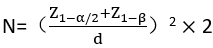
Where α is the significance level, β is the test power, and N is the number of patients needed in each group.
NOTE: The number of patients with urinary incontinence: 4.15 ± 0.83 in the control group and 5.57 ± 0.92 in the treatment group; the significance level α=0.05, the test power β=0.80. Our calculations indicated that at least 20 patients were needed in each group. To increase the robustness and reliability of the study, 28 patients were included in this study. - Set the following inclusion criteria: age between 18 and 70 years; diagnosis of NB confirmed by clinical symptoms, physical examination, and urodynamic examination (mild, moderate, severe), as well as different underlying causes (e.g., spinal cord injury, diabetes, multiple sclerosis), with a disease duration of ≥3 months; absence of other serious systemic diseases or contraindications to treatment; the ability to understand and cooperate with the completion of the treatment and the evaluation process; and signing an informed consent form and voluntary participation in this study.
- Set the following exclusion criteria: recent bladder surgery; comorbid active urinary tract infection or other serious infectious diseases; the presence of serious cognitive impairment or psychiatric disease; contraindication to or history of allergy to biofeedback stimulators; and comorbid serious organ dysfunction of the heart, liver, and kidneys.
3. Rehabilitation treatment plan
- Bladder rehabilitation training.
- Bladder training
- Scheduled urination
- Record the patient's initial urination interval and develop a scheduled urination plan based on the patient's situation, with the initial interval set at 2-3 h.
- Instruct the patient to strictly follow the plan to urinate regularly and try to urinate even if they do not feel like urinating.
- Gradually extend the urination interval every week according to the patient's condition until it reaches 3-4 h, and establish a regular urination habit.
- Delayed urination
- When the patient feels like urinating, encourage the patient to try to delay urination, and guide the patient to use methods such as distraction, deep breathing, and pelvic floor muscle contraction to extend the duration of urine retention.
- Record the time of each delayed urination, and gradually increase the time of holding urine to increase the bladder capacity.
- Observe whether the patient's symptoms of frequent urination and urgency are alleviated during the delayed urination training.
- Double voiding
- Instruct the patient to try to urinate again after 1-2 min after each urination.
- Observe the patient's second urine volume and record the total urine volume of each double voiding.
- Empty the bladder as much as possible through the double voiding method to reduce the residual urine volume.
- Pelvic floor muscle training
- Guide the patient to identify the pelvic floor muscles, for example, try to interrupt the urine flow during urination and experience the feeling of pelvic floor muscle contraction.
- Guide the patient to perform active pelvic floor muscle contraction and relaxation training, for example, contract the muscles around the anus as if holding back a stool, hold for 5-10 s, and then relax for 5-10 s.
- Record the time and number of pelvic floor muscle training each time, 3-4x a day, 10-15 cycles per session.
- Scheduled urination
- Intermittent clean catheterization
- Assess whether the patient's condition is stable, whether a large amount of infusion is required, whether the patient drinks water regularly, and whether there is a urinary tract infection.
- Set the catheterization interval based on the patient's residual urine volume.
NOTE: Generally, the interval is ~4-6 h. It can be performed before getting up in the morning, before meals, and before going to bed. - Record the urine volume of each catheterization, observe the changes in the patient's residual urine volume, and adjust the catheterization interval according to the situation.
- Stop the intermittent clean catheterization when the patient's residual urine volume is <100 mL.
- Diet adjustment
- Teach the patient to develop a strict drinking plan and record the daily water intake.
- Require the patient to drink water every 2-3 h from the morning until 20:00 h, avoid drinking water after 18:00 h, and strictly refrain from drinking water after 20:00 h.
- Observe whether the patient's symptoms such as frequent urination and urgency are alleviated under the strict drinking plan.
- Avoid taking diuretic drinks or foods, such as tea, soda, and watermelon.
- Drug treatment
- Choose appropriate drugs for symptomatic treatment according to the patient's condition. Use anticholinergic drugs (e.g., oxybutynin, tolterodine) to inhibit overactive bladder and relieve symptoms such as frequent urination and urgency. Use α-receptor blockers (e.g., tamsulosin, doxazosin) to relax the bladder neck and prostate smooth muscle and improve urination difficulties.
- Observe the changes in the patient's symptoms under drug treatment and record the use and effect of the drug.
- Adjust the drug dosage or change the drug according to the effect of drug treatment.
- Bladder training
- Biofeedback stimulator
- Preparation before treatment
- Assess the patient's condition and determine whether the patient is suitable for treatment with a biofeedback stimulator.
- Explain the principle and use of the biofeedback stimulator to the patient, as well as the possible reactions during the treatment, and obtain the patient's informed consent.
- Prepare treatment equipment and materials such as biofeedback therapy devices, surface electromyography electrodes, and cleaning supplies.
- Steps for using the biofeedback stimulator
- Position the patient
- Let the patient take a comfortable sitting or lying position, expose the perianal skin, and ensure that the treatment area is clean and dry.
- Place the surface electromyography electrode on the skin around the patient's anus, select a suitable sticking position according to the type and specification of the electrode, and ensure that the electrode is in close contact with the skin.
- Connect the electrode wire to ensure that the connection is firm to avoid falling off.
- Connect the therapy device.
- Connect the electrode wire to the biofeedback therapy device and set it according to the operating instructions of the therapy device.
- Select a suitable treatment mode, such as electromyography feedback mode or biofeedback mode, and adjust the treatment parameters according to the patient's specific situation, such as sensitivity, threshold, and signal type.
- Initial assessment
- Before starting the treatment, conduct a thorough assessment of the patient's pelvic floor muscle strength and control to help setting the initial parameters.
- Based on the initial assessment, adjust the sensitivity of the electrodes to ensure they can accurately detect muscle activity. Set the threshold levels to provide feedback when the patient achieves the desired level of muscle activation.
- Determine whether the patient prefers visual or auditory feedback. Adjust the signal type accordingly to enhance the patient's engagement and understanding of the feedback.
- Set the exercise duration and rest intervals based on the patient's current muscle endurance. Gradually increase the duration and decrease the rest intervals as the patient progresses.
- During the treatment sessions, continuously monitor the patient's progress and adjust the parameters as needed to ensure that the treatment remains effective and tailored to the patient's evolving needs.
NOTE: By providing detailed descriptions of the treatment modes and parameter adjustments, this section ensures that the treatment process is clear, specific, and accurate, facilitating effective implementation and documentation of the biofeedback stimulator therapy.
- Start the treatment device
- Turn on the treatment device and operate according to the prompts on the display screen of the treatment device, such as selecting treatment items and setting treatment time.
- After confirming that the treatment parameters are set correctly, start the treatment device and start treatment.
- Implement treatment
- During the treatment, have the operator closely observe the changes in the patient's electromyographic signals and guide the patient to actively contract and relax the pelvic floor muscles according to the changes in the signals.
- When the patient's electromyographic signal increases, prompt the patient to contract the pelvic floor muscles and encourage them to maintain the contraction state for a period.
- When the patient's electromyographic signal decreases, prompt the patient to fully relax the pelvic floor muscles.
- Ask the operator to adjust the treatment parameters and training methods in time according to the patient's feedback, such as increasing or decreasing the contraction time and relaxation time.
- End the treatment.
- After the treatment, turn off the treatment device and disconnect the electrode wire.
- Clean the patient's skin and record the treatment situation, such as treatment time, treatment parameters, and patient feedback.
- Position the patient
- Treatment plan
- To follow this protocol, carry out biofeedback-assisted pelvic floor muscle training 3x a week, 30 min each time, for 8 weeks.
- Precautions during treatment
NOTE: Clinicians should pay close attention to the patient's condition changes and treatment response and adjust the treatment plan in a timely manner.- During the treatment process, strengthen all communication with patients, and understand the patients' needs and feelings in a timely manner. Provide psychological support and encouragement to improve patients' treatment compliance.
- Before treatment, inform the patients of possible side effects, such as skin redness and muscle soreness, and instruct them on how to deal with them.
- During the treatment process, keep away metal objects from the treatment device to avoid electromagnetic interference.
- Preparation before treatment
4. Outcome assessments
NOTE: The evaluations must be completed by rehabilitation therapists on the 2nd, 7th, and 14th days after surgery.
- Primary outcomes
- Before and after treatment, carry out urodynamic examination (of bladder capacity) on the two groups of patients, and record the Maximum Cystometric Capacity (MCC). This is a key outcome as it directly reflects the improvement in bladder function.
- Record the number of daily times of continence in the week before and after the treatment of the two groups of patients, and calculate the incidence of urinary incontinence.
- Perform ultrasonography on both groups to determine the amount of bladder residual volume of urine before and after treatment.
- Secondary outcomes
- Determine the quality-of-life scores using the ICIQ-SF-a simple, valid, and reliable method for assessing the quality of life of patients with urinary incontinence. The scale was developed by the International Consultative Committee on Incontinence (ICI) and contains three questions on incontinence symptoms and one question on life quality with a total score ranging from 0 to 21, with larger scores representing a greater impact of incontinence on the quality of life17.
- Assess self-management skills before and after treatment using the Patient Activation Measure (PAM), a tool that assesses a patient's knowledge, skills, and confidence in participating in managing their health. The scale was developed by Hibbard et al.18 and contains 13 items covering patients' knowledge of their health, willingness, and action to participate in treatment, and understanding of doctor-patient communication, with a total score ranging from 0 to 52 points.
Access restricted. Please log in or start a trial to view this content.
Results
In this study, 56 patients were enrolled, with 28 cases in each group. The control group (received standard bladder rehabilitation care) included 15 males and 13 females, with an average age of 56.32 ± 13.52 years and a disease duration of 42.62 ± 18.54 months. The treatment group (received a combination of CBM and biofeedback stimulator therapy) had 28 cases, including 16 males and 12 females, with an average age of 57.36 ± 12.52 years and a disease duration of 45.65 ± 17.74 months (
Access restricted. Please log in or start a trial to view this content.
Discussion
Neurogenic bladder (NB) and comprehensive treatment: A CBM program combined with a biofeedback stimulator offers a multi-faceted therapeutic mechanism in NB rehabilitation.
Multiple approaches of bladder management
A CBM program enhances bladder function using medication, bladder training, and intermittent catheterization. Medications such as anticholinergic drugs and alpha-blockers help alleviate overactive bladder symptoms19
Access restricted. Please log in or start a trial to view this content.
Disclosures
The authors declare no conflicts of interest.
Materials
| Name | Company | Catalog Number | Comments |
|---|---|---|---|
| Biofeedback Stimulator | Suji Injection Standard 20030029 | Biofeedback stimulator treatment mechanism: The use of time-varying magnetic fields to generate induced currents in tissues, so as to depolarize cells to produce action potentials, which can induce muscle contraction, promote the recovery of nerve function, and produce a series of physiological and biochemical reactions, so as to improve physiological function. Improvement of pelvic floor muscle function by a biofeedback stimulator. By repeatedly activating the terminal motor nerve fibers and the motor endplate, the pelvic floor muscles contract, and at the same time promote the pelvic floor blood circulation and increase the number of fiber recruitment. More effective stimulation of the deep pelvic floor muscles, thereby improving the pelvic floor muscles. The biofeedback stimulator can be applied to postpartum pelvic floor rehabilitation, pelvic organ prolapse, stress urinary incontinence, defecation dysfunction, mixed urinary incontinence, sexual dysfunction, chronic pelvic pain, etc. | |
| Statistical Package For the Sciences(SPSS)26.0 | IBM Corporation | Used for statistical analysis?including t-tests?multiivariate regression?and anallysis of covariance |
References
- Xiang, L., et al. Rehabilitation care of patients with neurogenic bladder after spinal cord injury: A literature review. World J Clin Cases. 11 (1), 57-64 (2023).
- Bapir, R., et al. Efficacy of overactive neurogenic bladder treatment: A systematic review of randomized controlled trials. Arch Ital Urol Androl. 94 (4), 492-506 (2022).
- Zeng, L., et al. Application of motor imagery training combined with bladder function training in the rehabilitation treatment of patients with neurogenic bladder after stroke. Journal of North Sichuan Medical College. 39 (2), 186-189 (2024).
- Akkoç, Y., Ersöz, M., Çınar, E., Gök, H. Evaluation and management of neurogenic bladder after spinal cord injury: Current practice among physical medicine and rehabilitation specialists in turkey. Turk J Phys Med Rehabil. 67 (2), 225-232 (2021).
- Erden, E., Ersöz, M., Tiftik, T., Erden, E. The neurogenic bladder characteristics and treatment approaches in the patients with multiple sclerosis. Mult Scler Relat Disord. 58, 103439(2022).
- Wang, F., Mi, S. B., Guo, H. P. Exploring the effect of bladder functional training combined with repetitive sacral root magnetic stimulation in the treatment of neurogenic bladder. World Neurosurg. , (2023).
- Vecchio, M., Chiaramonte, R., Benedetto, P. D. I. Management of bladder dysfunction in multiple sclerosis: A systematic review and meta-analysis of studies regarding bladder rehabilitation. Eur J Phys Rehabil Med. 58 (3), 387-396 (2022).
- Wang, S., Zhao, J., Liu, Y. Effect of comprehensive rehabilitation nursing combined with psychological intervention on patients with neurogenic bladder after spinal cord injury. International Journal of Psychiatry. 51 (1), 310-313 (2024).
- Sager, C., Barroso, U., Bastos, J. M. N., Retamal, G., Ormaechea, E. Management of neurogenic bladder dysfunction in children update and recommendations on medical treatment. Int Braz J Urol. 48 (1), 31-51 (2022).
- Stein, R., et al. Eau/espu guidelines on the management of neurogenic bladder in children and adolescent part i diagnostics and conservative treatment. Neurourol Urodyn. 39 (1), 45-57 (2020).
- Perez, N. E., Godbole, N. P., Amin, K., Syan, R., Gater, D. R. Jr Neurogenic bladder physiology, pathogenesis, and management after spinal cord injury. J Pers Med. 12 (6), (2022).
- Stein, R., et al. Eau/espu guidelines on the management of neurogenic bladder in children and adolescent part ii operative management. Neurourol Urodyn. 39 (2), 498-506 (2020).
- Joshi, A. D., Shukla, A., Chawathe, V., Gaur, A. K. Clean intermittent catheterization in long-term management of neurogenic bladder in spinal cord injury: Patient perspective and experiences. Int J Urol. 29 (4), 317-323 (2022).
- Xu, L., et al. Efficacy of biofeedback, repetitive transcranial magnetic stimulation and pelvic floor muscle training for female neurogenic bladder dysfunction after spinal cord injury: A study protocol for a randomised controlled trial. BMJ Open. 10 (8), e034582(2020).
- Firinci, S., Yildiz, N., Alkan, H., Aybek, Z. Which combination is most effective in women with idiopathic overactive bladder, including bladder training, biofeedback, and electrical stimulation? A prospective randomized controlled trial. Neurourol Urodyn. 39 (8), 2498-2508 (2020).
- Polat Dunya, C., Tulek, Z., Kürtüncü, M., Panicker, J. N., Eraksoy, M. Effectiveness of the transcutaneous tibial nerve stimulation and pelvic floor muscle training with biofeedback in women with multiple sclerosis for the management of overactive bladder. Mult Scler. 27 (4), 621-629 (2021).
- Avery, K., et al. Iciq: A brief and robust measure for evaluating the symptoms and impact of urinary incontinence. Neurourol Urodyn. 23 (4), 322-330 (2004).
- Hibbard, J. H., Stockard, J., Mahoney, E. R., Tusler, M. Development of the patient activation measure (pam): Conceptualizing and measuring activation in patients and consumers. Health Serv Res. 39 (4 Pt 1), 1005-1026 (2004).
- Mostafaei, H., et al. The clinical pharmacology of the medical treatment for overactive bladder in adults. Expert Rev Clin Pharmacol. 13 (7), 707-720 (2020).
- Herrity, A. N., et al. Improvements in bladder function following activity-based recovery training with epidural stimulation after chronic spinal cord injury. Front Syst Neurosci. 14, 614691(2020).
- Pickard, R., et al. Types of urethral catheter for reducing symptomatic urinary tract infections in hospitalised adults requiring short-term catheterisation: Multicentre randomised controlled trial and economic evaluation of antimicrobial- and antiseptic-impregnated urethral catheters (the catheter trial). Health Technol Assess. 16 (47), 1-197 (2012).
- Keskin Paker, M., et al. Comparison of the effectiveness of pelvic floor muscle training, biofeedback, and tibial nerve stimulation in overactive bladder syndrome: A prospective randomized controlled study. J Clin Obstet Gynecol. 33 (4), 236-244 (2023).
- Chu, X. L., et al. Basic mechanisms of peripheral nerve injury and treatment via electrical stimulation. Neural Regen Res. 17 (10), 2185-2193 (2022).
- Zhang, J. -J., et al. Clinical effect of repetitive functional magnetic stimulation of sacral nerve roots on urinary retention after spinal cord injury: A case-control study. Brain Network and Modulation. 1 (1), 31-38 (2022).
- Dengler, K. L., et al. Overactive bladder and cognitive impairment: The american urogynecologic society and pelvic floor disorders research foundation state-of-the-science conference summary report. Urogynecology (Phila). 29 (1S Suppl 1), S1-S19 (2023).
- Nambiar, A. K., et al. European association of urology guidelines on the diagnosis and management of female non-neurogenic lower urinary tract symptoms. Part 1: Diagnostics, overactive bladder, stress urinary incontinence, and mixed urinary incontinence. Eur Urol. 82 (1), 49-59 (2022).
- Królicki, T., et al. Acute kidney injury secondary to urinary tract infection in kidney transplant recipients. Sci Rep. 12 (1), 10858(2022).
- Scherberich, J. E., Fünfstück, R., Naber, K. G. Urinary tract infections in patients with renal insufficiency and dialysis - epidemiology, pathogenesis, clinical symptoms, diagnosis and treatment. GMS Infect Dis. 9, Doc07(2021).
- Maeda, N., et al. Cross-sectional study of the prevalence and symptoms of urinary incontinence among japanese older adults: Associations with physical activity, health-related quality of life, and well-being. Int J Environ Res Public Health. 18 (2), 360(2021).
Access restricted. Please log in or start a trial to view this content.
Reprints and Permissions
This article has been published
Video Coming Soon