This retrospective cohort study evaluated a staged rehabilitation protocol combining physical therapy and exercise therapy for sports injuries. Compared with physical therapy alone, the combined approach was associated with greater improvements in pain, functional recovery, balance, and quality of life over an 8-week rehabilitation period.
Research Article
Comprehensive Clinical Evaluation of the Combined Effects of Physical Therapy and Exercise Therapy in the Rehabilitation of Sports Injuries
73 views
⸱
September 11th, 2026
In This Article
Summary
Abstract
Sports injuries are common among athletes and recreationally active individuals, and rehabilitation outcomes influence functional recovery and the risk of re-injury. Physical therapy and exercise therapy are established rehabilitation strategies; however, evidence regarding their combined effectiveness remains limited. This retrospective cohort study evaluated the clinical effectiveness of combining physical therapy with staged exercise therapy for sports injury rehabilitation. A total of 185 patients with knee, ankle, or muscle strain injuries received either physical therapy alone (Physiotherapy group, n = 90) or physical therapy combined with staged exercise therapy (Comprehensive Therapy group, n = 95). Baseline characteristics were comparable between groups. Outcomes included motor function (Lysholm score, assessed at 8 weeks in the knee injury subgroup), pain (Numerical Rating Scale [NRS]), functional recovery (American Orthopaedic Foot and Ankle Society [AOFAS] score in the ankle injury subgroup), dynamic balance (Star Excursion Balance Test [SEBT]), quality of life (Short Form-36 [SF-36]), and adverse reactions. At 8 weeks, the Comprehensive Therapy group demonstrated lower resting NRS scores (1.26 ± 0.95 vs. 2.48 ± 1.02; P < 0.001) and activity NRS scores (3.56 ± 0.95 vs. 4.48 ± 1.05; P < 0.001) than the Physiotherapy group. Improvements in Lysholm score (85.07 ± 4.14 vs. 76.30 ± 5.86; P < 0.001), AOFAS score (79.02 ± 3.03 vs. 75.22 ± 5.03; P = 0.001), SEBT performance (102.32 ± 1.42 vs. 95.18 ± 1.33; P < 0.001), and seven of eight SF-36 domains (P < 0.05) were greater in the Comprehensive Therapy group. Adverse reaction rates were comparable between groups (P > 0.05). Combined therapy was associated with greater improvements in pain, functional recovery, balance, and quality of life than physical therapy alone, with a comparable safety profile. However, the 8-week follow-up precludes assessment of long-term outcomes.
Introduction
Sports injuries involve damage to bones, muscles, ligaments, joints, and related tissues sustained during physical activity. Common injuries include ankle sprains (accounting for 15%–20% of sports injuries), anterior cruciate ligament (ACL) injuries, muscle strains, and tendinitis1. As participation in recreational and competitive sports continues to increase, the incidence of sports injuries has risen accordingly, affecting approximately 10%–15% of recreational athletes and up to 20%–30% of professional athletes2. Beyond athletic populations, individuals in high-demand tactical occupations, such as law enforcement recruits, also experience substantial injury burdens during initial physical conditioning. One retrospective cohort study reported that 41.4% of 979 male police cadets sustained at least one musculoskeletal injury during training3. These injuries not only impair quality of life but also cause acute pain and functional limitations. Inadequate rehabilitation may result in chronic pain, joint instability, and an increased risk of re-injury, reaching up to 40% following ankle sprains4. Effective rehabilitation strategies are therefore essential for restoring function and minimizing recurrent injury. Because sports injuries vary considerably in anatomical location and clinical presentation, the present study included patients with knee injuries, ankle sprains, and muscle strains, with site-specific functional assessments applied to the appropriate injury subgroups.
The primary goals of sports injury rehabilitation are to promote tissue repair, restore functional mobility, and prevent recurrence. Physical therapy employs modalities such as ultrasound, electrotherapy, thermotherapy, and manual interventions to modulate tissue healing and reduce inflammation5,6,7,8,9. These approaches are particularly beneficial during the acute phase of injury, when pain and inflammation limit active movement. In contrast, exercise therapy emphasizes active patient participation through structured range-of-motion exercises, strength training, balance training, and cardiovascular conditioning to restore neuromuscular control10,11. Within exercise therapy, eccentric and isokinetic muscle contractions play important roles. Eccentric training, which involves muscle lengthening under tension, promotes tendon remodeling, neuromuscular control, and injury prevention, whereas isokinetic exercise provides controlled, velocity-specific strengthening that facilitates bilateral neuromuscular adaptations and functional recovery. A recent randomized controlled trial demonstrated that eccentric isokinetic rehabilitation significantly improved functional performance and bilateral neuromuscular adaptations in athletes with chronic tendinopathy12. Collectively, these findings highlight the complementary roles of physical therapy and exercise therapy throughout the rehabilitation process, with exercise therapy being particularly important during the subacute and recovery phases.
Despite advances in rehabilitation strategies, important limitations remain when these interventions are used independently. Physical therapy alone may not fully restore functional coordination, whereas exercise therapy initiated prematurely or without adequate control of inflammation may exacerbate symptoms13,14,15,16. Consequently, combined rehabilitation approaches that integrate physical and exercise therapy have received increasing attention. However, most previous studies have focused on individual injury types, evaluated the two interventions separately, or lacked comprehensive assessments across multiple rehabilitation stages and functional domains. Furthermore, real-world evidence describing stage-specific and time-dependent outcomes in Chinese sports medicine populations remains limited.
Accordingly, this study evaluated the clinical effectiveness of combining physical therapy with staged exercise therapy for the rehabilitation of sports injuries. Specifically, the study provides a comprehensive assessment of pain (rest and activity), joint-specific function (Lysholm score for knee injuries and American Orthopaedic Foot and Ankle Society Ankle-Hindfoot Score [AOFAS] for ankle injuries), dynamic balance (Star Excursion Balance Test [SEBT]), quality of life (Short Form-36 [SF-36]), and safety at baseline and during 2-, 4-, and 8-week follow-up in 185 patients with knee injuries, ankle sprains, or muscle strains. The study hypothesis was that combining physical therapy with staged exercise therapy would be associated with greater improvements in pain relief, joint-specific function, dynamic balance, and quality of life than physical therapy alone while maintaining a comparable safety profile.
Protocol
The retrospective observational cohort study was conducted in accordance with the Declaration of Helsinki17 and was approved by the Ethics Committee of Linyi People’s Hospital (Approval No. 202512-H-030). As this was a retrospective analysis of archived clinical data, the requirement for informed consent was waived. All data were anonymized to ensure participant confidentiality. This study is reported in accordance with the Strengthening the Reporting of Observational Studies in Epidemiology (STROBE) guidelines for retrospective cohort studies. A completed STROBE checklist is provided as Supplementary File 1. The research tools used in the protocol are listed in the Table of Materials.
1. Study Setting
This retrospective study was conducted at a single sports medicine clinic in Tianjin, China. Medical records of patients diagnosed with sports injuries between January 2023 and January 2025 were reviewed.
2. Participant Selection and Sampling
Patients were eligible for inclusion if a diagnosis of sports injury was confirmed by imaging and clinical examination, including conditions such as knee ligament injuries, ankle sprains, or muscle strains. Additional inclusion criteria included presentation within 72 h of injury, age between 18 and 50 years, absence of severe underlying conditions such as osteoporosis or neuropathy, and availability of complete clinical records. Patients were excluded if injuries involved fractures or dislocations, if there was a prior injury at the same anatomical site, if there was an allergy to physical therapy modalities, or if there was an inability to comply with exercise therapy18.
A total of 192 patients with sports injuries were initially screened. Of these, 7 patients were excluded for the following reasons: incomplete clinical records (n = 3), presentation more than 72 h after injury (n = 2), age outside the 18–50 years range (n = 1), and prior injury at the same anatomical site (n = 1). Consequently, 185 patients met all eligibility criteria and were included in the analysis. The study design was a retrospective observational cohort study, with group allocation determined by the treatment received in routine clinical practice. Patients were categorized into a Physiotherapy group (n = 90) and a Comprehensive Therapy group (n = 95). This non-randomized design is susceptible to selection bias and confounding by indication. Baseline characteristics were compared between groups (Table 1), and no significant differences were observed for age, gender, BMI, smoking, drinking, affected side, or injury location (all P > 0.05). No propensity score matching or multivariable adjustment was performed due to the exploratory nature of this study and the absence of significant baseline imbalances. Assessments were conducted at baseline and at 2, 4, and 8 weeks following treatment initiation. The study workflow is presented in Figure 1.
| Variables | Physiotherapy group | Comprehensive group | 95% CI | Effect size | P-value |
| (n = 90) | (n = 95) | ||||
| Gender | |||||
| Male | 47 (52.22) | 50 (52.63) | - | 0.003 | 0.956 |
| Female | 43 (47.78) | 45 (47.37) | |||
| Age (years) | 33.60 ± 5.72 | 34.29 ± 5.52 | -2.325,0.940 | -0.084 | 0.402 |
| BMI (kg/m2) | 22.06 ± 1.35 | 22.11 ± 1.31 | -0.444,0.327 | -0.3 | 0.764 |
| Affected side | |||||
| Left | 42 (46.67) | 46 (48.42) | - | 0.057 | 0.811 |
| Right | 48 (53.33) | 49 (51.58) | |||
| Injury location | |||||
| Knee | 38 (42.22) | 40 (42.11) | - | 0.215 | 0.898 |
| Ankle | 35 (38.89) | 38 (40.00) | |||
| Other (muscle strain, etc.) | 17 (18.89) | 17 (17.89) | |||
| Smoking history | 35 (38.89) | 43 (45.26) | - | 0.77 | 0.38 |
| History of drinking | 21 (23.33) | 27 (28.42) | - | 0.623 | 0.43 |
Table 1: Baseline characteristics of study participants. Comparison of demographic and clinical characteristics between the Physiotherapy group and the Comprehensive Therapy group, including gender, age, body mass index (BMI), smoking history, drinking history, affected side, and injury location. Data are presented as mean ± standard deviation or number (percentage). BMI, body mass index; CI, confidence interval.
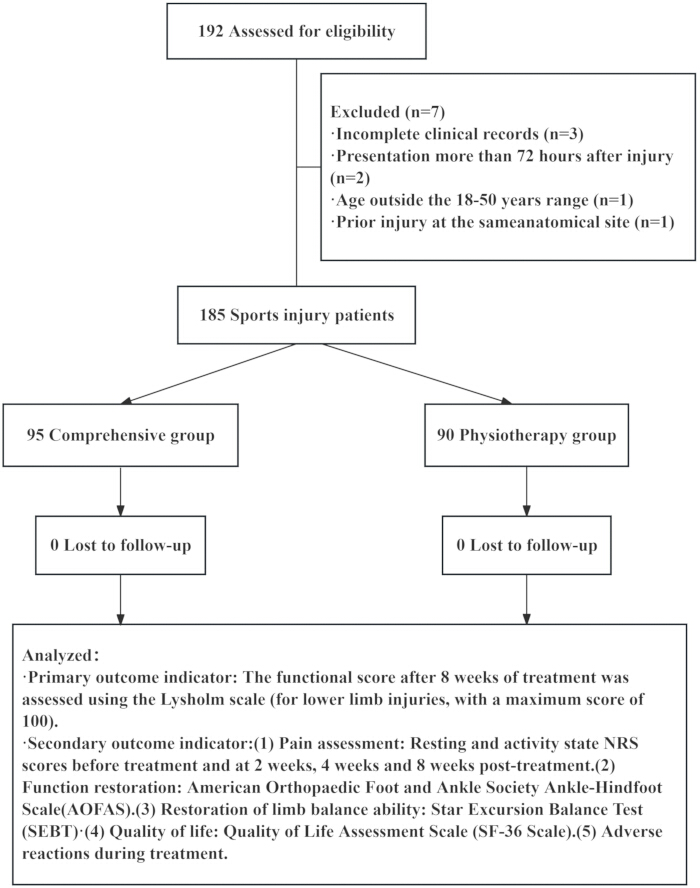
Figure 1: Research flowchart. Flow diagram illustrating patient selection, group allocation, and follow-up assessment time points. Please click here to view a larger version of this figure.
3. Sample Size Calculation
Sample size estimation was performed using statistical software, assuming an effect size of 0.5, a significance level of 0.05 (two-tailed), and a statistical power of 0.90. The calculated minimum sample size was 70 participants per group, for a total of 140 participants. The final sample size of 185 exceeded this requirement19.
4. Treatment Methods
All physical therapists involved in the study had more than five years of clinical experience and held nationally certified qualifications. Treatment was administered over an 8-week period at a frequency of five sessions per week20,21,22.
All treatment protocols were individualized according to injury type and severity, pain level, range of motion, muscle strength, and functional capacity. The standardized rehabilitation framework described below provided the overall treatment structure, whereas exercise selection, resistance level, and progression were adjusted at each session based on clinical reassessment and patient tolerance.
In the Physiotherapy group, treatment was delivered in sequential phases. The selection of specific physical therapy modalities was based on the phase of tissue healing and the patient's clinical presentation. During the acute phase (days 1–7), cold compress therapy (15 min twice daily) and low-frequency pulse electrotherapy (biphasic pulsed current, 50 Hz, 200 µs pulse duration, intensity adjusted to visible muscle contraction; 20 min/session) were administered to reduce acute pain and inflammation. During the subacute phase (days 8–21), ultrasound therapy (1 MHz, 1.0 W/cm2, continuous mode, 5 cm2 treatment head; 10 min/session) was combined with manual soft tissue and joint mobilization (15 min/session) to promote tissue repair, reduce adhesions, and improve tissue extensibility. During the recovery phase (days 22–56), infrared heat therapy (at a distance of 30 cm, with skin temperature maintained at 40–43 °C) was applied for 20 min per session to improve local blood circulation. Treatment parameters were adjusted based on individual tolerance and response, with progression determined by clinical reassessment at each session.
In the Comprehensive Therapy group, the same physical therapy regimen was combined with staged exercise therapy. Exercise prescription followed the FITT principles (Frequency, Intensity, Time, Type) and was individualized for each patient. Sessions were performed five times per week. Exercise intensity was monitored using the Borg CR-10 Rating of Perceived Exertion (RPE), targeting scores of 3–4 ("moderate") during the early stages and 5–6 ("somewhat hard to hard") during the later stages. Exercise type, resistance level, session duration, sets, and repetitions were selected according to injury type, functional deficits, baseline strength, patient tolerance, and fatigue level, and were reviewed weekly based on clinical reassessment. The type of exercise was determined by the patient's specific injury and functional deficits, with stage-appropriate exercises selected from a standardized menu of options. All exercise parameters were reviewed and adjusted weekly based on clinical reassessment. During the initial stage (days 1–7), passive joint range-of-motion exercises were performed for 10 min per session, along with isometric contractions, while active weight-bearing was avoided. During the second stage (days 8–21), active range-of-motion exercises were introduced within a pain-free range, along with low-load resistance training using elastic bands, typically performed as three sets of 20 repetitions. Resistance intensity was standardized using color-coded elastic bands selected according to each patient's baseline strength and tolerance, with progression to higher resistance levels as strength improved. Exercise intensity was monitored using the Borg CR-10 Rating of Perceived Exertion (RPE), with a target of 3–4 (“moderate”) during this stage. Formal % 1RM testing was not performed during this phase, as patients were in the subacute stage with varying pain levels, making such testing clinically impractical and potentially unsafe. During the third stage (days 22–35), balance training, including single-leg stance for 30 s, repeated 3 times, and coordination exercises such as stair training, were implemented. During the final stage (days 36–56), functional training, including jogging for 10–20 min and shuttle runs consisting of five 10-meter repetitions, was introduced to progressively restore athletic function.
Progression between stages was based on predefined clinical criteria, including a resting Numerical Rating Scale (NRS) score below 3, no new or worsening pain, and the achievement of specific functional milestones. Stage 1 was fixed at 7 days. For subsequent stages, the following objective functional criteria were required: from stage 1–2, ability to perform straight leg raise without pain; from stage 2–3, knee flexion ≥ 90° with minimal pain and ability to perform 10 single-leg stances without loss of balance; from stage 3–4, ≥ 90% limb symmetry index on single-leg hop test and NRS score < 2 during activity. Each stage beyond stage 1 was typically maintained for 10–14 days, depending on the individual's recovery progress. Movement quality was assessed by experienced physical therapists (>5 years of clinical experience) using standardized observations of the following indicators: maintenance of neutral knee alignment during single-leg stance and squatting, absence of pelvic drop (Trendelenburg sign) during single-leg stance, and symmetrical weight distribution during bilateral squatting. Video recordings were reviewed as needed for confirmation, and inter-rater reliability (κ = 0.82) was established from 20 randomly selected video assessments.
Adherence to the intervention was monitored through therapist-recorded attendance and patient-maintained home exercise logs. Adherence was defined as attendance at 80% or more of scheduled sessions and completion of at least 70% of prescribed home exercises. All participants were included in the analysis regardless of adherence level in accordance with the as-treated principle. To ensure reproducibility, therapists followed a standardized treatment manual supplemented with instructional materials, and exercise parameters were prescribed according to the FITT principles.
5. Observation Indicators
The primary outcome was motor function at 8 weeks, assessed using the Lysholm score23, which ranges from 0–100, with higher scores indicating better function. The Lysholm score was analyzed only in patients with knee injuries.
Secondary outcomes included pain, assessed using the 0–10 Numerical Rating Scale at baseline and at 2, 4, and 8 weeks24; functional recovery, American Orthopaedic Foot and Ankle Society (AOFAS) score in patients with ankle injuries; dynamic balance, measured using the Star Excursion Balance Test25; and quality of life, assessed using the Short Form-36 questionnaire26, which includes eight domains covering physical and mental health. Safety outcomes were evaluated by recording adverse reactions, including local swelling, muscle soreness, and skin irritation, based on clinical records and patient self-reports.
6. Statistical Analysis
Data were analyzed using statistical software. Continuous variables were expressed as mean ± standard deviation. For repeated-measures outcomes with four time points (baseline, 2, 4, and 8 weeks), including NRS and AOFAS scores, linear mixed-effects models were fitted with group, time, and group-by-time interaction as fixed effects, and participant-specific random intercepts. For outcomes assessed at two time points (baseline and 8 weeks), including Lysholm score, Star Excursion Balance Test, and Short Form-36 domains, two-way repeated-measures analysis of variance was performed with group and time as fixed factors. For site-specific outcome measures (Lysholm and AOFAS), analyses were restricted to the corresponding injury subgroups (knee for Lysholm; ankle for AOFAS). Post hoc comparisons were adjusted using the Bonferroni correction. Categorical variables were analyzed using the chi-square test or Fisher’s exact test. Effect sizes were reported as Cohen’s d. For the Star Excursion Balance Test, a Mann–Whitney U test was additionally performed to confirm robustness. A two-sided P-value less than 0.05 was considered statistically significant. In this retrospective study using archived clinical records, only patients with complete medical records were included, per the eligibility criterion "availability of complete clinical records". Therefore, no missing data were present for the primary or secondary outcomes at any time point.
Results
Baseline characteristics are summarized in Table 1 and include gender, age, body mass index (BMI), smoking history, drinking history, affected side, and injury location for the Physiotherapy group (n = 90) and the Comprehensive Therapy group (n = 95). No statistically significant differences were observed between groups for any baseline variables (all P > 0.05). For site-specific outcome measures, Lysholm scores were analyzed only in the knee injury subgroup (Physiotherapy: n = 38; Comprehensive: n = 40), whereas AOFAS scores were analyzed only in the ankle injury subgroup (Physiotherapy: n = 35; Comprehensive: n = 38). Universal outcome measures (NRS, SEBT, and SF-36) were analyzed in the full cohort (N = 185), as these instruments are not joint-specific.
In the knee injury subgroup (Physiotherapy: n = 38; Comprehensive: n = 40), Lysholm scores before and after 8 weeks of treatment are presented in Table 2. Two-way repeated-measures analysis of variance demonstrated a significant group × time interaction (F(1,76) = 124.47, P < 0.001). No significant between-group difference was observed at baseline (P = 0.504). At 8 weeks, the Comprehensive Therapy group demonstrated higher Lysholm scores than the Physiotherapy group (85.07 ± 4.14 vs. 76.30 ± 5.86; adjusted P < 0.001).
| Time | Physiotherapy group | Comprehensive group | Group × Time interaction | Post-hoc P (Bonferroni) |
| (n = 38 ) | (n = 40) | |||
| Before rehabilitation | 41.94 ± 5.35 | 41.17 ± 4.66 | - | 0.504 |
| Rehabilitation treatment for 8 weeks | 76.30 ± 5.86 | 85.07 ± 4.14 | - | <0.001 |
| Repeated-measures ANOVA | - | - | F(1,76) = 124.47, P < 0.001 | - |
Table 2: Lysholm scores before and after treatment in the knee injury subgroup. Comparison of Lysholm scores at baseline and after 8 weeks of treatment between groups. Data are presented as mean ± standard deviation. Group × time interaction effects were assessed using two-way repeated-measures analysis of variance, and post hoc comparisons were adjusted using the Bonferroni correction.
Resting Numerical Rating Scale (NRS) scores are presented in Table 3. A linear mixed-effects model identified a significant group × time interaction (F(3,549) = 32.15, P < 0.001). No significant difference was observed at baseline (P = 0.121). At 2, 4, and 8 weeks, resting NRS scores were lower in the Comprehensive Therapy group than in the Physiotherapy group (2 weeks: 2.97 ± 0.89 vs. 3.26 ± 0.97, adjusted P = 0.029; 4 weeks: 2.24 ± 0.91 vs. 2.87 ± 0.85, adjusted P < 0.001; 8 weeks: 1.26 ± 0.95 vs. 2.48 ± 1.02, adjusted P < 0.001).
| Time | Physiotherapy group | Comprehensive group | Post-hoc P (Bonferroni) |
| (n = 90 ) | (n = 95 ) | ||
| Before rehabilitation | 3.54 ± 0.88 | 3.75 ± 0.95 | 0.121 |
| Rehabilitation treatment for 2 weeks | 3.26 ± 0.97 | 2.97 ± 0.89 | 0.029 |
| Rehabilitation treatment for 4 weeks | 2.87 ± 0.85 | 2.24 ± 0.91 | <0.001 |
| Rehabilitation treatment for 8 weeks | 2.48 ± 1.02 | 1.26 ± 0.95 | <0.001 |
| Group × Time interaction | F(3,549) = 32.15, P < 0.001 | ||
Table 3: Resting Numerical Rating Scale (NRS) scores over time. Comparison of resting pain scores at baseline and at 2, 4, and 8 weeks. Data are presented as mean ± standard deviation. Group × time interactions were analyzed using linear mixed-effects models(group, time, and group × time interaction as fixed effects; participant-specific random intercepts) with Bonferroni-adjusted post hoc comparisons. NRS ranges from 0–10, with higher scores indicating greater pain intensity.
Activity NRS scores are presented in Table 4. A significant group × time interaction was observed (F(3,549) = 28.74, P < 0.001). No significant baseline difference was detected (P = 0.677). At 2, 4, and 8 weeks, activity NRS scores were lower in the Comprehensive Therapy group than in the Physiotherapy group (2 weeks: 5.41 ± 0.97 vs. 5.84 ± 0.84, adjusted P = 0.001; 4 weeks: 4.63 ± 0.82 vs. 5.18 ± 0.90, adjusted P < 0.001; 8 weeks: 3.56 ± 0.95 vs. 4.48 ± 1.05, adjusted P < 0.001).
| Time | Physiotherapy group | Comprehensive group | Post-hoc P (Bonferroni) |
| (n = 90 ) | (n = 95 ) | ||
| Before rehabilitation | 6.25 ± 0.94 | 6.31 ± 1.02 | 0.677 |
| Rehabilitation treatment for 2 weeks | 5.84 ± 0.84 | 5.41 ± 0.97 | 0.001 |
| Rehabilitation treatment for 4 weeks | 5.18 ± 0.90 | 4.63 ± 0.82 | <0.001 |
| Rehabilitation treatment for 8 weeks | 4.48 ± 1.05 | 3.56 ± 0.95 | <0.001 |
| Group × Time interaction | F(3,549) = 28.74, P < 0.001 | ||
Table 4: Activity Numerical Rating Scale (NRS) scores over time. Comparison of activity-related pain scores at baseline and at 2, 4, and 8 weeks. Data are presented as mean ± standard deviation. Group × time interactions were analyzed using linear mixed-effects models (group, time, and group × time interaction as fixed effects; participant-specific random intercepts) with Bonferroni-adjusted post hoc comparisons.
In the ankle injury subgroup (Physiotherapy: n = 35; Comprehensive: n = 38), AOFAS scores over time are presented in Table 5. The linear mixed-effects model demonstrated a significant group × time interaction (F(3, 213) = 5.01, P = 0.002). No significant baseline difference was observed (P = 0.418). At 2, 4, and 8 weeks, AOFAS scores were higher in the Comprehensive Therapy group than in the Physiotherapy group (2 weeks: 63.97 ± 3.03 vs. 61.12 ± 4.60, adjusted P = 0.003; 4 weeks: 71.06 ± 3.25 vs. 68.89 ± 3.94, adjusted P = 0.022; 8 weeks: 79.02 ± 3.03 vs. 75.22 ± 5.03, adjusted P = 0.001).
| Time | Physiotherapy group | Comprehensive group | Post-hoc P (Bonferroni) |
| (n = 35) | (n = 38) | ||
| Before rehabilitation | 51.75 ± 4.19 | 52.51 ± 4.57 | 0.418 |
| Rehabilitation treatment for 2 weeks | 61.12 ± 4.60 | 63.97 ± 3.03 | 0.003 |
| Rehabilitation treatment for 4 weeks | 68.89 ± 3.94 | 71.06 ± 3.25 | 0.022 |
| Rehabilitation treatment for 8 weeks | 75.22 ± 5.03 | 79.02 ± 3.03 | 0.001 |
| Group × Time interaction | F(3, 213) = 5.01, P = 0.002 | ||
Table 5: American Orthopaedic Foot and Ankle Society (AOFAS) scores over time in the ankle injury subgroup. Comparison of ankle-hindfoot function scores at baseline and at 2, 4, and 8 weeks. Data are presented as mean ± standard deviation. Group × time interactions were analyzed using linear mixed-effects models with Bonferroni-adjusted post hoc comparisons. AOFAS scores range from 0–100, with higher scores indicating better function.
SEBT scores are presented in Table 6. Repeated-measures analysis of variance demonstrated a significant group × time interaction (F(1,183) = 432.7, P < 0.001). No significant baseline difference was observed (P = 0.233). At 8 weeks, SEBT scores were higher in the Comprehensive Therapy group than in the Physiotherapy group (102.32 ± 1.42 vs. 95.18 ± 1.33; mean difference = 7.14, 95% CI: 6.75–7.53; adjusted P < 0.001). The corresponding effect size was Cohen's d = 5.17 (95% CI: 4.46–5.88). A Mann–Whitney U test also demonstrated a statistically significant difference (U = 0.0, P < 0.001). Of note, the effect size observed for the SEBT (Cohen's d = 5.17) substantially exceeded the moderate effect size (d = 0.5) used for the a priori sample size calculation. This finding was largely driven by the minimal within-group variance and the targeted balance training implemented in the Comprehensive Therapy group.
| Time | Physiotherapy group | Comprehensive group | Post-hoc P (Bonferroni) |
| (n = 90 ) | (n = 95) | ||
| Before rehabilitation | 88.73 ± 2.72 | 88.25 ± 2.71 | 0.233 |
| Rehabilitation treatment for 8 weeks | 95.18 ± 1.33 | 102.32 ± 1.42 | <0.001 |
| Group × Time interaction | F(1,183) = 432.7, P < 0.001 | ||
Table 6: Star Excursion Balance Test (SEBT) scores before and after treatment. Comparison of dynamic balance performance at baseline and after 8 weeks of treatment. Data are presented as mean ± standard deviation. Group × time interaction effects were assessed using two-way repeated-measures analysis of variance, with Bonferroni-adjusted post hoc comparisons. SEBT values are expressed as a percentage of leg length, with higher values indicating better balance performance.
Quality-of-life outcomes are summarized in Table 7. No statistically significant differences were observed between groups at baseline across all SF-36 domains (all P > 0.05). At 8 weeks, scores in seven of the eight domains (physical functioning, bodily pain, general health, vitality, social functioning, role emotional, and mental health) were significantly higher in the Comprehensive Therapy group (all P < 0.05).
| Domain | Baseline (Physiotherapy, n = 90) | Baseline (Comprehensive, n = 95) | 8 weeks (Physiotherapy, n = 90) | 8 weeks (Comprehensive, n = 95) | P-value |
| PF | 71.36 ± 8.75 | 72.25 ± 6.79 | 89.11 ± 5.31 | 92.35 ± 4.27 | < 0.001 |
| RP | 47.21 ± 9.34 | 46.33 ± 8.64 | 76.47 ± 7.39 | 78.23 ± 7.56 | 0.111 |
| BP | 79.15 ± 7.09 | 80.21 ± 8.25 | 80.37 ± 6.27 | 82.58 ± 7.05 | 0.026 |
| GH | 41.25 ± 11.37 | 40.21 ± 12.25 | 80.31 ± 5.89 | 82.96 ± 6.21 | 0.003 |
| VT | 61.34 ± 9.89 | 60.10 ± 8.33 | 87.21 ± 4.42 | 93.25 ± 3.58 | < 0.001 |
| SF | 65.37 ± 9.28 | 64.29 ± 10.13 | 89.38 ± 4.25 | 92.36 ± 3.14 | < 0.001 |
| RE | 50.20 ± 12.31 | 49.36 ± 12.68 | 75.25 ± 4.58 | 79.38 ± 5.14 | < 0.001 |
| MH | 70.86 ± 8.35 | 71.47 ± 8.91 | 89.38 ± 3.96 | 94.72 ± 3.12 | <0.001 |
Table 7: SF-36 quality‑of‑life scores before and after treatment. Data are presented as mean ± standard deviation. PF: physical functioning; RP: role physical; BP: bodily pain; GH: general health; VT: vitality; SF: social functioning; RE: role emotional; MH: mental health. P-values are for group × time interaction from two-way repeated‑measures ANOVA with Bonferroni correction. Between‑group comparisons were performed as described in the Statistical Analysis section.
Adverse reactions are summarized in Table 8. The incidence of local swelling, muscle soreness, and skin irritation was 10.00%, 6.67%, and 8.89%, respectively, in the Physiotherapy group, and 6.32%, 5.26%, and 4.21%, respectively, in the Comprehensive Therapy group. No statistically significant differences were observed between groups for any adverse reaction outcome (all P > 0.05).
| Variables | Physiotherapy group(n = 90 ) | Comprehensive group(n = 95) | Effect size | P-value | ||||||
| Local swelling | 9 (10.00) | 6 (6.32) | 0.842 | 0.359 | ||||||
| Muscle soreness | 6 (6.67) | 5 (5.26) | 0.197 | 0.657 | ||||||
| Skin irritation | 8 (8.89) | 4 (4.21) | 1.623 | 0.203 | ||||||
| Total number of adverse reactions | 23 (25.56) | 15 (15.79) | 2.701 | 0.1 | ||||||
Table 8: Adverse reactions during treatment. Comparison of the incidence of adverse events, including local swelling, muscle soreness, and skin irritation, between groups. Data are presented as numbers (percentages). Group comparisons were performed using the chi-square test or Fisher’s exact test.
To assess the robustness of the primary motor function outcome, an analysis of covariance (ANCOVA) was performed using the 8-week Lysholm score as the dependent variable, treatment group as the fixed factor, and baseline Lysholm score as a covariate. After adjustment for baseline Lysholm score, the Comprehensive Therapy group continued to demonstrate significantly higher Lysholm scores at 8 weeks than the Physiotherapy group (adjusted mean difference = 8.21, 95% CI: 6.95–9.47; F(1,182) = 148.62, P < 0.001), confirming the robustness of the primary analysis.
Data Availability
The de-identified patient-level data underlying the analyses reported in this study, including the individual outcome measurements used to generate Tables 1–8, are not publicly available to protect patient privacy and confidentiality in accordance with institutional and ethical requirements. However, the data are available upon reasonable request to the corresponding author (Qing Shi, Shi1370qing@hotmail.com), subject to approval by the institutional ethics committee.
Supplementary File 1: STROBE checklist. Completed STROBE checklist for the retrospective observational cohort study. Please click here to download this file.
Discussion
The increasing prevalence of sports injuries is closely associated with the growing participation in physical activity and competitive sports. These injuries range from common muscle strains and ligament sprains to more complex conditions such as joint dislocations and cartilage damage, often resulting in long-term functional impairment and chronic pain27,28. Physical therapy and exercise therapy represent core rehabilitation strategies. Physical therapy utilizes modalities such as electrotherapy, thermotherapy, ultrasound, and manual techniques to alleviate pain, reduce inflammation, and improve local circulation29, whereas exercise therapy focuses on restoring functional movement through muscle strengthening, joint mobility training, and balance and coordination exercises30. The overarching goal of rehabilitation is not only symptom relief but also full functional recovery and reduction of re-injury risk31. Physical therapy is particularly effective during the acute phase by stabilizing the injury site and facilitating tissue repair32, while exercise therapy plays a critical role during the subacute and recovery phases by promoting neuromuscular adaptation and restoring motor control. Increasing evidence suggests that combined rehabilitation strategies are associated with improved outcomes and patient satisfaction compared with single-modality approaches33,34. However, challenges remain in clinical practice, including suboptimal coordination between modalities and inappropriate timing or intensity of interventions, which may compromise recovery. A comprehensive evaluation of combined therapy across injury types and rehabilitation stages is therefore essential. Given the retrospective observational design, all findings should be interpreted as associations rather than causal effects, and causal inferences cannot be drawn from these data.
The findings demonstrate comparable baseline characteristics between groups, indicating a relatively homogeneous study population. Similar pre-treatment Lysholm scores further support group comparability. Both treatment approaches were associated with improvements in motor function, with higher post-treatment Lysholm scores observed in the combined therapy group. These findings are consistent with previous studies reporting enhanced functional recovery with integrated rehabilitation strategies35,36,37. The multidimensional structure of the Lysholm score, encompassing pain, instability, and functional limitations, allows for a comprehensive assessment of knee joint function. Enhanced outcomes in the combined therapy group may be related to improved muscle strength and proprioception achieved through structured exercise interventions in conjunction with physical therapy. While we did not directly measure movement kinematics, biomechanical models of rehabilitative movements suggest that improved movement efficiency and mechanical power output may contribute to functional recovery38. However, these mechanistic explanations—including increased muscle strength, improved proprioception, and neuromuscular adaptation—remain speculative, as these variables were not directly measured in this study. This represents a significant limitation of the current investigation.
Pain outcomes showed a consistent reduction over time in both groups, with lower Numerical Rating Scale scores observed in the combined therapy group during follow-up assessments. These findings align with existing evidence demonstrating superior pain control with multimodal rehabilitation approaches39. The analgesic effects of physical therapy may be attributed to improved circulation and reduced inflammation, while exercise therapy contributes through neuromodulation and increased endorphin release, as well as improved joint mobility and reduced stiffness. In the ankle injury subgroup, functional recovery assessed by the AOFAS score followed a similar pattern, with greater improvements observed in the combined therapy group. Previous studies in ankle injury rehabilitation have reported comparable findings, highlighting the role of exercise therapy in enhancing joint stability and functional performance40,41. While the reported differences reached statistical significance, their clinical relevance warrants consideration. The observed 8.77-point difference in Lysholm scores between groups approaches the commonly cited minimal clinically important difference (MCID) of 8–10 points for this instrument in knee injury populations42, suggesting that the improvement may be clinically meaningful for knee function. For the NRS, the observed reductions in resting pain (1.22 points) and activity pain (0.92 points) approached the commonly accepted MCID threshold of 1.5–2.0 points43. The AOFAS score difference (3.8 points) was smaller than the established MCID of 5–7 points for ankle injuries44, and this finding should therefore be interpreted with caution. For the SEBT, while the large effect size (Cohen’s d = 5.17) was primarily driven by minimal within-group variance rather than a proportionally large clinical benefit, the absolute improvement of 7.14% of leg length likely represents a functionally meaningful improvement in dynamic balance.
Dynamic balance, assessed using the SEBT, improved in both groups, with higher post-treatment values in the combined therapy group. Improvements in balance are critical for restoring functional mobility and reducing the risk of subsequent injury. Exercise-based balance training enhances proprioceptive feedback and neuromuscular coordination, which are essential for maintaining postural stability25,45. Quality-of-life outcomes also improved following treatment, with higher SF-36 scores observed in most domains in the combined therapy group. These findings are consistent with prior research demonstrating that comprehensive rehabilitation strategies contribute to both physical and psychological recovery46. Improvements in physical function, pain, and emotional well-being collectively contribute to enhanced overall quality of life. While the large effect size observed for the SEBT (Cohen's d = 5.17) exceeded the moderate effect size assumed for sample size calculation, this magnitude was predominantly driven by the very low within-group variability (standard deviations of approximately 1.4 in both groups) rather than a proportionally large clinical improvement. The absolute between-group difference of 7.14% of leg length is clinically meaningful, but the effect size statistic should be interpreted with this contextual caveat and should not be overinterpreted as reflecting an exceptionally large clinical benefit.
The combined therapeutic approach may exert synergistic effects through multiple physiological mechanisms. Physical therapy provides a favorable environment for recovery by reducing inflammation and improving tissue perfusion, while exercise therapy enhances neuromuscular function and promotes adaptive remodeling. Additional mechanisms may include modulation of pain pathways through activation of sensory fibers and central analgesic processes, as well as regulation of inflammatory responses through mechanical stimulation. These complementary effects support the integration of passive and active rehabilitation strategies.
Several limitations should be considered when interpreting these findings. The retrospective and non-randomized design introduces potential selection bias and confounding by indication, limiting causal inference. The absence of advanced adjustment methods, such as propensity score matching or multivariable modeling, may further influence the observed associations. The inclusion of heterogeneous injury types (knee, ankle, and muscle strains), while addressed through subgroup analyses for site-specific outcome measures (Lysholm for knee; AOFAS for ankle), may still affect internal validity and limit generalizability to individual injury types. Furthermore, although treatment protocols were individualized based on each patient’s clinical presentation, the standardized framework may not have fully captured the heterogeneity in treatment response across different injury types. Patients with knee injuries, ankle sprains, and muscle strains may respond differently to the same rehabilitation protocol, and the extent of individualization across these subgroups may have been limited. This represents an important clinical limitation that should be considered when interpreting the findings. The single-center design restricts generalizability, and the relatively short follow-up period does not allow assessment of long-term outcomes such as re-injury rates. Additionally, while the SEBT provides a useful measure of dynamic balance, it does not capture comprehensive functional capacity. Multi-joint isokinetic strength profiling, which has been shown to predict complex athletic performance variables such as vertical jump and dynamic balance47, was not performed in this study. The absence of this assessment represents a methodological gap that should be addressed in future research. The large effect size observed for the SEBT (Cohen’s d = 5.17) should be interpreted cautiously, as it is largely driven by the very low within-group variability (SD ≈ 1.4) rather than a proportionally large clinical benefit, and it substantially exceeds the moderate effect size assumed for sample size calculation. Variability in patient adherence and therapist implementation may also influence outcomes. Finally, patients with "other" injuries (muscle strains, n = 34) could not be assessed using site-specific functional scales (Lysholm or AOFAS), which represents an inherent limitation of the available clinical data. Furthermore, the requirement for complete clinical records as an eligibility criterion may have introduced selection bias, as patients with incomplete follow-up were excluded from the analysis. This should be considered when interpreting the generalizability of the findings.
Future research should focus on prospective, multicenter randomized controlled trials to reduce bias and improve generalizability. Extended follow-up periods are necessary to evaluate long-term outcomes, including re-injury rates and sustained functional recovery. Stratified analyses by injury type and anatomical location would provide more targeted clinical insights, and larger, more diverse populations would enhance external validity. The development of individualized rehabilitation protocols tailored to injury characteristics and patient factors may further optimize outcomes.
In summary, the findings indicate that the combination of physical therapy and staged exercise therapy is associated with greater improvements in pain, functional outcomes, dynamic balance, and quality of life compared with physical therapy alone over an 8-week period, with a comparable safety profile. Improvements in joint-specific function (Lysholm for knee; AOFAS for ankle) were observed in the corresponding injury subgroups, though these findings should be interpreted within the context of the study’s methodological limitations. These results provide practice-oriented evidence supporting integrated rehabilitation strategies while highlighting the need for further validation through rigorous prospective studies.
Conclusion
In this retrospective observational cohort study, combining physical therapy with staged exercise therapy was associated with greater improvements in pain, joint-specific function, dynamic balance, and quality of life than physical therapy alone over an 8-week rehabilitation period, while maintaining a comparable safety profile. Improvements in Lysholm and AOFAS scores were observed in the corresponding knee- and ankle-injury subgroups, whereas universal outcome measures showed favorable results across the overall cohort. These findings support the potential value of integrating staged exercise therapy with physical therapy in sports injury rehabilitation. However, the retrospective, single-center design, heterogeneous injury population, and limited follow-up duration warrant cautious interpretation, and prospective multicenter studies are needed to validate these findings and assess long-term outcomes.
Disclosures
The authors declare no conflicts of interest.
Materials
| Name | Company | Catalog Number | Comments |
|---|---|---|---|
| Cold compress pack | Breg, Inc. | 100418-000 | Polar Care Packs line; gel pack products with wraps for ankle, knee, hip, shoulder; provides cold therapy for >2–4 hours |
| Elastic resistance band (yellow, light resistance) | The Hygenic Corporation / Performance Health | 20324 / 20020 / 20120 | TheraBand® resistance band, thin, yellow, light resistance, latex-free or latex versions available; for low-load resistance training (3 sets × 20 reps) |
| G*Power software | Heinrich Heine University Düsseldorf | Version 3.1.9.7 | Free software for statistical power analysis and sample size calculation |
| Infrared heat therapy device | Multi Radiance Medical | 852556007343 | PainAway musculoskeletal infrared phototherapy unit; electrically-powered device providing infrared heat for localized treatment of musculoskeletal pain/injury and sports injuries |
| Low-frequency pulse electrotherapy device | Guangzhou Longest Science & Technology Co., Ltd. | LGT-232 | MStim Sport LGT-232; uses low-frequency electric stimulation (NMES and TENS); portable device for enhancing muscle performance, relieving exercise pain, and improving athletic recovery |
| SPSS Statistics | IBM Corp. | Version 27.0 | Statistical analysis software |
| TheraBand® Resistance Band Beginner Kit (Yellow/Red/Green) | TheraBand® (a brand of Performance Health) | 20380 | It contains three elastic bands of yellow, red and green, each 5 feet (1.5 m) long and 4 inches (10 cm) wide. Resistance range: yellow 3.0-4.3 lbs, red 3.7-5.5 lbs, green 4.6-6.7 lbs |
| Ultrasound therapy device | Ito Co., Ltd. (Japan) | US-101L / US-103S | Ito portable pulse ultrasound therapy device; 1 MHz (US-101L) / 3 MHz (US-103S); output intensity adjustable (0.5–3.0 W/cm²); suitable for sports injury rehabilitation in clinics and field settings |
References
- Chellamuthu G, et al. Injury prediction model for lower-limb sports injuries: A novel machine learning-based approach. J Clin Orthop Trauma. 2025;69:103114.
- Soligard T, et al. New sports, Covid-19 and the heat: Sports injuries and illnesses in the tokyo 2020 summer olympics. Br J Sports Med. 2023;57(1):46.
- Dhahbi W, et al. Injury profiling in male police cadets during initial training phase: A retrospective cohort study. Am J Mens Health. 2024;18(6):15579883241304584.
- Jiménez-Martínez J, et al. Persistent cognitive deficits in ACL-injured athletes despite of rehabilitation: An observational longitudinal study. Front Sports Act Living. 2025;7:1601744.
- Jupin C, Beltran Aibar V, Sarhan FR. Short-term effects of spinal manual therapy on the nervous system in managing musculoskeletal pain: A systematic review. J Clin Med. 2025;14(11):3830.
- Da Silva ANG, et al. Biochemical and physiological events involved in responses to the ultrasound used in physiotherapy: A review. Ultrasound Med Biol. 2022;48(12):2417-2429.
- Manske RC, Wolfe C, Page P, Voight M. Diagnostic musculoskeletal ultrasound in the evaluation of the plantar fascia. Int J Sports Phys Ther. 2025;20(7):1091-1096.
- Wright A. Exploring the evidence for using tens to relieve pain. Nurs Times. 2012;108(11):20-23.
- Fredin K, Lorås H. Manual therapy, exercise therapy or combined treatment in the management of adult neck pain - a systematic review and meta-analysis. Musculoskelet Sci Pract. 2017;31:62-71.
- Nadeem I, Butt SK, Mubeen I, Razzaq A. Effects of core muscles strengthening exercises with routine physical therapy on trunk balance in stroke patients: A randomized controlled trial. J Pak Med Assoc. 2024;74(5):848-851.
- Scott JM, et al. Effects and tolerability of exercise therapy modality on cardiorespiratory fitness in lung cancer: A randomized controlled trial. J Cachexia Sarcopenia Muscle. 2021;12(6):1456-1465.
- Dhahbi W, et al. Eccentric isokinetic rehabilitation for chronic lateral epicondylitis in female swimmers: A randomized controlled trial of bilateral neuromuscular adaptations and functional performance. Medicina (Kaunas). 2026;62(3):494.
- Van Wissen MAT, et al. One-year effectiveness of long-term exercise therapy in people with axial spondyloarthritis and severe functional limitations. Rheumatology (Oxford). 2025;64(4):1817-1825.
- Blanco-Giménez P, et al. Clinical relevance of combined treatment with exercise in patients with chronic low back pain: A randomized controlled trial. Sci Rep. 2024;14(1):17042.`
- Eitzen I, Moksnes H, Snyder-Mackler L, Risberg MA. A progressive 5-week exercise therapy program leads to significant improvement in knee function early after anterior cruciate ligament injury. J Orthop Sports Phys Ther. 2010;40(11):705-721.
- Parchimowicz M, Michoński A, Parchimowicz O, Lubkowska A. Treatment of post-traumatic ankle ligament adhesions – case report. Pomeranian J Life Sci. 2016;62(3):81-84.
- Wen B, et al. The 2024 revision of the declaration of helsinki: A modern ethical framework for medical research. Postgrad Med J. 2025;101(1194):371-382.
- Sadaak MM, Abdelmageed SF, Ibrahim MM. Effect of aquatic versus. conventional physical therapy program on ankle sprain grade iii in elite athletes: Randomized controlled trial. J Orthop Surg Res. 2024;19(1):400.
- Kim N, et al. Research techniques made simple: Choosing appropriate statistical methods for clinical research. J Invest Dermatol. 2017;137(10):e173-e178.
- Abouelnaga WA, Aboelnour NH. Effectiveness of active rehabilitation program on sports hernia: Randomized control trial. Ann Rehabil Med. 2019;43(3):305-313.
- Kjær BH, et al. Progressive early passive and active exercise therapy after surgical rotator cuff repair - study protocol for a randomized controlled trial (the cut-n-move trial). Trials. 2018;19(1):470.
- Van Rijn RM, et al. Supervised exercises for adults with acute lateral ankle sprain: A randomised controlled trial. Br J Gen Pract. 2007;57(543):793-800.
- Abed V, et al. Lysholm and koos qol demonstrate high responsiveness in patients undergoing anterior cruciate ligament reconstruction: A systematic review and meta-analysis of randomized clinical trials. Am J Sports Med. 2024;52(12):3161-3166.
- Chen Z, et al. Outcomes of a novel all-inside arthroscopic anterior talofibular ligament repair for chronic ankle instability. Int Orthop. 2023;47(4):995-1003.
- Yin Y, Yu Z, Wang J, Sun J. Effectiveness of the rehabilitation training combined with maitland mobilization for the treatment of chronic ankle instability: A randomized controlled trial. Int J Environ Res Public Health. 2022;19(22):14953.
- Ochiai S, Hagino T, Tonotsuka H, Haro H. Prospective analysis of health-related quality of life and clinical evaluations in patients with anterior cruciate ligament injury undergoing reconstruction. Arch Orthop Trauma Surg. 2011;131(8):1091-1094.
- Talpey S, Siesmaa E. Sports injury prevention: The role of the strength and conditioning coach. Strength and Conditioning Journal. 2017;39:1.
- Jesingh N, Dhankher P, Batra Malik R, Choudhry D. Athletes’ expectations about physiotherapy in sports injury rehabilitation: A literature review of qualitative studies. IJFMR. 2023;5(6):8953.
- Cashin AG, Sterling M. Optimising physical rehabilitation for people with musculoskeletal pain. Pain. 2025;166(11s):S131-S135.
- Arundale AJH, et al. Exercise-based knee and anterior cruciate ligament injury prevention. J Orthop Sports Phys Ther. 2018;48(9):A1-A42.
- Lee SM. Finnish athletes' expectations about physiotherapy in sport injury rehabilitation [Master's thesis]. University of Jyväskylä; 2011. Available from: https://jyx.jyu.fi/jyx/handle/123456789/36786.
- Quartey J, Afidemenyo S, Kwakye SK. Athletes' expectations about physiotherapy in sports injury rehabilitation in greater accra region. Hong Kong Physiother J. 2019;39(2):101-114.
- Sutton DA, et al. The effectiveness of multimodal care for soft tissue injuries of the lower extremity: A systematic review by the ontario protocol for traffic injury management (optima) collaboration. J Manipulative Physiol Ther. 2016;39(2):95-109.e102.
- Riel H, et al. Self-dosed and pre-determined progressive heavy-slow resistance training have similar effects in people with plantar fasciopathy: A randomised trial. J Physiother. 2019;65(3):144-151.
- Burton I. Combined extracorporeal shockwave therapy and exercise for the treatment of tendinopathy: A narrative review. Sports Med Health Sci. 2022;4(1):8-17.
- Summers SH, Nunley RM, Slotkin EM. A home-based, remote-clinician-controlled, physical therapy device leads to superior outcomes when compared to standard physical therapy for rehabilitation after total knee arthroplasty. J Arthroplasty. 2023;38(3):497-501.
- Song Y, et al. A randomized trial of treatment for anterior cruciate ligament reconstruction by radial extracorporeal shock wave therapy. BMC Musculoskelet Disord. 2024;25(1):57.
- Dhahbi W. A rigid-body pendulum model for plyometric push-up biomechanics: Analytical derivation and numerical quantification of flight time, arc displacement, maximum height, and mechanical power output. Bioengineering (Basel). 2026;13(4):445.
- Beltrá P, et al. Electrical nerve stimulation induces synaptic plasticity in the brain and the spinal cord: A systematic review. Neuromodulation. 2025;28(8):1187-1212.
- Jansen H, et al. Active controlled motion in early rehabilitation improves outcome after ankle fractures: A randomized controlled trial. Clin Rehabil. 2018;32(3):312-318.
- Alahmari KA, et al. Effectiveness of low-frequency stimulation in proprioceptive neuromuscular facilitation techniques for post ankle sprain balance and proprioception in adults: A randomized controlled trial. Biomed Res Int. 2020;2020:9012930.
- Nascimento BFD, et al. Calculation of the minimal important clinical difference of the lysholm and ikdc scores after anterior cruciate ligament reconstruction. Rev Bras Ortop (Sao Paulo). 2023;58(1):79-84.
- Sabourin S, Tram J, Sheldon BL, Pilitsis JG. Defining minimal clinically important differences in pain and disability outcomes of patients with chronic pain treated with spinal cord stimulation. J Neurosurg Spine. 2021;35(2):243-250.
- Agarwalla A, et al. Timeline for maximal subjective outcome improvement following total ankle arthroplasty. Foot Ankle Surg. 2021;27(3):305-310.
- An J, Cheon SJ, Lee BH. The effect of combined balance exercise on knee range of motion, balance, gait, and functional outcomes in acute phase following total knee arthroplasty: A single-blind randomized controlled trial. Medicina (Kaunas). 2024;60(9):1389.
- Lee M, Jing C, Lee K. Physical therapy vs. Glucocorticoid injection in patients with meniscal tears and knee osteoarthritis: A multi-center, randomized, controlled trial. BMC Med. 2025;23(1):277.
- Sever O, et al. Multi-joint isokinetic strength profiling as a predictor of vertical jump performance in elite freestyle wrestlers: A cross-sectional principal component analysis. Medicine (Baltimore). 2026;105(2):e47084.