This protocol describes synchronized acquisition, annotation, and temporal segmentation of wrist-worn IMU data to generate a reference dataset for validating machine-learning assessment of the 3-step hand hygiene technique. Observer labeling and temporal-marker signals provide reproducible step-level annotations supporting future real-time feedback for healthcare professionals through wearable motion sensing algorithms development.
Method Article
Real-Time Wristband Monitoring of Hand Hygiene Technique Using Motion Sensors and Machine Learning
In This Article
Summary
Abstract
Healthcare personnel (HCP) frequently do not perform recommended hand hygiene (HH) techniques, undermining infection prevention. The proposed wristband device is intended to dispense antiseptics at the point of care while providing real-time feedback on HH technique performance. Real-time feedback will be generated by an algorithm that classifies step-level hand movements from wrist inertial sensors. This algorithm is currently undergoing validation through assessment of concurrent validity against a gold standard, a trained observer who assesses the HH technique. The present study focuses on the development and validation of the acquisition and annotation protocol required for algorithm training and concurrent validity assessment prior to real-time clinical deployment. The protocol describes synchronized data collection using a temporal-marker IMU to delimit step boundaries, pairing segmented wrist-sensor recordings with observer-assigned correctness labels for each movement. Model development exploits sequence‑model architectures capable of dense time‑series labeling, and performance will be quantified using movement-level classification metrics (e.g., F1 score) and segment-overlap criteria (e.g., intersection‑over‑union) to reflect both correctness decisions and temporal segmentation quality. Secondary outcomes include antiseptic delivery performance, timeliness and usability of feedback, and user acceptability in clinical workflows. Data collected from a diverse sample of healthcare workers, comprising multiple supervised executions per participant, will support concurrent-validation analyses to determine the device’s accuracy and potential to augment existing HH programs and reduce healthcare-associated infections.
Introduction
Hand hygiene (HH) is the simplest, most effective, and least costly strategy to prevent healthcare-associated infections (HAIs), which are recognized as a major global public health problem1. However, compliance with this practice remains below ideal worldwide2,3. In this regard, infection control programs must monitor not only compliance rates based on opportunities, but also the quality of hand hygiene (HH) technique, which involves following the recommended steps and the appropriate duration for the antiseptic to act4.
With regard to technique, the WHO recommends the 6‑step HH technique to ensure effectiveness. The steps are: (1) rub the palms together with a rotational movement; (2) rub the palm of the right hand against the dorsum of the left hand while interlacing the fingers; (3) rub the palms together with the fingers interlaced; (4) rub the backs of the fingers of one hand in the palm of the opposite hand while holding the fingers and moving back and forth, and vice versa; (5) rub the right thumb using the left palm in a circular motion, and vice versa; (6) rub the fingertips of the left hand in the palm of the right hand in circular motions, and vice versa5,6.
However, evidence regarding the relative effectiveness and feasibility of WHO-recommended techniques remains incomplete. In particular, a recent systematic review evaluated the effectiveness of the WHO 6-step HH technique in reducing the bacterial load on healthcare professionals’ hands and compared it with alternative approaches reported in the international literature. Although the 6-step HH technique demonstrated reductions in bacterial load, the review concluded that evidence identifying the most effective and practical technique is not yet definitive, and that HH technique research requires improved standardization across studies7. In parallel, the 3-step HH technique has been promoted globally by multiple authors. Its steps are: (1) covering all hand surfaces; (2) performing rotational rubbing of the fingertips on the opposite palm alternately; and (3) performing rotational rubbing of both thumbs8,9,10. The steps are illustrated in Figure 1.
Consistent with these developments, a randomized controlled trial quantified HH opportunities across 12 US hospital wards (n = 2,923). Of these opportunities, 1,516 (51.9%) occurred in the intervention group, which received training in the 3-step HH technique9, and 1,407 (48.1%) occurred in the control group, which received conventional education aligned with the WHO 6-step HH technique. The intervention group exhibited higher compliance with the “WHO Five Moments” and to the 3-step technique. While reductions in colony-forming units were reported as not significantly different in terms of the primary microbiological outcome (p = 0.029), observed HH compliance was substantially higher in the intervention group (51.7%) compared with the control group (12.7%).
The 3-step HH technique produced a greater log10 reduction in colony-forming units (median 4.45, IQR 4.04–5.15) than the six-step technique (median 3.91, IQR 3.69–4.62; p = 0.021)8. Notably, across both studies, colony-count reductions did not differ significantly between techniques, and both studies support the conclusion that the 3-step method is effective when performed correctly8,9.
Building on this evidence, the principal investigator and her research group evaluated and demonstrated the efficacy of the 3-step HH technique among healthcare professionals in a teaching and research hospital in Brazil’s Central-West region. In that work, a microbiological assessment of participants’ hands showed no growth of potentially pathogenic microorganisms following correct performance of the 3-step technique for 15 s. These findings supported the efficacy of the technique11,12.
In view of the global issues described above, the present study focuses on the development of a technological product related to hand hygiene, aimed at increasing healthcare professionals’ compliance by using a wristband capable of dispensing antiseptic through a verbal command at the point of care and providing feedback regarding the quality of the hand hygiene technique performed (Figure 2), with a display that can be easily disconnected from the reservoir, allowing the reservoir portion to undergo high-level disinfection as needed. It is further noted that the proposal presented herein is currently submitted under a utility model patent request (patent privilege) under protocol at the Brazilian National Institute of Industrial Property (INPI) under No. BR 20 2022 001267 4. It is therefore essential to validate the wristband’s algorithm to ensure that it provides a reliable and valid assessment of the three hand hygiene steps, with the capability to accurately distinguish correct from incorrect executions of the technique. Criterion validity relates to the ability of a method to correspond with other measurements that are collected in order to study the same concept. Criterion validity tries to assess how accurately a new measure can predict a previously validated concept or criterion13.
Criterion-related validity describes the degree to which a measurement procedure corresponds with other measures intended to assess the same underlying construct, and, within this framework, is used to evaluate whether a novel instrument aligns with an established, previously validated, and reliable reference standard (criterion). Criterion-related validation requires (1) selecting an appropriate and conceptually relevant criterion and (2) independently verifying the criterion’s validity14. When the reference standard is obtained at the same time as the instrument under evaluation, criterion-related validity is typically considered concurrent, whereas it is considered predictive when the reference standard is measured at a later time point; this distinction may also be guided by the intended purpose of the assessment15.
Accordingly, the strength of agreement between the instrument and an external gold-standard measure can be evaluated through statistical analysis. Such analysis typically quantifies the association or agreement between the instrument under investigation and the external criterion (gold standard) using appropriate measures of association or concordance14.
For the specific construct of hand hygiene (HH) compliance, direct observation, implemented through systematic recording of HH opportunities and assessment of technique quality by trained observers, is widely regarded as the gold standard for criterion assessment16 and is strongly recommended by the World Health Organization (WHO)5.
In this work, the investigator served as the trained observer assessing participants’ HH technique. The principal investigator is a recognized expert in the prevention and control of healthcare-associated infections, with particular expertise in compliance with the WHO Five Moments for Hand Hygiene5.
To enable objective, step-wise evaluation of the technique execution, the present study integrates gold-standard observational assessment with wrist-worn inertial sensing and a principled procedure for temporal delineation of each step. Step boundaries are determined during data acquisition using a dedicated temporal-marker IMU operated by a collaborating researcher, who indicates step onset or offset and annotates inter-step transitions through brief tapping events. These tapping events are later detected using a Python peak-detection pipeline and used to segment the wrist IMU recordings into Step 1, Step 2, and Step 3 instances. The resulting step-segmented signals are then paired with observer-assigned binary correctness labels (correct or incorrect) at the movement level. This design enables modeling of the HH technique assessment as a dense time-series labeling task followed by step-level classification.
Transformer-based sequence models are particularly suitable for this problem formulation because self-attention can represent temporal dependencies in wearable-sensor signals and can accommodate sequence-to-sequence prediction when supervisory labels are defined at fine temporal resolution17. Model performance is quantified using movement-level classification metrics (e.g., F1 score) together with segment-level overlap criteria (e.g., intersection-over-union), thereby capturing both (i) the correctness of technique decisions and (ii) the quality of temporal segmentation.
Although the ultimate objective of the proposed system is to provide automated real-time feedback during hand hygiene performance in clinical environments, the present study focuses on the acquisition, annotation, and temporal segmentation procedures required to generate the reference dataset for subsequent algorithm training and validation. Therefore, the primary aim of this work is to establish and validate a reproducible protocol for collecting synchronized inertial-sensor data and observer-generated annotations that can serve as the ground truth for future machine-learning development.
Data were collected at the School of Engineering, Campus of Sao Joao da Boa Vista, Sao Paulo State University (UNESP). Fifty professionals (n = 50) participated: students (n = 20), faculty members (n = 18), administrative technical staff (n = 10), and general service workers (n = 2). The final dataset comprised 1,500 executions of the 3‑step HH technique. Participants were instructed to perform the 3‑step HH technique in three distinct scenarios, administered by the principal investigator, who served as the gold‑standard assessor for correct execution.
Prior to data collection, potential participants were invited to participate and received a detailed explanation of the study objectives and procedures. Participants were recruited from the FESJ/UNESP community, including undergraduate and graduate students, faculty members, administrative staff, and general service workers. Eligible participants were adults (≥18 years old), able to understand and perform the hand hygiene procedure, and willing to provide written informed consent before participation.
After obtaining written informed consent, a research assistant from the Department of Electrical Engineering attached a motion-capture sensor to the participant’s preferred wrist (right or left). Throughout the data-collection process, the collaborating researcher remained present to provide technical support, including ensuring reliable signal transmission and monitoring signal variability.
Protocol
This experimental protocol was approved by the institutional Research Ethics Committee of the University Hospital. Participants who agreed to participate were requested to sign the Informed Consent Form in accordance with Resolution No. 466/2012 of the Brazilian National Health Council18. The reagents and the equipment used are listed in the Table of Materials.
1. Preparation of the data-collection environment
- Place a laptop, a smartphone mounted on a holder, and a chair in front of the research assistant.
- Place a laptop and a chair in front of the trained observer.
- Place a stool beside the trained observer and position the temporal-marker IMU on it so that it can be easily reached.
- Affix the temporal-marker IMU to the surface of the stool using adhesive tape.
- Place a bottle of alcohol-based hand rub, wet wipes, moisturizing cream, the wrist-worn IMU, and a stopwatch on the bench in front of the participant.
- Position a waste bin beside the participant.
2. Verification of application connectivity (by the research assistant)
- Ensure that the smartphone battery level remains above 80%.
- Ensure that the wrist-worn IMU is fully charged.
- Ensure that the temporal-marker IMU is fully charged.
- Ensure that the "Stay Awake" application is active.
- Launch the BSL Capture application, developed at the Biomedical Signals Laboratory (LSBio/UFSCar), and wait until the Bluetooth device scan is complete.
- Verify that both IMUs appear in the list of available devices on the main screen.
- Confirm that the connection status of both IMUs is displayed as "Connected" and that the real-time sensor data are continuously updated before starting data acquisition.
- Confirm that the complete acquisition and processing workflow shown in Figure 3 is operational before initiating participant recording.
- Before initiating data acquisition, verify that both wearable IMUs (WitMotion WT901BLECL) are operating using the manufacturer's default configuration, with continuous recording of triaxial accelerometer and gyroscope signals, an accelerometer measurement range of ±6 g, a gyroscope measurement range of ±2000 °/s, and an effective sampling frequency of approximately 25 Hz. No additional hardware-level filtering is applied during data acquisition.
3. Preparation of the trained observer
- Ensure that each participant completes the three phases of data collection individually, with no other participant present in the room during signal acquisition.
- Assign a single trained observer to instruct and monitor each participant.
- Record the classification of each step of the 3-step HH technique in a dedicated spreadsheet.
- Ensure that the trained observer has a clear view of the participant's HH technique and convenient access to the temporal-marker IMU.
- Evaluate each step of the hand hygiene technique according to the standardized 3-step hand hygiene protocol9. Classify each step as correct or incorrect according to the predefined evaluation criteria.
NOTE: The spreadsheet is organized to include the participant ID, the HH technique execution number (1–10 for each of the three phases of data collection), and the classification of Steps 1, 2, and 3 of the HH technique. Record the classification of each step as correct or incorrect.
4. Preparation of the participant (by the research assistant)
- Allow the participant to sit in a chair facing the prepared bench.
- Instruct the participant to place both forearms on the bench.
- Ask the participant to choose the preferred wrist for placement of the wrist-worn IMU.
- Fasten the wrist-worn IMU to the participant's chosen wrist using the Velcro strap, ensuring that it is secure and stable without causing discomfort.
- Place a visible stopwatch or digital timer on the bench within the participant's line of sight.
- Perform all data-acquisition sessions in the same laboratory under constant artificial lighting and with air conditioning operating throughout the experimental sessions to maintain consistent environmental conditions.
5. Data collection and recording procedure (by the trained observer)
NOTE: An overview of the complete data-collection workflow is presented in Figure 4. The protocol consists of three sequential acquisition phases: (1) verbal instruction, (2) demonstration of the correct technique, and (3) execution of predefined error patterns. In each phase, participants perform 10 repetitions of the 3-step hand hygiene technique. Throughout all phases, the trained observer evaluates the correctness of each step and generates temporal markers using the temporal-marker IMU to support subsequent signal segmentation and annotation of the resulting dataset. Figure 3 summarizes the complete acquisition, processing, segmentation, and dataset-generation workflow.
- First phase of data collection
- Verbally describe each step of the 3-step HH technique to the participant (Figure 1).
- State explicitly: "Perform each of the three steps for at least 5 s, so that the complete technique lasts at least 15 s."
- Instruct the participant to monitor the stopwatch positioned in front of them.
- Instruct the participant to perform the 3-step HH technique 10 times, allowing a rest interval between each complete HH technique.
- Tap the temporal-marker IMU once immediately after the completion of each HH step to generate a temporal reference used during the segmentation process.
- Ensure that the trained observer carefully assesses the quality of each HH step performed and records it in the spreadsheet as correct or incorrect.
- At the fifth execution of the 3-step HH technique, remind the participant to perform each step for at least 5 s.
- Monitor the real-time signal display in the smartphone application and confirm that data packets are continuously received from both IMUs throughout the recording session. If packet loss, sensor disconnection, or poor signal quality is detected, interrupt the recording, restore the Bluetooth connection if necessary, and repeat the acquisition to ensure complete and reliable signal recording.
- Second phase of data collection
- Ensure that the trained observer demonstrates the correct execution of the 3-step HH technique (Figure 1).
- Ensure that the trained observer demonstrates each step slowly and in full view of the participant, repeating any step as needed until the participant indicates understanding.
- Ensure that the trained observer points out critical contact points and common errors during the demonstration.
- State explicitly: "Perform each of the three steps for at least 5 s, so that the complete technique lasts at least 15 s, following the practical demonstration by the trained observer."
- Instruct the participant to perform 10 repetitions of the 3-step HH technique.
- Evaluate the correctness of each step of the 3-step HH technique.
- Generate temporal markers using the temporal-marker IMU after each HH step.
- Monitor real-time signal transmission throughout the acquisition session. If packet loss, sensor disconnection, or poor signal quality is detected, interrupt the recording and repeat the acquisition after restoring normal signal transmission.
- Ensure that the trained observer demonstrates the correct execution of the 3-step HH technique (Figure 1).
- Third phase of data collection
- Ensure that the trained observer demonstrates the error pattern to be performed by the participant.
- Ensure that the trained observer applies Error Pattern 1, 2, 3, and 4, sequentially.
- Assign Error Patterns 1–4 sequentially to successive participants and repeat the cycle after participant 4.
- Ensure that the trained observer demonstrates the error patterns, defined as follows:
- Error Pattern 1: For Step 1, cover only the palms and omit the remaining hand surfaces. For Step 2, rub the fingertips while excluding the thumbs. For Step 3, move the thumbs back and forth without rotational rubbing.
- Error Pattern 2: For Step 1, omit coverage of the dorsum of the left hand. For Step 2, rub only the index, middle, and ring fingertips, excluding the little fingers and thumbs. For Step 3, perform only partial rotational rubbing of the thumbs.
- Error Pattern 3: For Step 1, omit coverage of the dorsum of the right hand. For Step 2, rub only the fingertips of the right hand. For Step 3, perform rotational rubbing of only the right thumb.
- Error Pattern 4: For Step 1, cover only the palms. For Step 2, rub the fingertips using a reversed or incorrect movement pattern. For Step 3, perform rotational rubbing of only the left thumb.
- "Perform each of the three steps for at least 5 s, so that the complete technique lasts at least 15 s, following the practical demonstration by the trained observer."
- Instruct the participant to perform 10 repetitions of the 3-step HH technique.
- Evaluate the correctness of each step of the 3-step HH technique.
- Generate temporal markers using the temporal-marker IMU after each HH step.
- Monitor real-time signal transmission throughout the acquisition session. If packet loss, sensor disconnection, or poor signal quality is detected, interrupt the recording and repeat the acquisition after restoring normal signal transmission.
- Gently remove the wrist-worn IMU from the participant's wrist.
- Wipe off any excess alcohol-based hand rub with paper towels.
- Clean the work surface and dispose of the used paper towels in the waste bin.
- Offer moisturizing cream if the participant requests it or reports the need.
- Thank the participant for their contribution.
Results
The clinical data-collection protocol was implemented as planned, and wrist-worn inertial signals were successfully acquired from all enrolled participants during all scheduled HH executions. The resulting dataset included 50 participants and 1,500 complete executions of the 3-step HH technique (30 executions per participant). When decomposed into three ordered steps per execution, these data yielded 4,500 movement segments in total.
Clinical test execution
Each participant performed three consecutive blocks of 10 HH executions (totaling 30 executions per participant), and each HH execution consisted of the three ordered steps defined for the 3-step technique. The first block was performed after an oral explanation of the correct movements; the second block was performed after oral explanation and visual demonstration of the correct movements; and the third block was performed after demonstration of incorrect movements reflecting common error patterns observed in healthcare practice. For the incorrect-movement block, four predefined error patterns were employed and allocated across participants using a balanced distribution scheme (i.e., cycling patterns across successive participants) to ensure comparable representation of each error type at the cohort level.
All 50 participants successfully completed the three acquisition phases, resulting in 1,500 complete executions of the 3-step HH technique. During data collection, the trained observer evaluated each execution and recorded the correctness of Step 1, Step 2, and Step 3 according to the predefined assessment criteria. Simultaneously, temporal markers were generated using the auxiliary IMU to indicate transitions between consecutive HH steps. This procedure produced a complete set of observer-based annotations and temporal references for all recorded executions, enabling subsequent segmentation and dataset construction.
Temporal step delimitation
All sessions were accompanied by a collaborating researcher responsible for generating an external temporal reference for step boundaries. This reference was produced using a second IMU dedicated to annotation, which was lightly tapped by hand to indicate the onset and termination of each step, including the transitions between consecutive steps. These tapping events generated a time-encoded marker signal, which was subsequently used to delimit - for every HH execution - the temporal extent of Step 1, Step 2, and Step 3.
Temporal markers were successfully generated for all recorded HH executions. The tap-induced events produced distinct peaks in the auxiliary IMU signal, enabling clear identification of the transitions between Step 1, Step 2, and Step 3. These temporal references provided a reproducible mechanism for synchronizing the observer annotations with the wrist-worn IMU recordings and served as the basis for subsequent signal segmentation.
Signal processing and segmentation
A Python-based algorithm was developed to process the temporal-marker IMU stream, including filtering operations and peak-detection logic to identify the tap-induced events reliably. Signal processing was performed using a custom-developed Python script implemented in Spyder IDE version 6.0.5 with Python 3.9.19 (Anaconda distribution, Windows 11). IMU signals were imported from delimited text files in Python using automatic delimiter detection and locale-aware numeric parsing to recover the gyroscope angular-velocity channel acquired at 25 Hz. The signal was full-wave rectified and smoothed with a one-dimensional Gaussian kernel (σ ≈ 60 ms) to attenuate high-frequency noise while preserving its temporal envelope. Discrete events were then identified by an automated peak-detection procedure constrained by minimum prominence (5% of the maximum amplitude), minimum inter-peak distance, and minimum peak width. The detected peaks were subsequently used as temporal references for segmentation of the wrist-worn IMU recordings into Step 1, Step 2, and Step 3 movement instances, yielding a step-resolved dataset spanning 1,500 executions (4,500 segmented step instances).
Figure 5 illustrates the temporal segmentation procedure for three consecutive HH executions (nine steps total), showing the filtered tap-based temporal-marker IMU signal, the corresponding detected peaks used as step-boundary events, and the synchronized wrist-worn IMU signal recorded during HH performance. The complete workflow from data acquisition to generation of the annotated step-level dataset is summarized in Figure 3.
The segmentation procedure was successfully applied to all recorded HH executions. The detected temporal-marker events enabled reliable identification of step boundaries and subsequent segmentation of the continuous wrist-worn IMU recordings into Step 1, Step 2, and Step 3 instances. The resulting dataset was paired with observer-generated annotations for each movement instance, providing the reference labels required for subsequent algorithm training and validation. Figure 5 demonstrates the correspondence between temporal-marker events, detected peaks, and the resulting movement boundaries, illustrating the successful implementation of the proposed acquisition and segmentation protocol.
Resulting dataset and downstream utility
The resulting dataset aggregates correct and intentionally incorrect realizations of the three HH steps under three acquisition conditions (oral instruction, oral-plus-visual demonstration, and instructed error patterns), with step-level temporal boundaries provided by the auxiliary IMU marker signal. This dataset enables the development and evaluation of step-wise classification models that use wearable IMU data, with the long-term practical aim of enabling real-time feedback to healthcare professionals during HH performance in clinical environments. All inferences are limited to demonstrating protocol feasibility and the successful creation of a large, step-segmented dataset suitable for subsequent algorithmic modeling.
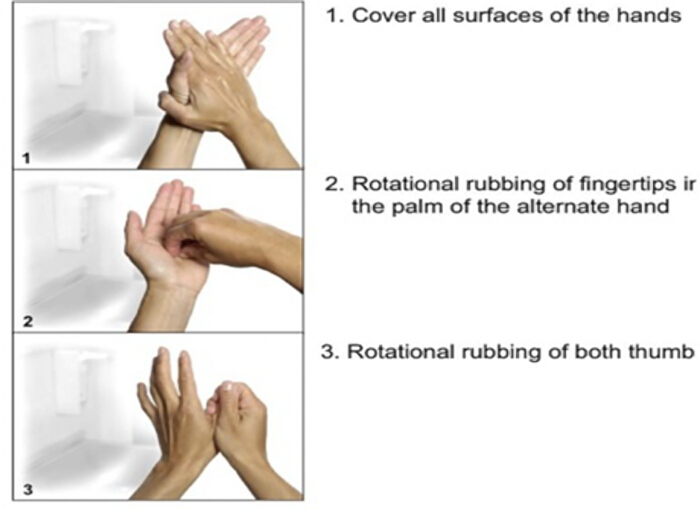
Figure 1: Illustration of the three-step hand hygiene (HH) technique. Please click here to view a larger version of this figure.
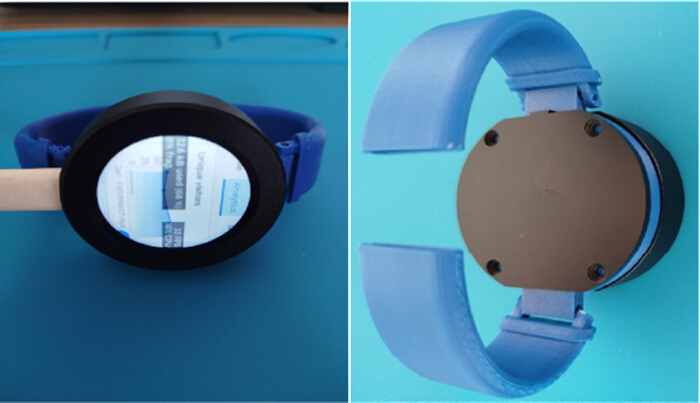
Figure 2: Prototype of the wrist-worn hand hygiene monitoring device. Please click here to view a larger version of this figure.
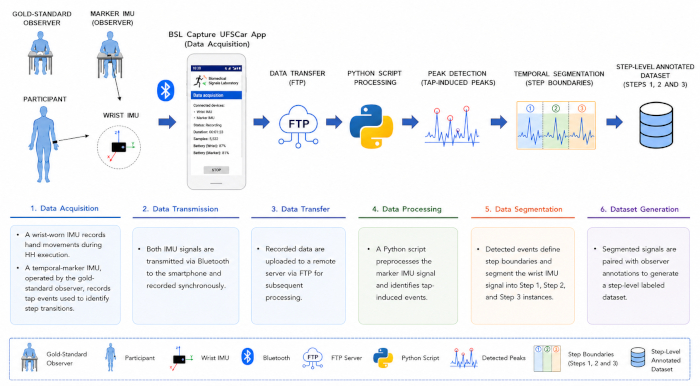
Figure 3: Workflow for data acquisition, processing, and segmentation. Please click here to view a larger version of this figure.
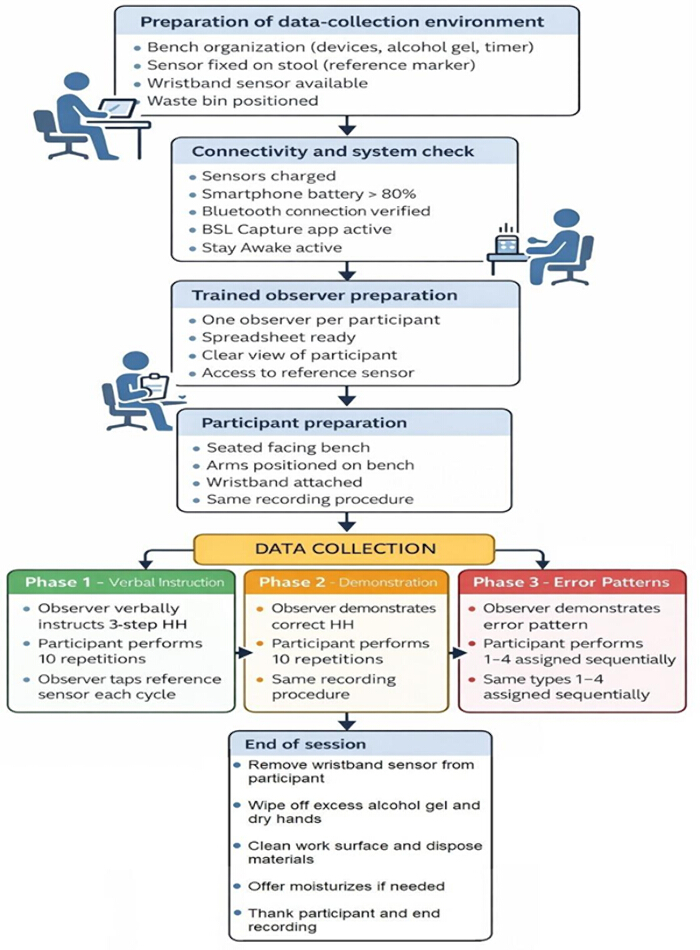
Figure 4: Schematic representation of the proposed method. Please click here to view a larger version of this figure.
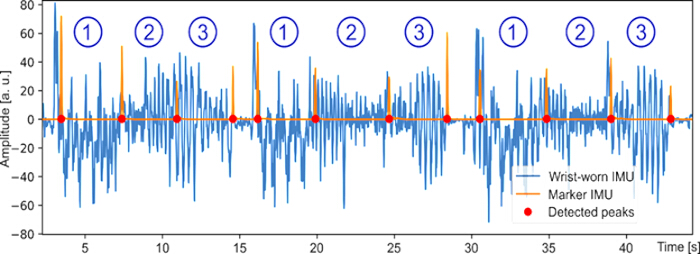
Figure 5: Step boundary detection and segmentation of three consecutive three-step hand hygiene executions. The wrist-worn inertial measurement unit (IMU) signal recorded from a participant is shown in blue, and the filtered tap-based temporal marker IMU signal is shown in orange. Tap-induced peaks used to identify transitions between hand hygiene steps are indicated by red circles. Individual steps within each hand hygiene execution are labeled 1, 2, and 3. Nine consecutive steps (three complete hand hygiene executions) are shown for illustration. Please click here to view a larger version of this figure.
Discussion
This study addresses criterion validity for step-wise HH technique assessment by combining a gold-standard observational labeling process with wearable inertial sensing and a reproducible temporal segmentation strategy. The discussion that follows interprets the methodological choices and outlines the expected scientific contributions, while remaining consistent with the study scope and the evidence generated through protocol execution and dataset construction.
Interpretation and contribution
A key contribution is demonstrating the feasibility of generating a step-resolved wearable-sensor dataset for the 3-step HH technique under controlled conditions that include both correct performance and representative incorrect patterns. The dataset size (50 participants, 1,500 full HH executions, 4,500 step segments) supports model development and evaluation at the movement (step) level, rather than treating HH as a single, undifferentiated activity.
By explicitly structuring acquisitions into three sections (oral instruction, oral plus visual demonstration, and instructed incorrect patterns), the study establishes coherent basis for analyzing how instructional context and error induction influence step-level kinematics and subsequent algorithmic discrimination19.
Methodological considerations
Using a second IMU as an external temporal marker, with tap-based indications at step boundaries, provides a mechanism for step delimitation that does not rely on post hoc, subjective video-only parsing. The subsequent peak-detection and segmentation algorithm implemented in Python operationalizes these boundary cues into a consistent pipeline, which is essential for dense temporal labeling and step-wise correctness classification.
The balanced distribution of four incorrect patterns across participants strengthens the internal structure of the “incorrect” class by reducing the risk of over-representing a single error mode. This is especially important given that the classification objective is step-specific correctness rather than generic anomaly detection.
Critical protocol steps
A critical aspect of the proposed protocol is preserving the temporal correspondence between the observer-based assessment and the inertial signals acquired from the wearable sensor. This objective depends on four interrelated stages. First, reliable acquisition of synchronized IMU signals is essential to ensure that no relevant movement information is lost during recording. Second, the trained observer must apply predefined evaluation criteria consistently, since these assessments constitute the ground-truth labels used for subsequent machine-learning development. Third, temporal markers generated with the auxiliary IMU must accurately indicate the transitions between consecutive hand hygiene steps, allowing synchronization between the observational assessment and the wearable-sensor recordings. Finally, successful peak detection and signal segmentation are fundamental to correctly isolate individual movement instances, as segmentation inaccuracies would directly affect the quality of the labeled dataset and could propagate errors to subsequent algorithm training and validation. Together, these stages establish the methodological foundation required to generate a reproducible, accurately annotated, and reliable reference dataset for future algorithm development.
Although the protocol was successfully implemented throughout the present study, several practical factors should be considered to ensure dataset quality during future applications. Stable communication between the IMUs and the acquisition application, together with reliable temporal-marker generation, is important to ensure successful data acquisition and subsequent signal segmentation. Recordings containing missing or ambiguous temporal markers should therefore be visually inspected and reacquired when necessary. In addition, consistent observer labeling is fundamental because these annotations constitute the ground truth for subsequent machine-learning development. Finally, visual verification of the segmented signals is recommended to confirm that the detected movement boundaries correspond to the expected hand hygiene steps before inclusion in the reference dataset.
Validity and generalizability
From a criterion-validity perspective, the central question is whether step-level correctness inferred from IMU signals corresponds to an independent external criterion, here represented by trained observation during acquisition. This design aligns the model target with an interpretable behavioral construct - correct execution of each of the three steps - rather than with indirect proxies. It also enables reporting agreement at the same granularity at which training labels are defined. However, criterion validity depends not only on the model but also on the reliability and consistency of the criterion itself. Accordingly, the observer procedures, the clarity of correctness definitions for each step, and the consistency of boundary signaling are critical elements that determine how defensible any observed agreement is.
Practical implications
The present study does not evaluate real-time feedback performance in clinical practice. Instead, it establishes and validates the acquisition, annotation, and temporal segmentation protocol used to generate the reference dataset for subsequent machine-learning development. Accordingly, the validated outcome of this study is the data acquisition protocol rather than the real-time monitoring system itself. Automated movement classification, real-time monitoring, and feedback functionalities remain objectives of subsequent stages of the project and were not evaluated in the present study. A step-wise assessment paradigm is clinically meaningful because it can support actionable feedback: identifying which specific step is incorrect is typically more operationally useful than providing a single pass/fail label for an entire HH attempt.
The three-section protocol provides a foundation for future analyses of how instruction and demonstration shape technique execution patterns, which may guide training strategies and the design of step-targeted feedback messages20. If translated into future real-time applications, a wrist-worn approach may complement direct observation by increasing the frequency and standardization of hand hygiene technique assessment without requiring continuous in-person auditing.
Compared with conventional direct observation, which remains the reference standard for assessing hand hygiene technique5, the proposed protocol combines expert assessment with synchronized wearable sensing and temporal-marker-based segmentation to generate objective movement-level annotations. Wearable IMU-based systems have become an established approach for human movement analysis because they support structured signal-processing pipelines comprising preprocessing, segmentation, feature extraction, and classification21. Moreover, recent reviews have highlighted the growing use of wearable sensors and other electronic monitoring systems for hand hygiene assessment, while also emphasizing their potential to complement conventional observation methods22. In this context, the present protocol was specifically designed to generate a high-quality annotated dataset that supports the future development and validation of machine-learning algorithms capable of assessing hand hygiene technique at the individual step level.
Limitations and future directions
The acquisitions were conducted in a controlled setting and included instructed incorrect patterns; the representativeness of the error distribution relative to routine clinical practice should be interpreted cautiously. External validation under real-world conditions would be required before making operational deployment claims23. Additionally, the use of a single trained observer and reliance on tap-based boundary signaling introduce potential sources of systematic bias and timing variability. These factors should be quantified in subsequent work (e.g., assessing boundary-detection robustness and observer consistency).
Future work should prioritize: (1) the development of artificial intelligence classification models, (2) conducting formal agreement analyses between model outputs and the observational criterion at the movement level, (3) evaluating different user groups and sensor placements, and (4) validating real-time monitoring and step-wise feedback performance in realistic clinical workflows. Accordingly, any statements regarding automated monitoring, usability, latency, efficiency, or clinical scalability should be interpreted as future objectives rather than outcomes demonstrated by the present study. Similarly, the potential impact of the proposed system on hand hygiene compliance or infection prevention remains to be established through future clinical validation.
Disclosures
The authors certify that they have no conflict of interest related to this study.
Acknowledgements
The authors gratefully acknowledge financial support from CNPq (Brazilian National Council for Scientific and Technological Development).
Materials
| Name | Company | Catalog Number | Comments |
|---|---|---|---|
| Adhesive tape | SCOTCH | 5802 | Fixation of reference IMU to stool |
| Alcohol-based hand rub (70%) | Giovanna Babby | - | Hand hygiene product |
| BSL Capture UFSCar application | LSBio/UFSCar | - | Smartphone application for IMU data acquisition |
| Inertial Measurement Unit (IMU) (2 units) | WitMotion | WT901BLECL | One wrist-worn IMU and one temporal-marker IMU |
| Laptop computer | ASUS | S46C | Data monitoring and processing |
| Laptop computer | Apple | MacBook Air M1 | Data monitoring and processing |
| Moisturizing cream | NIVEA | - | Participant comfort after HH execution |
| Paper towels | SNOB | - | Hand drying and cleaning |
| Python segmentation script | Custom-developed | - | Peak detection and temporal segmentation algorithm for IMU signals |
| Smartphone | XIAOMI | REDMI 13 | IMU data acquisition |
| Smartphone holder | - | - | Smartphone positioning during acquisition |
| Wet wipes | Pampers | - | Cleaning of participant hands and work surface |
References
- World Health Organization. Global report on infection prevention and control: executive summary [Internet]. Geneva: World Health Organization; 2022. Available from: https://cdn.who.int/media/docs/default-source/integrated-health-services-(ihs)/ipc/ipc-global-report/who_ipc_global-report_executive-summary.pdf
- World Health Organization. WHO research agenda for hand hygiene in health care 2023–2030: summary. Geneva: World Health Organization; 2023. Available from: https://iris.who.int/bitstream/handle/10665/367527/9789240073715-eng.pdf
- Valim MD, et al. Efficacy of the multimodal strategy for hand hygiene compliance: an integrative review. 2019;72(2):552-565.
- Toney-Butler TJ, Gasner A, Carver N. Hand hygiene. In: StatPearls [Internet]. Treasure Island (FL): StatPearls Publishing; 2023. Available from: https://www.ncbi.nlm.nih.gov/books/NBK470254/
- World Health Organization. WHO guidelines on hand hygiene in health care: first global patient safety challenge Clean Care is Safer Care. Geneva: World Health Organization; 2009: WHO/IER/PSP/2009/01.
- World Health Organization. Interim recommendations on obligatory hand hygiene against transmission of COVID-19. Geneva: World Health Organization; 2020. Available from: https://www.who.int/publications/m/item/interim-recommendations-on-obligatory-hand-hygiene-against-transmission-of-covid-19
- Price L, et al. Comparing the effectiveness of hand hygiene techniques in reducing the microbial load and covering hand surfaces in healthcare workers: updated systematic review. Am J Infect Control. 2022;50(10):1079-1090.
- Tschudin-Sutter S, et al. Simplifying the WHO "how to hand rub" technique: three steps are as effective as six—results from an experimental randomized crossover trial. Clin Microbiol Infect. 2017;23(6):409-414.
- Tschudin-Sutter S, et al. Simplifying the World Health Organization protocol: 3 steps versus 6 steps for performance of hand hygiene in a cluster-randomized trial. Clin Infect Dis. 2019;69(4):614-620.
- Stadler RN, Tschudin-Sutter S. What is new with hand hygiene? Curr Opin Infect Dis. 2020;33(4):327-232.
- Valim MD, et al. The impact of an effective 3-step hand hygiene technique in reducing potentially pathogenic microorganisms found on nursing professionals' hands. J Infect Dev Ctries. 2023;17(8):1088-1098.
- Valim MD, et al. Adherence to hand hygiene technique: an observational study. Acta Paul Enferm. 2024;37:eAO0001262.
- Campbell JC, Hindle A, Stroulia E. The art and science of analyzing software data. Burlington (MA): Morgan Kaufmann; 2013.
- Cunha CM, Neto OPA, Stackfleth R. Main psychometric evaluation methods of the validity of measuring instruments. Rev Aten Saúde. 2016;14(47):75-83.
- Pasquali L. Psicometria. Rev Esc Enferm USP. 2009;43:992-999.
- Boyce JM, Pittet D. Guideline for hand hygiene in health care settings: recommendations of the Healthcare Infection Control Practices Advisory Committee and the HICPAC/SHEA/APIC/IDSA Hand Hygiene Task Force. MMWR Recomm Rep. 2002;51(RR-16):1-45.
- Ramachandra S, Hoelzemann A, Van Laerhoven K. Transformer networks for data augmentation of human physical activity recognition. arXiv. 2021. arXiv:2109.04054.
- Brasil. Conselho Nacional de Saúde. Resolução nº 466, de 12 de dezembro de 2012. Brasília: Conselho Nacional de Saúde; 2012.
- Dirgová Luptáková I, Kubovčík M, Pospíchal J. Wearable sensor-based human activity recognition with transformer model. Sensors (Basel). 2022;22(5):1911.
- Srigley JA, Furness CD, Baker GR, Gardam M. Quantification of the Hawthorne effect in hand hygiene compliance monitoring using an electronic monitoring system: a retrospective cohort study. BMJ Qual Saf. 2014;23(12):974-980.
- Ghasemzadeh H, Ostadabbas S, Guenterberg E, Pantelopoulos A. Wireless medical-embedded systems: a review of signal-processing techniques for classification. IEEE Sens J. 2013;13(2):423-437.
- Wang Y, Xu C, Xiang W, et al. Electronic monitoring systems for hand hygiene: systematic review of technology. J Med Internet Res. 2021;23(11):e27880.
- Gould DJ, Moralejo D, Drey N, Chudleigh JH. Interventions to improve hand hygiene compliance in patient care. Cochrane Database Syst Rev. 2010;(9):CD005186.
Reprints and Permissions
This article has been published
Video Coming Soon