This systematic review and meta-analysis evaluated the efficacy and safety of Xiaoaiping Injection (XAP) combined with chemotherapy versus chemotherapy alone in patients with breast cancer. This study aimed to provide an evidence-based reference for clinical decision-making by systematically searching electronic databases and quantitatively synthesizing randomized controlled trial evidence.
Research Article
Xiaoaiping Injection Combined with Chemotherapy Versus Chemotherapy Alone for Breast Cancer: A Systematic Review and Meta-Analysis
In This Article
Summary
Abstract
This systematic review and meta-analysis evaluated the efficacy and safety of Xiaoaiping Injection (XAP) combined with chemotherapy versus chemotherapy alone in patients with breast cancer and aimed to provide an evidence-based reference for clinical treatment. PubMed, Embase, Web of Science, the Cochrane Library, China National Knowledge Infrastructure (CNKI), Wanfang Data, and the China Biomedical Literature Database (CBM) were searched from inception to April 30, 2025, for studies on breast cancer. Pairwise meta-analyses were performed using Stata 17.0 and RevMan 5.4.1. A total of eight studies were included. Pooled analysis indicated that, compared with chemotherapy alone, Xiaoaiping Injection combined with chemotherapy significantly improved outcomes in patients with breast cancer (P < 0.05), reduced the incidence of chemotherapy-induced adverse effects [RR = 0.67, 95% CI (0.54, 0.82), Z = 3.79, P = 0.0002], and increased the objective response rate [RR = 1.37, 95% CI (1.21, 1.55), Z = 5.11, P < 0.00001]. Thus, Xiaoaiping Injection combined with chemotherapy was more effective than chemotherapy alone for breast cancer, reducing the incidence of gastrointestinal adverse reactions and improving the objective response rate. Nevertheless, further studies are needed to provide more robust supporting evidence.
Introduction
Breast cancer is a malignant neoplasm originating from the epithelial tissues of the breast and represents a major global public health burden1. According to the latest estimates from the International Agency for Research on Cancer (IARC) of the World Health Organization (WHO), breast cancer is among the most frequently diagnosed malignancies worldwide and remains a leading cause of cancer-related mortality among women. In the United States, breast cancer is the most commonly diagnosed cancer among women and represents the second leading cause of cancer-related death after lung cancer2. In China, breast cancer exhibits distinct epidemiological characteristics, with peak incidence occurring at approximately 45–54 years of age, nearly a decade earlier than that observed in many Western countries3. Moreover, the incidence of breast cancer in China has increased substantially in recent years, highlighting the urgent need to develop and optimize effective and safe therapeutic strategies.
Despite considerable advances in surgery, radiotherapy, endocrine therapy, targeted therapy, and systemic chemotherapy, chemotherapy remains an important component of treatment for patients with advanced or high-risk breast cancer. However, the therapeutic efficacy of chemotherapy may be limited by drug resistance, disease progression, and treatment-related toxicities. Consequently, increasing attention has been paid to integrating conventional chemotherapy with complementary pharmacological interventions to enhance antitumor efficacy and reduce treatment-associated adverse effects.
Tongguang Vine (Marsdenia tenacissima (Roxb.) Wight et Arn.), a medicinal plant belonging to the family Apocynaceae (formerly Asclepiadaceae) and primarily distributed in Yunnan, Guizhou, Sichuan, and other regions of China, has a long history of use in traditional Chinese medicine4. According to the Yunnan Materia Medica, Tongguang Vine is characterized by bitter and astringent properties and is traditionally used to clear heat, detoxify, promote diuresis, and stimulate lactation. Phytochemical investigations have identified multiple bioactive constituents in Tongguang Vine, including steroidal glycosides, polysaccharides, and alkaloids5. Accumulating experimental evidence suggests that these constituents may exert pharmacological activities relevant to cancer treatment, including inhibitory effects on tumor cell proliferation and progression in lung, liver, and gastric cancers6. Xiaoaiping Injection, a clinically used injectable preparation derived from Tongguang Vine, has subsequently been investigated as an adjunctive therapy for cancer7. Importantly, preclinical and clinical studies suggest that combining Xiaoaiping Injection with conventional anticancer therapies may provide therapeutic benefits. However, the magnitude and consistency of these effects, particularly the efficacy of Xiaoaiping Injection combined with first-line chemotherapy, remain uncertain.
Although several randomized controlled trials (RCTs) have evaluated the efficacy and safety of Xiaoaiping Injection combined with chemotherapy for cancer treatment, the available evidence has not been systematically synthesized with adequate consideration of evidence quality and consistency. Individual studies have generally been limited by relatively small sample sizes, heterogeneous chemotherapy regimens, and differences in outcome assessment, which may contribute to uncertainty about the reproducibility and clinical applicability of the reported therapeutic effects. Furthermore, the potential benefits of this combination therapy must be carefully weighed against the risk of adverse events, and the overall balance between efficacy and safety remains inadequately clarified. Therefore, a critical evidence gap remains regarding whether adding Xiaoaiping Injection to first-line chemotherapy yields clinically meaningful improvements in treatment efficacy without increasing treatment-related toxicity.
The hypothesis underlying the present study was that Xiaoaiping Injection, when administered in combination with first-line chemotherapy, may enhance antitumor effects and improve selected clinical outcomes compared with chemotherapy alone while maintaining an acceptable safety profile. To address this evidence gap, available RCTs were systematically reviewed and quantitatively synthesized in accordance with the Preferred Reporting Items for Systematic Reviews and Meta-Analyses (PRISMA) guidelines8. Specifically, the meta-analysis aimed to comprehensively evaluate the efficacy and safety of Xiaoaiping Injection combined with first-line chemotherapy in patients with breast cancer, with particular attention to treatment response, disease control, survival-related outcomes, quality of life, and treatment-related adverse events. Through the integration and quantitative synthesis of available randomized evidence, the analysis sought to clarify the therapeutic value and safety profile of this combination strategy, assess the consistency of findings and potential sources of heterogeneity across existing trials, and provide a more robust evidence base for clinical decision-making and the rational integration of traditional Chinese medicine-derived interventions with conventional chemotherapy.
Protocol
Search strategy
A systematic literature search was conducted to identify randomised controlled trials (RCTs) evaluating the efficacy and safety of Xiaoaiping Injection (XAP) combined with conventional chemotherapy for the treatment of breast cancer. The following electronic databases were searched from inception to April 30, 2025: PubMed, Embase, Web of Science, the Cochrane Library, China National Knowledge Infrastructure (CNKI), Wanfang Data, the China Biomedical Literature Database (CBM), and the World Intellectual Property Organization (WIPO) database. The search strategy was developed using a combination of controlled vocabulary, including Medical Subject Headings (MeSH), and free-text terms related to the intervention and disease of interest.
The search terms comprised two conceptual domains: Xiaoaiping Injection and its active constituents or botanical source, and breast cancer and related terminology. Synonyms and spelling variants were considered to maximize search sensitivity. The English search terms included, but were not limited to, Xiaoaiping Injection, Xiao Ai Ping, Xiaoaiping, Marsdenia tenacissima, Marsdeniae tenacissimae extract, breast cancer, breast neoplasm, breast carcinoma, breast tumor, mammary cancer, malignant neoplasm of the breast, and breast malignant neoplasm.
The search strategy was adapted to the specific syntax and indexing characteristics of each database. The PubMed search strategy was as follows: (“Xiaoaiping” OR “Xiao Ai Ping” OR “Xiaoaiping Injection” OR “Marsdenia tenacissima” OR “Marsdeniae tenacissimae extract”) AND (“Breast Neoplasms” OR “Breast Cancer” OR “Breast Carcinoma” OR “Breast Tumor” OR “Mammary Cancer” OR “Malignant Neoplasm of Breast” OR “Breast Malignant Neoplasm”). Complete search strategies for all databases were provided in the Supplementary Materials. In addition, the reference lists of all eligible studies and relevant systematic reviews were manually screened to identify potentially relevant studies not retrieved through the electronic database searches. No restrictions were imposed on publication year, whereas publications were restricted to Chinese or English.
The search strategy was designed to balance sensitivity and specificity and was subsequently adapted for the other electronic databases. All retrieved records were imported into reference management software for deduplication and subsequent screening.
Study design
This systematic review and meta-analysis included prospective RCTs that investigated the efficacy and/or safety of Xiaoaiping Injection combined with conventional chemotherapy in patients with breast cancer. Only RCTs were eligible for inclusion. Observational studies, including cross-sectional, cohort, and case-control studies, were excluded because the primary objective was to estimate comparative treatment effects based on randomized evidence.
The systematic review and meta-analysis were conducted and reported in accordance with the Preferred Reporting Items for Systematic Reviews and Meta-Analyses (PRISMA 2020) statement8. The review questions, eligibility criteria, and analysis plan were established before study selection and data extraction, and the completed review was reported in accordance with the PRISMA 2020 checklist.
Eligibility criteria
Studies were selected according to the Population, Intervention, Comparator, Outcomes, and Study Design (PICOS) framework.
Inclusion criteria
Eligible studies included adult patients with a confirmed diagnosis of breast cancer, regardless of tumor stage, histological subtype, or treatment setting. The intervention consisted of Xiaoaiping Injection combined with conventional chemotherapy, with the dosage, treatment duration, and specific chemotherapy regimen recorded as reported in each eligible study. The comparator consisted of conventional chemotherapy alone, using the same or a comparable regimen to that administered in the intervention group. Eligible studies were required to report at least one prespecified outcome of interest, including objective response rate (ORR), disease control rate (DCR), quality of life, progression-related outcomes, or treatment-related adverse events. Biochemical and hematological indicators were also considered when reported as clinically relevant safety or treatment-response outcomes. Only prospective RCTs with a parallel-group design and publications in Chinese or English were included.
Exclusion criteria
Duplicate publications or multiple reports derived from the same patient population were excluded. When multiple publications reported data from overlapping cohorts, the publication containing the most comprehensive or most recent data was retained. Studies were also excluded when the full text was unavailable or when sufficient outcome data could not be extracted after attempts to obtain the necessary information.
Non-randomized studies, including cross-sectional, cohort, case-control, retrospective, case series, and case report studies, were excluded. Animal experiments, in vitro studies, pharmacological studies, mechanistic studies, and basic laboratory research were also excluded. Reviews, systematic reviews, meta-analyses, conference abstracts, expert opinions, qualitative studies, commentaries, and other non-original research articles were not eligible.
Studies were additionally excluded when Xiaoaiping Injection was not administered as an adjunct to conventional chemotherapy, when the intervention could not be distinguished from other concomitant treatments, when no prespecified efficacy or safety outcome relevant to the objectives of the systematic review was reported, or when the intervention, comparator, study population, or outcome measures were inconsistent with the predefined eligibility criteria.
Study selection and data extraction
All records identified through the database searches were imported into reference management software for deduplication. Two investigators independently screened the retrieved records using a two-stage process. Titles and abstracts were initially screened according to the predefined eligibility criteria, and clearly irrelevant studies were excluded. For records that could not be definitively classified based on the title and abstract, the full text was retrieved and independently assessed by both investigators. Reasons for exclusion during full-text screening were documented.
Data extraction was independently performed by two investigators using a standardized data extraction form. Extracted information included the first author and year of publication; country or region; study design and sample size; patient characteristics, including age and disease status; intervention characteristics, including Xiaoaiping Injection dosage and treatment duration; chemotherapy regimen and treatment duration; comparator characteristics; reported efficacy outcomes; reported safety outcomes and adverse events; duration of follow-up; and methodological characteristics relevant to the risk-of-bias assessment. Discrepancies between the two investigators were resolved through discussion. When consensus could not be reached, a third investigator independently reviewed the relevant study and adjudicated the disagreement.
Risk-of-bias assessment
The methodological quality and risk of bias of the included RCTs were independently assessed by two investigators using the Cochrane Risk of Bias 2 (RoB 2) tool, which was specifically developed for randomized controlled trials.
Five domains were evaluated: bias arising from the randomization process, bias due to deviations from intended interventions, bias due to missing outcome data, bias in measurement of the outcome, and bias in selection of the reported result. Each domain was judged as low risk of bias, some concerns, or high risk of bias according to the RoB 2 assessment criteria. The overall risk of bias for each outcome was determined from the domain-level assessments.
The risk-of-bias assessment was independently performed by two investigators. Disagreements were resolved through discussion, with consultation with a third investigator when necessary. The Newcastle–Ottawa Scale (NOS) was not used because the systematic review was restricted to RCTs, for which RoB 2 was the appropriate methodological framework for assessing risk of bias.
Statistical analysis
All statistical analyses were performed using statistical meta-analysis software. The primary statistical analysis followed a pairwise meta-analysis framework because the eligible studies directly compared two treatment strategies: Xiaoaiping Injection combined with conventional chemotherapy versus conventional chemotherapy alone. Forest plots and funnel plots were generated using systematic review and meta-analysis software.
For continuous outcomes measured using the same scale across studies, the mean difference (MD) and corresponding 95% confidence interval (CI) were calculated. When the same outcome was assessed using different measurement scales, the standardized mean difference (SMD) and corresponding 95% CI were calculated. For dichotomous outcomes, including objective response rate, disease control rate, and adverse events, the risk ratio (RR) or odds ratio (OR), together with the corresponding 95% CI, was calculated as appropriate for the available data.
Statistical heterogeneity among studies was assessed using Cochran’s Q test and the I2 statistic. I2 values of approximately 25%, 50%, and 75% were considered indicative of low, moderate, and high heterogeneity, respectively. When substantial heterogeneity was identified, potential sources were explored by examining differences in patient characteristics, chemotherapy regimens, Xiaoaiping Injection dosage, treatment duration, and outcome definitions.
A random-effects model was used as the primary analytical approach because clinical and methodological heterogeneity were anticipated across the included RCTs. When heterogeneity was negligible and the clinical characteristics of the included studies were sufficiently comparable, a fixed-effect model was considered in sensitivity analyses.
Sensitivity analyses were conducted, where appropriate, by sequentially excluding individual studies in leave-one-out analyses or by excluding studies at high risk of bias to assess the robustness of the pooled estimates.
When sufficient studies were available, subgroup analyses were performed according to clinically relevant characteristics, including chemotherapy regimen, treatment duration, Xiaoaiping Injection dosage, and disease or treatment characteristics. These analyses were considered exploratory, and the results were interpreted with caution.
Potential publication bias was assessed descriptively using funnel plots for each outcome. Because fewer than 10 studies contributed to each outcome, formal statistical tests for publication bias, such as Egger’s regression test, and trim-and-fill analyses were not performed. All statistical tests were two-sided, and a P value < 0.05 was considered statistically significant.
Results
Literature screening process and results
A total of 573 publications were initially identified. After stepwise screening, eight studies were included9,10,11,12,13,14,15,16. The literature screening process is presented in Figure 1. The database searches yielded 573 records, of which 11 duplicates were removed. After title and abstract screening, five records were excluded, and 13 articles underwent full-text assessment. Following assessment against the predefined eligibility criteria, eight studies were included in the qualitative and quantitative synthesis. The complete study-selection process was conducted in accordance with the PRISMA 2020 guidelines (Figure 1).
The characteristics of the eight included studies are summarised in Table 1. A total of 651 patients were enrolled: 325 in the experimental group receiving Xiaoaiping Injection (XAP) combined with chemotherapy, and 326 in the control group receiving conventional chemotherapy alone. Individual study sample sizes ranged from 67 to 96 patients. The studies were published between 2015 and 2021 and included various breast cancer populations, including patients with triple-negative breast cancer, advanced breast cancer, and metastatic triple-negative breast cancer. Across the eight studies, XAP was administered in combination with various chemotherapy regimens, including epirubicin, SOX (oxaliplatin plus S-1), TE (paclitaxel plus epirubicin), capecitabine, paclitaxel plus cisplatin, and AT (docetaxel plus doxorubicin), whereas the control groups received the corresponding chemotherapy regimens alone (Table 1).
The primary outcome measures reported across the included studies were objective response rate (ORR) and adverse effects, particularly gastrointestinal adverse reactions and myelosuppression. The ORR was calculated as (CR + PR)/(CR + PR + SD + PD) × 100%, where CR, PR, SD, and PD represented complete remission, partial remission, stable disease, and progressive disease, respectively. The tumor response assessment criteria applied in the included studies are summarised in Table 2 and Table 3.
Response evaluation criteria in solid tumors
The Response Evaluation Criteria in Solid Tumors (RECIST) are presented in Table 2. Complete remission (CR) was defined as the disappearance of all target lesions, partial remission (PR) as a ≥30% decrease from baseline in the sum of the longest diameters of target lesions, progressive disease (PD) as a ≥20% increase in the sum of the longest diameters or the appearance of new lesions, and stable disease (SD) as changes that met neither the criteria for PR nor those for PD (Table 2).
World Health Organization solid tumor response criteria
The World Health Organization (WHO) criteria for evaluating solid tumor response are presented in Table 3. Under the WHO criteria, CR was defined as the disappearance of lesions for more than four weeks without the appearance of new lesions, PR as a ≥50% decrease in the product of the maximum diameter and its maximum perpendicular diameter for more than four weeks, SD as a <50% decrease or ≤25% increase in the same product for more than four weeks, and PD as a >25% increase in the product or the appearance of new lesions (Table 3).
Literature quality assessment
The methodological quality and risk of bias of the eight included RCTs were assessed using the Cochrane Risk of Bias 2 (RoB 2) tool. Domain-level judgments for each included study are presented in Figure 2. All eight studies were judged to be at low risk of bias for the randomization process because the methods of random sequence generation and, where reported, allocation concealment were adequately described. For deviations from intended interventions, blinding of participants and personnel was not reported in most studies, resulting in judgments of some concerns, whereas blinding of outcome assessors was reported in some studies and was assessed accordingly. All studies were judged to be at low risk of bias for missing outcome data because the numbers of patients analyzed were consistent with those randomized, and no dropouts were reported. No evidence of selective reporting was identified for the prespecified outcomes, and no other obvious sources of bias were detected.
The proportions of studies judged to be at low risk of bias, to raise some concerns, or to be at high risk of bias for each RoB 2 domain are summarised in Figure 3. The overall risk of bias across the outcomes of interest was judged to range from low risk to some concerns, supporting interpretation of the subsequent meta-analyses while acknowledging the methodological limitations of the included evidence (Figure 3).
Objective response rate
The pooled analysis of ORR for XAP plus chemotherapy versus conventional chemotherapy alone is shown in Figure 4. A total of 236 patients in the experimental group received XAP combined with chemotherapy, of whom 189 achieved an objective response, corresponding to an ORR of 80.08%. Among 235 patients in the control group who received conventional chemotherapy alone, 137 achieved an objective response, corresponding to an ORR of 58.30%. No significant heterogeneity was detected (P = 0.49, I2 = 0%); therefore, a fixed-effect model was used. The pooled effect estimate was RR = 1.37 (95% CI: 1.21–1.55), Z = 5.11, P < 0.00001. In the forest plot, the pooled effect estimate was located to the right of the null line (RR = 1), within the region favoring the experimental group, and the confidence interval did not cross the null line (Figure 4). These findings indicated that XAP combined with chemotherapy was associated with a significantly higher ORR than chemotherapy alone.
Publication bias assessment for the objective response rate
Potential publication bias for ORR was assessed descriptively using a funnel plot (Figure 5). Six studies contributed to this outcome. The distribution of effect estimates was visibly asymmetric, although all points were within the 95% confidence region, and several studies were near the midline. These findings suggested possible publication bias or small-study effects. Because fewer than 10 studies contributed to this outcome, formal statistical tests for publication bias were not performed.
Gastrointestinal adverse reactions
The pooled analysis of gastrointestinal adverse reactions for XAP plus chemotherapy versus conventional chemotherapy alone is shown in Figure 6. A total of 325 patients in the experimental group received XAP combined with chemotherapy, of whom 74 experienced gastrointestinal adverse reactions, corresponding to an incidence of 22.77%. Among 326 patients in the control group who received chemotherapy alone, 111 experienced gastrointestinal adverse reactions, corresponding to an incidence of 34.05%. Moderate-to-substantial heterogeneity was detected (P = 0.009, I2 = 63%); therefore, a random-effects model was used. The pooled effect estimate was RR = 0.67 (95% CI: 0.54–0.82), Z = 3.79, P = 0.0002. The pooled effect estimate was located to the left of the null line (RR = 1), within the region favoring the experimental group, and the confidence interval did not cross the null line (Figure 6). These findings indicated that XAP combined with chemotherapy was associated with a significantly lower incidence of gastrointestinal adverse reactions than chemotherapy alone.
To explore the observed heterogeneity, prespecified subgroup analyses stratified by chemotherapy regimen (AT, TE, SOX, and other regimens) were performed, and leave-one-out sensitivity analyses were also conducted. The direction and statistical significance of the pooled effect remained unchanged across these analyses, indicating that the overall finding was robust.
Potential publication bias for gastrointestinal adverse reactions was assessed descriptively using a funnel plot (Figure 7). Eight studies contributed to this outcome. The distribution of effect estimates was asymmetric, with the study with the largest sample size outside the 95% confidence region, two smaller studies yielding smaller effect estimates, and one study close to or across the midline. These findings suggested heterogeneity and possible publication bias (Figure 7).
Myelosuppression
The pooled analysis of myelosuppression for XAP combined with chemotherapy versus conventional chemotherapy alone is presented in Figure 8. A total of 325 patients in the experimental group received XAP combined with chemotherapy, of whom 85 developed myelosuppression. Among 326 patients in the control group who received chemotherapy alone, 117 developed myelosuppression. Low heterogeneity was detected (P = 0.23, I2 = 25%); therefore, a fixed-effect model was used. The pooled effect estimate was RR = 0.73 (95% CI: 0.61–0.88), Z = 3.37, P = 0.0007. The pooled effect estimate was located to the left of the null line (RR = 1), within the region favoring the experimental group, and the confidence interval did not cross the null line (Figure 8). These findings indicated that XAP combined with chemotherapy was associated with a significantly lower incidence of myelosuppression than chemotherapy alone.
Potential publication bias for myelosuppression was assessed descriptively using a funnel plot (Figure 9). Eight studies contributed to this outcome. The distribution of effect estimates was asymmetric, with one study outside the 95% confidence region, one small study yielding a relatively small effect estimate, and several studies close to or across the midline. These findings suggested possible publication bias or small-study effects (Figure 9).
DATA AVAILABILITY:
All relevant data supporting the findings of this study are available in the Supplementary File 1.
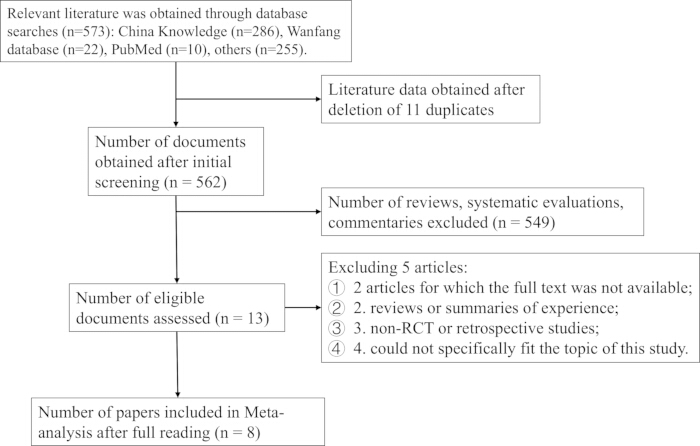
Figure 1: Literature screening and study selection process. Flow diagram showing identification, screening, eligibility assessment, and inclusion of eight studies according to PRISMA 2020. Please click here to view a larger version of this figure.
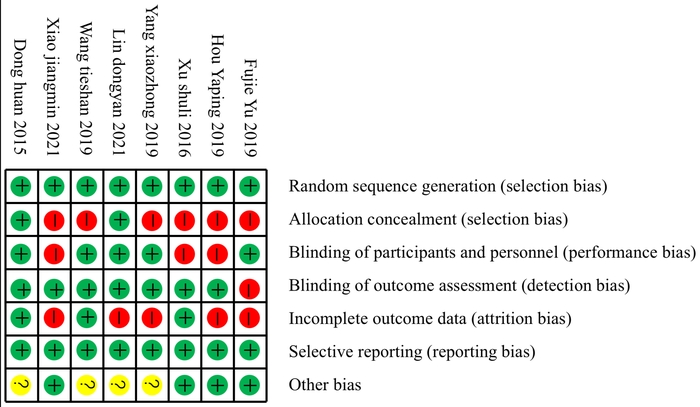
Figure 2: Risk of bias assessment of the included studies. Domain-level risk-of-bias judgments for the eight included randomized controlled trials using the Cochrane Risk of Bias 2 tool. Please click here to view a larger version of this figure.
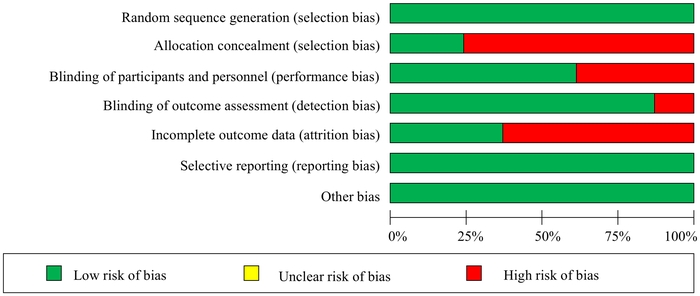
Figure 3: Summary of risk of bias across the included studies. Proportions of studies classified as low risk, some concerns, or high risk of bias for each assessed domain. Please click here to view a larger version of this figure.
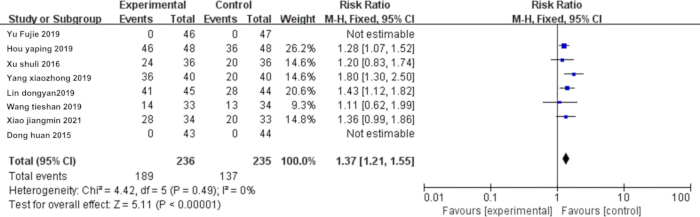
Figure 4: Forest plot of the objective response rate. Comparison of Xiaoaiping Injection combined with chemotherapy versus chemotherapy alone. Abbreviations: RR = risk ratio; CI = confidence interval. Please click here to view a larger version of this figure.
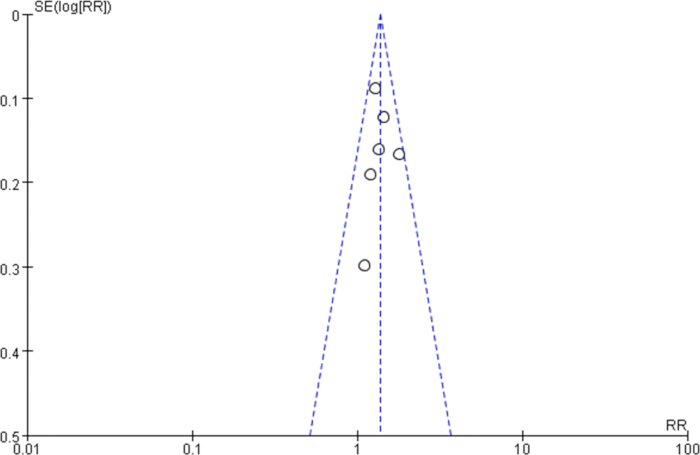
Figure 5: Funnel plot of the objective response rate. Funnel plot for assessment of potential publication bias among studies reporting objective response rate. Please click here to view a larger version of this figure.
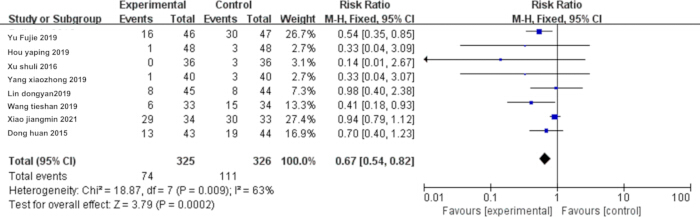
Figure 6: Forest plot of gastrointestinal adverse reactions. Comparison of Xiaoaiping Injection combined with chemotherapy versus chemotherapy alone. Abbreviations: RR = risk ratio; CI = confidence interval. Please click here to view a larger version of this figure.
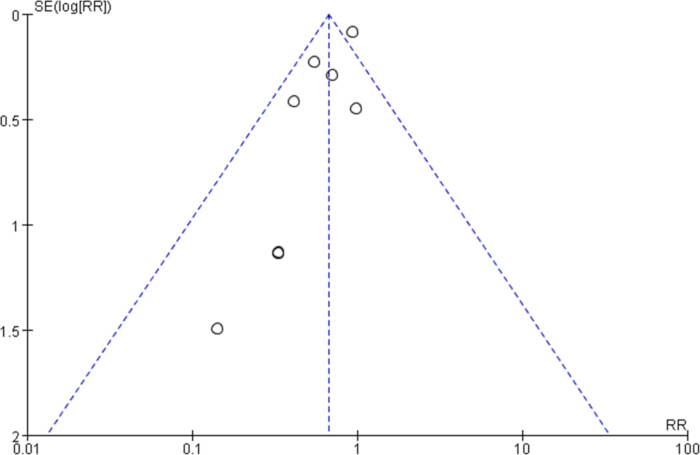
Figure 7: Funnel plot of gastrointestinal adverse reactions. Funnel plot for assessment of potential publication bias among studies reporting gastrointestinal adverse reactions. Please click here to view a larger version of this figure.
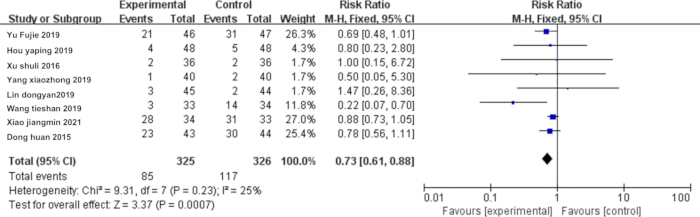
Figure 8: Forest plot of myelosuppression. Comparison of Xiaoaiping Injection combined with chemotherapy versus chemotherapy alone. Abbreviations: RR = risk ratio; CI = confidence interval. Please click here to view a larger version of this figure.
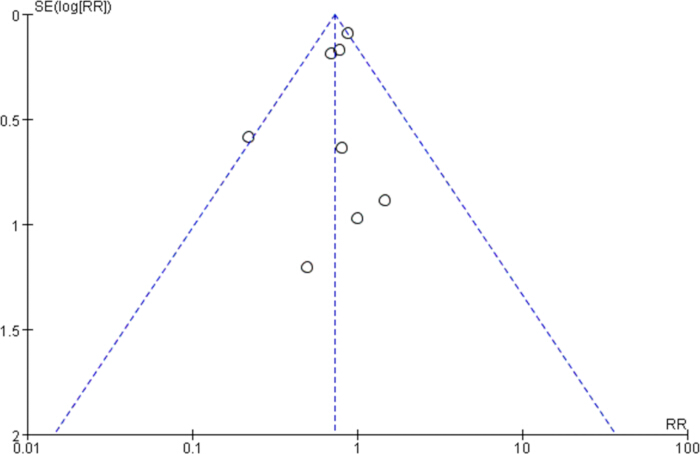
Figure 9: Funnel plot of myelosuppression. Funnel plot assessing potential publication bias among studies reporting myelosuppression. Please click here to view a larger version of this figure.
Table 1: Characteristics of the included studies. Summary of study populations, sample sizes, interventions, comparators, and chemotherapy regimens. Please click here to download this Table.
Table 2: Response Evaluation Criteria in Solid Tumors. Criteria used to classify complete remission, partial remission, stable disease, and progressive disease. Abbreviations: CR = complete remission; PR = partial remission; SD = stable disease; PD = progressive disease; RECIST = Response Evaluation Criteria in Solid Tumors. Please click here to download this Table.
Table 3: World Health Organization criteria for solid tumor response. Criteria used to classify complete remission, partial remission, stable disease, and progressive disease. Abbreviations: CR = complete remission; PR = partial remission; SD = stable disease; PD = progressive disease; WHO = World Health Organization. Please click here to download this Table.
Supplementary File 1: Raw data underlying the study. Please click here to download this file.
Discussion
To the best of current knowledge, this is the first systematic review and meta-analysis to specifically evaluate the efficacy and safety of Xiaoaiping Injection (XAP) combined with chemotherapy in patients with breast cancer. The pooled findings indicated that XAP combined with chemotherapy was associated with a higher objective response rate (ORR) and lower incidences of gastrointestinal adverse reactions and myelosuppression than chemotherapy alone, providing quantitative evidence regarding the potential adjunctive value of XAP in breast cancer chemotherapy. Among 236 patients receiving XAP combined with chemotherapy, 189 achieved an objective response, compared with 137 of 235 patients receiving chemotherapy alone. The pooled estimate indicated a significantly higher ORR with combination therapy (RR = 1.37; 95% CI, 1.21–1.55; P < 0.00001). Sheng et al.1,17demonstrated that the growth and invasion of breast cancer lesions were closely associated with the blood supply of tumor tissues and that chemotherapeutic agents could inhibit tumor growth by disrupting the tumor blood supply. Liu et al.18,19 reported that combined chemotherapeutic agents could inhibit tumor cell proliferation, reduce blood perfusion and neovascularisation in tumor tissues, decrease cellular oxygen availability, and induce tumor cell apoptosis. In a meta-analysis of 10 randomized controlled trials (RCTs) involving 814 patients with advanced gastric cancer, XAP combined with first-line chemotherapy improved short-term ORR, progression-free survival, and overall survival compared with chemotherapy alone20. Previous evidence has also suggested favorable clinical efficacy and safety of XAP combined with chemotherapy21. Collectively, these findings supported the potential therapeutic value of XAP as an adjunct to chemotherapy; however, a survival benefit in breast cancer could not be established from the available evidence.
The incidence of gastrointestinal adverse reactions was 22.77% in the XAP-combined chemotherapy group compared with 34.05% in the chemotherapy-alone group. Yang et al.22,23 reported that, among patients with advanced lung cancer receiving XAP combined with albumin-bound paclitaxel and carboplatin, traditional Chinese medicine symptom scores, including shortness of breath, dry mouth, cough with sputum, and fatigue, were lower than those observed with chemotherapy alone. Serum levels of LTBP2, CA125, CCL11, CYFRA21-1, and CD8+ were lower in the combination group, whereas CD3+, CD4+, and the CD4+/CD8+ ratio were higher (P < 0.05). The combination regimen was also associated with an increased disease control rate, improvements in clinical symptoms, cellular immune function, and serum tumor markers, a higher 1-year survival rate, and a lower incidence of adverse reactions in patients with advanced lung cancer. Fehrenbacher et al.24 reported that chemotherapy could cause peripheral neuropathy, whereas Lyman et al.25 identified febrile neutropenia as a serious adverse effect of myelosuppressive chemotherapy. Together with the pooled breast cancer findings, these observations suggested that adjunctive XAP might reduce selected chemotherapy-associated adverse effects.
Myelosuppression is a common and potentially serious complication of chemotherapy and radiotherapy, characterised by decreased peripheral blood cell counts and associated with impaired treatment tolerance and an increased risk of adverse clinical outcomes26. Chemotherapeutic agents can cause acute myelosuppression by depleting hematopoietic stem cells and disrupting the bone marrow hematopoietic microenvironment responsible for producing hematopoietic regulatory factors27,28. In the present meta-analysis, the incidence of myelosuppression was significantly lower with XAP combined with chemotherapy than with chemotherapy alone (RR = 0.73, 95% CI: 0.61–0.88, P = 0.0007). Meng et al.29 similarly reported that XAP combined with chemotherapy improved clinical symptoms and myelosuppression and enhanced quality of life in patients with intermediate- or advanced-stage lung cancer. These findings suggest that adjunctive XAP may benefit chemotherapy-induced myelosuppression, although the underlying mechanisms and clinical relevance require further investigation.
Several limitations should be considered when interpreting these findings. First, only Chinese- and English-language publications were included, and all included studies were conducted in China, limiting the external validity and generalisability of the findings to other ethnic populations and healthcare settings. Second, only eight studies were included, comprising seven Chinese-language publications and one English-language publication, and fewer than 10 studies contributed to each outcome. Formal statistical tests for publication bias and trim-and-fill analyses were therefore not performed. Funnel plots for ORR, gastrointestinal adverse reactions, and myelosuppression were visibly asymmetric, and potential publication bias could not be excluded. Because smaller studies with negative findings may be less likely to be published, the pooled effect estimates may have been overestimated, and the magnitude of the observed treatment effects should therefore be interpreted cautiously.
Third, moderate-to-substantial heterogeneity was observed for gastrointestinal adverse reactions (I2 = 63%), potentially reflecting differences in chemotherapy regimens (AT, TE, and SOX), as well as variation in XAP dosage, treatment duration, patient characteristics, and outcome definitions across the included studies. Although subgroup and sensitivity analyses did not materially alter the overall conclusions, residual heterogeneity could not be excluded. Fourth, long-term outcomes, including progression-free survival, overall survival, and quality of life, were not uniformly reported across the included studies; consequently, the long-term clinical benefit of the combination strategy could not be adequately evaluated. Fifth, blinding of participants and personnel was not reported in the included studies, potentially introducing performance bias. Differences in tumor response assessment criteria, including RECIST and WHO criteria, may also have affected the estimated ORR.
Overall, the available evidence indicated that Xiaoaiping Injection combined with chemotherapy was associated with a higher objective response rate and lower incidences of chemotherapy-induced gastrointestinal adverse reactions and myelosuppression than chemotherapy alone in patients with breast cancer. These findings supported the potential adjunctive value of XAP in breast cancer chemotherapy; however, the small number of included studies, geographic concentration of the evidence, methodological limitations of the primary trials, between-study heterogeneity, and possible publication bias reduced confidence in the magnitude and generalisability of the pooled effects. The available evidence was also insufficient to establish improvements in long-term survival outcomes. Consequently, the findings should be interpreted with caution, and further large-scale, multicentre, rigorously designed RCTs with standardized outcome definitions, adequate blinding where feasible, and comprehensive reporting of long-term efficacy and safety outcomes are required to provide more robust evidence.
Disclosures
The authors declare no financial or non-financial conflicts of interest.
Author Contributions:
ZY and YY conceived and designed this research. WB, PH, and WY-569 k analyzed the data. ZY, YY, CX-C, and SJ-D participated in writing the manuscript. All authors have read and agreed to the published version of the manuscript.
Acknowledgements
This work was supported by the Basic Research Program Youth Project (No. 2024JCYJQN122).
Materials
| Name | Company | Catalog Number | Comments |
|---|---|---|---|
| China Biomedical Literature Database (CBM) | Chinese Academy of Medical Sciences / associated provider | N/A | Chinese biomedical literature database |
| China National Knowledge Infrastructure (CNKI) | CNKI | N/A | Chinese-language literature database |
| Cochrane Library | Cochrane | N/A | Database searched for relevant randomized controlled trials |
| Cochrane Risk of Bias 2 tool (RoB 2) | Cochrane | RoB 2 | Used to assess methodological quality and risk of bias of included randomized controlled trials |
| Embase | Elsevier | N/A | Electronic biomedical literature database searched for eligible studies |
| PRISMA 2020 Checklist | PRISMA / BMJ guideline | 2020 | Reporting framework used for the systematic review and meta-analysis |
| PubMed | U.S. National Library of Medicine / NIH | N/A | Electronic database searched from inception to April 30, 2025 |
| Review Manager (RevMan) | Cochrane | Version 5.4.1 | Used for meta-analysis and generation/analysis of forest and funnel plots |
| Stata | StataCorp LLC | Version 17.0 | Used for pairwise meta-analysis/statistical analysis |
| Wanfang Data | Wanfang Data | N/A | Chinese academic literature database |
| Web of Science | Clarivate | N/A | Citation and literature database used in the systematic search |
| World Intellectual Property Organization database (WIPO) | World Intellectual Property Organization | N/A | Included in the Protocol search strategy |
References
- Sheng P, Yang L, Wang T. Quantitative DCE-MRI analysis to assess the clinical efficacy and recent prognosis of carboplatin combined with neoadjuvant chemotherapy in the treatment of breast cancer. Chin J CT MRI. 2021;19(9):86-88.
- Gradishar WJ, et al. Breast cancer, version 3.2024, NCCN Clinical Practice Guidelines in Oncology. J Natl Compr Canc Netw. 2024;22(5):331-357.
- Breast Cancer Committee of the Chinese Anti-Cancer Association, Breast Cancer Group of the Oncology Branch of the Chinese Medical Association. Breast cancer diagnosis and treatment guidelines of the Chinese Anti-Cancer Association (2024 edition). China Oncol. 2023;33(12):1092-1187.
- Wang P, Yang J, Zhu Z, Zhang X. Marsdenia tenacissima: a review of traditional uses, phytochemistry and pharmacology. Am J Chin Med. 2018;46(7):1449-1480.
- Bai S, et al. Progress in the study of chemical composition and pharmacological activity of Tongguangteng (Marsdenia tenacissima). PLA J Pharm. 2015;31(3):260-264.
- Han SY, et al. Marsdenia tenacissima extract enhances gefitinib efficacy in non-small cell lung cancer xenografts. Phytomedicine. 2015;22(5):560-567.
- Chen XD, et al. Molecular mechanism of apoptosis in lung adenocarcinoma cells promoted by Xiaoaiping Injection. J South Anhui Med Coll. 2022;41(3):209-213.
- Page MJ, et al. The PRISMA 2020 statement: an updated guideline for reporting systematic reviews. BMJ. 2021;372.
- Lin DY, et al. Effects of neoadjuvant chemotherapy with Xiaoaiping Injection combined with epirubicin on immune function, quality of life and serum tumour markers in patients with triple-negative breast cancer. Adv Mod Biomed. 2021;21(13):2543-2546.
- Xiao JM. Effect of Xiaoaiping Injection combined with SOX chemotherapy regimen on the recent prognosis of patients with intermediate and advanced triple-negative breast cancer. Chin Foreign Med Res. 2021;19(12):159-162.
- Wang TS, et al. Clinical evaluation of Xiaoaiping Injection combined with TE regimen in the treatment of advanced breast cancer. J Hebei North Univ Nat Sci Ed. 2019;35(2):12-14.
- Xu ZL, Yao HY, Zhu XL. Clinical study of Xiaoaiping Injection combined with Xeloda in maintenance therapy for advanced breast cancer. Chin J Mod Drug Appl. 2016;10(19):132-134.
- Hou YP, Li XL, Liu DC. Analysis of the efficacy of Xiaoaiping Injection combined with chemotherapy in the treatment of metastatic triple-negative breast cancer. Shanxi Med J. 2019;48(23):2895-2896.
- Dong H. Clinical observation on the toxicity-reducing and efficacy-enhancing effect of Xiaoaiping Injection on AT regimen chemotherapy in breast cancer patients. Beijing University of Chinese Medicine; 2015.
- Yang XZ, et al. Clinical efficacy of Xiaoaiping Injection combined with epirubicin neoadjuvant chemotherapy in the treatment of triple-negative breast cancer. Anti-Tumor Pharm. 2019;9(1):130-132.
- Yu F, et al. The Chinese herb Xiaoaiping protects against breast cancer chemotherapy-induced alopecia and other side effects: a randomized controlled trial. J Int Med Res. 2019;47(6):2607-2614.
- Song P, et al. Traditional Chinese medicine in the treatment of breast cancer. Mol Cancer. 2025;24(1):209.
- Liu L, et al. Progress in the study of antitumour pharmacological effects and mechanisms of Xiaoaiping. Drug Eval Res. 2025;48(2):526-538.
- Liu S, Zhang K, Hu X. Comparative efficacy and safety of Chinese medicine injections combined with capecitabine and oxaliplatin chemotherapies in treatment of colorectal cancer: a Bayesian network meta-analysis. Front Pharmacol. 2022;13:1004259.
- Kuang ZY, Liu KX, Li J. Systematic evaluation and meta-analysis of the efficacy of Xiaoaiping Injection combined with first-line chemotherapy in the treatment of advanced gastric cancer. Tianjin J Tradit Chin Med. 2024;41(7):857-864.
- Hou D, et al. Efficacy and safety of Xiaoaiping Injection for breast cancer: a protocol for systematic review and meta-analysis. Medicine (Baltimore). 2020;99(35).
- Yang LS, Du XL, Shi ZQ. Xiaoaiping Injection combined with albumin paclitaxel and carboplatin in the treatment of advanced lung cancer. Acta Med Sin. 2025;38(2):103-108.
- Zhou XQ, et al. Xiaoaiping Injection combined with chemotherapy for advanced gastric cancer: an updated systematic review and meta-analysis. Front Pharmacol. 2022;13:1023314.
- Fehrenbacher JC. Chemotherapy-induced peripheral neuropathy. Prog Mol Biol Transl Sci. 2015;131:471-508.
- Lyman GH, Abella E, Pettengell R. Risk factors for febrile neutropenia among patients with cancer receiving chemotherapy: a systematic review. Crit Rev Oncol Hematol. 2014;90(3):190-199.
- Nian Q, Liu R, Zeng J. Unraveling the pathogenesis of myelosuppression and therapeutic potential of natural products. Phytomedicine. 2024;132:155810.
- Crawford J, et al. The impact of myelosuppression on quality of life of patients treated with chemotherapy. Future Oncol. 2024;20(21):1515-1530.
- Wang Y, Probin V, Zhou D. Cancer therapy-induced residual bone marrow injury: mechanisms of induction and implication for therapy. Curr Cancer Ther Rev. 2006;2(3):271-279.
- Meng LW, Zhou J. Clinical study on the treatment of middle and advanced lung cancer by bronchial artery interventional perfusion chemotherapy combined with Xiaoaiping. Clin J Chin Med. 2021;13(23):36-38.