This study introduces IoT-Driven Precision Agriculture (IoT-PA), which uses sensor networks, real-time monitoring, and intelligent irrigation to boost crop output and water efficiency. The framework promotes sustainable agriculture and SDG 2 (Zero Hunger) and 12 (Responsible Consumption and Production).
A subscription to JoVE is required to view this content. Sign in or start your free trial.
Research Article
Harnessing Digital Technologies in the Agro-Food Sector: An IoT-Driven Precision Agriculture Framework for Achieving Sustainable Development Goals
In This Article
Summary
Abstract
The agro-food industry is quickly digitizing to solve resource restrictions, climate unpredictability, and sustainable food production using Internet of Things (IoT), Artificial intelligence (AI), cloud computing, and data analytics. Due to rigid irrigation schedules and limited field monitoring, traditional agriculture wastes water, reduces crop yield, and harms the environment. The IoT-Driven Precision Agriculture (IoT-PA) system in this paper optimizes agricultural resource use using distributed sensor networks, real-time soil moisture and weather monitoring, and intelligent irrigation control. The proposed platform gathers environmental data, analyses field conditions, and automatically recommends irrigation to maximize crop growth and avoid water waste. Farmers may make data-driven agricultural decisions with continuous monitoring and fast notifications from the framework. The IoT-PA architecture improves irrigation efficiency, agricultural yield, and sustainable resource management compared to traditional farming. Higher agricultural production and efficient water and resource use assist Sustainable Development Goal (SDG) 2 (Zero Hunger) and SDG 12 (Responsible Consumption and Production) of the United Nations Sustainable Development Goals. The suggested smart agricultural system is scalable and practicable, promoting sustainable food production and environmental conservation.
Introduction
Food security, environmental sustainability, and economic resilience depend on agro-food enterprises1. Agriculture must adapt to produce more food using fewer resources while minimizing its environmental impact as the global population is projected to reach approximately 10.3 billion during the mid-2080s, substantially increasing the demand for sustainable food production and efficient resource management2. Simple farming practices may not solve these issues3. Climate change, soil deterioration, water shortages, and market fluctuations make this particularly true4. Innovative digital technology may meet various needs and connect agricultural success to the United Nations Sustainable Development Goals (UN SDGs)5. Digital agriculture uses Artificial intelligence (AI), Internet of Things (IoT), remote sensing, and analytics6. They precisely track agricultural performance, resource input, and climate7. They simplify good judgments and enhance farming8. These include IoT-powered devices that live-monitor critical components9. Crop condition, soil moisture, temperature, and humidity10. Precision agriculture uses water and nutrients just when needed, reducing waste and increasing sustainability11. IoT may boost agro-food value chain resilience and productivity12. Controlled irrigation and sensor-based monitoring may irrigate crops on demand13. Farmers use AI data analysis to identify patterns, improve crop quality and quantity, and anticipate insect outbreaks14. This saves water and grows plants15. Despite these promising advances, digital agricultural technology is limited, especially in underdeveloped nations16. Low digital literacy, infrastructure constraints, hefty initial investment, and weak legislation hinder rollout17. Moreover, challenging to reach ideal resource efficiency or environmental preservation because current agricultural activities mostly rely on human inputs and fixed data.
This paper presents an integrated Framework for Precision Agriculture Driven by the Internet of Things (IoT-PA). This technology blends real-time sensor data with automated irrigation systems to solve water usage and crop management inefficiencies. Providing appropriate directions for agricultural digital transformation, the framework should be scalable, flexible, and favorable to farmers. It also offers opportunities for digital transformation. Based on real-time data on the soil and climate, Precision Agriculture and the Internet of Things framework try to optimize irrigation schedules, thus conserving water, boosting crop health, and eventually increasing food yield.
Higher production by means of increased food availability results in Sustainable Development Goal 2 (Zero Hunger) and concurrently promotes Sustainable Development Goal 12 (Responsible Consumption and Production) by means of effective resource use. Digital innovation may increase resilience and sustainability in agro-food systems via empirical validation, leading to a more sustainable future.
Global agriculture must change to fulfill food needs and sustainability. Climate change and limited resources need creative ways to boost output and reduce environmental harm. Digital technologies, particularly IoT-based ones, may transform agriculture. This article is about using such technology for profitable and sustainable agriculture.
Traditional agriculture wastes resources, lacks real-time monitoring, and limits data-driven decision-making. These problems waste water, hurt the environment, and impair agricultural yield. Digital technologies in agriculture, especially precision irrigation, are limited. The IoT uses real-time data and automation to scale and integrate. The system should maximize production and water consumption. Recent studies have examined the use of IoT, AI, and data analytics in precision agriculture, but most focus on soil moisture sensing, automated irrigation, crop monitoring, and yield prediction. These solutions often work alone, limiting their ability to support sustainable agricultural management decision-making. Real-time heterogeneous environmental data integration, adaptive irrigation management, and sustainability alignment are lacking in many systems. This research presents the IoT-PA system, which solves these limits using distributed IoT sensors, real-time environmental monitoring, intelligent irrigation scheduling, and continuous decision support. Unlike existing techniques, the framework optimizes water consumption, agricultural production, resource wastage, and SDGs 2 (Zero Hunger) and 12 (Responsible use and Production). IoT-PA's breakthrough scalable sensing, communication, analytics, and sustainability-oriented resource management allows data-driven, operationally efficient, and environmentally sustainable agricultural decision-making. This project aims to create and evaluate an IoT-PA framework that supports precision agriculture with real-time environmental monitoring, cloud-based data storage, and automated irrigation scheduling. The proposed framework uses IoT-enabled sensors to continuously monitor soil moisture, air temperature, relative humidity, rainfall, and light intensity to optimize irrigation decisions in real time. The study further seeks to evaluate the performance of the proposed framework using quantitative metrics, including water-use efficiency, crop yield improvement, irrigation response time, system efficiency, communication reliability, and energy consumption, in comparison with conventional irrigation practices. In addition, the study aims to demonstrate how the integration of IoT technologies can improve resource utilization, reduce unnecessary water consumption, and enhance agricultural productivity while contributing to Sustainable Development Goal (SDG) 2 (Zero Hunger) and SDG 12 (Responsible Consumption and Production) through sustainable agricultural resource management.
Integrated digital agriculture and food systems framework (IDAFS)
This paper investigates how digital technologies improve agricultural resilience during pandemics, inequalities, climate change, and aggregated global food shortage18. Emphasizing artificial intelligence, big data, and precision farming as ways of improving productivity, reducing waste by 5%, and saving expenditure by 23%, it also addresses. The paper promotes digital transformation to fulfill the 2030 SDGs and highlights upcoming trends such as blockchain and tailored nutrition for sustainable and efficient food systems.
Digital-SDG impact analysis model (DSIAM)
This paper investigates, using digital transformation, the accomplishment of SDGs linked to food security using data from the Digital Economy and Society Index (DESI). Analyzing how digital connectivity, skills, and public services affect SDG1, SDG2, SDG3, and SDG1019, it uses structural equation modeling and cluster analysis across EU data (2017–2022). It shows how crucial digitization is to reduce poverty, advancing equality, and improving health.
Digital village integration and revitalization framework (DVIRF)
Panel data from thirty Chinese provinces (2013–2023) allows this paper to investigate experimentally how rural digitalization supports integrated rural industrial development20. It discovers both direct (digital services, infrastructure) and indirect (factor reallocation, structural change) paths for digital transformation using a two-fold machine learning technique. Particularly, Eastern and grain-producing regions have a more significant influence. It proposes legislation to promote digital communities and maximize rural redevelopment funding.
Circular agri-food system transformation model (CAFSTM)
Digital transformation transforms the agri-food sector with environmental awareness, interoperability, and user-centric design21, boosting efficiency and business models. Personalized food and circular agri-food systems decrease waste using feedback loops. Data privacy and interoperability are addressed in the report, which offers a tech, governance, and ecological approach to sustainable digital farm systems.
Sustainable food systems innovation framework (SFSIF)
Sustainable agriculture benefits from AI, IoT, robotics, and gene editing. Political, attitudinal, financial, and trust-building actions encourage innovation22. Digital technology and government aid may increase agri-food system sustainability, resilience, and nutrition security, according to waste management, food processing, and land use.
Agro-processing value chain enhancement model (APVCEM)
This article proposes that value chains and agro-processing make agriculture global and competitive. Community farming and supply chains are lauded23. Strong value chains in India increase food supply and business. Global economy and rural communities benefit from these networks.
Digital Sustainability Impact Framework (DSIF)
Through agricultural output, pollution, municipal waste, and SDG 12, digital technologies undermine food sustainability. Digital technology may minimize municipal rubbish, greenhouse gas emissions, and consumer behavior, according to structural equation modeling24. Digitalization improves supply chain sustainability, but studies show it hinders responsible consumption; balanced implementation is needed.
Agriculture 4.0 transition framework (A4TF)
Agriculture 4.0 refers to the integration of Internet of Things (IoT), artificial intelligence (AI), cloud computing, robotics, big data analytics, and automation to enable intelligent, data-driven, and precision agricultural practices. Digital agricultural transition using Agriculture 4.0 is outlined in this article. We cover IoT, AI, drones, blockchain, and renewable energy25. We study agrivoltaics, smart irrigation, and real-time animal monitoring. When solving climate, water, and food issues, digital transformation improves sustainable food production, resource efficiency, and environmental preservation, according to the research.
Existing studies have demonstrated the potential of IoT, artificial intelligence, cloud computing, and digital technologies to improve agricultural productivity and sustainability18,19,20. Most studies concentrate on conceptual assessments of digital agriculture18, policy- and economy-oriented digital transformation19, or rural digital development without field-level precision agricultural technologies20. Thus, combining real-time sensing, cloud-based analytics, automated irrigation, and decision support has received little attention. Multiple techniques lack repeatable implementation methods and thorough resource optimization mechanisms. The proposed IoT-Driven Precision Agriculture (IoT-PA) framework integrates IoT sensing, cloud computing, real-time environmental monitoring, and intelligent irrigation management into a single architecture to improve water utilization, crop productivity, and sustainable agricultural resource management while supporting SDG 2 and SDG 12.
Access restricted. Please log in or start a trial to view this content.
Protocol
Agro-food is becoming a sustainable, data-driven ecosystem thanks to digital technologies. IoT, AI, and blockchain improve supply chain transparency, food safety, and productivity. Precision Agriculture, Smart Farming, and Post-Pandemic Resilience support the Sustainable Development Goals, notably Zero Hunger, Climate Action, and Responsible Consumption and Production.
The IoT-Driven Precision Agriculture (IoT-PA) framework included an ESP32 microcontroller, soil moisture, air temperature, relative humidity (DHT22), rainfall, and light intensity (BH1750) sensors, an IoT gateway, a cloud database, and an automated irrigation controller. To provide representative field data, soil moisture sensors were placed 15–20 cm deep in the crop root zone and environmental sensors 2 m above the ground. Before deployment, only sensors with measurement errors within ±2% were used for testing, calibrated to manufacturer requirements. Wi-Fi (802.11 b/g/n) or LoRaWAN (915 MHz) was used to communicate environmental data from the ESP32 controller to the cloud platform every 10 min. In the experiment, the framework recorded soil moisture (%), air temperature (°C), relative humidity (%), rainfall (mm), and light intensity (lux). Before Min–Max normalization standardized the data, sensor observations were uploaded to the cloud database every 10 min, and duplicate and missing values were removed. The IoT-PA decision engine used sensor data to decide on irrigation. When soil moisture decreased below 35% volumetric water content, irrigation was automatically initiated and halted at 45% to prevent water stress and excessive irrigation. When the weather forecast predicted more than 5 mm of rain within 12 h, irrigation was stopped to preserve water. For 90 days of crop development under similar field conditions, the framework ran continuously. Each irrigation cycle records irrigation duration, total water consumption, communication latency, sensor status, and system energy use in the cloud database every 30 min. Farmers received real-time watering instructions and field status updates via a mobile app after each decision cycle. The experiment was repeated three times using the same system and operational conditions to verify repeatability.
The experiment was performed on a tomato-planted field. The 20 m x 20 m (400 m2) experimental plot had loamy soil with a pH of 6.7–7.0. An ESP32-based IoT monitoring system has capacitive soil moisture sensors put 15–20 cm deep and DHT22 temperature–humidity, BH1750 light intensity, and rainfall sensors fixed 2 m above ground. With emitters 30 cm apart and lateral pipes 1 m apart, a drip irrigation network was installed. The cloud platform received MQTT-transmitted sensor readings every 10 min. After 90 days, crop yield was the total fresh weight of harvested tomatoes (kg per plot).
Data Source Clarification: The proposed IoT-Driven Precision Agriculture (IoT-PA) framework was implemented and evaluated through a 90-day field experiment under the conditions described in the Protocol section. The Agriculture Digital Twin Market Report (DataIntelo) was used only as a supporting reference for background information and framework development. All reported performance metrics presented in the Results section were obtained from the experimental evaluation of the proposed IoT-PA framework and not from the DataIntelo market report.
Contribution 1: Proposed an IoT-driven precision agriculture (IoT-PA) framework
A real-time meteorological and soil data irrigation automation system was introduced. Digital advances are boosting agro-food growth (Figure 1). First, IoT, AI, and drone-driven precision farming, then data-driven decision-making and resource efficiency. Digital revolution improves food traceability, supply chain, and market access. These technologies empower farmers, ensure food safety, and promote inclusive development. The IoT-Driven Precision Agriculture (IoT-PA) framework promotes sustainable resource utilization and climate-resilient smart farming by integrating real-time environmental monitoring, cloud-based analytics, and automated irrigation. This supports Sustainable Development Goals (SDGs) 2 (Zero Hunger), 12 (Responsible Consumption and Production), and 13 (Climate Action).

Equation (1) where S(t) represents the environmental data collected at time t, M(t) denotes soil moisture (%), T(t) is the air temperature (°C), H(t) is the relative humidity (%RH), R(t) is the rainfall (mm), and L(t) is the light intensity (lux). Equation (1) defines the set of real-time environmental parameters continuously acquired by the IoT sensor network and transmitted to the cloud platform for monitoring and decision-making.

As shown in equation (2), where I(t) represents the irrigation control signal, M(t) is the measured soil moisture, and Mth denotes the predefined irrigation threshold (35% volumetric water content). When the measured soil moisture falls below the threshold, the IoT-PA controller automatically activates the irrigation pump  ; otherwise, irrigation remains inactive
  . Irrigation is automatically terminated when the soil moisture reaches the target level of 45%, thereby improving water-use efficiency and preventing over-irrigation.
Agriculture is data-driven and sustainable with digital technologies, as seen in Figure 2. Cameras and robots increase crop quality and input efficiency while sensors detect location and temperature. A data management system receives temperature and humidity data from a central microcontroller. The server collects real-time agricultural monitoring and decision-making data. Farmers study regional language phones. By monitoring environmental conditions, optimizing irrigation decisions, minimizing water waste, and supporting sustainable farming practices aligned with SDG 2 (Zero Hunger), SDG 12 (Responsible Consumption and Production), and SDG 13 (Climate Action), closed-loop control boosts agricultural productivity.
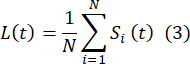
As inferred from equation (3), where L(t) represents the aggregated environmental monitoring data at time t, Si(t) denotes the measurement acquired from the ith IoT sensor, and N is the total number of deployed sensors. Equation (3) calculates the average environmental state from many sensors to help irrigation decision-making while minimizing sensor fluctuations.
![Beta decay equation β(t)=[L(t)-Mth]/Mth, mathematical formula in theoretical analysis.](/files/ftp_upload/73067/73067eq18v2.jpg "figure-protocol-6")
As found in equation (4), where β(t) denotes the normalized irrigation decision index, L(t) represents the aggregated soil moisture measurement obtained from Equation (3), and Mth is the predefined soil moisture threshold (35% volumetric water content). A negative value of β(t) indicates insufficient soil moisture and triggers irrigation, whereas a non-negative value indicates that the soil moisture is at or above the threshold, and irrigation remains inactive.
Contribution 2: Demonstrated practical benefits through empirical results.
It demonstrated the framework's viability and enhanced agricultural production while substantially reducing water use.
Figure 3 illustrates how IoT-enabled precision agriculture addresses resource waste and low agricultural productivity. First, address resource waste and low agricultural productivity. IoT, AI, and real-time data analytics provide smart decision-making, automatic irrigation, and sensor-based monitoring. These improvements improve crop health and water use. The proposed IoT-Driven Precision Agriculture (IoT-PA) framework promotes Sustainable Development Goal (SDG) 2 (Zero Hunger) and SDG 12 (Responsible Consumption and Production) by integrating real-time environmental monitoring, automated irrigation control, and efficient resource management to improve agricultural productivity while minimizing water consumption.

where  denotes the composite environmental monitoring index at time t, M(t) is the soil moisture (%), T(t) is the air temperature (°C), H(t) is the relative humidity (%RH), R(t) is the rainfall (mm), and L(t) is the light intensity (lux). Equation (5) combines the normalized environmental parameters into a single monitoring index that represents the overall field condition used by the IoT-PA framework.
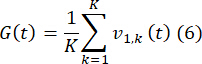
where G(t) represents the aggregated environmental condition obtained from monitoring intervals or sensing nodes, and  is the composite environmental monitoring index computed using Equation (5) for the kth observation. Equation (6) averages several measurements to predict field state, eliminating measurement fluctuations and giving a dependable input for automatic irrigation scheduling.
Figure 4 depicts how each industrial revolution influenced global industry, from steam to digital. Finally, AI, blockchain, and precision farming change agro-food in Industry 4.0. These findings increase agriculture, resource efficiency, and sustainability. The proposed IoT-Driven Precision Agriculture (IoT-PA) framework shows how digital sensing, cloud-based analytics, and automated irrigation improve agricultural productivity and resource utilization to support SDG 2 (Zero Hunger) and SDG 12 (Responsible Consumption and Production).
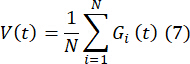
where V(t) denotes the overall field condition at time t, Gi(t) represents the environmental monitoring index obtained from the ith sensing node, and N is the total number of deployed IoT sensor nodes. Equation (7) estimates the average field condition by aggregating measurements from all sensing locations, thereby improving the reliability of irrigation decisions.

where αeq denotes the equivalent decision index used for irrigation scheduling, V(t) is the aggregated environmental condition obtained from Equation (7), M(t) is the measured soil moisture, and  is a weighting coefficient that balances the influence of the overall field condition and the current soil moisture measurement. Equation (8) computes the final decision index used by the IoT-PA framework to support automated irrigation and efficient water resource management.
Contribution 3: Advanced the Agenda of Sustainable Agriculture
According to SDGs 2 and 12, it enabled digital transformation to improve agricultural food security and resource efficiency.
Figure 5 illustrates post-pandemic resilience and sustainable development via digital agro-food system transition. Sensors replace traditional instruments in IoT-driven agriculture to maximize resources. Blockchain and automation enable secure, open food delivery; AI provides efficient, sanitary manufacturing and processing. Food safety alerts and real-time monitoring help consumers. Cycles improve global food security, health, and efficiency. A consistent digital agriculture approach uses real-time sensing, cloud computing, and automated irrigation to improve crop productivity, water utilization, and sustainable farming practices to support Sustainable Development Goals (SDGs) 2 (Zero Hunger), 3 (Good Health and Well-being), and 12 (Responsible Consumption and Production).
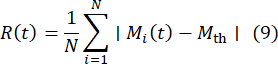
where R(t) denotes the irrigation requirement index at time t, Mi(t) is the soil moisture measured by ith the sensor node, Mth is the predefined soil moisture threshold, and N is the total number of sensing nodes. Equation (9) calculates the monitored field's irrigation need by estimating the average soil moisture variation from the intended threshold.

where  represents the smart irrigation control index, R(t) is the irrigation requirement index obtained from Equation (9), V(t) is the aggregated environmental monitoring index obtained from Equation (7), and
  is a weighting coefficient. The final control value for automated irrigation scheduling in the proposed IoT-PA system is calculated from irrigation demand and environmental conditions using Equation (10).
Access restricted. Please log in or start a trial to view this content.
Results
IoT-PA architecture performance metrics include water consumption, agricultural yield, system efficiency, sustainable resource optimization, and SDG contribution. Smart technological choices improve agricultural production, sustainability, and resource management.
Dataset Description: The Agriculture Digital Twin Market Report by DataIntelo26 was used as background information to support the development and contextualization of the proposed framework. T...
Access restricted. Please log in or start a trial to view this content.
Discussion
With the IoT-PA, digital agriculture may solve present problems. For resource economies and agricultural production, this paper proposes real-time monitoring, sensor-based irrigation, and data-driven decision-making. Water consumption dropped 24.62%, and agricultural output rose 95.13% using the Internet of Things, demonstrating its revolutionary sustainability potential. SDG 2 (Zero Hunger) and SDG 12 (Responsible Consumption and Production) are met with 93.85% system efficiency. The system achieved 96.31% SDG alignment...
Access restricted. Please log in or start a trial to view this content.
Disclosures
The authors have no conflict of interest.
Acknowledgements
This research received no specific grant from any funding agency in the public, commercial, or not-for-profit sectors.
Access restricted. Please log in or start a trial to view this content.
Materials
| Name | Company | Catalog Number | Comments |
|---|---|---|---|
| Arduino IDE | Arduino | Version 2.x https://www.arduino.cc/en/software | Integrated Development Environment, ESP32 firmware development |
| Capacitive Soil Moisture Sensor | DFRobot | SEN0193 | Measures volumetric soil moisture; Operating voltage 3.3–5.5 V |
| Cloud IoT Platform | Amazon Web Services | AWS IoT Core https://aws.amazon.com/iot-core | Cloud-based IoT platform for data storage, visualization, and remote monitoring |
| DC Power Supply | Mean Well | / | Supplies power to controller and pump; 12 V DC regulated output, Model: LRS-50-12 |
| DC Water Pump | Commercially available | / | Automated irrigation; 12 V DC Pump |
| Digital Light Intensity Sensor | Rohm Semiconductor | BH1750FVI | Measures ambient light intensity; 1–65535 lux |
| ESP32 Development Board | Espressif Systems | ESP32-DEVKITC-32D | Dual-core 240 MHz MCU, Wi-Fi/Bluetooth; Main controller for sensor acquisition and irrigation control |
| Microsoft Excel | Microsoft Corporation | Microsoft 365 https://www.microsoft.com/microsoft-365/excel | Spreadsheet software for data organization and visualization |
| MQTT Broker | Eclipse Foundation | Mosquitto v2.x https://mosquitto.org | IoT message communication; MQTT protocol |
| Python | Python Software Foundation | Version 3.x https://www.python.org | Programming language for data preprocessing and statistical analysis |
| Rainfall Sensor Module | DFRobot | / | Analog/Digital output; Detects rainfall events; Model: SEN0308 |
| Single-Channel Relay Module | Songle | SRD-05VDC-SL-C | Switches irrigation pump ON/OFF; 5 V relay |
| Temperature and Humidity Sensor | Adafruit Industries | DHT22 (AM2302) | Environmental monitoring; Temperature ±0.5 °C; Humidity ±2% RH |
| Web Browser | Google LLC | Google Chrome (latest stable release) https://www.google.com/chrome | Access to AWS IoT dashboard |
| Wi-Fi Router | TP-Link Technologies | / | Wireless communication between ESP32 and cloud; IEEE 802.11 b/g/n/ac; Model: Archer C6 |
References
- Nhamo G, Chikodzi D, Dube K. Sustainable Development Goals for Society. Vol. 1. Springer International Publishing; 2021.
- Venkatesh R. Effect of hybrid nanofluid and polyethylene glycol/aluminium foam on thermal characteristics and energy storage performance of solar air heater. Appl Therm Eng. 2026;291:130213.
- Ajaj R, Buheji M, Hassoun A. Optimizing the readiness for industry 4.0 in fulfilling the Sustainable Development Goal 1: Focus on poverty elimination in Africa. Front Sustain Food Syst. 2024;8:1393935.
- Hiywotu AM. Advancing sustainable agriculture for goal 2: zero hunger-a comprehensive overview of practices, policies, and technologies. Agroecol Sustain Food Syst. 2025;49(7):1027–55.
- Venkatesh R. Effect of Boron Nitride on Mechanical Characteristics of LDPE Nanocomposite made with Ramie Fiber. J Inst Eng India Ser D. 2024.
- Arun M, et al. Integrated renewable energy supply architecture for advancing hydrogen symbiosis and eco synergistic smart grid interactions with next generation combustion technologies. Sci Rep. 2025;15(1):25619.
- Venkatesh R. Synthesis and Behavior Study of Basalt Fiber-Made Low-Density Polyethylene Composites Via Injection Mold. J Inst Eng India Ser D. 2024.
- Jayakrishnan R, Johnpaul V, Balasundaram N, Senthilkumar S. Stabilization of black cotton soil in Chittur region in Palakkad using lime, rice husk ash, coir fibre. Indian J Eng. 2026;23:e3ije1709.
- Gopan G, Arun M, Vembu S. Comparison of dimple tube with flat plate collector for solar water heater by using carbon nanofluid. Int J Low-Carbon Technol. 2025;20:820–33.
- Arun M, Barik D, Sridhar KP, Vignesh G. Experimental and CFD analysis of plain and dimples tube at application of solar water heater. Mater Today Proc. 2021;42:804–9.
- Rinesh S, et al. Prediction and classification of solar photovoltaic power generation using extreme gradient boosting regression model. Int J Low-Carbon Technol. 2024;19:2420–30.
- Ogbonnaya EP, et al. Efficacy of moringa oleifera leaf extract as a phytogenic additive in finisher broiler chickens. Discov Agric. 2026;12:e14da3219.
- Giganti P, Borrello M, Falcone PM, Cembalo L. The impact of blockchain technology on enhancing sustainability in the agri-food sector: A scoping review. J Clean Prod. 2024;456:142379.
- Rinesh S, Arun M, Kumar SN, Prajitha C, Kumar AS. Evaluating the type 2 fuzzy logic controller with multilayer perceptrons for optimal tracking of solar photovoltaic systems. Int J Low-Carbon Technol. 2025;20:394–403.
- Gupta S, et al. Operationalizing Digitainability: Encouraging mindfulness to harness the power of digitalization for sustainable development. Sustainability. 2023;15(8):6844.
- Urugo MM, et al. Journal of agriculture and food research. J Agric Food Res. 2024;18:101316.
- Hong Z, Xiao K. Digital economy structuring for sustainable development: the role of blockchain and artificial intelligence in improving supply chain and reducing negative environmental impacts. Sci Rep. 2024;14(1):3912.
- Arun M, Barik D, Sridhar KP, Dennison MS. Thermal performance of a dimpled tube parabolic trough solar collector (PTSC) with SiO2 nanofluid. Int J Photoenergy. 2022;2022(1):8595591.
- Vărzaru AA. Unveiling digital transformation: a catalyst for enhancing food security and achieving sustainable development goals at the European Union level. Foods. 2024;13(8):1226.
- Zhang J, Zhang W. Harnessing digital technologies for rural industrial integration: a pathway to sustainable growth. Systems. 2024;12(12):564.
- Vahdanjoo M, Sørensen CG, Nørremark M. Digital transformation of the agri-food system. Curr Opin Food Sci. 2025;63:101287.
- Khan N, et al. Potential role of technology innovation in transformation of sustainable food systems: A review. Agriculture. 2021;11(10):984.
- Singh V, Borisagar D, Singh OP, Verma SK. Enhancing agricultural competitiveness: harnessing value chains and agro-processing for sustainable growth. In: Sustaining the Global Agriculture Supply Chain. IGI Global Scientific Publishing; 2025. p. 37–72.
- Bocean CG. A longitudinal analysis of the impact of digital technologies on sustainable food production and consumption in the European Union. Foods. 2024;13(8):1281.
- Dayıoğlu ME, Türker UF. Digital transformation for sustainable future-agriculture 4.0: A review. J Agric Sci (Tarim Bilimleri Derg). 2021;27(4).
- DataIntelo. Agriculture Digital Twin Market Report: Global Industry Analysis, Growth, Trends, and Forecast. DataIntelo Research; 2025. Available from: DataIntelo Agriculture Digital Twin Market Report.
Access restricted. Please log in or start a trial to view this content.