
Guest Editors

David Unnersjö-Jess, PhD
Department II of Internal Medicine and Center for Molecular Medicine Cologne, University of Cologne, Faculty of Medicine and University Hospital Cologne, Cologne, Germany
David Unnersjö-Jess has a background as an engineering physicist and received his BSc, MSc, and PhD degrees from the Royal Institute of Technology, Stockholm, Sweden. His research was during his PhD mostly focused towards developing new protocols for high-resolution optical imaging of the kidney. In his current position as a post-doctoral researcher and a junior group leader at Nephrolab Cologne, he continues to apply novel microscopy tools to nephrology, with special focus and interest towards the glomerular filtration barrier.

Linus Butt, MD
Department II of Internal Medicine and Center for Molecular Medicine Cologne, University of Cologne, Faculty of Medicine and University Hospital Cologne, Cologne, Germany
Linus Butt is a physician-scientist in the Department II of Internal Medicine at the University Hospital Cologne, Germany. In his research, he combines genetically modified mice together with omics techniques and super-resolution microscopy to elucidate pathomechanisms of glomerular diseases. He is particularly interested in understanding the physiology of glomerular filtration and its disintegration upon glomerular injury.
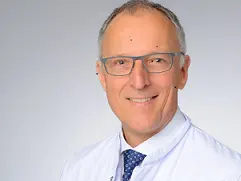
Thomas Benzing, MD
Department II of Internal Medicine and Center for Molecular Medicine Cologne, University of Cologne, Faculty of Medicine and University Hospital Cologne, Cologne, Germany
Thomas Benzing is Professor of Medicine and Chairman of the Department II of Internal Medicine and the Director of the Center for Molecular Medicine Cologne, University of Cologne, Cologne, Germany. His research is focused on the pathogenesis of genetic kidney diseases, particularly podocyte disorders on one hand and ciliopathies on the other. Recently, his team provided the first experimentally validated model of glomerular ultrafiltration. Benzing has received numerous prizes and awards including the Young Investigator Award of the American Society of Nephrology, the Volhard Prize of the German Society of Nephrology, the prestigious Ernst Jung Prize in Medicine among many others. He is elected member of the German National Academy of Sciences Leopoldina, the American Society of Clinical Investigation (ASCI), the American Clinical and Climatological Association (ACCA), and Honorary Fellow of the American Society of Nephrology.
Collection Overview
Until around 10 years ago, the tools researchers had at hand to study anatomy and protein regulation in kidney disease were somewhat blunt. There were limitations in data throughput and sensitivity, as well as in the digital tools available for data analysis. However, over the past decade, there has been a rapid development of new protocols for studying pathological changes in the kidney. Novel tissue sample preparation protocols, such as optical clearing and expansion microscopy, combined with new microscopy techniques, such as super-resolution microscopy and light sheet microscopy, now provide researchers with unique opportunities to study morphology/pathology as well as protein localization on all length scales in kidney tissue/biopsies.
Further, technical development of omics approaches, such as RNA sequencing and mass spectrometry, now makes it possible to study up/down-regulation of transcripts and proteins in kidney disease with high sensitivity, aiding the identification of new pathways and regulators of kidney disease. In addition, the analysis of the output data from these new methods has become increasingly advanced. Artificial intelligence and deep learning approaches have started to be applied both to imaging data, but also for the analysis of sequencing and proteomics datasets. The aim of this methods collection is to describe and visualize standardized protocols for a selection of these novel techniques, thereby promoting a broader use and accessibility to these new and important tools.
Articles

Generation of Patient-Derived Podocytes from Skin Biopsies
0 Views
•
Cited by 5
•
2023
•

Delineating the Metabolic Phenotype of Biopsy-Derived Kidney Cells
0 Views
•
2025
•
Masataka Kawamura1,2,3, Catherine Parmentier1,3, Lisa A. Robinson2,4,5, Markus Selzner1,3, Caitriona M. McEvoy6,7,8, Julia M. Murphy1,6,9, Maya G. Bozzo-Rey10, Sarah Q. Crome1,6,9, Ana Konvalinka1,4,6,11,12, Sergi Clotet-Freixas10
1Soham and Shaila Ajmera Family Transplant Centre, University Health Network, 2Division of Nephrology, The Hospital for Sick Children, 3Division of General Surgery, University Health Network, 4Institute of Medical Science, University of Toronto, 5Program in Cell Biology, The Hospital for Sick Children Research Institute, 6Toronto General Hospital Research Institute, University Health Network, 7Division of Nephrology, Tallaght University Hospital, 8Trinity Kidney Centre, Trinity College Dublin, 9Department of Immunology, University of Toronto, 10Division of Nephrology, McMaster University and St. Joseph's Healthcare, 11Division of Nephrology, Department of Medicine, University Health Network, 12Department of Laboratory Medicine and Pathobiology, University of Toronto

Rodent Kidney Explant Culture and Establishment of Primary Ureteric Bud Epithelial Cell Culture
0 Views
•
2025
•
1Stem Cells and Metabolism Research Program Unit, Faculty of Medicine, University of Helsinki, 2GM Unit, Helsinki Institute of Life Science, University of Helsinki, 3Department of Pediatric Surgery, Section of Pediatric Urology, New Children's Hospital, Helsinki University Hospital, 4Laboratory Animal Centre, University of Helsinki
Abstracts
Novel approaches to profile metabolism in kidney allografts
Sergi Clotet*1
1Department of Nephrology, Hospital del Mar-Institut Hospital del Mar d'Investigacions Mèdiques
Mouse Renal Artery Catheterization Technique for delivery of high-molecular-weight drugs in free or encapsulated form to the targeted kidney
Olga Sindeeva*1
1Skolkovo Institute of Science and Technology
Flow Cytometry-based cell cycle analysis in murine kidney tissues
Ji Young Kim*1,
Navjot Pabla1
1Division of Pharmaceutics and Pharmacology, College of Pharmacy & Comprehensive Cancer Center, The Ohio State University, Columbus, OH, USA
Embryonic kidney explant culture and establishment of primary ureteric bud epithelial cell culture
Satu Kuure*1
1University of Helsinki