
Guest Editors

Yujiao Han
Princeton University, Department of Molecular Biology
Dr. Yujiao Han joined Prof. Yibin Kang’s lab as a Postdoctoral Research Associate, at the Department of Molecular Biology, Princeton University in 2019, where her research is focused on understanding the role of bone microenvironment in breast cancer bone metastasis. Her research aims at understanding the interaction between breast cancer cells and bone stromal cells, identifying molecules mediated tumor-stromal interaction, and devising novel therapeutics targeting tumor microenvironment. Before moving to Princeton, she earned her Bachelor of Science degree in Basic Pharmacy from China Pharmaceutical University in 2013. She received her PhD in Biochemistry and Molecular Biology, at Shanghai Institute of Biochemistry and Cell Biology, Chinese Academy of Sciences in 2019 under the mentorship of Prof. Weiguo Zou. Her PhD work discovered a novel cellular origin of osteosarcoma and established a genetics mouse model for osteosarcoma. She also conducted an in vivo genetic screening to identify novel regulators in bone development.
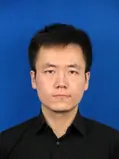
Zhan Xu
Baylor College of Medicine, Lester and Sue Smith Breast Center
Dr. Zhan Xu joined Prof. Xiang Zhang’s lab as a postdoctoral fellow at Lester and Sue Smith Breast Center, Baylor College of Medicine in 2018. His research mainly focused on investigating the cellular change and function of stromal cells during breast cancer bone metastasis. Before moving to BCM, he earned his Bachelor of Science degree in Biochemistry from Nanjing University in 2012, and a PhD degree in Biochemistry and Molecular Biology, from Shanghai Institute of Biochemistry and Cell Biology, Chinese Academy of Sciences in 2018 under the mentorship of Prof. Weiguo Zou. His PhD work discovered the effect of SMURF2 on bone development and osteoporosis.

Bo Xiang
University of Central South
Dr. Xiang received his PhD degree from Central South University in 2009 and was a postdoctoral fellow at Mount Sinai School of Medicine in 2015. Now as the doctoral supervisor at CSUN, he is focusing on the value of novel targeted molecules in the clinical management of malignancies. He has published many SCI papers as a corresponding author in Molecular Cancer, Cancer Letters, Molecular Oncology, Cellular and Molecular Life Sciences, Molecular Metabolism, Carcinogenesis, J Cell Science, J Cell Physiol, Int J Biochem Cell Biol and other journals. His main research interests include transcriptional and epigenetic regulation of malignant tumor cell differentiation disorders and metastasis.

Lujin Ji
University of Central South
Lulin Ji is a PhD student working with Dr. Xiang in the field of cancer at the Centre for the Cancer Research Institute at the University of Central South. She has published several articles as the first or corresponding author. Her research focuses mainly on the mechanism of DOCK2 in immune cells and tumor-like organoid model-related studies. Her current research is focused on identifying the value of a novel targeted molecule in the clinical management of malignancies and mapping the spatial profile of the molecule of interest in cancer.
Collection Overview
The researchers are studying cancer metastasis from different angles by taking advantages of different models or platforms. In-vitro culture assays allow us to precisely focus on the tumor cell behavior and cell-cell interactions between tumor cells and host cells. Current mouse models provide approaches to simulate the tumor invasion and progression in host organs in-vivo. New techniques for next-generation sequencing (NGS) and high-resolution imaging rapidly evolved over the past decade. The application of these innovative technologies in cancer metastasis study makes it possible to picture the dynamic and complicated journey of tumor cells when they metastasize to distal organs. This Methods Collection will present established in vitro and in vivo models and recently developed new techniques for cancer metastasis study. The topics to be covered in this collection are mentioned below:
- In-vitro 2D or 3D cell culture platforms or cell-based high-throughput screening assays that can used to study cancer cell proliferation, invasion, and migration. Co-culture assay that can illustrate the interaction between cancer cells and the microenvironment. The follow-up analysis like imaging, flow cytometry, quantification is included.
- Experimental approaches or animal models that can allow tumor cells grow in the distant organs in vivo, including different injection methods to develop organ-specific metastases, spontaneous metastasis mouse models, or manipulation of the tumor microenvironment with adoptive cell transfer and antibody or DTR-mediated cell depletion.
- New bioinformatical tools that reveal distribution and fate of tumor cells and the architecture of tumor-microenvironment, including single-cell profiling, cellular barcoding, spatially transcriptomics, multiplexed imaging, and quantitative assessment methods. The collection includes, but is not limited to, sample preparation, workflow set up, analytical method development.
Articles

Draining Lymph Node Metastasis Model for Assessing the Dynamics of Antigen-Specific CD8+ T Cells During Tumorigenesis
0 Views
•
2024
•
Yan Zhang*1, Xingxing Su*2, Lisha Wang2, Zhengliang Yue2, Qiao Liu3, Ling Ran2, Shun Lei2, Jianjun Hu2, Lifan Xu2, Lilin Ye2, Ping Ji4, Guimei Li1, Qizhao Huang5, Shuqiong Wen4
1College of Veterinary Medicine, Qingdao Agricultural University, 2Institute of Immunology, Third Military Medical University, 3Institute of Cancer, Xinqiao Hospital, Third Military Medical University, 4Stomatological Hospital of Chongqing Medical University, 5Institute of life science, Chongqing Medical University

Minimally Invasive Cisterna Magna Injection Model for Leptomeningeal Metastasis Studies in Mice
0 Views
•
2025
•
1Department of Neurosurgery, the First Affiliated Hospital, School of Medicine, Zhejiang University, 2Life Sciences Institute, Zhejiang University, 3Zhejiang Key Laboratory of Molecular Cancer Biology, Life Sciences Institute, and Department of Orthopaedic Surgery, the Second Affiliated Hospital, School of Medicine, Zhejiang University