
Guest Editors
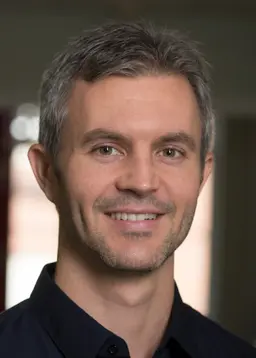
Nicholas J. Durr
Johns Hopkins University, Department of Biomedical Engineering
Nicholas Durr is an Assistant Professor at Johns Hopkins University, where he directs a computational biophotonics research group. His group creates and translates new imaging technologies to address healthcare needs in ophthalmology, gastroenterology, pathology, point-of-care diagnostics, global health, and surgery. He teaches the medical device design program at Hopkins and has co-founded and supported several MedTech start-up companies. He received a B.S. in Electrical Engineering Computer Science from UC Berkeley in 2003 and a PhD in Biomedical Engineering from UT Austin in 2010. He was an M+Visión Fellow at MIT from 2011 to 2014. In 2013 he co-founded PlenOptika, which he led as CEO until he joined Hopkins in 2016.

Sarah Bohndiek
Cancer Research UK Cambridge Institute
Sarah Bohndiek completed her PhD in Radiation Physics at University College London in 2008 and then worked in both the UK (at Cambridge) and the USA (at Stanford) as a postdoctoral fellow in molecular imaging. Sarah joined the University of Cambridge in 2013, where she is jointly appointed as a Professor of Biomedical Physics in the Department of Physics and at the Cancer Research UK Cambridge Institute. The broad mission of her team, the VISIONLab, is to advance our understanding of tumour evolution using next-generation imaging sciences, with an emphasis on technical and biological validation for clinical translation.
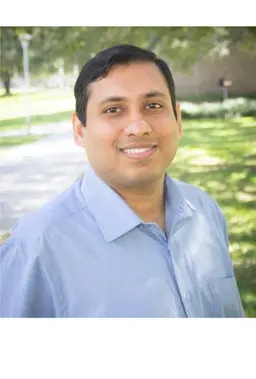
Ashwin Parthasarathy
University of South Florida, Department of Electrical Engineering
Ashwin Parthasarathy is an Assistant Professor in the Department of Electrical Engineering at the University of South Florida where he directs the Translational Optics Imaging and Spectroscopy Laboratory. His research focusses on development of diffuse optical methods to measure/image tissue perfusion and oxygenation for different health care applications in physiology, neuroscience, neurology and ophthalmology. He received his PhD in Biomedical Engineering from The University of Texas at Austin in 2010, and was previously a post-doctoral researcher at Boston University and University of Pennsylvania, including as an American Heart Association Fellow from 2014-206.
Collection Overview
Tissue-mimicking phantoms have been foundational in the development, calibration, benchmarking, and clinical quality assurance for a wide variety of optical imaging modalities. To support the creation and translation of impactful new biophotonics technologies, there is a growing need for a diverse suite of phantoms that support the technical validation needs of both precision and accuracy. For example, precision phantoms may be relatively simple in geometry and fabrication, yet highly stable and reproducible. Meanwhile, assessment of accuracy often requires highly sophisticated phantoms with anatomically realistic features and geometry, multi-modal contrast, high fidelity, independent parameter customization, and dynamic tunability. With the increasing capabilities of data-driven algorithms, there are also specific opportunities for phantoms to mitigate challenges in model generalizability, robustness, and domain transfer. Many such tools may benefit from digital phantoms, that can be imaged in silico using digital twin devices.
The goal of this collection is to showcase phantom research, both physical and digital, that will benefit optical imaging across the scientific, industry, and/or regulatory communities.
Potential areas for this collection include, but are not limited to:
- Phantom materials and designs
- Comparative phantom imaging
- Anthropomorphic phantoms
- Test methods to guide the use of established phantoms
- The integration of established phantoms in new protocols or technologies
- Demonstrations of the use of digital phantoms to develop new data-driven algorithms
Articles

A Stable Phantom Material for Optical and Acoustic Imaging
0 Views
•
Cited by 8
•
2023
•
Lina Hacker1,2, Aoife M. Ivory3, James Joseph4,5, Janek Gröhl1,2, Bajram Zeqiri3, Srinath Rajagopal3, Sarah E. Bohndiek1,2
1Department of Physics, University of Cambridge, 2Cancer Research UK Cambridge Institute, University of Cambridge, 3Ultrasound and Underwater Acoustics Group, Department of Medical, Marine and Nuclear Physics, National Physical Laboratory, 4School of Science and Engineering, University of Dundee, 5Centre for Medical Engineering and Technology, University of Dundee