
Guest Editors
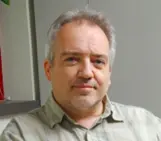
Zoltan M. Varga
University of Oregon, Zebrafish International Resource Center
Dr. Varga obtained his PhD in Cell Biology/Neurobiology at the University of Basel, Switzerland. Since 2004, he has been directing the Zebrafish International Resource Center (ZIRC) at the University of Oregon, USA. ZIRC is supported by the NIH (ORIP & NICHD) to serve the biomedical research community as the central genetic repository for zebrafish wild-type, mutant, and transgenic lines and other research materials. ZIRC also provides diagnostic health services, husbandry- and genotyping standards, protocols, and consultations. ZIRC has acquired over 46,500 distinct alleles in 12,500 fish lines. To enhance ZIRC’s biobanking capability and support cryopreservation for research laboratories to freeze their materials, they have conducted cryopreservation research for the past 20 years with our collaborators.
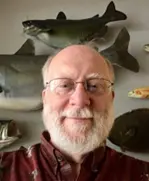
Terrence R. Tiersch
Louisiana State University Agricultural Center, School of Renewable Natural Resources, Aquatic Germplasm and Genetic Resources Center (AGGRC)
Dr. Tiersch’s career has primarily addressed technology development for the study, maintenance, and distribution of genetic resources of aquatic species. This has included 30 years of work in reproduction and genetic improvement for aquaculture and germplasm repository development for species relevant to aquaculture, wild fisheries, biomedical models, and imperiled species. Over this time, he has collaborated extensively throughout various aquatic species communities in the USA and abroad with other scientists, fish hatcheries and farmers, and state and federal agencies including NIH, USDA, US Fish, and Wildlife Service, USAID, and NOAA. This also includes long-standing relationships with NIH biomedical stock centers such as the Xiphophorus Genetic Stock Center and the Zebrafish International Resource Center. This work has been driven by identifying and responding to the demands of numerous and diverse user communities to move interdisciplinary research, such as open hardware, to real-world applications including commercialization.
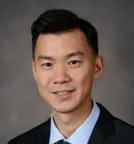
Yue Liu
Louisiana State University Agricultural Center, School of Renewable Natural Resources, Aquatic Germplasm and Genetic Resources Center (AGGRC)
Dr. Liu is an Assistant Professor and Assistant Director at the Aquatic Germplasm and Genetic Resources Center (AGGRC) of the School of Renewable Natural Resources in the Louisiana State University Agricultural Center, Baton Rouge, Louisiana. He has a strong background in the development of interdisciplinary technologies to support the preservation and management of aquatic genetic resources. These technologies include open hardware, cryopreservation protocol development, microfluidic systems, assisted reproduction techniques, sperm physiology, and gamete biology. He has participated in several dozens of projects that support germplasm repository development for conservation, biomedical research, aquaculture, and fisheries management. The AGGRC was created in 2014 with a mission to provide global leadership in repository development and commercialization of genetic resources of aquatic species. The facility has 23,000 ft2 of space dedicated to research, technology development, teaching, outreach, and commercial-scale service activities for aquatic species.
Collection Overview
More and more aquatic species are successfully used in biomedical research to study vertebrate gene functions and model human diseases. For example, thousands of genetically modified zebrafish lines have been generated in the past 25 years. Although these represent an enormous investment of research funds, laboratories struggle to preserve them for future use. Even Resource Centers have not been able to preserve all lines, even though significant progress has been achieved with zebrafish sperm cryopreservation. Despite the success of aquatic organisms in biomedical research, cryopreservation of aquatic line germplasm remains problematic for most laboratories. Results are characterized by a significant lack of reproducibility and standardization. Basic factors necessary for reproducibility, such as adjusting sperm concentration, are not consistently used, and large uncontrolled variation is an obvious consequence, greatly reducing success and efficiency. In addition, a primary quality assay (motility) is either not used at all or used insufficiently, and when used, it is not always predictive of post-thaw performance. These problems exist because current quality control methods are viewed as unnecessary, cumbersome, and time-consuming and, when performed, are plagued by a lack of reproducibility. Underlying is the lack of easy access to methods and equipment that would help laboratories to adopt a standardized approach to germplasm preservation.
The proposed collection of protocols and methods aims to address this problem. We encourage submission of procedures, methods, and protocols related to germplasm cryopreservation from laboratories working with aquatic species. We encourage laboratories to address but not limit themselves to the key areas of cryobanking: 1) Collection and preservation of germplasm, including somatic cells. 2) Equipment and tools that aid cryopreservation 3) Quality assessment methods and quality control strategies. 4) Storage equipment and inventory data systems to log and track cryopreserved sample location, quality, quantity, and biosafety.
Articles

A Semi-Automated Workflow for the Cryopreservation of Coral Sperm to Support Biobanking and Aquaculture
0 Views
•
Cited by 2
•
2024
•
1Taronga Institute of Science and Learning, Taronga Conservation Society Australia, 2School of Biological, Earth and Environmental Sciences, University of New South Wales, 3Department of Mechanical Engineering, University of Minnesota, 4Hawaii Institute of Marine Biology, University of Hawaii, 5Smithsonian National Zoo and Conservation Biology Institute