
Guest Editors

Hemant Kumar
National Institute of Pharmaceutical Education and Research- Ahmedabad, Department of Pharmacology
Dr. Hemant Kumar is currently working as an Assistant Professor at the National Institute of Pharmaceutical Education and Research, Ahmedabad (NIPER-A), India, in the department of Pharmacology. His research focuses on understanding endothelial cell roles in spinal cord injury. He also works in numerous approaches to perform imaging of damaged spinal cords. Before joining the NIPER-A, he worked in South Korea and has more than 50 publications in reputed journals, including the Journal of Neuroscience, Biomaterials, ACS Nano letter, ACS Chemical Neuroscience, and Advanced Healthcare. Dr. Kumar received his PhD in Neuroscience from Konkuk University, South Korea, in 2014. He has also worked in biotech and pharmaceutical companies.
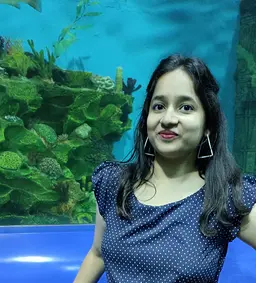
Divya Goyal
National Institute of Pharmaceutical Education and Research- Ahmedabad, Department of Pharmacology
Divya Goyal is currently pursuing a PhD in the department of Pharmacology at NIPER-A, India. Her research focuses on understanding the role of pericytes in the injured spinal cord. She uses imaging approaches to establish the spatiotemporal expression of pericytes/endothelial cells after traumatic injury. She has completed her master's from the National Institute of Pharmaceutical Education and Research, Raebareli (NIPER-R).
Collection Overview
Several approaches are used to treat spinal cord injury (SCI). The primary objective of these approaches is to prevent further cell death, restore axon regrowth, inhibit gliosis, and remove blockades. In addition, bridging or filling the lesion area of the damaged spinal cord has shown promising results. Tissue engineering, biomaterials, 3D biomimetic scaffolds, and cell therapy approaches are extensively studied to build or reconstruct the spinal cord. Biomaterials can serve as a substrate for neural regeneration, drug delivery, and cell-based therapy for SCI. In addition, numerous in vivo and 3D imaging techniques have been used to map the damaged and healed spinal cord. Additionally, time-lapse imaging showed how the spinal cord functions dynamically.
This Methods Collection will highlight diverse approaches in building, restoring, and imaging the damaged spinal cord. We invite researchers who are experts in or routinely work with these approaches.
Articles

Abstracts
Management of neurogenic bowel and use of electrostimulation in people with traumatic spinal cord injury
Fabiana Faleiros *1,
Adriane Carvalho 1,
Talita Rosa 2,
Vera Santos2,
Luis Sousa 3,
Geyslane Albuquerque1
1Escola de Enfermagem de Ribeirão Preto/Universidade de São Paulo (EERP-USP),
2Escola de Enfermagem da Universidade de São Paulo (EEUSP),
3Atlantic University Atlantic Higher School of Health