
Guest Editors
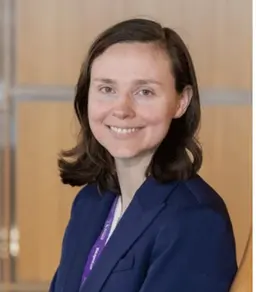
Jillian Richmond
UMass Chan Medical School, Worcester, MA
Dr. Richmond earned her undergraduate degree in Molecular & Cellular Biology from the Johns Hopkins University, and her doctoral degree in Pathology & Immunology from Boston University School of Medicine. She performed a postdoctoral fellowship in chemokine biology at Massachusetts General Hospital before moving to the Harris Lab at UMass to study chemokines in vitiligo, an autoimmune disease characterized by CD8+ T cell-mediated destruction of melanocytes. She has also studied formation of autoreactive resident memory T cells that make vitiligo refractory to treatment. Her laboratory now focuses on T cell migration and function in other autoimmune skin diseases and cancers including Cutaneous Lupus Erythematosus, Morphea and T Cell Lymphoma.
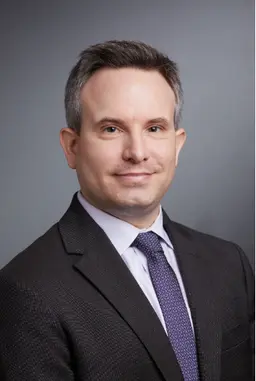
Matthew Vesely
Yale University, School of Medicine
Dr. Vesely is an Assistant Professor in Dermatology at Yale School of Medicine with research training in immunology and clinical expertise in chronic inflammatory skin diseases and cancer immunotherapy. He completed his MD and PhD degrees at Washington University in St. Louis before completing his dermatology residency at Yale School of Medicine. During his post-doctoral fellowship with Dr. Lieping Chen at Yale, Dr. Vesely investigated immune inhibitory receptor V-domain Ig suppressor of T cell activation (VISTA) as a potential therapeutic target for cutaneous lupus. His research program uses spatial proteomics and spatial transcriptomics to visualize the immunopathogenesis of autoimmune skin diseases with a particular emphasis on immune inhibitory receptors that may be stimulated for future autoimmune disease therapy.
Collection Overview
The skin is the largest organ of our bodies, and it helps to maintain homeostasis through barrier function, sensation, immune defenses, and temperature regulation. Skin diseases can ultimately affect multiple organs and body systems, impairing our ability to maintain homeostasis. Understanding skin homeostasis and disease states will pave the way for the development of future therapeutics. This Methods Collection aims to assist the research community by providing clear, concrete visual protocols to document current methods used for performing basic and translational skin research. Providing a compendium of methods in the context of different homeostatic and disease states is essential to ensure best practices in the field.
