
Guest Editors
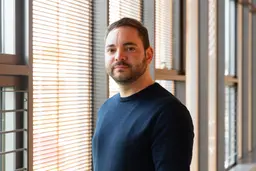
Mihai Lomora
School of Biological and Chemical Sciences, College of Science and Engineering, and CURAM - SFI Research Centre for Medical Devices, University of Galway, Galway, Ireland
Dr. Mihai Lomora is an Assistant Professor of Biomaterial Chemistry in the School of Biological and Chemical Sciences and Science Foundation Ireland (SFI) CÚRAM Funded Investigator, at the University of Galway. He is leading the CerebroMachines Lab centred on developing biomimetic systems (self-assembled protein-lipid/polymer hybrid systems, phytoplankton biosynthetic scaffolds) and vascularised brain organoids. His research is aiming to tailor these biomimetic systems to work for controlled delivery of therapeutics in brain-on-chip disease diagnostic and treatment testing platforms.

Siobhan Crilly
CURAM, SFI Research Centre for Medical Devices, University of Galway, Galway, Ireland School of Biological and Chemical Sciences, College of Science and Engineering, University of Galway, Galway, Ireland
Dr. Siobhan Crilly is currently a MEDTRAIN+ Marie Curie Postdoctoral Fellow at the University of Galway and her interests lie in the development of non-animal model systems for neuroscience. Siobhan received her PhD from the University of Manchester in 2019 and since, was awarded funding from the NC3Rs to characterise a model of haemorrhagic stroke in zebrafish larvae and develop bioengineered material techniques for in vitro stroke modelling. Her current work in the CerebroMachines Lab at the University of Galway involves utilising the state-of-the-art technique of vascularising brain organoids to develop a model of haemorrhagic stroke.
Collection Overview
Brain organoids represent a relatively new approach for culturing 3D model systems in neuroscience. The availability of human models for brain and brain-related diseases holds great promise for advancing pre-clinical research by offering accessible and translational models. The field is rapidly advancing, with organoid protocols for specific neural regions that incorporate biomaterials, microfluidics, and mechano-sensing approaches to enhance structural complexity. These innovations are at the forefront of human neuroscience. This Methods Collection presents state-of-the-art protocols to highlight these advances for the broader community and promote collaboration and communication regarding the organoid culture approach. We are particularly interested in, but not limited to, culture techniques involving co-cultures, vascularization, microfluidic systems, and novel human disease models.
