
Guest Editors
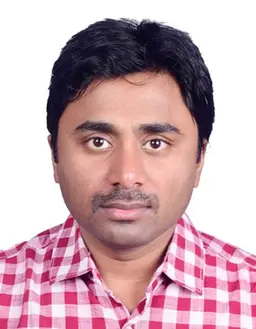
Partha Laskar
Department of Chemistry, Gandhi Institute of Technology and Management, Andhra Pradesh
Partha Laskar is an assistant professor in the Department of Chemistry at Gandhi Institute of Technology and Management, Visakhapatnam, Andhra Pradesh, India. He earned his Ph.D. in polymer chemistry from the Indian Institute of Technology Kharagpur, India. Following his doctoral studies, he pursued postdoctoral research in three key areas: (i) developing stimuli-responsive dendrimersomes for prostate cancer therapy at the Strathclyde Institute of Pharmacy and Biomedical Sciences (SIPBS), University of Strathclyde, Glasgow, UK, (ii) working on antibody-guided drug-conjugated nanoparticles for pancreatic cancer therapy at the School of Medicine, University of Texas Rio Grande Valley, United States, and (iii) investigating chemically modified functional nucleic acids to enhance RNA interference therapy at the Department of Chemistry, Ångström Laboratory, Uppsala University, Sweden. His research interests encompass polymer chemistry, (supra)molecular self-assembly, the development of biofunctional materials, and translational nanomedicine.
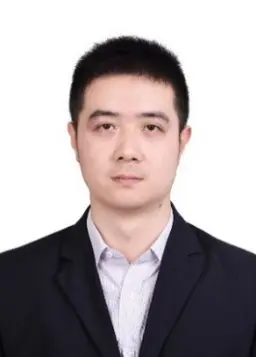
Feifei An
Xi’an Jiaotong University
Feifei An received his doctorate in chemistry from the Chinese Academy of Sciences in the summer of 2013. After completing postdoctoral training at the National Center for Nanoscience and Technology and the Medical College of Cornell University, he joined Xi'an Jiaotong University as an associate professor in 2018. His research focuses on cancer theranostics, with a particular interest in developments in nanomedicine, radiopharmaceuticals, and small molecule conjugates.

Ayan Samanta
Uppsala University, Sweden
Ayan Samanta is a Group Leader and Principal Investigator in Macromolecular Chemistry at the Department of Chemistry at Uppsala University. He earned his Ph.D. from Heidelberg University in 2012, focusing on the chemical biology of nucleic acids. Since 2019, Dr. Samanta has led a research group dedicated to developing protein-biomaterials and extracellular vesicles for the regeneration of corneal and cardiac tissues. His significant contributions include the invention of a fully biodegradable hydrogel, known for its strength and elasticity, which has resulted in multiple patents. His team has also developed a novel ocular sealant that is poised to surpass existing alternatives for repairing corneal perforation. Currently, they are advancing an injectable hydrogel system for the prolonged delivery of extracellular vesicles, aimed at both corneal and cardiac regeneration.
Collection Overview
Vesicle is a three-dimensional entity, where a hydrophobic bilayer separates the aqueous core from the outside bulk aqueous medium. Such vesicles can originate from bioresource or synthetic routes. The bilayer is composed of mostly lipid or hydrophobic molecules which determine the stability and transport of materials of the vesicular system. Various bio-derived vesicles, such as viral capsids, milk exosomes, extracellular vesicles (EVs), etc. have been isolated and investigated for biomedical application. Further, to overcome the issues of bioderived vesicles such as immunogenicity, stability, production cost, and reproducibility, an alternative source of synthetic vesicles such as liposomes (lipid-based), polymersomes (polymer-based), dendrimersomes (dendrimer-based) and vesicles made of modified biomolecules (drug, nucleic acid), etc. have been developed. From its inception, widespread applications were noticed for various types of vesicles in biomedical applications involving the delivery of drugs and genes, cell therapy, regenerative medicine, and diagnostic applications against many diseases. Synthesis and engineering of such synthetic or bio-derived vesicles have been an emerging research area to make them robust nano-depot, stealth, and ready for programmed disassembly for controlled release of the guest molecules in vivo conditions. In line with that, biohybrid vesicular systems are also recognized as alternatives for various biomedical applications. Thus, a focus on the development of methods for producing such vesicular systems for biomedical applications including biological, physical, and chemical approaches will be a major thrust in this research area. This edition will particularly focus on an elaborate discussion of the challenges and the opportunities of these systems to translate in the clinic.
Articles

Enhancing Chimeric Antigen Receptor-Extracellular Vesicles (CAR-EV) Technology: The Future of Cancer Therapy
0 Views
•
Cited by 2
•
2025
•
Abstracts
Emerging for development of smart dendrimers: Latest advances in the design and synthesis
MUSA ALBATSH*1
1Faculty of Pharmacy, Middle East University, Queen Aliaa Airport Street, Amman 11610, Jordan