Guest Editor

Collection Overview
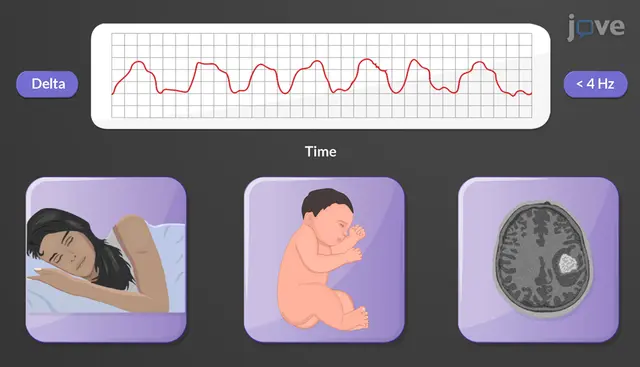
Advancements in neuroimaging have fostered an improved understanding of the underlying neurological mechanisms of human cognition. The current state of research suggests a well-established literature on the prominence of brainwaves during different cognitive stages. For instance, brainwaves, with their related parameters and location in the brain, have been found to regulate attention, memory, vigilance, and sensory processing. Moreover, these oscillations also serve as biomarkers for various psychological disorders. For instance, atypical alpha band activity has been associated with impairments in selective attention, a common underlying mechanism for children with ADHD.
Given the critical role of brainwaves in cognitive functioning and their potential as biomarkers, researchers are also exploring their therapeutic applications. This shift has led to the emergence of brainwave-based interventions as promising tools for cognitive enhancement and symptom management in neuropsychological disorders. Entrainment is a method of synchronizing brainwave oscillations and includes techniques such as transcranial methods, deep stimulation, sensory stimulation, and neurofeedback. While these techniques have shown promise in improving cognition and managing neuropsychological symptoms, their generalizability and long-term efficacy require further empirical validation.
Thus, despite the growing body of research on brainwave dynamics, robust empirical evidence is required to link oscillatory patterns to diagnostic and therapeutic applications in diverse populations. This Methods Collection aims to advance theoretical understanding and practical applications of brainwave-based diagnostics and interventions, fostering innovation in neuroscience and mental health. We invite submissions on brainwaves as neurological markers for diagnostic purposes and brainwave entrainment techniques as interventions for neurocognitive challenges.