Guest Editor

Collection Overview
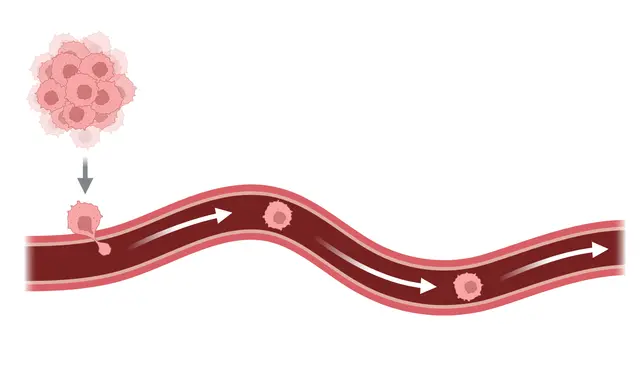
Circulating tumor cells (CTCs) are key mediators of hematogenous metastasis, exhibiting high heterogeneity, plasticity, and dynamic evolution. However, only a small subset of CTCs can initiate metastatic lesions. Recent advances in CTC technologies have deepened our understanding of their molecular and functional characteristics, driving progress in fundamental cancer research and translational applications. Despite these advancements, challenges remain in inefficiently isolating, characterizing, and modeling CTCs in physiologically relevant systems.
This Methods Collection aims to showcase state-of-the-art CTC research methodologies, including novel isolation strategies, single-cell analyses, functional studies, and advanced in vivo models that better recapitulate human tumor progression.
Topics covered in this collection include, but are not limited to:
- CTC isolation and enrichment: Development of novel microfluidic, label-free, and affinity-based technologies to efficiently capture rare CTCs
- Single-cell multi-omics of CTCs: Integration of single-cell transcriptomics, genomics, epigenomics, and proteomics to decipher CTC heterogeneity and metastatic potential
- CTC-derived organoids and ex vivo models: Establishment of patient-derived CTC cultures and 3D models to investigate tumor evolution and therapeutic responses
- Functional assays: Exploring CTC interactions with immune cells, platelets, and endothelial cells to elucidate immune evasion and metastatic colonization mechanisms
- Genetically engineered mouse models (GEMMs) of metastasis: Utilizing advanced preclinical models that generate CTCs and closely mimic human tumor progression for metastasis research
This collection will compile cutting-edge methodologies and serve as a valuable resource for researchers aiming to advance CTC research and uncover novel therapeutic strategies.
Articles

Abstracts
Real-Time Monitoring of Cancer Biomarkers in Liquid Biopsies Using Genesis Cell Isolation and ddPCR
Nathan Knapp*1,
Srikanth Perike1,
Yoontae Kang1,
Jessica Noll1
1Bio-Rad Laboratories