Guest Editor

Collection Overview
Mechanobiology, an inherently interdisciplinary field, explores how physical forces and the mechanical properties of cells and tissues influence biological processes. By revealing the intricate interplay between mechanical cues and cellular behaviour, the field revolutionizes our understanding of development, disease progression, and therapeutic interventions.
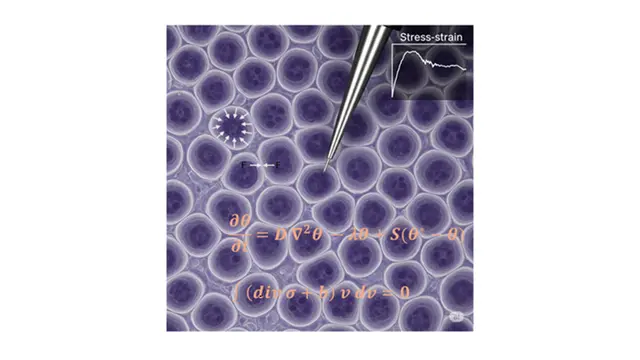
This JoVE Methods Collection presents a comprehensive collection of video articles showcasing cutting-edge mechanobiology methodologies and approaches. Importantly, the collection features the application of mathematical models, from predictive biomechanical models to ImageJ analysis plugins, demonstrating how computational methods can be used to either simulate biological responses to mechanical stimuli or interpret experimental data.
Furthermore, these articles showcase a variety of experimental techniques, from atomic force microscopy and optical tweezers for examining cellular stiffness to advanced microfluidic systems for delivering controlled mechanical stimuli. These methods provide comprehensive visual guides for studying cellular mechanotransduction, tissue remodeling, and the biomechanics of various disease states.
Ultimately, this collection aims to serve as an invaluable resource for researchers seeking to establish or refine their mechanobiology investigations, promoting reproducibility and accelerating discoveries in this dynamic field.
Articles


Generation of Polyacrylamide and Silicone Extracellular Matrix Substrates with Defined Stiffness for Cell Biology Applications
0 Views
•
2026
•
Aisha Almsoud1,2, Upama Nyaupane1,2, Kashish Jain3, Ghmkin Hassan3, Johnathan N. Lakins3, Valerie M. Weaver4,5,6, FuiBoon Kai1,2
1Snyder Institute for Chronic Diseases, Cumming School of Medicine, University of Calgary, 2Department of Physiology and Pharmacology, Cumming School of Medicine, University of Calgary, 3Department of Surgery, University of California, San Francisco, 4Center for Bioengineering and Tissue Regeneration, University of California, San Francisco, 5UCSF Helen Diller Comprehensive Cancer, University of California, San Francisco, 6Department of Bioengineering and Therapeutic Sciences, Eli and Edythe Broad Center for Regeneration Medicine and Stem Cell Research, University of California, San Francisco