
Guest Editors

Mashallah Rezakazemi
Shahrood University of Technology
Dr. Mashallah Rezakazemi is an associate professor of chemical engineering at Shahrood University of Technology. He earned his BEng (2009) and MEng (2011) in Chemical Engineering from Iran University of Science and Technology and a PhD (2015) from the University of Tehran. His research focuses on membrane technology and adsorption for desalination, CO₂ capture, gas separation, and wastewater reuse, as well as the applications and implications of nanomaterials. He has published over 250 papers, conference articles, and book chapters, and is recognized by Web of Science (ESI)as one of the top 1% most cited researchers. His honors include the Khwarizmi Youth Award (IROST) and the Outstanding Young Researcher Award in Chemical Engineering from the Academy of Sciences of Iran. He is the author of “Membrane Contactor Technology: Water Treatment, Food Processing, Gas Separation, and Carbon Capture” (Wiley).

Farhad Ahmadijokani
Department of Chemical and Biological Engineering, University of British Columbia
Farhad Ahmadijokani is a senior research fellow in the Department of Chemical and Biological Engineering at the University of British Columbia. His work focuses on MOF design, synthesis, and shaping. With a strong background in polymer engineering, he develops MOF-polymer composites in practical forms, including 3D structures, electrospun nanofibers, beads, and pellets. His main application areas are CO2 capture and water decontamination. He studies how framework chemistry, defects, and processing affect adsorption, stability, and regeneration, and he works to translate these findings into formats that scale for testing and use. He has authored over 30 peer-reviewed papers on MOFs, polymer composites, CO2 capture, and water treatment. His goal is to connect materials design with clear, reproducible methods that solve environmental problems.
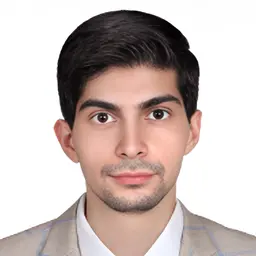
Seyed Soroush Mousavi Khadem
Department of Organic Chemistry, Lorestan University
Seyed Soroush Mousavi Khadem is a researcher specializing in the design, synthesis, and multiscale characterization of reticular and porous materials, including metal-organic frameworks (MOFs), zeolites, and polymer-based hybrids. His work integrates experimental synthesis with computational modeling to elucidate structure-property relationships governing adsorption, transport, and catalytic performance.He has authored multiple peer-reviewed publications in high-impact journals, including Green Chemistry, Journal of Membrane Science, and Journal of Molecular Liquids. His expertise encompasses framework assembly, surface modification, gas sorption analysis (BET, CO₂ uptake), FTIR spectroscopy, and XRD analysis. His current research focuses on developing functional crystalline frameworks for energy conversion, separation processes, and environmental remediation within the broader field of reticular chemistry.
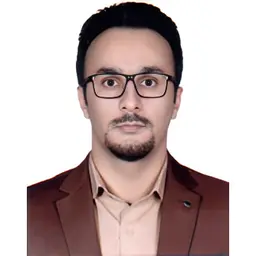
Ali Reza Oveisi
Department of Organic Chemistry, Lorestan University
Dr. Ali Reza Oveisi is an associate professor at Lorestan University, specializing in porous materials such as metal-organic frameworks (MOFs), covalent organic frameworks (COFs), and porous organic polymers (POPs). He earned his MSc from Sistan and Baluchestan University and his PhD from Bu-Ali Sina University, followed by a visiting scholar appointment at Northwestern University in 2014.In 2017, he established his independent research group at the University of Zabol (UOZ). His research excellence has been recognized with several prestigious honors, including the Iran Science Elites Federation’s “Young Scientist” award, the University of Zabol’s “Distinguished Researcher” award for three consecutive years, and recognition among the “Top 53 Scientists in Iran” by the Iran National Science Foundation. Dr. Oveisi has also contributed to the scientific community as a Guest Editor for Frontiers in Catalysis and Frontiers in Chemical Engineering.
Collection Overview
The fact that molecules or building blocks can now be strongly linked into crystalline structures by the use of previously unproven strong bonds, as seen in reticular chemistry, has revolutionized the field of materials science. This advancement allows for the rationalized design of structure and purpose. The emergence of extended porous structures, such as metal-organic frameworks (MOFs) and covalent organic frameworks (COFs), has provided more opportunities to control both topology and pore size and functionality at the atomic scale.
This collection aims to highlight recent innovations in the design, synthesis, and characterization of reticular materials through novel approaches. It will showcase the efficacy of fine reticulation in producing repeatable structures and tunable properties, utilizing protocols ranging from molecular assembly to macroscopic shaping.
Additionally, the collection will explore the emerging applications of these structures in catalysis, energy storage, sensing, and gas storage and separation. These works will illustrate how the principles of reticular chemistry can bridge the fields of chemistry, physics, and engineering. By combining these contributions, researchers will have reliable experimental and analytical methods to design the crystal structures of the next generation.
This collection will serve as a reference for scientists and engineers at the intersection of coordination chemistry, materials science, and nanotechnology. It aims to inspire further development and implementation of reticular chemistry in the realm of modern functional materials research.