
Guest Editors
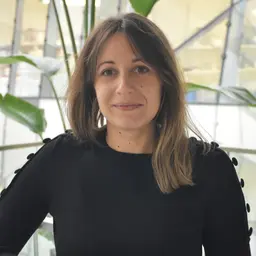
Nabila Brihmat
University of Bordeaux
<p>Nabila Brihmat is a clinical neuroscientist working to advance neuroplasticity-guided interventions for neurological disorders. Her research focuses on innovative neurotechnologies, including non-invasive brain and spinal cord stimulation, exoskeleton-assisted training, and virtual reality, to promote recovery in individuals with brain or spinal cord injuries.</p><p><br></p><p>She completed her PhD in neuroscience at the University of Toulouse III, where she investigated technologies for motor assessment and rehabilitation after stroke. She subsequently joined the Reynolds Center for Spinal Stimulation at Kessler Foundation in New Jersey, USA, where she expanded her expertise in neurorehabilitation following spinal cord injury.</p><p><br></p><p>She is now part of the Neuromodulation and Digital Therapeutics Team at the Institute of Neurodegenerative Diseases in Bordeaux, where her research focuses on understanding and optimizing the effects of non-invasive neuromodulation after stroke and SCI. Her goal is to identify clinically meaningful neurophysiological and neuroimaging biomarkers that can help characterize individual pathophysiological profiles and guide personalized neurotechnology-based interventions.</p>
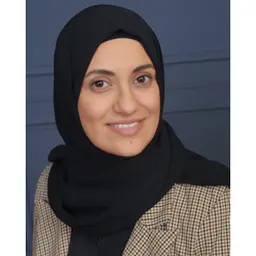
Soha Saleh
Department of Rehabilitation and Movement Sciences, Rutgers University
<p>Soha Saleh is an assistant professor at Rutgers University in New Jersey, USA. She studies the neural mechanisms that support motor and cognitive function after neurological disorders and central nervous system injury. Her long-term goal is to develop innovative, brain-guided rehabilitation strategies that are scientifically grounded and tailored to each individual.</p><p><br></p><p>She holds a PhD in biomedical engineering, and her expertise lies at the intersection of neurophysiology, rehabilitation engineering, and neuroscience. Her current work in neurophysiology focuses on using brain activation and connectivity to guide neuromodulation applications that enhance rehabilitation outcomes.</p><p><br></p><p>She designs and tests neurorehabilitation methods that simultaneously challenge both the body and the brain, for example, by adding cognitive demands to walking tasks, integrating virtual reality to enhance feedback, and using neuroscience-based metrics to track progress. To evaluate these interventions, she uses functional MRI and EEG to investigate how they affect brain excitability, network connectivity, and ultimately, behavior.</p>
Collection Overview
Over the past decades, technological innovation has revolutionized the field of neurorehabilitation. Numerous invasive and non-invasive neuromodulation approaches have been developed, demonstrating promising effects on neuroplasticity and functional recovery following neurological injury and disorders. However, establishing efficacy beyond standard care remains challenging and continues to hinder clinical translation. High inter-individual variability, heterogeneity in neuromodulation protocols, and limited reproducibility represent key barriers to the development of reliable and effective neurorehabilitation interventions. This Topical Collection aims to showcase the extent and potential of neurotechnological innovation in sensorimotor and cognitive neurorehabilitation, with a particular focus on methodological rigor and standardization, reproducibility, and therapeutic potential. By addressing these challenges, this collection seeks to support the optimization, personalization, and broader clinical implementation of neurotechnology-based interventions for functional recovery.
Abstracts
LeapDex: A Unity-Based Software Platform for Markerless, Movement-Triggered Neurophysiological Stimulation and Recording
Jisung Yuk*1,
Rifeng Jin1,
David Cunningham1
1The MetroHealth System, Case Western Reserve University School of Medicine