Guest Editors
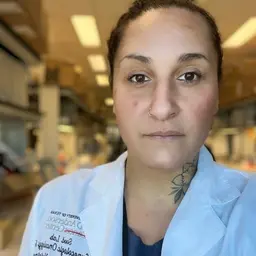
Sara Corvigno
University of Texas MD Anderson Cancer Center
<p>Sara Corvigno is an assistant professor in the Department of Gynecologic Oncology and Reproductive Medicine at The University of Texas MD Anderson Cancer Center. Trained as a clinical oncologist in Italy and holding a PhD in medicine from Karolinska Institutet, Stockholm, she bridges clinical expertise and translational research to advance ovarian cancer care. Her research focuses on the identification and validation of biomarkers, including cancer-derived extracellular vesicles and tumor-educated platelets, to improve disease detection, predict treatment response, and monitor disease progression. She is also committed to developing innovative therapeutic strategies aimed at improving outcomes for patients with ovarian cancer.</p>

Elaine Stur
University of Texas MD Anderson Cancer Center
<p>Dr. Stur is a Brazilian research scientist with a PhD in biotechnology from the Federal University of Espírito Santo. Their research focuses on the tumor microenvironment, particularly the cellular and molecular mechanisms underlying immune suppression in ovarian cancer. Over the past several years, Dr. Stur has led and contributed to studies investigating the single-cell heterogeneity of high-grade serous ovarian carcinoma and identifying biomarkers associated with long-term survival. By integrating single-cell technologies with advanced molecular and translational approaches, their work seeks to deepen the understanding of ovarian cancer biology and uncover new therapeutic opportunities. Ultimately, Dr. Stur aims to define the complex cellular and molecular landscape of the ovarian cancer microenvironment and translate these insights into more effective, personalized treatment strategies.</p>
Collection Overview
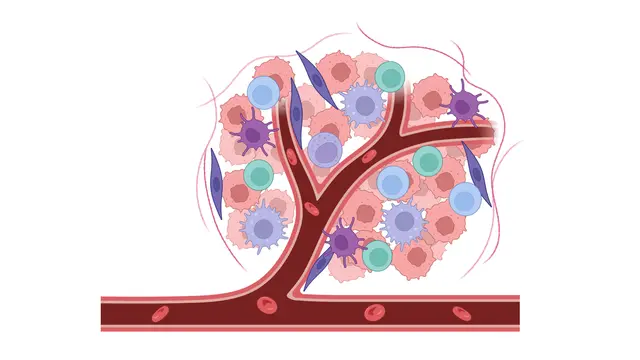
Understanding the initiation, progression, and therapeutic adaptation of cancer requires a deeper and more comprehensive investigation of the tumor microenvironment (TME), including its structural, cellular, and functional components. The dynamic interactions among malignant cells, stromal elements, immune populations, vascular networks, and extracellular matrix profoundly influence tumor evolution and response to treatment. Moreover, therapeutic interventions themselves generate selective pressures that reshape the TME, driving mechanisms of resistance, immune evasion, and metastatic dissemination. Capturing these complex processes demands experimental models capable of faithfully recapitulating human tumor biology.
New approach methodologies (NAMs) represent a transformative frontier in biomedical research, emerging at the intersection of biology, bioengineering, and automation technologies. These advanced human-relevant systems, including organ-on-chip platforms, microphysiological systems, and other engineered multicellular models, are designed to recreate the complexity of human tissues through the integration of multiple cellular and structural components within controlled microenvironments.
Many critical cancer-related phenomena, such as immune cell infiltration, angiogenesis, tumor-stroma interactions, and metastatic progression, cannot be adequately modeled in conventional two-dimensional cultures and often remain only partially represented in animal models. Humanized ex vivo NAMs offer a powerful alternative, providing greater experimental flexibility, reproducibility, and translational relevance. By enabling precise control over biological and physical parameters while incorporating patient-derived cells and tissues, these systems have the potential to surpass traditional in vivo models in their capacity to investigate human-specific mechanisms and predict clinical outcomes.
This collection welcomes contributions highlighting innovative NAM-based approaches to unravel the complexity of the tumor microenvironment and advance cancer research, drug development, and precision oncology.