Guest Editor

Collection Overview
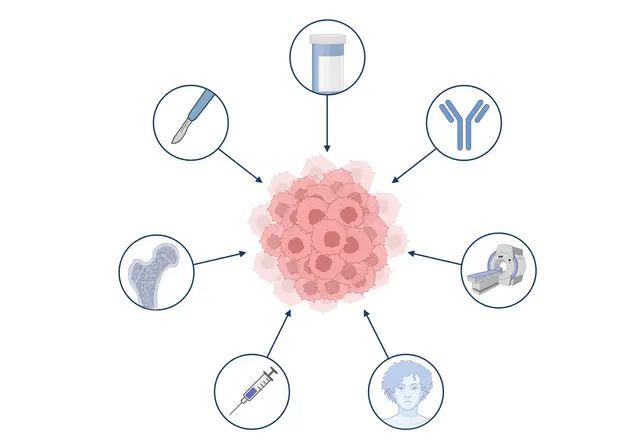
Cancer is a highly heterogeneous and dynamic disease driven by diverse genetic, epigenetic, transcriptional, proteomic, and immune alterations. Understanding these molecular and cellular features is essential for moving beyond conventional histology-based treatment toward precision cancer therapy, in which therapeutic strategies are tailored to the specific biological characteristics of individual tumors. Rapid advances in molecular profiling, tumor modeling, targeted therapies, and cancer immunotherapy, including CAR-T cells and other engineered immune-cell approaches, are reshaping cancer treatment and creating new opportunities to overcome therapeutic resistance and improve patient outcomes.
This collection will highlight recent advances in precision cancer treatment and immunotherapy, with particular emphasis on experimental approaches used to identify therapeutic targets, evaluate treatment responses, investigate mechanisms of drug resistance, and develop innovative therapeutic strategies. Topics will include genomic, transcriptomic, proteomic, and immunological approaches for tumor classification; biomarker discovery and validation; targeted and personalized therapies; anticancer drug development and combination therapies; tumor–immune interactions and the tumor microenvironment; CAR-T and other immune-based therapies; and experimental models for evaluating therapeutic efficacy and resistance. By bringing together reproducible and visually demonstrated experimental approaches alongside emerging therapeutic concepts, this collection will provide researchers with practical resources to investigate cancer mechanisms, develop novel treatments, and advance precision oncology and immunotherapy.