
Guest Editors
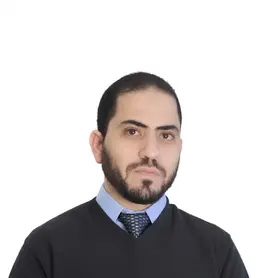
Amro Hashish
Iowa State University (Affiliate); MEVAC for Veterinary Vaccines
Dr. Amro Hashish is an R&D Deputy Manager at MEVAC for Veterinary Vaccines and a Postdoctoral Research Scientist (Affiliate) at Iowa State University. His work bridges veterinary virology, molecular diagnostics, pathogen genomics, and vaccinology, with a focus on emerging infectious diseases and poultry health. His expertise includes next‑generation sequencing, genomic epidemiology, molecular characterization of viral and bacterial pathogens, and recombinant vector‑based vaccine development. His research contributions have received international recognition, earning him multiple awards for scientific research, innovation, and presentations. He is particularly interested in translating advances in sequencing technologies, bioinformatics, and molecular virology into practical diagnostic, surveillance, and vaccine‑development strategies. Through his work, he aims to advance reproducible research methods, strengthen infectious disease preparedness, and connect fundamental virological research with applied veterinary health solutions.

Tamer Sharafeldin
South Dakota State University
Dr. Tamer Sharafeldin is a board‑certified veterinary pathologist with the American College of Veterinary Pathologists and has extensive experience working in veterinary diagnostic laboratories. His research focuses on poultry disease pathogenicity, pathogenesis, and immune response. He is experienced in animal modeling and lesion scoring, including gross pathology and histopathology. His expertise spans veterinary medicine, veterinary pathology, histopathology, vaccine trials, reverse transcription polymerase chain reaction (RT‑PCR), sequencing technologies, and molecular biology. Dr. Sharafeldin holds a Doctor of Philosophy in veterinary pathology from the University of Minnesota–Twin Cities.

Mahmoud Bayoumi
Cairo University, Faculty of Veterinary Medicine; MEVAC for Veterinary Vaccines
Dr. Mahmoud Bayoumi’s research expertise encompasses molecular virology, molecular biology, reverse genetics, zoonotic RNA viruses, and the development of attenuated and reporter‑based vaccine platforms. His work has focused on important viral pathogens, including influenza viruses, SARS‑CoV‑2, and high‑consequence hemorrhagic viruses. He has extensive hands‑on research experience in A/BSL‑2, A/BSL‑3, and BSL‑4 containment laboratories, with expertise spanning viral genetics, virus rescue and characterization, molecular assays, and vaccine platform development. Dr. Bayoumi earned his PhD in Virology from Lancaster University, United Kingdom, where his doctoral research examined viral epitranscriptomics and the role of m6A RNA modification in regulating influenza virus replication. With more than 14 years of research and teaching experience across Egypt, the United Kingdom, and the United States, he has established a strong scientific track record, contributing to peer‑reviewed publications and receiving several national and international scientific awards.

Iryna Goraichuk
Centers for Disease Control and Prevention
Dr. Iryna Goraichuk is a molecular virologist and bioinformatician with nearly 20 years of experience in viral genomics, metagenomics, genomic surveillance, and biodefense. She advanced next‑generation sequencing capabilities at the U.S. Department of Agriculture, where her research focused on molecular diagnostics, sequencing, and bioinformatics for avian and zoonotic viruses. Her expertise spans influenza viruses, paramyxoviruses, coronaviruses, and the development of genomic approaches for pathogen characterization and surveillance. During the COVID‑19 pandemic, she supported public health laboratories in California with SARS‑CoV‑2 genomic analysis and lineage surveillance. She later contributed to work at the Centers for Disease Control and Prevention, applying computational and molecular approaches to wastewater genomic surveillance, measles response, and the detection of viral diversity and low‑abundance variants. Her work bridges molecular virology, advanced sequencing, and public health preparedness.

Ahmed Hamdy Ghonaim
Desert Research Center; Wuhan Institute of Virology, Chinese Academy of Sciences
Dr. Ahmed Hamdy Ghonaim holds a PhD in preventive veterinary medicine from Huazhong Agricultural University and an MSc in forensic medicine and toxicology from Suez Canal University. His research focuses on veterinary virology, molecular epidemiology, host–virus interactions, vaccine development, and antiviral discovery. He has extensive experience in molecular diagnostics, genomic analysis, and vaccine‑related research, with particular interests in emerging infections, arboviruses, and One Health. Dr. Ghonaim has received awards for scientific publications, presentations, and peer review, along with recognition as an Outstanding Egyptian Researcher in China.
Collection Overview
Emerging and reemerging viruses pose challenges that extend beyond detection to understanding their genetic diversity, biological properties, and patterns of spread. Addressing these questions requires reliable molecular methods that connect diagnostic findings with experimental investigation and genomic analysis. This Topical Collection will feature practical, reproducible methods for studying viral pathogens, from molecular detection and genome characterization to functional analysis and epidemiological investigation. We welcome contributions on diagnostic assay development and validation; targeted and whole-genome sequencing; metagenomic approaches; reverse genetics and infectious clone systems; genetic manipulation and functional analysis of viral genes; and bioinformatics workflows for genome assembly, variant analysis, phylogenetics, and genomic epidemiology.
JoVE’s visual format offers an opportunity to communicate laboratory procedures, critical technical steps, and data interpretation that can be difficult to convey through written descriptions alone. We particularly encourage protocols that demonstrate quality control measures, address analytical limitations, and offer practical solutions to common experimental challenges. Relevant applications include the investigation of emerging viral diseases, characterization of genetic variation, studies of virus-host interactions, outbreak investigation, and surveillance of zoonotic and animal viruses. Methods that support the interpretation of viral evolution and the investigation of genetic changes associated with viral phenotypes are also welcome. By bringing together diagnostic virology, experimental molecular virology, reverse genetics, and genomic analysis, this collection aims to equip researchers with robust methods to investigate not only which viruses are present but also how they vary, behave, and spread.