This protocol outlines an image-based deep learning pipeline for classifying paddy leaf diseases. It combines UNet-based segmentation and transfer learning models to enhance accuracy. The approach supports automated disease detection and includes a user interface for practical deployment, aiding non-experts in identifying paddy crop issues.
A subscription to JoVE is required to view this content. Sign in or start your free trial.
Research Article
Transfer Learning and UNet Segmentation for Paddy Leaf Disease Classification as a Solution with a User-Friendly Interface for Non-Technical Users
In This Article
Summary
Abstract
Paddy is a vital food crop that supports billions of people globally, and paddy cultivation is vital to the economic stability of numerous nations, acting as a key contributor to income and employment in agricultural communities, especially across Asia. Despite its importance, paddy cultivation is hindered by various leaf diseases such as Tungro, Sheath Blight (SB), Paddy Hispa (PH), Neck Blast (NB), Narrow Brown Spot (NBS), Leaf Scald (LS), Leaf Blast (LB), Brown Spot (BS), and Bacterial Leaf Blight (BLB), all of which negatively impact yield and grain quality. To address these issues, this study proposes a customized deep learning approach based on transfer learning. Six distinct models were evaluated, with the tailored DenseNet-121 model delivering the best performance, achieving an accuracy of 0.98, a precision of 0.97, and a recall of 0.96. To enhance model performance, image segmentation was performed using the UNet model, which significantly improved accuracy by creating a segmented image dataset. The six models were tested on two datasets: one containing segmented images and the other with non-segmented images, both derived from the Paddy Leaf Diseases Detection Dataset. Additionally, a simple and intuitive graphical interface was developed to allow users without technical backgrounds to conveniently interact with the model and identify paddy leaf diseases. This integrated solution highlights the effectiveness of deep learning in providing dependable and scalable methods for classifying paddy leaf diseases.
Introduction
Paddy is a cornerstone of global agriculture, sustaining billions of people and forming the economic backbone of numerous nations, particularly in Asia, where it accounts for a substantial portion of both food consumption and livelihoods1. However, the sustainable production of paddy is increasingly under threat due to various biological and environmental factors, with leaf diseases being among the most critical challenges. Diseases such as bacterial leaf blight, brown spot, and paddy blast2,3 can significantly reduce crop yields, degrade grain quality, and lead to substantial financial losses for farmers4.
To address these issues, the classification of paddy leaf diseases has become an essential tool in plant pathology5. Early and accurate identification of such diseases enables timely intervention, mitigating the spread and impact of infections. Traditionally, this task relies on expert visual inspection, which, while effective in small-scale settings, suffers from limitations such as subjectivity, labor-intensiveness, and limited scalability across large agricultural areas.
Recent advances in Machine Learning (ML) and Deep Learning (DL) have significantly transformed the way plant diseases are detected and classified. These technologies utilize high-resolution images of infected leaves to enable automated, scalable, and precise disease identification. Such automation improves consistency, reduces human error, and supports real-time decision-making for farmers6.
Several contemporary studies have also explored innovative approaches to enhance agricultural diagnostics. For instance, RNA-level studies such as circANK-mediated defense suppression have opened new biological avenues in paddy disease understanding7, while vision-based frameworks like two-pathway instance segmentation for paddy row detection have shown the utility of deep learning in precision agriculture8. Moreover, recent works such as TMFF: Trustworthy Multi-Focus Fusion for multi-label classification in complex visual environments emphasize the growing importance of hybrid and robust DL models for real-world deployment9.
Motivated by these developments, this research advances paddy leaf disease classification by integrating UNet-based segmentation with deep transfer learning models. This approach aims to isolate diseased regions more accurately and classify them using efficient pre-trained networks. By addressing the limitations of traditional manual methods and enhancing model focus through segmentation, this work contributes to improving classification performance, supporting sustainable farming practices, and strengthening food security systems10.
Outline of paddy leaf disease classification
Paddy holds unparalleled significance as a staple crop, feeding more than 50% of the world's population and serving as a key economic driver for many developing countries, particularly in Asia11. Beyond its role in food security, paddy cultivation is deeply embedded in cultural and societal practices in numerous regions, making its sustained production a priority for governments and agricultural stakeholders. However, paddy production is fraught with challenges, and among these, leaf diseases continue to endanger both the productivity and quality of paddy crops. Widespread issues like bacterial leaf blight, brown spot, and paddy blast contribute to considerable yield losses12, affecting worldwide paddy production and straining the economies that depend heavily on this staple.
Leaf disease classification is a vital component of modern agricultural management, as it provides the foundation for timely and effective disease control measures. Timely identification enables farmers to control the spread of diseases, make efficient use of agrochemicals, and avoid significant crop damage. Conventionally, this process has depended on visual inspection carried out by skilled agricultural professionals. While this method can be effective, it is labor-intensive, time-consuming, and highly dependent on the skill level of the observer. Furthermore, in large-scale farming operations, manual inspection often becomes impractical, especially when subtle symptoms are challenging to identify during the initial phases of infection13.
The advent of automated systems for leaf disease classification has revolutionized agricultural diagnostics14. These systems leverage advances in imaging technologies and DL to provide scalable15, efficient16, and highly accurate solutions17. Image Processing (IP), combined with ML and DL models, can process high-resolution images of paddy leaves to identify disease symptoms, often outperforming traditional methods in accuracy and speed. By automating the classification process, these systems empower farmers and agricultural professionals to make data-driven decisions, reducing dependency on human expertise and minimizing the risk of errors.
Paddy leaf disease classification not only ensures higher productivity and reduced losses but also contributes to the broader goals of sustainable agriculture. By enabling precise identification of diseases18, these technologies help in optimizing19 pesticide use, thus minimizing environmental impact and promoting eco-friendly20 farming practices. Furthermore, integrating these systems with mobile applications and remote sensing tools extends their reach to smallholder farmers in resource-limited settings, fostering inclusivity and equity in agricultural advancements21.
The importance of paddy as a global crop underscores the need for robust, reliable, and accessible methods for leaf disease classification22. Through the deployment of these technologies, the agricultural sector can address one of its most pressing challenges, ensuring the resilience and sustainability of paddy production in the face of growing demands and environmental constraints.
Modelling techniques
The suggested method for classifying paddy leaf diseases integrates various sophisticated techniques to improve both accuracy and effectiveness:
Image segmentation: The first step involves segmenting the leaf images to isolate the leaf area from the background. This step reduces computational complexity by removing unwanted parts23,24 of the image and improves the focus on relevant patterns, leading to better accuracy.
Feature extraction: Features are extracted from the segmented images, capturing critical details about the disease symptoms25. These features form the basis of the classification model, allowing it to efficiently distinguish between healthy and diseased leaves.
Transfer learning: Transfer learning is utilized to leverage knowledge from pre-trained models, greatly minimizing the necessity for extensive training on new datasets. This approach accelerates the development process while maintaining high accuracy and efficiency26.
End-to-end classification model: Unlike traditional methods that use transfer learning solely for feature extraction, the proposed methodology incorporates an end-to-end classification framework. This holistic approach integrates feature extraction and classification27,28 into a seamless pipeline, ensuring optimal performance.
Evaluation metrics: Several evaluation metrics are applied to analyze the model's performance29, providing detailed information on its accuracy, precision, recall, and overall efficiency. This comprehensive analysis helps effectively determine the model's reliability and suitability.
Research gaps
Despite significant progress, various challenges and limitations remain in the domain of leaf disease classification:
Manual leaf disease identification relies heavily on domain experts, making it subjective and inconsistent. Even with strong domain knowledge, human errors in manual approaches can lead to significant crop losses.
Manual methods are labor-intensive and unable to function around the clock, making them impractical for large-scale or continuous monitoring.
Research in leaf disease classification is extensive, but very limited studies focus specifically on paddy leaf disease classification.
Previous studies30have generally neglected the use of transfer learning for classifying paddy leaf diseases.
Existing models often lack generalizability across varying environmental conditions and disease variants, limiting their practical utility31.
Datasets used in current studies are frequently small and lack diversity, which hinders broader applicability32.
By addressing these gaps, this study aims to advance the field of paddy leaf disease classification through innovative techniques and robust methodologies.
Chief contributions of this study
This research seeks to fill these gaps by creating and assessing a customized deep learning-based method for classifying paddy leaf diseases. Key contributions include:
Utilizing transfer learning to leverage pre-trained model weights enables the achievement of high accuracy within fewer training epochs.
Demonstrating that fewer training epochs reduce the need for high computational power, making the method accessible to users with limited computational resources.
Developing an end-to-end classification model that integrates segmentation, feature extraction, and classification, providing a comprehensive solution.
Employing data segmentation and other techniques to enhance the model's generalizability across diverse datasets.
Open challenges
Despite the promising results achieved in this study, open challenges remain. These challenges include the need for larger and more diverse datasets to enhance the model's robustness33 and adaptability34 across various environmental conditions35 and disease types, the incorporation of multi-modal data to boost prediction accuracy, and the deployment of models for real-time use in field conditions. Furthermore, achieving a balance between computational efficiency and model performance is crucial to ensure accessibility for end-users, particularly in rural and under-resourced areas.
Access restricted. Please log in or start a trial to view this content.
Protocol
Dataset description
The dataset used in this research was obtained from the publicly available Kaggle repository titled Paddy Leaf Diseases Detection Dataset. It consists of 18,545 images of paddy leaves categorized into 10 disease classes and 1 healthy class. Images vary in resolution and were captured under different lighting and environmental conditions.
Image preprocessing
All images were resized to 224 x 224 pixels using TensorFlow's tf.image.resize() function. This uniformity ensures compatibility with the input requirements of pre-trained CNN models.: Pixel values were normalized to the range [0,1] using rescale=1./255 parameter in Keras ImageDataGenerator. Augmentation (for training only): Techniques such as horizontal and vertical flipping, rotation (± 20°), and zoom (up to 20%) were applied using ImageDataGenerator to improve generalization.
Image segmentation
A UNet model was employed for image segmentation to isolate diseased leaf areas from background clutter. The UNet architecture was built using Keras functional API with encoder-decoder layers, skip connections, and ReLU activation. Segmentation masks were applied to original images using pixel-wise multiplication (cv2.bitwise_and) to retain only relevant features.
Model architecture and training
The following models were used as backbone classifiers: VGG16, ResNet50, InceptionV3, MobileNet, AlexNet, and DenseNet121. Pre-trained models (on ImageNet) were imported with include_top=False. A custom classification head was added, consisting of a global average pooling layer, two dense layers with 128 and 64 neurons (ReLU activation), a Dropout layer (rate = 0.4), and a final dense layer with 11 outputs and Softmax activation.
Experimental setup
All experiments were conducted using the following settings: Programming Environment: Python 3.11.5 with TensorFlow and Keras, Execution Platform: Jupyter Notebook, Hardware: Intel Core i5-6300U, 8 GB RAM, Windows 11, Batch Size: 32, Epochs: 50, Optimizer: Adam, Learning Rate: 0.0001, Loss Function: Categorical Crossentropy, Activation Functions: ReLU for hidden layers, Softmax for the final output layer.
Evaluation metrics
Accuracy, precision, recall, and F1-score were calculated using classification_report from sklearn.metrics. Confusion matrices were plotted using confusion_matrix and seaborn.heatmap. Performance was assessed on both non-segmented and UNet-segmented images for comparative evaluation.
GUI development
A simple graphical user interface was created using Python's Tkinter library. Users can upload a leaf image using the GUI, which is then passed through the trained model. The predicted disease class is displayed on screen, along with a confidence score.
Dataset creation
The dataset used in this study is the publicly available Paddy Leaf Diseases Detection dataset from Kaggle36, comprising a total of 18,545 high-resolution images of paddy leaves categorized into 10 disease classes and 1 healthy class. The images were captured under varying lighting conditions and diverse environmental settings, making the dataset highly representative and suitable for building robust deep learning models. The dataset is approximately 8.33 GB in size and contains the following classes: Tungro, Sheath Blight (SB), Paddy Hispa (PH), Neck Blast (NB), Narrow Brown Spot (NBS), Leaf Scald (LS), Leaf Blast (LB), Healthy, Brown Spot (BS), and Bacterial Leaf Blight (BLB).
To ensure reproducibility and effective model evaluation, the dataset was randomly divided into training (80%) and testing (20%) subsets while maintaining class distribution. The training set was used to train the models, while the test set was reserved for performance validation on unseen data. The evaluation was based on standard classification metrics: Accuracy, Precision, Recall, and F1-score, which provided a comprehensive assessment of each model's classification capability. The study compared six deep learning models: VGG16, ResNet, InceptionV3, MobileNet, AlexNet, and DenseNet121, with DenseNet121 delivering the best performance for the task.
Data distribution
The disease classification was carried out using deep learning models trained on the dataset. The dataset was divided into two subsets: a training set and a testing set. The training set was used to teach the model, whereas the testing set was used to evaluate its performance on previously unseen data. A summary of the image distribution across the ten disease categories and the healthy leaf class is provided in Table 1. This table provides a comprehensive understanding of the visual symptoms associated with each disease, facilitating the training and evaluation of classification models.
This distribution ensures an equitable representation of each disease category during both the training and testing phases. The training set includes the majority of the images, enabling the model to effectively learn the unique characteristics of each class. The testing set, consisting of a smaller subset of images, ensures a reliable evaluation of the model's accuracy and its ability to generalize to new, unseen data.
The balanced and diverse distribution of images across categories ensures that the model has sufficient data to learn the unique patterns associated with each disease type, while also mitigating the risk of overfitting or bias toward any particular class. This data split is essential for achieving robust and reliable classification results.
Data cleaning
In the preprocessing phase, cleaning the data is essential to enhance the accuracy and efficiency of the classification model. The raw paddy leaf images often include unwanted background elements such as soil, nearby vegetation, or farming tools, which can introduce noise and degrade the model's overall performance.
To address this, image segmentation was carried out using the UNet37,38 model, a well-known convolutional neural network architecture designed specifically for semantic segmentation tasks. The UNET model is capable of segmenting leaf regions from the background with high precision, ensuring that only the relevant portions of the images are retained for further processing39. The segmentation process was illustrated in Figure 1.
Process of segmentation with UNet model (Figure 2): Raw images from the dataset are fed into the UNET model. The UNET model consists of an encoder that extracts hierarchical features and a decoder that reconstructs the image while segmenting the leaf region. The model outputs a binary mask where the leaf region is marked, and the background is removed. The segmented images are further refined by applying morphological operations to ensure smooth edges and remove any residual noise (Figure 3).
Mathematical formulation of UNet segmentation: UNet performs semantic segmentation by learning a mapping from the input image space to a binary mask that highlights the region of interest (ROI), i.e., the diseased leaf area, while suppressing the irrelevant background. Let:
 denote the input RGB image of size H*W with C=3 color channels.
![UNet function equation, f_UNet(X) → M ∈ [0,1]ᴴᵡᵂ, deep learning model structure diagram.](/files/ftp_upload/68861/68861eq02.jpg "figure-protocol-2") be the output of the trained UNet model, where each pixel value in M represents the probability of that pixel belonging to the diseased leaf region.
be the output of the trained UNet model, where each pixel value in M represents the probability of that pixel belonging to the diseased leaf region.
The final binary segmentation mask 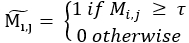
where τ [0,1] is the segmentation threshold (commonly set to 0.5).
The segmented image 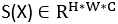 is then computed as:
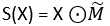
where  denotes element-wise multiplication, applied spatially across all channels. This operation retains pixel values in the ROI (where
  ) and masks out background pixels (where ). This segmented output is passed as input to the classification model (e.g., DenseNet121), allowing it to focus exclusively on disease-relevant features while ignoring noisy, non-informative background areas, which improves classification performance and model generalization.
This preprocessing step guarantees that the following stages of feature extraction and classification are performed on clean, relevant data, thereby enhancing the overall performance and reliability of the paddy leaf disease classification model.
Transfer Learning
Transfer learning utilizes pre-trained neural networks to tackle new but related problems, eliminating the need to build models from the ground up. This approach leverages knowledge gained from previous tasks, enabling efficient learning40. Pre-trained models are often developed on extensive datasets and possess robust feature extraction capabilities, making them suitable for fine-tuning on specific datasets. This reduces training time, avoids overfitting, and achieves high accuracy even with limited computational resources.
In this study, transfer learning was employed to identify paddy leaf diseases by evaluating various pre-trained deep learning models. The architecture explored in the experiments includes VGG16, ResNet, InceptionV3, MobileNet, AlexNet, and DenseNet121. Each of these models was initially trained on large datasets, such as ImageNet, and their pre-trained weights were utilized in this work. To adapt the models to the classification task, the following modifications were made:
Model modification: The original fully connected (classification) layers of each model were removed using the parameter include_top=False during model import in Keras. This ensured that only the convolutional base (feature extractor) of each pre-trained model was retained. The output of the last convolutional block was flattened into a one-dimensional vector using the Flatten() layer.
Dense layers: Three fully connected (Dense) layers were appended sequentially after the flattening step. These layers were defined using the Keras Dense() function: the first with 256 neurons and ReLU activation, the second with 128 neurons and ReLU activation, and the third with 64 neurons and ReLU activation. A Dropout layer was also added between layers to reduce overfitting.
Output layer: Three fully connected (Dense) layers were appended sequentially after the flattening step. These layers were defined using the Keras Dense() function: the first with 256 neurons and ReLU activation, the second with 128 neurons and ReLU activation, and the third with 64 neurons and ReLU activation. A Dropout layer (rate 0.4) was also added between layers to reduce overfitting.
The overall pipeline and flow of the methodology, including preprocessing, segmentation, transfer learning model implementation, and evaluation, is depicted in Figure 4. This figure provides a comprehensive overview of the steps followed in this research. By employing transfer learning, training time was successfully minimized, dependency on high-end computational resources was reduced, and significant performance improvements were achieved in paddy leaf disease classification.
Proposed DenseNet121 model for leaf disease classification
Among all the models tested, DenseNet121 exhibited the best performance in classifying paddy leaf diseases, achieving remarkable accuracy. This cutting-edge deep learning model is distinguished by its innovative architecture40, which promotes efficient information flow and enhances feature reuse.
Architecture of DenseNet121: DenseNet121 is characterized by densely connected layers, where each layer can access the feature maps from all preceding layers. This design optimizes information flow, reduces redundancy, and significantly improves the model's overall efficiency.
The architecture consists of the following key components:
Input layer: Receives images resized to 224 x 224pixels for standardized processing.
Initial convolutional layer: Applies a 7 x 7 convolution operation followed by max pooling to reduce the spatial dimensions and extract low-level features.
Dense blocks: The model contains four dense blocks. Each block comprises several convolutional layers connected in a dense manner, meaning each layer has direct access to the outputs of all previous layers within the block.
Transition layers: Positioned between dense blocks, these layers perform a 1 x 1 convolution followed by average pooling to reduce feature dimensions, improving computational efficiency.
Global Average Pooling (GAP): Reduces the spatial dimensions of feature maps before the fully connected layers.
Fully Connected Layer: Produces the output vector for classification.
Custom layers for classification: For this research, the default fully connected layers were replaced with a custom architecture: Flatten layer, three dense layers (256, 128, and 64 neurons with ReLU activation), and a final sigmoid-activated layer for binary classification.
DenseNet121's ability to reuse features and its compact architecture contributed significantly to its superior performance on the paddy leaf disease dataset. This efficiency, coupled with its ability to minimize overfitting, makes it ideal for tasks with limited training data. DenseNet121 achieved better accuracy and generalization than other models due to its feature reuse and gradient flow properties. While models like ResNet and VGG16 performed well, DenseNet121 outperformed them in terms of accuracy and computational efficiency.
In all models, three fully connected (dense) layers were included utilizing ReLU activation functions (as shown in Equation 1), culminating in a final dense layer with a SoftMax activation (Equation 2) to facilitate multi-class classification. This adaptation allowed each model to effectively utilize its pre-trained weights while classifying the images in the dataset.
ReLu f(x) = max(0, X) (1)
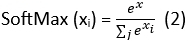
where xi represents the input to the SoftMax function, adjusted for classification across the ten Paddy leaf diseases categories. Each model’s unique architecture, combined with this customized output layer, enabled effective feature extraction and accurate image classification.
Figure 5 presents the architectural layout of DenseNet121, showcasing the seamless flow of information through its dense blocks, transition layers, and the tailored classification layers integrated for this research. This visual depiction clarifies how DenseNet121 handles image inputs and generates prediction outputs
Access restricted. Please log in or start a trial to view this content.
Results
For the conducted experiments in this study, the model was developed using Python version 3.11.5 and Jupyter Notebook on a Windows 11 operating system. The primary deep learning frameworks utilized were TensorFlow and Keras libraries. The hardware used for this research was an HP PC with an Intel i5-6300U CPU clocked at 2.50 GHz, equipped with 8 cores.
The dataset was divided into two primary subsets: 80% for training and 20% fo...
Access restricted. Please log in or start a trial to view this content.
Discussion
This study proposes a deep learning-based framework for the automated classification of paddy leaf diseases using both segmented and non-segmented datasets. The approach integrates UNet-based image segmentation with transfer learning models, demonstrating that segmentation significantly enhances feature extraction and classification accuracy. Among the six models evaluated, the customized DenseNet-121 achieved the highest performance, with an accuracy of 0.98, precision of 0.97, and recall of 0.96.
Access restricted. Please log in or start a trial to view this content.
Disclosures
The authors have nothing to disclose.
Acknowledgements
The authors acknowledge the efforts of Penugonda Seetha Rama Krishna for contributing to the conceptualization, methodology, and preparation of the manuscript, and extend sincere thanks to S. Nagarajan for providing supervision and guidance throughout the study.
Access restricted. Please log in or start a trial to view this content.
Materials
| Name | Company | Catalog Number | Comments |
|---|---|---|---|
| HP PC | HP | Intel Core i5-6300U CPU @ 2.5 GHz, 8 GB RAM | |
| Jupyter Notebook | Open Source | Used for code execution | |
| Kaggle Dataset: Rice Leaf Diseases Detection | Kaggle | https://www.kaggle.com/datasets/loki4514/rice-leaf-diseases-detection | |
| Keras | Open Source | Integrated with TensorFlow | |
| Python | Python Software Foundation | 3.11.5 | |
| TensorFlow | 2.x | ||
| Windows OS | Microsoft | Windows 11 |
References
- Baheti, H., Thakare, A., Bhople, Y., Darekar, S., Dodmani, O. Tomato plant leaf disease detection using inception v3. Intell Syst Appl. 959, 49-60 (2023).
- Shin, J., et al. Trends and prospect of machine vision technology for stresses and diseases detection in precision agriculture. Agri Eng. 5 (1), 20-39 (2023).
- Shamsul Kamar, N. A., et al. Pest and disease incidence of coniferous species in Taman Saujana Hijau, Putrajaya urban park Malaysia. J Forest Res. 34 (6), 2065-2077 (2023).
- Dutta, M., et al. Rice leaf disease classification-A comparative approach using convolutional neural network (CNN), cascading autoencoder with attention residual U-Net (CAAR-U-Net), and MobileNet-V2 architectures. Technologies. 12 (11), 214(2024).
- Alsakar, Y. M., Sakr, N. A., Elmogy, M. An enhanced classification system of various rice plant diseases based on multi-level handcrafted feature extraction technique. Sci Rep. 14 (1), 1-33 (2024).
- Ritharson, P. I., Raimond, K., Mary, X. A., Robert, J. E. DeepRice: A deep learning and deep feature-based classification of rice leaf disease subtypes. Artif Intell Agric. 11, 34-49 (2024).
- Khanna, A., Saini, R., Kumar, A., Singh, R. Toward end-to-end rice row detection in paddy fields exploiting two-pathway instance segmentation. Plant Phenomics. 6, 0043(2024).
- de Silva, R., Cielniak, G., Wang, G., Gao, J. Deep learning-based Crop Row Detection for Infield Navigation of Agri-Robots. arXiv. , (2022).
- Zhao, C., Hu, C., Shao, H., Wang, Z., Wang, Y. Towards Trustworthy Multi-label Sewer Defect Classification via Evidential Deep Learning. arXiv. , (2022).
- Gogoi, M., Kumar, V., Begum, S. A., Sharma, N., Kant, S. Classification and detection of rice diseases using a 3-stage CNN architecture with transfer learning approach. Agriculture. 13, 1505(2023).
- Rice as food. Wikipedia. , Wikipedia contributors. https://en.wikipedia.org/wiki/Rice_as_food (2025).
- Deng, R., et al. Automatic diagnosis of rice diseases using deep learning. Front Plant Sci. 12, 701038(2021).
- Image classification for rice leaf disease using AlexNet model. Win Lwin, L. Y., Htwe, A. N. 2023 IEEE Conf Comput Appl (ICCA), , 124-129 (2023).
- Tripathy, R., et al. Optimization based rice leaf disease classification in federated learning. Multimed Tools Appl. 83, 72491-72517 (2024).
- Li, Y., Wang, H., Dang, L. M., Sadeghi-Niaraki, A., Moon, H. Crop pest recognition in natural scenes using convolutional neural networks. Comput Electron Agric. 169, 105174(2020).
- Zhong, Y., Zhao, Z. Research on deep learning in apple leaf disease recognition. Comput Electron Agric. 168, 105146(2020).
- Yang, Y., Liu, Z., Huang, M., Zhu, Q., Zhao, X. Automatic detection of multi-type defects on potatoes using multispectral imaging combined with a deep learning model. J Food Eng. 336, 111213(2023).
- Wang, L., et al. Identification of crop diseases using improved convolutional neural networks. IET Comput Vis. 14 (7), 538-545 (2020).
- Arsenovic, M., Karanovic, M., Sladojevic, S., Anderla, A., Stefanovic, D. Solving current limitations of deep learning-based approaches for plant disease detection. Symmetry. 11 (7), 939(2019).
- Hu, G., Wu, H., Zhang, Y., Wan, M. A low shot learning method for tea leaf's disease identification. Comput Electron Agric. 163, 104852(2019).
- Too, E. C., Yujian, L., Njuki, S., Yingchun, L. A comparative study of fine-tuning deep learning models for plant disease identification. Comput Electron Agric. 161, 272-279 (2019).
- Ma, R., et al. Identification of maize seed varieties using MobileNetV2 with improved attention mechanism CBAM. Agriculture. 13 (1), 11(2023).
- Krizhevsky, A., Sutskever, I., Hinton, G. E. ImageNet classification with deep convolutional neural networks. Commun ACM. 60 (6), 84-90 (2017).
- Brahimi, M., Boukhalfa, K., Moussaoui, A. Deep learning for tomato diseases: classification and symptoms visualization. Appl Artif Intell. 31 (4), 299-315 (2017).
- Wang, G., Sun, Y., Wang, J. Automatic image-based plant disease severity estimation using deep learning. Comput Intell Neurosci. 2017, 2917536(2017).
- Deep residual learning for image recognition. He, K., Zhang, X., Ren, S., Sun, J. Proc IEEE Conf Comput Vis Pattern Recognit CVPR, , 770-778 (2016).
- Amara, J., Bouaziz, B., Algergawy, A. A deep learning-based approach for banana leaf diseases classification. Datenbanksysteme Business Tech Web (BTW 2017). , 79-88 (2017).
- Srilatha, D., Thillaiarasu, N. Implementation of intrusion detection and prevention with deep learning in cloud computing. J Inf Technol Manag. 15, 1-8 (2023).
- Sladojevic, S., Arsenovic, M., Anderla, A., Culibrk, D., Stefanovic, D. Deep neural networks-based recognition of plant diseases by leaf image classification. Comput Intell Neurosci. 2016, 3289801(2016).
- Simhadri, C. G., Kondaveeti, H. K., Vatsavayi, V. K., Mitra, A., Ananthachari, P. Deep learning for rice leaf disease detection: A systematic literature review on emerging trends, methodologies and techniques. Info Proc Agri. 12 (2), 151-168 (2025).
- Xu, M., et al. Embracing limited and imperfect training datasets: Opportunities and challenges in plant disease recognition using deep learning. Front Plant Sci. 14, 1225409(2023).
- Xu, M., Park, J. E., Lee, J., Yang, J., Yoon, S. Plant disease recognition datasets in the age of deep learning: Challenges and opportunities. arXiv. , (2023).
- Basic investigation on a robust and practical plant diagnostic system. Fujita, E., Kawasaki, Y., Uga, H., Kagiwada, S., Iyatomi, H. Proc 15th IEEE Int Conf Mach Learn Appl ICMLA, , 989-992 (2016).
- Densely connected convolutional networks. Huang, G., Liu, Z., Van Der Maaten, L., Weinberger, K. Q. Proc IEEE Conf Comput Vis Pattern Recognit CVPR, , 4700-4708 (2017).
- Sapkal, A. T., Kulkarni, U. V. Comparative study of leaf disease diagnosis system using texture features and deep learning features. Int J Appl Eng Res. 13 (19), 14334-14340 (2018).
- Loki4514, Leaf Diseases Detection Dataset. Kaggle. , https://www.kaggle.com/datasets/loki4514/rice-leaf-diseases-detection Accessed (2025).
- Siddique, N., Paheding, S., Elkin, C. P., Devabhaktuni, V. U-Net and its variants for medical image segmentation: a review of theory and applications. IEEE Access. 9, 82031-82057 (2021).
- Yohoshiva, B., Challa, N. P. Ghcr-a dataset for Grantha handwritten character recognition. Data Brief. 56, 110783(2024).
- Ronneberger, O., Fischer, P., Brox, T. U-Net: Convolutional networks for biomedical image segmentation. Med Image Comput Comp Assisted Intervent MICCAI 2015 Lecture Notes Comp Sci. 9351, 234-241 (2015).
- Zhuang, F., et al. A comprehensive survey on transfer learning. arXiv. , (2020).
Access restricted. Please log in or start a trial to view this content.