This scoping review highlights that most U.S. school-based substance use programs are primary universal prevention, and integration of secondary prevention strategies remains limited. Incorporating theory, peer engagement, cultural adaptation, and technology could enhance impact and support equitable, comprehensive prevention for diverse adolescents.
Review Article
Integrating Primary and Secondary Prevention in U.S. School-Based Substance Use Programs: A Scoping Review from Initiation to Harm Reduction
Opens in a new tab
In This Article
Summary
Loading...
$$\rightleftharpoonup{xx}$$
$$\longleftharp{xx}$$,
$$\longrightharp{xx}$$,
Abstract
Loading...
$$\rightleftharpoonup{xx}$$
$$\longleftharp{xx}$$,
$$\longrightharp{xx}$$,
School-based substance use prevention programs in the United States (U.S.) have traditionally emphasized primary prevention. Although widely implemented, many programs overlook students who are already using substances. The incorporation of secondary prevention strategies, including resource-oriented approaches, acknowledges the full spectrum of student experiences and may enhance the relevance and responsiveness of prevention curricula while advancing health equity. Such integration is particularly important given increasing concerns regarding youth mental health, polysubstance use, and barriers to treatment access. The objective of this review was to assess the integration of secondary prevention components within school-based substance use prevention programs. Following PRISMA-ScR guidelines, a systematic search of EBSCOHOST, PubMed, and Google Scholar was conducted in July 2025. Eligible studies included peer-reviewed articles published between 2000 and 2025 that evaluated U.S.-based middle and high school programs integrating resource-oriented strategies, such as harm reduction and help-seeking, during school hours. Non-U.S. programs, elementary school and college-based interventions, and grey literature were excluded. Among the twenty-four studies included, most (n = 16) focused primarily on prevention strategies such as refusal skills and substance use awareness, whereas eight studies incorporated resource-oriented elements, including harm reduction and help-seeking components. Theoretical grounding was inconsistent, with three studies lacking an explicit theoretical framework. Most programs were teacher-led and peer-enhanced (n = 18) and targeted universal student populations (n = 20). Few interventions were tailored to high-risk subgroups, such as adolescents with prior substance use, and cultural adaptation was uncommon. School-based substance use prevention programs commonly emphasize universal skills, normative education, and peer engagement approaches; however, several methodological limitations remain. Future research would benefit from more rigorous evaluation, clearer theoretical grounding, greater attention to cultural adaptation, and exploration of scalable, tiered hybrid models capable of supporting equitable and comprehensive prevention across diverse adolescent populations.
Introduction
Loading...
$$\rightleftharpoonup{xx}$$
$$\longleftharp{xx}$$,
$$\longrightharp{xx}$$,
Adolescent substance use poses a significant public health challenge in the United States (U.S.), with many adolescents reporting substance use. According to the 2024 Monitoring the Future survey, approximately 42% of high school seniors reported using alcohol in the past 12 months, 21% of high school seniors reported ever vaping nicotine, and more than 1 in 4 (26%) reported using cannabis within the past 12 months1. Substance use initiation in adolescence has been linked to multiple adverse outcomes over the life course, including impaired cognitive development, increased likelihood of mental health issues, and substance use disorders in adulthood2,3. Thus, adolescence is a crucial window for prevention. Due to their broad reach and regular access, schools are viewed as the key settings for adolescent substance use prevention efforts4.
A variety of school-based substance use prevention curricula have been developed and implemented to curb this public health concern. Notable programs include the law enforcement partnership program (DARE) and the skills-training curriculum (LST)5,6. Due to the wide breadth of existing curricula, these programs differ in terms of goals, structure, content, and delivery method7. A key distinction lies in whether a program adopts a prevention-based or resource-based approach. Prevention-based approaches are grounded in primary prevention and aim to discourage the use of substances before first initiation8,9. These curricula often emphasize the negative consequences of substance use and teach refusal and communication skills to resist peer pressure10.
In contrast, resource-oriented approaches (i.e., secondary prevention) incorporate harm-reduction principles and acknowledge that some youth may already be using substances11. These programs educate students on the risks of substance use, promote help-seeking behaviors, and connect students to relevant support services12,13. Harm-reduction-informed curricula have historically been more common in Europe, though several programs have recently emerged in the U.S14,15.
Adolescent substance use risk exists along a developmental continuum rather than as a binary state of use versus non-use16, yet many school-based prevention programs continue to operate from a primarily universal, initiation-focused framework17. In practice, middle and high school classrooms often include students with varying levels of exposure to substances, ranging from no prior use to experimentation, intermittent use, or escalating risk behaviors18. Consequently, prevention approaches that assume universal abstinence may inadequately address the needs of students already engaging in substance use or those exposed to high-risk environments. Hybrid prevention models offer a conceptual framework that integrates primary prevention strategies aimed at delaying or preventing initiation (e.g., refusal skills, normative education, social resistance training19) with secondary prevention approaches focused on reducing harms, promoting help-seeking, and increasing access to support resources12. Rather than viewing prevention and harm reduction as competing paradigms, hybrid models conceptualize them as complementary components within a tiered public health framework responsive to heterogeneous adolescent risk trajectories. This approach aligns with contemporary developmental and ecological perspectives, emphasizing that adolescent substance use behaviors are shaped by interacting social, environmental, and behavioral factors that vary across individuals and contexts20,21. By integrating universal and risk-responsive elements within the same curriculum, hybrid prevention models may better reflect the epidemiologic realities of adolescent substance use while supporting more inclusive and equitable school-based prevention systems.
Hybrid prevention models may be further conceptually supported through multiple established theoretical frameworks. Social Cognitive Theory22,23 provides a useful framework of reciprocal determinism for conceptualizing how a single curriculum could address the needs of both abstinent and experimenting adolescents. Reciprocal determinism refers to the dynamic interaction among personal beliefs (e.g., attitudes toward substance use, perceived self-efficacy), behavioral patterns (e.g., current use versus non-use), and environmental influences (e.g., peer norms, school disciplinary practices). Rather than requiring different theoretical models for different student subgroups, this framework implies that universal skill-building approaches (e.g., refusal training, normative education) and targeted harm reduction content (e.g., help-seeking strategies, limit-setting) may operate through shared pathways such as observational learning and self-efficacy enhancement. Complementarily, the harm reduction approach24,25 emphasizes the principle that when complete abstinence is neither immediately achievable nor personally chosen, incremental reductions in substance-related risk remain meaningful public health outcomes. This perspective conceptually supports curricular elements prioritizing safety and help-seeking over exclusively zero-tolerance messaging for adolescents who have already initiated substance use. Ecological Systems Theory26 further supports hybrid prevention approaches by locating adolescent substance use within nested and interacting contexts, including the microsystem (peers, family, classroom interactions), mesosystem (linkages between school and family), and exosystem (community substance availability, prevention funding policies). Consequently, hybrid models may be understood not as a pragmatic compromise but as a theoretically coherent response to the developmental and contextual heterogeneity documented in school-based prevention research. By integrating universal and risk-responsive elements within the same curriculum, these models may operationalize complementary theoretical mechanisms by building protective factors across the broader student population while simultaneously lowering barriers to support resources for higher-risk youth. Such integration may also reduce the need for separate programs or stigmatizing differentiation among students.
Regardless of the prevention focus, several issues are central to program success. First, program delivery is the central feature of school-based prevention efforts. Most curricula are led by adults, including teachers, counselors, health educators, or law enforcement officers, who receive training in program content and facilitation27,28. Some adult-led programs incorporate technology, such as online modules or interactive simulations29,30, while others integrate peer-to-peer components using trained youth facilitators31,32. Although adult-led models offer structure and fidelity, peer-led components may improve engagement and rapport33,34. Technology-enhanced models also offer opportunities for flexible learning outside the traditional classroom setting30. Second, theoretical frameworks are important for developing a sound curriculum and developing evaluation goals. Further, theory-informed programs provide a framework for explaining adolescent behavior and hypothesizing mechanisms of change35,36,37,38. When frameworks are applied successfully, they can offer valuable insights into how behavioral change is expected to occur39. Finally, in recent years, there has been growing attention to the cultural relevance of substance use prevention curricula. Many widely used curricula were designed for predominantly white, culturally homogenous student populations, limiting their applicability in diverse contexts40,41,42. Substance use disparities among communities of color and rural populations suggested the need for more culturally responsive interventions43,44. Standardized curricula may be less relevant for some students if they do not adequately reflect their lived experiences45,46. Culturally tailored programs can increase the relevance of programs for youth from disproportionately affected communities47.
Despite the widespread adoption of U.S. school-based substance use programs, substantial variation remains in their design, content, and delivery. While prior reviews have assessed program efficacy48,49, few have mapped prevention-based and resource-based models across delivery strategies and cultural adaptations. Understanding these distinctions can inform the design and implementation of more relevant, culturally grounded programs, especially as schools confront novel substance use challenges (e.g., vaping) and shifting adolescent attitudes toward specific substances (e.g., cannabis)50,51.
The present review addresses this gap by mapping U.S.-based school substance use prevention programs, with particular attention to how curricula integrate prevention-based and resource-based approaches. Special focus is given to hybrid models that bridge primary and secondary prevention, as well as differences in delivery method (e.g., teacher-led, peer-led, technology-supported), theoretical grounding, content, and cultural adaptation. By evaluating these components, this review seeks to inform the development of more inclusive, evidence-informed prevention strategies responsive to today’s adolescent populations. This scoping review seeks to map the existing literature by answering the following questions: (1) To what extent do U.S. school-based substance use prevention programs integrate secondary (resource-oriented) strategies alongside primary prevention? (2) What are the predominant delivery methods (e.g., adult-led, peer-led, technology-supported) for these programs? (3) What theoretical frameworks underpin these programs, and how consistently are they applied? (4) How are cultural adaptations incorporated to address the needs of diverse adolescent populations?
In this review, “hybrid” programs are defined as school-based curricula that explicitly combine primary prevention strategies (e.g., skill-building, refusal training) with secondary, resource-oriented elements (e.g., harm reduction, help-seeking, overdose education). Programs were considered hybrid only if both components were implemented in the same curriculum. This review focuses exclusively on middle and high school programs in the U.S. during regular school hours and excludes non-peer-reviewed interventions and those that are not widely implemented throughout a city, state, or other municipality. As such, findings may not generalize to other settings or contexts.
Review and Perspective
Loading...
$$\rightleftharpoonup{xx}$$
$$\longleftharp{xx}$$,
$$\longrightharp{xx}$$,
Data sources and procedures
This study followed the Preferred Reporting Items for Systematic Reviews and Meta-Analyses Extension for Scoping Reviews (PRISMA-ScR) guidelines52. The search strategy was conducted using the keywords “substance use prevention curriculum,” “school-based drug prevention,” “harm reduction school-based curricula” and “secondary school-based drug prevention curricula” (AND “middle school” OR “high school”) in EBSCOHOST, PubMed, and Google Scholar. Searches were conducted in January 2025 and completed in July 2025. The PRISMA flowchart illustrating the study selection process is shown in Figure 1. The full search strings for each database are provided in Supplementary File 1.
The following criteria were applied in this scoping review study. Inclusion criteria were curricula/programs that: (1) were peer-reviewed and published between 2000 and 2025, (2) integrated primary or secondary substance use prevention strategies delivered to students in U.S. middle or high schools, (3) reported quantitative student outcomes (e.g., behavior, knowledge, attitudes), and (4) were incorporated into the regular school day. Exclusion criteria included: (1) curricula or programs implemented outside of the United States; (2) those focused on elementary or college populations; (3) qualitative-only studies and studies that did not report quantitative student outcome data as specified in the inclusion criteria, including process evaluations, fidelity studies, and other implementation-focused reports; and (4) publications classified as protocols, review or commentary articles, dissertations, theses, conference presentations, or gray literature.
The decision to include studies published from 2000 onward reflects important shifts in school-based substance use prevention research and practice over the past two decades. Around this time, prevention efforts expanded beyond traditional primary strategies (e.g., refusal skills training) to incorporate secondary approaches like harm reduction and help-seeking pathways17. This shift recognizes the diverse experiences of students53, including those already using substances, and addresses growing concerns around health equity and youth mental health51,54. Limiting the review to studies published between 2000 and 2025 allows for a more relevant and focused assessment of contemporary programs that align closely with the goals of this study.
In line with the selected methodology, we did not require a single predefined theoretical framework. Scoping reviews are designed to map the breadth and nature of evidence within a field, particularly when the literature is emerging, heterogeneous, or conceptually diverse. Guidance from the Joanna Briggs Institute (JBI) emphasizes that scoping reviews are intended to identify and map available evidence across a topic area rather than test theory-driven hypotheses or restrict inclusion to a single conceptual paradigm55. Similarly, the PRISMA extension for Scoping Reviews (PRISMA-ScR) highlights that scoping reviews aim to map key concepts, theories, types of evidence, and knowledge gaps within a field52. As school-based substance use prevention curricula are heterogeneous in their design, delivery methods, target populations, and prevention strategies, imposing a single theoretical framework a priori could unnecessarily constrain the scope of the review and limit comprehensive characterization of the literature. Accordingly, this review did not adopt one overarching theoretical model, but instead mapped and synthesized the range of theoretical frameworks used across included studies, including Social Cognitive Theory, Harm Reduction Theory, and related behavioral approaches. Therefore, this review prioritizes descriptive mapping and thematic synthesis over theory-driven synthesis, consistent with established scoping review methodology.
While the review included studies implementing either primary or secondary prevention strategies, the analysis specifically focused on identifying and assessing the extent of secondary prevention integration within these programs (i.e., hybrid programs). This approach allowed us to map the broader landscape of school-based substance use prevention and identify potential gaps in addressing students already using substances.
Searches in EBSCOHOST, PubMed, and Google Scholar (2000-2025) yielded 17,900 records. Title/abstract screening against predefined inclusion and exclusion criteria (e.g., U.S. middle/high schools, school day delivery) reduced this to 245 articles. Studies without full text, non-English articles, non-peer-reviewed articles, non-secondary school settings, and studies that evaluated emerging pilot interventions that were not widely accepted were ultimately excluded. Full-text review resulted in 24 included studies. This attrition reflects our specific focus on hybrid, school-day programs within U.S. middle and high schools. The complete search strings for each database are provided in Supplementary File 1.
Two reviewers independently screened all titles and abstracts against the inclusion and exclusion criteria. Any disagreements were discussed and resolved by consensus at each stage, involving the third reviewer when necessary. Using a matrix-based approach56 to organize and compare studies, a standardized data extraction table was developed in line with PRISMA-ScR reporting guidelines to collect relevant information from each included study. Extracted variables included author, publication year, curriculum name, targeted drugs, participants, study design, delivery method, theoretical framework, comparison group, and reported outcomes. Extracted information was cross-checked by all three reviewers for accuracy and completeness, with disagreements resolved through discussion. Formal calculation of interrater reliability was not performed, as a consensus-based approach aligns with standard scoping review methodology. After data extraction, the information was mapped and organized to identify patterns, themes, and differences across studies. A thematic synthesis approach was then employed to summarize findings and highlight connections among the selected studies.
Overview of included studies
This review included twenty-four studies evaluating school-based substance use prevention curricula in U.S. middle and high schools. Table 1 summarizes the curricula, delivery formats, and theoretical frameworks. Twelve were implemented in middle schools, seven in high schools, and six across both. Sample sizes ranged from 74 to 103,522 participants, reflecting the heterogeneity of implementation contexts. Sixteen unique curricula were represented (e.g., the skills-training curriculum (LST), the culturally grounded program (kiR), the vaping prevention curriculum (CMB), the opioid safety curriculum (RAMS)), including sixteen prevention-based and eight hybrid programs. Eight studies used single-group designs without control groups, raising concerns about internal validity57,58.
Landscape of prevention approaches: Evolution toward integration
Most programs (66%) focused on primary prevention strategies designed to prevent initiation of substance use. Common elements included skill-building (e.g., refusal strategies, decision-making, stress management), social norm correction, and peer influence resistance59. Programs such as the skills-training curriculum (LST) and the norms-corrective curriculum (ASC) were associated with smaller misperceptions of peer use, while the culturally grounded program (kiR) suggested role-play to strengthen peer resistance skills.
Secondary prevention elements appeared in a minority of programs (33%). Hybrid curricula (e.g., the opioid safety curriculum (RAMS), the digital vaping curriculum (VKT)) combined universal prevention strategies with modules on safe use, overdose recognition, naloxone administration, and cessation resources. These programs included elements intended for students already experimenting with substances; however, these approaches were less commonly represented in the literature.
Mapping of delivery methods and implementation
Peer-enhanced programs
Thirteen studies (e.g., the comprehensive health curriculum (MMH), the harm reduction curriculum (RDET), the skills-training curriculum (LST)) incorporated peer-based activities such as role plays, small group discussions, and testimonials, which appeared to improve engagement, skill practice, and relatability. For example, the culturally grounded program (kiR) used peer role-play scenarios to reinforce the “refuse, explain, avoid, leave” strategies, with results suggesting significant reductions in alcohol and marijuana use among adolescents60. Similarly, the vaping prevention curriculum (CMB) hybrid peer-led discussions aim to shift perceptions around e-cigarettes, which may improve knowledge and could reduce intent to vape61,62. Programs like the opioid harm reduction curriculum (TINAD) also included peer testimonials, which may enhance the credibility of prevention messages32,63. However, implementation fidelity varied across sites. Some schools struggled to sustain interactive components due to time, staffing, or training constraints, resulting in uneven delivery. This highlights a potential challenge: peer-enhanced activities were frequently reported as engaging components, although their impact varied by context. Program evaluations should more explicitly assess which peer elements drive outcomes and under what conditions they are sustainable.
Technology-supported programs
Eight curricula (e.g., the digital prescription safety curriculum (PDS), the digital vaping curriculum (VKT)) employed technology or video-based modules, which increased accessibility, standardization, and fidelity. Programs such as the interactive tobacco curriculum (CCT) and the vaping prevention curriculum (CMB) used interactive, web-based lessons to reinforce classroom instruction, while the digital vaping curriculum (VKT) reached more than 1,00,000 students through a scalable online platform. These models provided consistency in delivery, minimizing instructor variability, and offered flexible access for students both in and outside the classroom. Of the eight curricula, five utilized a hybrid delivery model (e.g., the opioid harm reduction curricula (TINAD), the Native Hawaiian curriculum (HP)) that combined technology or video-based modules with peer-enhanced activities. These models, including the peer-enhanced opioid safety curriculum (RAMSP) and Mexican-American adapted version of the culturally grounded program (kiR)57,64, indicate a hybrid delivery method that combines the relatability of peer-enhanced programs with the standardization and fidelity of technology-based components. However, a recurring limitation was the lack of cultural tailoring, as most modules presented generic prevention content. The Native Hawaiian curriculum (HP) and the Mexican-American adapted version of the culturally grounded program (kiR) stand out as exceptions, incorporating video scenarios grounded in Native Hawaiian and Mexican-American culture, respectively, to address culturally-specific social norms and substance use contexts64,65. This example indicates the potential of combining technology with cultural grounding to enhance engagement. Without such tailoring, technology-driven programs risk producing engagement gains without corresponding behavioral change.
Adult-led programs
Three programs, including the police-led universal curriculum (TCYL), relied exclusively on adult instructors such as police officers from the law enforcement partnership program (DARE). Outcomes were mixed. Bavarian and colleagues reported reductions in smoking, alcohol use, and marijuana use among youth exposed to the curriculum27. By contrast, Sloboda and colleagues28found that the police-led universal curriculum (TCYL) showed less favorable outcomes. These inconsistent findings suggest that adult-only delivery may offer fewer opportunities for skill practice and peer modeling, which could influence how students engage with refusal strategies. Adult-led programs may still play a role in reinforcing credibility and structure, but without interactive or peer components, they risk becoming didactic and less relevant. These findings suggest the need for future exploration of how adult and peer-led components can be optimally balanced in program design.
Trends in implementation fidelity and quality
Methodological rigor varied widely across studies. Large-scale randomized controlled trials, such as Hall and colleagues’ evaluation of the universal prevention curriculum (TGFD; n = 10,762), reported reductions in substance use, particularly among high-risk youth66. Similarly, longitudinal trials of the skills-training curriculum (LST) were associated with durable reductions in tobacco, alcohol, and marijuana use5,67. In contrast, smaller pilot studies31,68 and those lacking control groups provided exploratory evidence and limited generalizability69. Pilot studies utilize small sample sizes and short follow-up periods, which are not designed to estimate intervention effects (i.e., effect sizes) and should rather serve as a stepping stone to a full-scale randomized controlled trial70,71. Moreover, within-group designs lack randomization, which may lead to an increased risk of confounding72,73. Resource-based models, many of which are newer, were especially prone to single-group pre-post designs without rigorous comparison conditions. Moreover, inconsistent reporting of fidelity across studies may complicate interpretation. For instance, rural adaptations of the culturally grounded program (kiR) produced mixed outcomes depending on delivery quality74. Without standardized fidelity reporting, it remains unclear whether null or negative outcomes reflect the curriculum itself or variations in implementation. Addressing these gaps will require more rigorous evaluation designs, fidelity monitoring, and transparency in reporting, particularly for hybrid and resource-based programs where the evidence base is still emerging.
Characterization of theoretical foundations and cultural adaptation
Most curricula (87%) drew on established theories such as Social Cognitive Theory31,59, Social Norms Theory75,76, or Harm Reduction Theory14. Prevention-based programs frequently relied on Social Cognitive Theory to illustrate role modeling and reinforcement, while resource-based models often employed Harm Reduction Theory to support informed decision-making and risk reduction. Theoretical grounding may support sustainability and scalability. Programs that are tightly linked to well-established behavioral theories provide clearer mechanisms of change77, which strengthens their replicability across settings and populations. Moreover, theoretical integration facilitates adaptation78, as frameworks like Social Cognitive Theory and Harm Reduction Theory can guide culturally specific modifications while maintaining program fidelity. By contrast, interventions with weak or absent theoretical bases may struggle to achieve consistent outcomes, particularly when scaled beyond pilot settings.
Cultural adaptations showed particular promise. Several adaptations of the culturally grounded program (kiR) illustrate how programs can be tailored to enhance relevance. Variants of the culturally grounded program (kiR) and the American Indian culturally adapted curriculum (L2W) incorporated both surface (language, imagery) and deep structure (values, spirituality, family context) adaptations, yielding reductions in substance use64,79. For instance, the Mexican-American adaptation of the culturally grounded program (kiR) incorporated culturally appropriate communication styles (e.g., slang terms, translation of materials in English and Spanish), representative video content, and anti-drug norms well-aligned with Mexican-American culture to enhance relatability to the key messages64. Likewise, the American Indian culturally adapted curriculum (L2W) embedded intertribal cultural elements within lessons, placing great emphasis on storytelling, ceremony, and family to develop key drug resistance skills79. Hecht and colleagues’ rural adaptation of the culturally grounded program (kiR) utilized deep structure features by decentering assumptions of peer and parental disapproval in adolescent decision-making and constructing rural-specific narratives of drug offer scenarios, of which the rural-adapted version suggested decreased tobacco use74.
Similarly, the Native Hawaiian curriculum (HP) provides concrete examples of how culturally grounded programming can be implemented using Native Hawaiian values. The Native Hawaiian curriculum (HP) used community-based participatory research to embed Native Hawaiian cultural values, enhancing relevance and engagement65,80. Namely, the Native Hawaiian curriculum (HP) centered the familial and relational context surrounding drug offers, such as receiving an offer to drink alcohol from a relative at a family gathering as opposed to peers or strangers65. Furthermore, the Native Hawaiian curriculum (HP) links Hawai’ian cultural concepts to drug prevention material, such as using pu’uhonua, or refuge, to illustrate the benefits of psychosocial protective factors65. These examples illustrate the potential impact of culturally grounded programming, though integration with theoretical frameworks is not always consistent.
Mapping of targeted interventions: Emerging trends and gaps
Curricula addressing emerging drug trends59,61, such as vaping and prescription opioid misuse, highlight responsiveness to current public health challenges81,82. Programs like the vaping prevention curriculum (CMB) and the opioid harm reduction curriculum (TINAD) directly targeted e-cigarettes and opioids, respectively, and suggested improvements in knowledge, attitudes, and, in some cases, behaviors32,61.
Despite these advances, important gaps remain. Few curricula addressed polysubstance use comprehensively, and tiered interventions tailored to students’ risk levels were rare. While some studies assessed outcomes among high-risk subgroups, programs generally lacked differentiated models to provide additional support. Moreover, cultural adaptations remain unevenly distributed, with risks of overgeneralization across diverse populations.
Discussion and interpretation of findings
This scoping review maps a U.S. school-based prevention landscape in transition, reflecting a shift from traditional primary prevention approaches focused on delaying initiation to incorporate developmentally and risk-responsive approaches that address substance use risks and related harms within school settings. This review contributes to the prevention literature by (1) formally defining hybrid prevention approaches, (2) identifying common design features across implemented interventions, and (3) highlighting critical gaps in populations, settings, and prevention modalities. By mapping and characterizing programs across prevention type, delivery, theoretical grounding, and cultural adaptation, this review addresses its initial research questions while illustrating patterns, gaps, and strategic opportunities for the field. The findings provide a framework for understanding how primary and secondary prevention are currently positioned within school settings and for informing the development of more responsive, tiered systems of support.
In response to the first research question, the mapping allows for a comparative analysis of program characteristics. Hybrid models integrating primary and secondary prevention (n = 8) were predominantly implemented in high schools and frequently incorporated technology-supported delivery. Notably, some hybrid programs, such as the opioid safety curriculum (RAMS) and the peer-enhanced opioid safety curriculum (RAMSP), were developed to address emerging substances like prescription opioids among adolescents57,58. In contrast, primary prevention programs (n = 16) were more common in middle schools and relied heavily on teacher-led, peer-enhanced delivery for universal skill-building (e.g., communication skills, refusal skills, stress management). This pattern suggests that hybrid models may be designed to respond to specific public health crises affecting older adolescents (e.g., the opioid crisis, the vaping crisis), while primary prevention maintains a broader, developmental focus. Scalability of hybrid models may be constrained by the need for specialized facilitator training and navigating policy sensitivities around harm-reduction content14. These gaps may be addressed in future work through the development of standardized best practices for hybrid curricula, including facilitator training and evidence-informed strategies for presenting harm-reduction content.
Addressing the second research question, a critical appraisal of delivery methods reveals inherent trade-offs. Adult-led models offered structural fidelity but could reduce student engagement if overly didactic, as seen in programs like the police-led universal curriculum (TCYL)28. From an educational psychology perspective, adult‑led programs may be less effective for behavioral skill development than peer‑led alternatives83. Peer‑led components leverage mechanisms such as social modeling, active rehearsal, and social reinforcement, which are central to adolescent learning and behavior change22,84. Peer-enhanced models improved relatability and skill practice,59 but were sensitive to logistical constraints such as peer leader training and time demands, which can compromise fidelity. From a behavioral change perspective, peer‑enhanced delivery may improve outcomes because it leverages social modeling (Bandura’s Social Cognitive Theory22) and normative influence, allowing students to observe and practice refusal skills with credible, relatable models in authentic contexts. Technology-supported models provided standardization and scalability29 but often lacked the interactive, responsive elements necessary for addressing sensitive topics. These findings suggest that future prevention efforts may benefit from hybrid delivery strategies that pair standardized digital content for knowledge acquisition with facilitated peer discussions for skill practice and norm-setting, balancing fidelity, engagement, and reach. Across the technology-supported programs identified in this review, several consistent limitations emerged. First, student engagement with digital modules declined over time when content was perceived as repetitive or when programs lacked live facilitation29,30. Second, technology-based programs showed weaker effects on behavioral outcomes compared to knowledge gains, suggesting that digital platforms may be better suited for information delivery than for skill development. Third, technical barriers (e.g., inadequate computer access, school internet filters, student device variability) hindered implementation fidelity in under-resourced schools, raising equity concerns29. Finally, none of the technology-supported programs incorporated adaptive or personalized content based on student risk level, representing a missed opportunity for tiered prevention. From an educational psychology standpoint, technology‑only delivery may be better suited for declarative knowledge acquisition than for behavioral skill development because the latter typically requires active rehearsal, real‑time feedback, and social reinforcement85, elements that were largely absent in the reviewed programs.
The findings related to the third research question highlight a foundational concern for the field’s progress. The inconsistent application of theoretical frameworks, absent in three of the reviewed studies, may suggest direct implications for a program's mechanism, replicability, and sustainability. Programs without a clear theoretical basis often provided vague descriptions of their change mechanisms77, complicating replication and principled adaptation. Consequently, they may fail to target the underlying factors contributing to substance use (e.g., social norms perception, peer influence), leading to results that vary contextually and situationally. In contrast, programs grounded in theories like Social Cognitive Theory31,59, or Harm Reduction Theory14 explicitly linked activities (e.g., role-playing) to targeted constructs (e.g., self-efficacy, risk perception). This theoretical clarity may inform facilitator training, guide adaptation to new contexts, and allow researchers to discern whether null outcomes stem from program failure or implementation failure. Therefore, theoretical rigor is a prerequisite for building a cumulative, transportable science of prevention. Looking ahead, hybrid programs that integrate primary and secondary prevention may benefit from explicitly combining multiple theoretical frameworks. For example, pairing Social Cognitive Theory’s emphasis on modeling and self‑efficacy with Harm Reduction Theory’s focus on informed decision‑making could address both never‑using and already‑using adolescents within the same curriculum. This review found no existing hybrid program that reported such dual‑framework integration, representing an opportunity for future theoretical development.
In answering the fourth research question, this review examines how successful programs navigated this core tension between maintaining core intervention functions and adapting to local context4,35. Fidelity-inconsistent adaptations may compromise core components and reduce effectiveness, whereas fidelity-consistent adaptations preserve essential program functions while allowing contextual modification. Exemplars such as the Native Hawaiian curriculum (HP)65, the culturally grounded program (kiR) variants64,74, and the American Indian culturally adapted curriculum (L2W)79 illustrate the fidelity-consistent side of this continuum through deep-structure adaptation. Rather than relying solely on surface-level translations (e.g., translated materials or changed images), these programs modified core narratives, values, and social contexts through community-based participatory research41,46, while preserving underlying intervention mechanisms. This approach prioritizes local fit and community engagement without altering core program functions, consistent with implementation frameworks guiding adaptation decisions77. These adaptations embedded culturally specific norms, stressors, and protective factors into program content, enhancing relevance and engagement. Collectively, these exemplars demonstrate a shift from “adapting for” a population to “adapting with” a community. This distinction illustrates how fidelity and cultural responsiveness can be integrated in implementation strategies for equitable and sustainable prevention78.
Beyond discussing each research question individually, three cross‑cutting analytical patterns emerged from the synthesis. First, the presence of a clear theoretical framework (e.g., Social Cognitive Theory, Harm Reduction Theory) was consistently associated with more detailed descriptions of change mechanisms and facilitator training protocols, though causal effectiveness comparisons were beyond the scope. Second, peer‑enhanced delivery was the most common format across both primary and hybrid programs (75%), yet implementation fidelity varied widely, suggesting that engagement benefits are not automatic but may depend on training quality and ongoing support. Third, cultural adaptation, when present, was concentrated in community‑partnered studies and employed deep‑structure changes (e.g., modifying core narratives, values), whereas programs without adaptation often used generic content that may not resonate with diverse student populations. These patterns suggest that theoretical clarity, delivery support systems, and community engagement are interdependent drivers of program quality, even within a descriptive review of the literature.
From a policy perspective, the mapping reveals that current school-based prevention policies often operate from a one-size-fits-all logic, funding universal programs while providing few incentives for hybrid or culturally adapted models. This disconnect between policy structure and student risk heterogeneity suggests that state-level prevention mandates may benefit from revision to allow for tiered, locally responsive implementation.
Implications
The patterns identified across these domains converge on a central implication: future intervention research and practice should move beyond standalone curricula toward coherent, tiered prevention systems within schools. Below, the recommendations at three levels are outlined.
Individual level
For students already experimenting with substances, hybrid programs could include optional supplemental modules focused on harm reduction, help-seeking, and cessation resources without requiring removal from the universal curriculum. Digital screening tools embedded within technology-supported programs could identify high-risk students and offer tailored content, though careful attention must be paid to avoiding stigmatization. Additionally, programs should include skill-building for students to help peers in distress (e.g., recognizing overdose signs, accessing school-based support), leveraging peer influence as a protective factor.
School level
Hybrid models are a cornerstone of this progression, but they will have a greater impact when embedded within universal frameworks such as Positive Behavioral Interventions and Supports (PBIS)86 or other Multi-Tiered Systems of Support (MTSS)87. Such multi‑layered systems can integrate peer‑led, teacher‑led, and digital components to maximize engagement, fidelity, and reach. Given the shared risk and protective factors underlying substance use, violence, and other problem behaviors, integrating targeted substance use prevention within Tier 1 universal frameworks may offer an efficient cross-behavior prevention strategy. Embedding hybrid prevention curricula within existing school-wide systems could enhance sustainability, reduce siloed implementation, and extend benefits beyond substance use to broader adolescent health outcomes. Evidence from whole-school intervention research suggests that approaches promoting student commitment and supportive school environments can produce small but meaningful reductions in both substance use and violence outcomes among youth, indicating that universal strategies can address multiple interrelated problem behaviors simultaneously88. Moreover, constructs like school connectedness, a common target of universal frameworks, are associated with lower substance use and broader risk behaviors, reinforcing the value of hybrid strategies that bolster positive school climate and protective factors89. Finally, positioning evidence-based hybrid curricula as specialized components within a school’s MTSS leverages existing structures for sustainability, extending their potential influence across a spectrum of adolescent behavioral outcomes rather than functioning as isolated interventions. This approach may support cross-behavior prevention by aligning targeted substance use content with broader school-wide frameworks, potentially enhancing both the reach and efficiency of interventions addressing adolescent risk behaviors.
Policy level
State and district education policies should incentivize curriculum reform that moves beyond abstinence-only approaches to include evidence-based harm reduction components for older adolescents. Policies could require that prevention curricula be culturally adapted for local student populations, with funding tied to community-based participatory adaptation processes. Additionally, policymakers should support workforce development, train teachers and school counselors in delivering sensitive harm reduction content, and allocate resources for technological infrastructure in under-resourced schools to prevent widening digital equity gaps. Finally, policies that create clear pathways for schools to refer students to community-based substance use treatment and mental health services, without punitive consequences, would strengthen the linkage between school-based prevention and external support systems.
Limitations
This review has several important limitations. First, as a scoping review designed to map existing literature rather than synthesize effect sizes or test causal mechanisms52, we do not draw causal conclusions about program effectiveness nor propose new theoretical mechanisms of behavior change; these questions are better addressed by systematic reviews or meta-analyses. Second, the reviewed articles evidence heterogeneity in quality as many studies, particularly evaluations of newer hybrid models, employed pilot or pre-post designs without comparison groups. As such, causal interpretation and generalizability cannot be inferred. Third, this scoping review is constrained by the design parameters. The exclusive focus on U.S. peer-reviewed literature omits innovative international programs or practical insights from grey literature. While the 25-year scope aimed to capture program evolution, it may obscure important era-specific trends, such as distinct responses to the opioid crisis or the vaping epidemic, which can limit direct policy relevance for current decision-makers. Finally, the exclusion of elementary and college age groups limits insights into foundational skill-building and transitional issues impacting young adult substance use90. Despite these limitations, these findings highlight opportunities for strengthening curricula in terms of impact, sustainability, and adaptability.
Conclusions
Loading...
$$\rightleftharpoonup{xx}$$
$$\longleftharp{xx}$$,
$$\longrightharp{xx}$$,
Overall, universal prevention programs remain dominant and widely implemented; evidence suggests they can support skill-building, norm correction, and peer-enhanced delivery. However, hybrid approaches integrating secondary prevention are relatively less common in the literature.
Future work could consider several priorities. First, school-based prevention research could benefit from greater methodological rigor and fidelity reporting. Although several large randomized controlled trials provide strong evidence for prevention-based curricula, many newer programs, particularly those with harm reduction components, rely on non-experimental designs such as pre-post evaluations without control groups. The absence of rigorous comparisons limits causal conclusions. Inconsistent fidelity reporting further complicates implementation outcomes, and researchers should consider standardized fidelity measures, transparent reporting of training and delivery quality, and replication in diverse contexts.
Second, future studies should consider clarifying the theoretical framework and expanding cultural adaptations with attention to within-group diversity. Connecting program activities to mechanisms, such as reinforcement, modeling, or normative feedback, would enhance both clarity and rigor. Additionally, hybrid models that integrate multiple frameworks (e.g., combining Social Cognitive Theory with Harm Reduction approaches) may be especially well-suited to addressing diverse adolescent experiences, from prevention of initiation to harm reduction for those already using substances.
Third, researchers may consider exploring hybrid prevention models that include harm reduction. Hybrid programs, such as the opioid safety curriculum (RAMS), illustrate the potential to integrate primary prevention with harm reduction strategies, including overdose recognition and naloxone use. Scaling these models will require attention to both logistical challenges (e.g., training school staff to deliver sensitive harm reduction content) and political barriers (e.g., resistance to non-abstinence approaches). Research may also assess how hybrid models perform across diverse settings and populations, ensuring equitable implementation.
Finally, additional research is needed to develop tiered, flexible interventions for high-risk youth. Tiered interventions could stratify content by risk level, providing more robust resources for youth already experimenting with or regularly using substances. However, challenges remain, including how to identify high-risk students without stigmatization and how to deliver tailored interventions within constrained school schedules. Innovative strategies (e.g., integrating digital screening tools, offering optional supplemental modules, or linking school curricula with community-based supports) may provide pathways forward.
Taken together, these steps can help create comprehensive, equitable, and responsive prevention strategies for adolescents. It is also recommended that research begin to explore programming for polysubstance use, such as tobacco and marijuana co-use91.
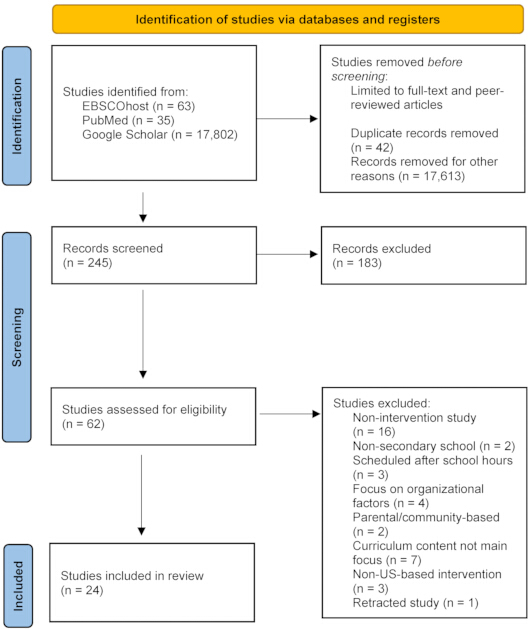
Figure 1: PRISMA flowchart illustrating the study selection process. Please click here to view a larger version of this figure.
Table 1: School-Based Substance Use Prevention Curricula for Secondary Students in the U.S. (n = 24). Please click here to download this Table.
Supplementary File 1: Complete search strategies and database-specific search strings used for the literature search in EBSCOHOST, PubMed, and Google Scholar (2000–2025) for identifying school-based substance use prevention curricula implemented in U.S. middle and high schools.Please click here to download this file.
Disclosures
Loading...
$$\rightleftharpoonup{xx}$$
$$\longleftharp{xx}$$,
$$\longrightharp{xx}$$,
The authors declare no conflict of interest.
Reprints and Permissions
Request permission to reuse the text or figures of this JoVE article
Request Permission