This study evaluates a four-step acupuncture method combined with motor imagery for post-stroke dysphagia. Results demonstrate significant improvements in swallowing safety and oral intake. The protocol provides a standardized, multi-target intervention for clinical rehabilitation.
Method Article
“Opening The Orifices And Alleviating Throat Obstruction” Four-step Acupuncture Method Combined with Motor Imagery Therapy for Post-Stroke Dysphagia
Opens in a new tab
In This Article
Summary
Loading...
$$\rightleftharpoonup{xx}$$
$$\longleftharp{xx}$$,
$$\longrightharp{xx}$$,
Abstract
Loading...
$$\rightleftharpoonup{xx}$$
$$\longleftharp{xx}$$,
$$\longrightharp{xx}$$,
Stroke is a disease with one of the highest disability rates, frequently associated with multiple functional impairments. Among these, dysphagia is a relatively common complication, with an incidence rate exceeding 30%. PSD not only causes malnutrition, dehydration, and aspiration pneumonia but also prolongs hospital stays and severely compromises patients' quality of life. Both the "Opening the Orifices and Alleviating Throat Obstruction" four-step acupuncture technique (a TCM therapy) and motor imagery (MI) therapy are effective for PSD. However, the efficacy of combining this specific acupuncture technique with MI remains unclear. This study aims to investigate the safety and effectiveness of integrating the "Opening the Orifices and Alleviating Throat Obstruction" four-step acupuncture technique with MI therapy for PSD rehabilitation. Patients were randomized into two groups: the control group received standard rehabilitation, while the treatment group received the combined acupuncture and MI therapy in addition to standard care. Outcomes were assessed using the Water Swallowing Test (WST), Functional Oral Intake Scale (FOIS), and Penetration-Aspiration Scale (PAS). The results demonstrated that after 28 days of treatment, the WST and PAS scores decreased in both groups relative to pre-treatment levels, while the FOIS scores increased. Furthermore, the WST and PAS scores in the treatment group were lower than those in the control group, and the FOIS score was higher, with statistically significant differences (P < 0.05). The treatment group scored higher than the control group in three dimensions of the Nurse-Patient Satisfaction Nursing Scale (NPSNS): medical professional level, clinical treatment effect, and overall satisfaction. These differences were statistically significant (P < 0.05). However, no statistically significant differences were observed in the scores for the two dimensions of hardware environment configuration and medical service experience between the two groups (P > 0.05). These results highlight the efficacy of the combined treatment approach in enhancing swallowing function and minimizing leakage and aspiration.
Introduction
Loading...
$$\rightleftharpoonup{xx}$$
$$\longleftharp{xx}$$,
$$\longrightharp{xx}$$,
Stroke is a leading cause of long-term disability, frequently manifesting as post-stroke dysphagia (PSD), which affects over 30% of survivor1. Dysphagia not only leads to serious consequences such as malnutrition, dehydration, and aspiration pneumonia for patients, but also significantly prolongs hospital stays, increases the healthcare burden, and severely compromises patients’ quality of life and psychological well-being2. Currently, the treatment methods for dysphagia after stroke mainly include neuromuscular electrical stimulation (NMES), swallowing function training, and various compensatory strategies3. However, these conventional modalities often yield suboptimal outcomes and protracted recovery periods because they focus predominantly on localized muscle contraction while failing to address the fundamental disruption of central neural control and the essential requirement for sensory-motor integration4. Clinical data suggest that without restoring the cortical-bulbar feedback loop, peripheral stimulation alone may not achieve sustained functional recovery in chronic cases5.
In recent years, motor imagery (MI) has demonstrated potential value in enhancing swallowing function by activating the brain's premotor and sensorimotor cortices; however, its precise mechanisms and therapeutic optimization require further investigation6,7. Complementing this "top-down" approach, acupuncture has increasingly been utilized due to its multi-target regulatory effects8,9. Evidence indicates that acupuncture not only regulates pharyngeal muscle tension but also promotes the expression of Brain-Derived Neurotrophic Factor (BDNF) and modulates cortical excitability, thereby facilitating the structural and functional reorganization of the swallowing network10,11. Specifically, the "Opening the Orifices and Alleviating Throat Obstruction" four-step acupuncture method improves swallowing function by stimulating specific acupoint combinations to "awaken the brain" and restore coordinated motor patterns12. Unlike conventional interventions, this synergistic protocol integrates "top-down" neural activation via MI13 with "bottom-up" multi-target modulation through acupuncture14. By concurrently facilitating neuroplasticity in the corticomedullary pathway and restoring pharyngeal coordination, this "central-peripheral-central" (CPC) closed-loop strategy offers a more potent regulatory mechanism15.
From a clinical perspective, the applicability of this integrated protocol warrants careful consideration. This approach may be particularly beneficial for subacute stroke patients who possess sufficient cognitive clarity to engage in MI but exhibit limited response to traditional physical therapy alone16. However, certain constraints must be acknowledged: the efficacy of the "top-down" component heavily relies on the patient’s cognitive status and mental concentration, potentially limiting its use in those with severe cognitive impairment or aphasia17. Furthermore, the implementation of specialized acupuncture requires clinical expertise to ensure precise acupoint localization and stimulation intensity18.
Consequently, this randomized controlled trial (RCT) evaluates the efficacy and safety of this integrated approach, aiming to establish clinical evidence for its application in PSD rehabilitation.
Protocol
Loading...
$$\rightleftharpoonup{xx}$$
$$\longleftharp{xx}$$,
$$\longrightharp{xx}$$,
This research protocol was performed in strict accordance with the ethical guidelines approved by the Ethics Committee of Zhejiang Provincial Tongde Hospital (Project Number: 2024-047 (K)). Obtain written informed consent from all patients or their legal representatives prior to participation, ensuring permission for the use and publication of anonymized data. Refer to the Table of Materials for detailed specifications of the materials and instruments used.
1. Study design
- Randomization: Generate a random allocation sequence using a computer-based random number generator. Seal assignments in sequentially numbered, opaque envelopes to maintain allocation concealment.
- Blinding: Assign a designated staff member, independent of treatment and assessment, to manage the sequence. Mask participants to their group assignment throughout the intervention to maintain a single-blind environment.
- Perform statistical analysis
- Report continuous data as mean ± standard deviation (x̄ ± s). Use independent-samples t-test to compare inter-group differences and paired-samples t-tests for intra-group comparisons. Perform a chi-square test (χ2) to analyze categorical data, including the incidence of aspiration cough and choking.
- Present count data as percentages (%). Use Fisher's exact test or continuity correction for inter-group comparisons of categorical variables where appropriate. Set the threshold for statistical significance at P < 0.05.
- Perform covariance analysis to adjust for baseline variables, including dysphagia severity, infarction location, and infarction range, while accounting for medication use and medical history.
- Conduct multiple regression analysis to evaluate the influence of confounding variables on score changes. Maintain a significance level of P < 0.05 for all statistical models.
2. Participant recruitment
NOTE: Recruit 60 patients with PSD from the outpatient or inpatient departments of the Rehabilitation Medicine Center, Neurology Department, and Neurosurgery Department at Zhejiang Provincial Tongde Hospital between January 2024 and March 2025. Randomly allocate 60 eligible patients to either the control group or the treatment group (n = 30 per group) using a computer-generated random number table.
- Using the following formula, perform a power analysis to ensure that the sample size is adequate.
N = ( )2
)2 
Define α as the significance level, β as the test power, and N as the number of patients needed in each group. NOTE: Perform a power analysis using α = 0.05 and 1-β = 0.80. Enroll 30 patients per group to ensure a minimum of 25 completed cases per group after accounting for a 20% dropout rate. - Include patients who meet all of the following parameters:
- Meet the diagnostic criteria for cerebral infarction as outlined in the "Guidelines for the Prevention and Treatment of Cerebrovascular Diseases (2024 Edition)"19.
- First-time stroke patients with lesions restricted to a single cerebral hemisphere.
- Duration of dysphagia between 1 and 6 months.
- Age range of 25–80 years, fully conscious, and possessing basic cognitive abilities.
- Pre-treatment swallowing function assessment indicating moderate-to-severe impairment [Water Swallowing Test (WST) grades 3-5].
- Stable vital signs, no open cranial injuries, and physically capable of undergoing systematic treatment.
- Exclude patients who present with any of the following:
- A history of recurrent cerebral infarction.
- Patients presenting with structural abnormalities of the oropharynx, dysphagia caused by other neurological diseases (e.g., Parkinson's disease), or comorbid systemic diseases.
- Patients with skull defects or an inability to adhere to standardized treatment protocols;
- Patients diagnosed with psychiatric or psychological disorders, or severe cognitive impairments.
- Patients exhibiting unilateral spatial neglect syndrome or other high-level cortical functional deficits.
- Patients with coagulation dysfunction or a tendency toward bleeding.
3. Rehabilitation treatment plan
- Conventional swallowing rehabilitation training
- Basic function activation: Performed through oral sensory activation training.
- Cold Stimulation: Apply an ice-water-soaked cotton swab (4–5 °C) to the palatine arch, the base of the tongue, and the posterior pharyngeal wall for 5 s per location, 3 rounds per session.
NOTE: Checkpoint - Observe for the initiation of a reflexive swallow or a localized muscle twitch in the pharyngeal wall to confirm sensory activation. - Vibration stimulation: Calibrate the electric toothbrush to 60 Hz. Select the 'low-intensity' mode on the device to ensure consistent stimulation and avoid mucosal injury.
- Taste trigger: Apply a lemon glycerin cotton swab (pH ≤ 3.5) to the anterior two-thirds of the tongue to induce voluntary swallowing actions for 3 repetitions per set. Control the total duration of this training within 5 min.
- Cold Stimulation: Apply an ice-water-soaked cotton swab (4–5 °C) to the palatine arch, the base of the tongue, and the posterior pharyngeal wall for 5 s per location, 3 rounds per session.
- Muscle group strengthening: Performed through chewing muscle group exercises.
- Resistance training: Place a silicone chew stick (hardness 50 Shore A) in the molar region and perform isometric contraction for 10 s per repetition, with 5 repetitions on each side.
- Dynamic training: Perform open-mouth and close-mouth movements (mandibular range of motion ≥3 cm), coordinated with a metronome (0.5 Hz) to control the speed, performed 10 times per set. Control the total duration of this training within 4 min.
- Swallowing pattern remodeling: Perform through Shaker therapy, Masako technique, and Mendelsohn strategy, following the steps below:
- Shaker therapy20: Instruct the patient to lie supine and lift the head to look at the toes. Ensure shoulders do not touch the ground. Maintain for 45 s, rest for 60 s, and repeat 3 times. Then perform head-lifting and lowering cycle movements (neck flexion 30°→ 0°), 15 times per set, with a 30 s rest between sets.
- Masako technique training21: During swallowing, secure the tongue slightly behind the tip between the teeth, or have the therapist manually pull a portion of the tongue forward to force the posterior pharyngeal wall to contract anteriorly. For patients with limited control, use a tongue depressor to assist in stabilizing the tongue position while they phonate the high-front vowel /i/ to facilitate laryngeal elevation. Use gauze to protrude and fix the anterior one-third of the tongue outside the mouth for 5 s per repetition.
NOTE: Checkpoint - Palpate the thyroid cartilage to confirm a distinct superior and anterior excursion during the swallow, which indicates effective pharyngeal constrictor engagement. Perform 8 repetitions per set. - Mendelsohn strategy training22: Instruct the patient to press the thyroid cartilage with the index finger during swallowing and actively maintain the elevated position for 3–5 s, performed 6 times per set. Control the total duration of this remodeling training within 11 min.
- Basic function activation: Performed through oral sensory activation training.
- Swallowing movement imagery training
- Preparations prior to imagery training
- Evaluate the patient's condition and determine their suitability for imagery training.
- Provide a detailed explanation of the principles of imagery training, as well as potential responses during the treatment process, and obtain informed consent from the patient.
- Initiation of imagery training
- Guide the patient to observe a standardized eating demonstration video that depicts utensil use, lip closure, bolus propulsion with laryngeal elevation, and oral cleansing.
- Play the video in a loop three times and guide participants to simulate each step.
NOTE: Checkpoint - Visually verify the synchronized movement of the participant's lips and larynx corresponding to the bolus propulsion shown in the video. - Following the three rounds of viewing and simulation exercises, instruct the participants to assume a supine position.
- Simultaneously play the original audio content from the teaching video.
- Instruct the participants to reconstruct the MI based on the verbal cues provided in the audio.
- Conduct three sessions of swallowing cognitive reenactment training following the audio prompts. Perform the overall swallowing movement imagery training once daily, 5 days per week, with a 4-week duration constituting one course of treatment.
- Preparations prior to imagery training
- Four-step acupuncture therapy for "Opening the Orifices and Alleviating Throat Obstruction"
NOTE: "Opening the Orifices and Alleviating Throat Obstruction" (Kaiqiao Liyan) is a traditional Chinese medical therapeutic principle. "Opening the orifices" refers to reviving the sensory organs and neurological functions, while "alleviating throat obstruction" refers specifically to removing blockages and restoring the mechanical functions of the throat to treat dysphagia23.- Preparations prior to acupuncture treatment
- Evaluate the patient's condition and determine their suitability for acupuncture therapy.
- Provide a detailed explanation of the principles of acupuncture treatment, as well as potential reactions during the procedure. Advise patients to immediately report any discomfort to the acupuncturist. Obtain informed consent from the patient.
- Steps of acupuncture treatment
- Patient positioning
- Instruct the patient to sit or lie down in a comfortable position.
- Expose the treatment area and ensure you clean and disinfect it prior to needle insertion.
- Horizontal needling of the vertex and temporal regions
- Use 0.30 mm × 40 mm needles. Perform horizontal needling at the anterior temporal line (Zone 1), the temporal line (Zone 2), and the surface projection of the medulla oblongata (Zone 3).
- Insert the needle 25–35 mm deep and apply a rapid twisting technique at a rate exceeding 200 rotations/min.
- Stimulate each zone for 2 min. Retain the needles for 30 min, performing additional stimulation every 10 min.
- Posterior pharyngeal wall puncturing
- Use 3–4 cotton swabs to press the posterior one-third of the tongue to fully expose the pharyngeal mucosa.
- Use 0.35 mm × 50 mm needles to perform a "spot-pricking" technique (fast insertion and immediate withdrawal) on the posterior pharyngeal wall 3–5 times. Aim for a stimulation intensity that causes a mild gag reflex or trace bleeding (1–2 drops).
- Bloodletting at the "Jinjin and Yuye Points"
NOTE: "Jinjin and Yuye" are extra-meridian acupuncture points located inside the mouth on the sublingual veins. Pricking these points to induce slight bleeding is a classical technique to clear heat, promote saliva generation, and restore motor function to the tongue in post-stroke patients23.- Instruct the patient to curl the tongue upward.
- Press the tongue with a cotton swab.
- Use 0.35 mm × 50 mm needles to quickly puncture the two vessels under the tongue. Remove the needle immediately after the procedure.
- Perform deep needling at the "Three Pharyngeal Points"
NOTE: The "Three Pharyngeal Points" (Yan San Zhen) is a renowned modern acupuncture point combination specifically developed for treating bulbar palsy and swallowing disorders. It typically consists of Shang Lianquan as the main point and two additional points located bilaterally to it, targeting the suprahyoid muscles12.- Identify the Shang Lianquan point (1 cun above the thyroid cartilage, in the depression on the midline of the neck). Use a 0.30 mm × 75 mm long needle and perform direct insertion toward the base of the tongue to a depth of 50–65 mm.
NOTE: "Shang Lianquan" is an extra-meridian acupuncture point primarily used to treat aphonia, salivation, and dysphagia by targeting the underlying muscle groups controlled by the hypoglossal nucleus10. - For the bilateral lateral points (0.8 cun lateral to Shang Lianquan), angle the needle 45° toward the midline and insert to a depth of 50 mm. Apply a lifting and thrusting manipulation.
NOTE: Checkpoint - Verbally confirm that the patient experiences a localized soreness or 'De-qi' sensation radiating toward the throat; observe for a slight elevation of the tongue base during needle manipulation to ensure the target muscle layer is reached. Retain the needle for 30 min and stimulate the needle twice during this period. "De-qi", commonly translated as "arrival of Qi," refers to the specific somatic sensations (such as localized soreness, numbness, heaviness, or distention) experienced by the patient, indicating the effective engagement of the needle with the targeted physiological and neurological pathways18.
- Identify the Shang Lianquan point (1 cun above the thyroid cartilage, in the depression on the midline of the neck). Use a 0.30 mm × 75 mm long needle and perform direct insertion toward the base of the tongue to a depth of 50–65 mm.
- Conclusion of treatment
- Upon completion of the treatment, safely dispose of the acupuncture needles in a designated sharps container and manage medical waste in accordance with established protocols.
- Cleanse the patient's skin and document the treatment details, including duration, patient feedback, and any relevant observations.
- Treatment management plan
- Administer the entire "Opening the Orifices and Alleviating Throat Obstruction" four-step acupuncture therapy once daily, five times per week, for 4 weeks to complete one course of treatment.
- Patient positioning
- Preparations prior to acupuncture treatment
- Precautions during treatment
- Maintain active communication with the patient throughout the treatment process. Promptly address the patient's needs and emotional concerns.
- Prior to treatment, inform the patient about potential side effects, such as redness or minor bleeding at the acupuncture site, and provide guidance on appropriate management strategies.
- Following acupuncture treatment, ensure that the treated area remains dry for at least 4 h to minimize the risk of contamination.
4. Outcome assessment
NOTE: Schedule evaluations on Day 1, Day 14, and Day 28. Ensure the same blinded physician performs all clinical assessments.
- Perform swallowing function tests, including the WST, on both groups before and after treatment to assess the patient's ability to control water flow during swallowing.
- Evaluate Functional Oral Intake Scale (FOIS) scores for both groups before and after treatment to determine oral feeding capabilities.
- Assess Penetration-Aspiration Scale (PAS) scores for both groups before and after treatment. Base this evaluation on the results of videofluoroscopic swallowing studies and grade accordingly.
Results
Loading...
$$\rightleftharpoonup{xx}$$
$$\longleftharp{xx}$$,
$$\longrightharp{xx}$$,
A total of 60 patients were recruited for this study and randomly divided into two groups, with 30 patients in each group (Figure 1). The control group received conventional rehabilitation treatment and consisted of 20 males and 10 females, with a mean age of 52.69 ± 10.34 years and a disease duration of 3.52 ± 0.63 months. The treatment group underwent a combined therapy of the "Opening the Orifices and Alleviating Throat Obstruction" four-step acupuncture method and MI training, comprising 18 males and 12 females, with a mean age of 53.57 ± 11.28 years and a disease duration of 3.48 ± 0.71 months. No significant differences were observed between the two groups in terms of gender distribution, age, or disease duration (P > 0.05). Regarding safety, no serious adverse events occurred during the study.
Comparison of the WST grades before and after treatment between the two groups of patients
The results indicated significant changes in the WST scores for patients in both the control and treatment groups before and after treatment (Table 1). In the control group, the mean WST score improved significantly from 4.02 ± 0.23 pre-treatment to 3.41 ± 0.15 post-treatment (P < 0.001, t = 16.877). Similarly, the treatment group showed a significant improvement from 4.06 ± 0.19 pre-treatment to 3.24 ± 0.29 post-treatment (P < 0.001, t = 12.207). Notably, after treatment, the improvement in WST scores was more pronounced in the treatment group compared to the control group, with a significant intergroup difference observed (t = 2.349, P = 0.022). These findings suggest that the combined use of the "Opening the Orifices and Alleviating Throat Obstruction" four-step acupuncture technique and MI therapy yields superior outcomes in improving WST grades (reducing scores) among patients.
Comparison of the FOIS grades before and after treatment between the two groups of patients
The results revealed the changes in FOIS scores among patients in both the control and treatment groups before and after treatment (Table 2). The mean FOIS score of the control group improved significantly from 2.69 ± 0.42 pre-treatment to 3.69 ± 0.31 post-treatment (P < 0.001, t = 9.515). Similarly, the treatment group exhibited a significant improvement in FOIS scores from 2.74 ± 0.45 pre-treatment to 3.94 ± 0.56 post-treatment (P < 0.001, t = 8.555). Notably, after treatment, the enhancement in oral feeding ability was more pronounced in the treatment group compared to the control group, with a significant intergroup difference observed (t = 2.139, P = 0.037). These findings suggest that the combined use of the "Opening the Orifices and Alleviating Throat Obstruction" four-step acupuncture technique and MI therapy yields superior outcomes in improving oral feeding ability.
Comparison of the PAS grades before and after treatment in the two groups of patients
The results revealed the changes in PAS scores among patients in both the control and treatment groups before and after treatment (Table 3). PAS scores were assessed using videofluoroscopic swallowing studies. The mean PAS score of the control group significantly improved from 6.72 ± 0.24 pre-treatment to 4.38 ± 0.85 post-treatment (P < 0.001, t = 16.226). Similarly, the treatment group exhibited a significant improvement in PAS scores, decreasing from 6.67 ± 0.35 pre-treatment to 3.90 ± 0.71 post-treatment (P < 0.001, t = 23.502). Notably, after treatment, the improvement in PAS scores was more pronounced in the treatment group compared to the control group, with a significant intergroup difference observed (t = 2.374, P = 0.021). These findings suggest that the combined use of the "Opening the Orifices and Alleviating Throat Obstruction" four-step acupuncture technique and MI therapy yields superior outcomes in reducing PAS scores among patients.
Analysis of baseline characteristics
To further validate the treatment efficacy, we performed multiple linear regression analysis, considering factors such as gender, age, duration of dysphagia, infarction location (middle cerebral artery/brainstem / basal ganglia and thalamus), and infarction extent (lacunar / regional / watershed / large area infarction) for both groups of patients (Table 4). The results indicated that there were no statistically significant differences in these baseline data between the two groups (P > 0.05). This confirms that the baseline characteristics were balanced and did not influence the statistical evaluation of the treatment outcomes.
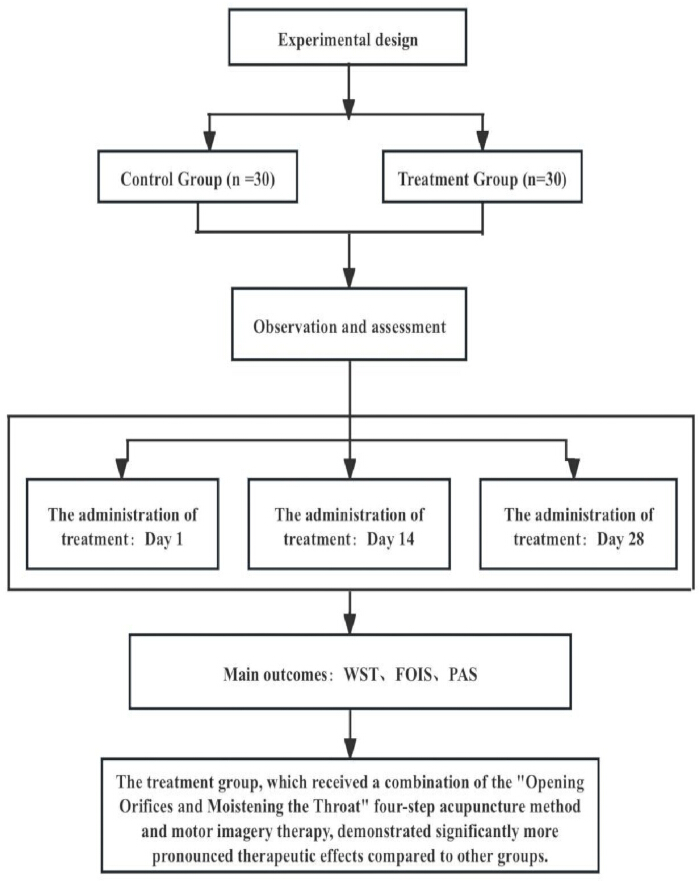
Figure 1: Schematic diagram of the protocol. The schematic diagram gives the sample size, grouping, evaluation time, and outcome indicators of the research subjects. Please click here to view a larger version of this figure.
| Group | Number of cases | Before treatment | After treatment | t | P |
| Control group | 30 | 4.02±0.23 | 3.41±0.15 | 16.877 | <0.001 |
| Treatment group | 30 | 4.06±0.19 | 3.24±0.29 | 12.207 | <0.001 |
| t | 0.734 | 2.349 | |||
| P | 0.466 | 0.022 |
Table 1: Comparison of the WST grades before and after treatment between the two groups of patients (x̄ ± s, grade).
| Group | Number of cases | Before treatment | After treatment | t | P |
| Control group | 30 | 2.69±0.42 | 3.69±0.31 | 9.515 | <0.001 |
| Treatment group | 30 | 2.74±0.45 | 3.94±0.56 | 8.555 | <0.001 |
| t | 0.445 | 2.139 | |||
| P | 0.658 | 0.037 |
Table 2: Comparison of the Functional Oral Intake Scale (FOIS) grades before and after treatment between the two groups of patients (x ± s, grade).
| Group | Number of cases | Before treatment | After treatment | t | P |
| Control group | 30 | 6.72±0.24 | 4.38±0.85 | 16.226 | <0.001 |
| Treatment group | 30 | 6.67±0.35 | 3.90±0.71 | 23.502 | <0.001 |
| t | 0.645 | 2.374 | |||
| P | 0.521 | 0.021 |
Table 3: Comparison of the Penetration-Aspiration (PAS) grades before and after treatment in the two groups of patients (x ± s, grade).
| Group | Number of cases | Gender (Male/Female) | Age (x ± s, years) | The course of dysphagia (x ± s, months) | Infarction site (middle cerebral artery / brainstem / basal ganglia and thalamus) | Infarction range (lacunar / regional / watershed / large area infarction) |
| Control group | 30 | 10/20/2025 | 52.69±10.34 | 3.52±0.63 | 5/7/2018 | 6/14/8/2 |
| Treatment group | 30 | 12/18/2025 | 53.57±11.28 | 3.48±0.71 | 6/4/2020 | 4/11/13/2 |
| χ²/t | 0.287 | 0.315 | 0.231 | 1.014 | 1.951 | |
| P | 0.592 | 0.754 | 0.818 | 0.602 | 0.583 |
Table 4: An analysis of baseline data factors was performed for the two patient groups.
Discussion
Loading...
$$\rightleftharpoonup{xx}$$
$$\longleftharp{xx}$$,
$$\longrightharp{xx}$$,
Post-stroke dysphagia (PSD) involves damage to both central and peripheral neural pathways24. Lesions in the cortical swallowing center and descending tracts cause motor incoordination of pharyngeal muscles, leading to delayed swallowing initiation and aspiration risks25. Clinically, this manifests as food retention in the throat, an increased risk of choking, and a higher likelihood of aspiration3. Anatomical studies further reveal that restricted tongue movement and abnormal soft palate function are critical factors contributing to impaired bolus propulsion26,27 . Compared to single-modality NMES, this integrated protocol more comprehensively engages the swallowing reflex arc; while NMES facilitates standardization, this multi-target approach offers superior precision in triggering reflexive swallowing3,7. In this study, the treatment group received the "Opening the Orifices and Alleviating Throat Obstruction" four-step acupuncture therapy in addition to standard rehabilitation training, which effectively improved swallowing dysfunction and enhanced patient satisfaction with treatment.
In Traditional Chinese Medicine, PSD corresponds to "Laryngitis" and "Esophageal Obstruction"5. It is traditionally attributed to wind, fire, phlegm, and stasis disrupting the clear orifices, leading to brain orifice deficiency and spirit mechanism dysfunction28. The "Opening the Orifices and Alleviating Throat Obstruction" protocol integrates meridian theory with contemporary neuroanatomy to "address both the root and symptoms"8,9. By combining central regulation with peripheral stimulation, this method significantly enhances swallowing function8. Clinical success relies on two procedural pivots: the synergy between MI and high-frequency vertex-temporal manipulation, and standardized posterior pharyngeal spot-pricking, ensuring high usability and reproducibility8.
Specifically, this combined therapy operates via a "central-peripheral-central" closed-loop strategy, leveraging the synergistic effects of dual modulation6,8. MI acts as a "top-down" cortical activator, engaging the mirror neuron system to simulate swallowing intent without muscle contraction7. Concurrently, acupuncture provides robust "bottom-up" sensory input to the central nervous system24. Synchronizing internal mental simulation with external physical stimulation facilitates associative learning and neuroplasticity8,29. Consequently, this temporal coupling strengthens synaptic connectivity and corticobulbar tract reconstruction more effectively than single-modality interventions9,23.
The post-intervention WST grades in the treatment group were significantly lower than those in the control, indicating enhanced swallowing efficiency and safety9. This efficacy is rooted in the protocol's modulation of pharyngeal motor control via targeted stimulation of the vertex-temporal anterior oblique line (2/5), temporal line, and medullary projection areas11, which correspond to cortical motor and medullary swallowing centers7. High-frequency twisting manipulation combined with flat insertion promotes neuroplasticity within the corticomedullary pathway, restoring central regulation of pharyngeal musculature12. Concurrently, posterior pharyngeal wall puncture mechanically activates pharyngeal proprioceptors, transmitting afferent signals via the vagus nerve to the nucleus tractus solitarius8. This triggers the medullary swallowing reflex arc, optimizing muscle coordination and the spatiotemporal rhythm of the swallowing reflex, thereby mitigating functional impairment29.
Comparison of FOIS and PAS grades revealed superior outcomes in the treatment group, reflecting enhanced dietary adaptability and reduced airway invasion risks3. These improvements validate the efficacy of the "Opening the Orifices and Alleviating Throat Obstruction" protocol, which likely activates the medullary swallowing center's reflex arc and modulates the vagus nerve via pharyngeal wall stimulation8. Additionally, sublingual bloodletting optimizes tongue muscle metabolism and bolus propulsion, facilitating the transition to diverse food textures30.
The "Opening the Orifices and Alleviating Throat Obstruction" method, incorporating deep needling at the "three throat points" and bloodletting at Jinjin and Yuye, stimulates pharyngeal nerve endings and microcirculation, enhancing lingual coordination and muscle strength31. This reduces the probability of bolus retention at the glottis or trachea and lowers the risk of aspiration25. Specifically, the "three throat points" (Shanglianquan and its bilateral adjuncts) are situated between the hyoid and mandible, aligning with the hypoglossal nerve and lingual vasculature31. Clinical observations indicate23 that the long-needle penetration technique reaches deep tissues at the base of the tongue, directly stimulating pharyngeal motor nerve endings and effectively improving tongue muscle tension and coordination. Furthermore, the treatment group achieved significantly higher scores across all Nurse-Patient Satisfaction Nursing Scale (NPSNS) dimensions: professional competence, clinical efficacy, and overall satisfaction. These results underscore that the protocol enhances therapeutic outcomes in PSD while bolstering patient confidence in healthcare quality.
The "Opening the Orifices and Alleviating Throat Obstruction" protocol effectively ameliorates PSD via synergistic central and peripheral neuromodulation, yielding high clinical efficacy and patient satisfaction. To ensure safety and compliance during clinical implementation, the protocol should be adjusted based on patient response: utilizing 0.25 mm needles or fewer stimulation points for severe gag reflexes, and managing sublingual hemorrhage at Jinjin/Yuye points with 2-min sterile compression. For cognitively impaired participants, extending video observation to five rounds can facilitate passive priming and MI engagement.
While offering valuable insights, this study is limited by a small, homogeneous sample and the inherent challenges in blinding and monitoring internal MI. Future research should extend this method to neurogenic dysphagia in Parkinson’s or traumatic brain injury. Furthermore, integrating real-time ultrasound and brain-computer interfaces could evolve this manual technique into a technology-assisted precision therapy, optimizing the synergy between mental imagery and acupuncture.
Disclosures
Loading...
$$\rightleftharpoonup{xx}$$
$$\longleftharp{xx}$$,
$$\longrightharp{xx}$$,
The authors declare no conflicts of interest.
Acknowledgements
Loading...
$$\rightleftharpoonup{xx}$$
$$\longleftharp{xx}$$,
$$\longrightharp{xx}$$,
The authors acknowledge support from project funding under grant numbers 2024ZL332 and 2023ZL308.
Materials
| Name | Company | Catalog Number | Comments |
|---|---|---|---|
| Acupuncture Needles | HUATUO | 0.35 × 50 mm | Used for posterior pharyngeal wall pricking and sublingual bloodletting +1 |
| Acupuncture Needles | HUATUO | 0.30 × 40 mm | Used for horizontal needling of vertex/temporal regions |
| Acupuncture Needles (Long) | HUATUO | 0.30 × 75 mm | Used for deep needling at "Three Pharyngeal Points" |
| Computer | H3C | H3C X5-020s | Used for playing standardized eating demonstration videos for Motor Imagery |
| Electric toothbrush | BAIR | CCSY-62 | Vibration stimulation (60 Hz) in the oral cavity |
| IBM SPSS Statistics Software | IBM Corp., USA | Version 26.0 | Used for data analysis and statistics |
| Lemon Glycerin Swabs | General Medical Supplier | 10113507084228 | pH ≤ 3.5; Used for taste trigger stimulation |
| Metronome | Metronome | Metronome | Used to coordinate speed (0.5 Hz) during dynamic training |
| Opaque Envelopes | Deli | DL35612 | Used for allocation concealment (Randomization) |
| Silicone Chew Stick | General Medical Supplier | 10196923335746 | Hardness 50 Shore A; Used for resistance training |
| Tongue Depressor | HAYNAUT | 150mm*18mm | Used to stabilize tongue during Masako technique |
| Videofluoroscopy Equipment | longest | LGT-5500 | Used for VFSS and PAS score evaluation |
Reprints and Permissions
Request permission to reuse the text or figures of this JoVE article
Request Permission