Auricular acupressure combined with sodium hyaluronate significantly improved blink rate, tear film stability, and ocular symptoms in children with abnormal blink reflex, suggesting a safe and effective complementary therapeutic approach.
Method Article
A Randomized Controlled Trial of Auricular Acupressure Combined with Sodium Hyaluronate for Abnormal Blink Reflex in Children
1Department of Ophthalmology, The Affiliated Hospital of Changchun University of Chinese Medicine, 2Department of Imaging, The Affiliated Hospital of Changchun University of Chinese Medicine, 3Department of Ophthalmology and Otorhinolaryngology, Jilin Maternal and Child Health Hospital, 4School of Integrated Chinese and Western Medicine, Changchun University of Chinese Medicine, 5School of Traditional Chinese Medicine, Changchun University of Chinese Medicine, 6Innovation and Practice Center, Changchun University of Chinese Medicine
Opens in a new tab
In This Article
Summary
Loading...
$$\rightleftharpoonup{xx}$$
$$\longleftharp{xx}$$,
$$\longrightharp{xx}$$,
Abstract
Loading...
$$\rightleftharpoonup{xx}$$
$$\longleftharp{xx}$$,
$$\longrightharp{xx}$$,
Abnormal blink reflex in children is a common ocular symptom with complex causes, including ocular surface diseases like dry eye and inflammation, as well as neuromuscular dysfunction. Current treatments show limited efficacy, highlighting the need for improved therapeutic options. This study evaluates the clinical efficacy and safety of auricular acupressure combined with sodium hyaluronate eye drops. A randomized controlled design included 97 children aged 3–10 years with abnormal blink reflex. Participants were randomly assigned to three groups: the control group (Group A, n = 32), treated with sodium hyaluronate eye drops; the experimental group (Group B, n = 33), receiving eye drops combined with auricular acupressure using Vaccaria seed patches; and the sham stimulation group (Group C, n = 32), receiving ear patches without Vaccaria seed. The treatment lasted for three cycles. The primary outcome was the blink rate, and secondary outcomes included tear film break-up time (FBUT), corneal fluorescein staining (FL) score, Visual Analog Scale (VAS) scores for ocular dryness and photophobia, clinical efficacy, and adverse events. Compared with Groups A and C, Group B showed a significant reduction in blink rate (P<0.05), a significant increase in FBUT (P<0.05), a notable decrease in FL score (P<0.05), and a significant reduction in VAS scores for ocular dryness and photophobia (P<0.05). No statistical differences in clinical symptoms and signs were observed between Groups A and C (P>0.05). The total effective rate was 78.13% for Group A, 93.94% for Group B, and 84.38% for Group C, with Group B showing significantly higher efficacy. No serious adverse events were observed in any group. Auricular acupressure with Vaccaria seed improves the clinical symptoms of abnormal blink reflex in children, enhances tear film stability, and provides corneal protection. It is a safe and effective new intervention for the treatment of abnormal blink reflex in children.
Introduction
Loading...
$$\rightleftharpoonup{xx}$$
$$\longleftharp{xx}$$,
$$\longrightharp{xx}$$,
Blinking is a normal motor activity of the eyes that may occur spontaneously, voluntarily, or as a reflex. Typically, the blink rate is about 10 to 15 times per min1. Blinking helps spread tears across the surface of the eyeball and aids in the secretion of glands in the eyelids, prolonging the duration of tear film on the ocular surface. The blink rate and blink interval are influenced by the characteristics of the ocular surface2. Abnormal blinking is generally defined as blinking frequency and/or force beyond the normal physiological range. Abnormal blinking in children is a common symptom in ophthalmology3. Its main causes include eyelid disorders, habitual eye muscle twitching, uncorrected refractive errors, intermittent strabismus, and neurogenic blepharospasm, and other neurological conditions such as trigeminal neuralgia and facial nerve paralysis3,4,5,6,7,8. A previous study shows that 6% of patients under the age of 16 have vision-threatening diseases, which are often easily detected during standard clinical examinations9. Therefore, a comprehensive evaluation of the causes of abnormal blinking in children and early intervention is crucial for preventing visual impairment and improving quality of life.
In clinical practice, for children with excessive blinking, the primary task is to differentiate between benign, reversible factors (such as dry eye, ocular surface inflammation, or environmental irritants) and neuropsychiatric causes (such as tic disorders). In most cases of excessive blinking in children, medication is not required. The first step is to identify triggers (such as fatigue, stress, allergies, and ocular surface irritation) and provide symptomatic treatment10. Warm compresses (WC) have been shown to decrease partial blink frequency (PBF) and partial blink rate (PBR) (p = 0.002 in both cases)11. Although the efficacy of WC has been confirmed in various studies, poor compliance due to the required time and temperature cannot be overlooked12. 0.1%–0.4% hyaluronic acid artificial tears can significantly improve signs and symptoms of dry eye and are suitable for children with excessive blinking associated with dry eye and ocular surface irritation13. For blinking related to tic disorders, comprehensive behavioral interventions (CBIT, based on Habit Reversal Training, HRT) have a reliable evidence base; several randomized controlled trials and comparative studies have shown that CBIT significantly reduces tic severity and improves daily functioning, with a low risk of adverse effects. The CDC has also listed CBIT as an effective behavioral treatment option14. Although existing interventions can improve symptoms of excessive blinking in children to some extent, issues such as poor compliance, varying efficacy, and lack of individualized treatment strategies remain. Therefore, further exploration of the mechanisms and evidence-based treatments for excessive blinking is important for optimizing clinical management and improving long-term outcomes for children.
In recent years, traditional Chinese medicine therapies have shown promising efficacy in treating abnormal blinking in children. For example, Muzha Formula has been used to treat frequent bilateral blinking for three weeks, with no recurrence observed after one year15. A study by Dong Wu et al.16 demonstrated that laser acupuncture can improve the blink reflex. Acupuncture treatment in two children with frequent blinking resulted in complete resolution of symptoms, with no recurrence after one year of follow-up17. Auricular acupressure using Vaccaria segetalis seeds is an emerging traditional Chinese medicine therapy18. Auricular acupressure using Vaccaria segetalis seeds is a traditional Chinese medicine-based, noninvasive therapy. Vaccaria seeds are natural botanical seeds attached to specific auricular acupoints with adhesive tape to provide prolonged mechanical stimulation. Auricular therapy involves stimulating specific points on the external ear and, according to traditional Chinese medicine theory, is believed to regulate qi and meridian function. In the 1950s, Paul Nogier proposed the “inverted fetus map” theory, which contributed to the foundation of modern auricular therapy19. Vaccaria seeds are applied to auricular points to provide continuous, non-invasive stimulation, potentially improving ocular function and alleviating blinking. Based on these findings, this study aims to evaluate the clinical efficacy and safety of auricular acupressure combined with sodium hyaluronate eye drops for treating abnormal blinking in children with dry eye. This study seeks to provide a more optimized and effective treatment option for clinical management of this condition.
Protocol
Loading...
$$\rightleftharpoonup{xx}$$
$$\longleftharp{xx}$$,
$$\longrightharp{xx}$$,
This study was registered as a randomized controlled clinical trial on the International Traditional Medicine Clinical Trial Registration Platform (No: ITMCTR2025001972). The study was conducted at the Ophthalmology Outpatient Department of the Affiliated Hospital of Changchun University of Traditional Chinese Medicine, in accordance with the ethical principles outlined in the Declaration of Helsinki and Good Clinical Practice (GCP). Ethical approval was obtained from the hospital's Medical Ethics Committee (No: CCZYFYLLSQ2025039). Written informed consent was obtained from the parents of all participants prior to participation in the study.
Patient Recruitment
This randomized controlled trial was designed to assess the therapeutic effect of auricular acupressure using Vaccaria seeds in children with abnormal blinking classified as the Spleen Deficiency and Liver Excess type. Participants were recruited from the ophthalmology outpatient clinic at the Affiliated Hospital of Changchun University of Traditional Chinese Medicine from April to December 2025 through hospital publicity and electronic posters. Figure 1 shows the experimental setup and participant recruitment process. The inclusion criteria were: (1) subjective symptoms of blinking with a blink frequency >15 times/min; (2) no associated facial muscle spasms or other systemic diseases; (3) relatively independent clinical symptoms, with no neurological diseases; (4) primary cause identified as dry eye; (5) consent to participate in the study and sign an informed consent form.
The exclusion criteria included: (1) alternating blinking or other symptoms related to movement disorders; (2) severe heart, liver, kidney, or ocular organic diseases; (3) severe psychiatric disorders or communication barriers; (4) allergies to any components of the study intervention; (5) recent history of other interventions or surgeries.
Baseline Examination
Sample Size Calculation
Sample size calculation software was used to estimate the required sample size based on the expected difference in blink rate before and after treatment, with the significance level (α) set at 0.05 and the statistical power (1−β) set at 0.80. The calculated sample size was 30 participants per group. Considering a 20% dropout rate, the final sample size was set at 36 participants per group, resulting in a total sample size of 108 participants across the three groups20.
Randomization and Allocation Concealment
Participants were randomly assigned to Group A, Group B, or Group C in a 1:1:1 ratio using block randomization with a block size of 6. The randomization sequence was generated using statistical software (version 4.0.3) with the “blockrand” package. To ensure allocation concealment, the intervention materials, including the Vaccaria seed auricular acupressure patches and control ear patches, were prepared and coded by an independent researcher who was not involved in participant recruitment, treatment administration, or outcome assessment. Each intervention package was labeled with a unique code corresponding to the randomization sequence, sealed, and distributed sequentially according to participant enrollment order.
Blinding
Participants, their parents or caregivers, treatment providers, and outcome assessors were blinded to group allocation throughout the trial. Subjective outcomes, particularly the visual analog scale (VAS) scores for ocular dryness and photophobia, were assessed by blinded evaluators. When caregiver assistance was required, caregivers were instructed to report symptoms without knowledge of the treatment assignment to minimize potential assessment bias. The blinding process was maintained throughout the study to ensure unbiased evaluation while preserving the comfort and cooperation of the children.
Intervention Procedure
Participants were randomly assigned to one of three groups: Group A received sodium hyaluronate eye drops; Group B received sodium hyaluronate eye drops combined with Vaccaria segetalis seed auricular acupressure patches; and Group C received sodium hyaluronate eye drops combined with sham ear patches.
All participants received treatment for 3 cycles, each lasting 5 days, for a total intervention period of 15 days. Sodium hyaluronate eye drops were administered as 1 drop, 3 times daily. Participants and caregivers were instructed to ensure hand hygiene before administration. During the intervention, participants were monitored for skin irritation, allergic reactions, or discomfort at the auricular patch site. The intervention was discontinued if any adverse reaction occurred.
For participants in Group B, the auricle was disinfected with medical alcohol before patch application. Auricular acupressure patches containing Vaccaria seeds were applied to the following auricular acupoints: eye, brainstem, liver yang, subcortical, liver, spleen, endocrine, and sympathetic. The acupoint locations were identified according to the standardized auricular acupoint atlas used in traditional Chinese medicine. Each patch was firmly attached to the selected acupoint, and gentle pressure was applied with the thumb and index finger until the participant reported a sensation of soreness or distension. Each acupoint was pressed for approximately 1 minute, with a total stimulation time of about 8 minutes per session.
Each 5-day cycle consisted of 4 days of patch application followed by a 1-day rest period. During the 4-day application period, the patches were replaced every other day. To ensure consistency, all auricular acupressure procedures were performed by the same trained practitioner using a standardized protocol.
Follow-up Evaluation
Outcome assessments were performed at baseline, at the end of each treatment cycle, and after completion of the final treatment cycle.
4.1 Primary Outcome Measures
Blink Rate
Conduct assessments in a quiet, undisturbed environment. Observe the child's blink rate during natural conversation with the examiner. Blink rate was manually counted by the examiner during natural conversation with the child in a quiet and undisturbed environment. Each observation lasted 1 min, and the blink rate was recorded three consecutive times. The average value of the three recordings was calculated and used for analysis. Categorize the blink rate into four levels of efficacy. Cure was defined as a blink rate ≤15 blinks/min after treatment. For participants whose blink rate remained >15 blinks/min, treatment efficacy was evaluated based on the percentage reduction from baseline: marked improvement (51%–75% decrease), effective (25%–50% decrease), and ineffective (no significant improvement). The total effective rate was calculated as (Cure + Marked Improvement + Effective cases) / Total cases x 100%.
Secondary Outcome Measures
Fluorescein Staining Tear Film Break-Up Time (FBUT)
Moisten fluorescein sodium test strips with 0.9% saline and apply them to the inferior conjunctival sac of the child’s lower eyelid under sterile conditions. Observe the first black spot that appears on the cornea during the last blink under cobalt blue light. Repeat this process three times and calculate the average time. Ensure the FBUT value is normal (10–45 s)21. Record a tear film break-up time of <10 s as indicating instability.
Corneal Fluorescein Sodium Staining Score (FL)
Observe the corneal epithelial staining under cobalt blue light. Score the staining degree (0 for negative, 1 for punctate, 2 for localized patchy, and 3 for confluent block). Evaluate in four quadrants (superior nasal, inferior nasal, superior temporal, and inferior temporal). Sum the scores from each quadrant to get the total score (ranging from 0 to 12)22.
VAS Scores for Ocular Dryness and Photophobia
Visual Analog Scale (VAS) scores were used to evaluate ocular dryness and photophobia. A 10-cm horizontal line was presented to the participant, with the left end labeled “no symptoms” (score = 0) and the right end labeled “worst imaginable symptoms” (score = 10). The child, with assistance from a caregiver when necessary, was asked to mark a point on the line that best represented the severity of their symptoms at the time of assessment. The distance from the left endpoint to the marked point was measured and recorded as the VAS score. For younger children who had difficulty completing the scale independently, the caregiver assisted in reporting the symptoms under the guidance of the investigator. The VAS method is widely used for assessing subjective symptoms such as ocular discomfort and has demonstrated good reliability and validity in clinical research23.
Safety Indicators
Monitor safety throughout the trial. Record any signs of drug allergies or discomfort before and after treatment. Assess adverse events during treatment and follow-up, such as rash, local irritation, or other symptoms. Calculate the incidence of adverse events as (number of adverse events / total cases) x 100%. Monitor serious adverse events (loss of function, disability, or life-threatening conditions) and calculate the incidence as (number of serious adverse events / total cases) × 100%.
Data Analysis
Organize and analyze data using statistical analysis software. For normally distributed data, use mean ± standard deviation (X ± s). For non-normal data, use the median and interquartile range [M (P25, P75)]. Perform inter-group comparisons using one-way analysis of variance (ANOVA). Express data as frequency or percentage. Use the chi-square test for inter-group comparisons. Set p-value < 0.05 as statistically significant. Create statistical graphs using GraphPad Prism 10 software.
DATA AVAILABILITY:
The datasets used and analyzed during the current study are available at https://doi.org/10.6084/m9.figshare.31866238
Results
Loading...
$$\rightleftharpoonup{xx}$$
$$\longleftharp{xx}$$,
$$\longrightharp{xx}$$,
Baseline Characteristics
A total of 108 children with abnormal blinking were enrolled. Four participants discontinued due to failure to complete consecutive treatments, three did not follow the prescribed auricular acupressure regimen, three voluntarily withdrew, and one was terminated due to concomitant allergic conjunctivitis. As a result, 97 participants completed the study (Group A: n = 32; Group B: n = 33; Group C: n = 32).
As shown in Table 1, sex distribution was comparable across the groups: Group A consisted of 14 females (43.75%) and 18 males (56.25%); Group B had 13 females (39.39%) and 20 males (60.61%); and Group C included 15 females (46.88%) and 17 males (53.12%). The mean ± SD age was 6.09 ± 1.89 years for Group A [95% CI, 5.41–6.77], 6.24 ± 2.09 years for Group B [95% CI, 5.50–6.98], and 6.34 ± 1.59 years for Group C [95% CI, 5.77–6.91]. Disease duration was 19.59 ± 11.73 days for Group A [95% CI, 15.36–23.82], 17.78 ± 11.34 days for Group B [95% CI, 13.76–21.80], and 19.34 ± 11.17 days for Group C [95% CI, 15.31–23.37].
As shown in Table 2, baseline blink frequency was similar across the groups: Group A had 34.72 ± 6.53 blinks/min [95% CI, 32.37–37.07], Group B had 34.29 ± 7.53 blinks/min [95% CI, 31.62–36.96], and Group C had 33.61 ± 7.69 blinks/min [95% CI, 30.84–36.38]. The median (IQR) FBUT was 5.50 s (3.00–7.00 s) in Group A, 6.00 s (4.00–8.00 s) in Group B, and 6.00 s (4.00–7.00 s) in Group C. The median (IQR) FL scores were 2.00 (1.00–2.00) for Group A, 2.00 (1.00–2.00) for Group B, and 2.00 (1.00–3.00) for Group C. The median (IQR) VAS scores for ocular dryness and photophobia were 6.00 (6.00–7.00) for Group A, 6.00 (5.00–7.00) for Group B, and 6.00 (5.00–6.00) for Group C. Overall, there were no statistically significant differences between the groups in baseline characteristics, including sex, age, disease duration, blink frequency, FBUT, FL, or VAS scores (all P>0.05). This comparability indicates that the randomization process was effective and minimizes the possibility that differences observed after treatment were due to baseline imbalances between the groups.
Blink Rate
As shown in Figure 2, after treatment, the blink rate in Group A decreased to 21.45 ± 6.73 blinks/min [95% CI, 19.02–23.88], in Group B decreased to 17.18 ± 4.78 blinks/min [95% CI, 15.48–18.88], and in Group C decreased to 20.11 ± 5.24 blinks/min [95% CI, 18.22–22.00]. Between-group comparisons showed that Group B had a significantly lower blink rate than both Group A and Group C (P<0.05). Multiple comparison analysis indicated that the difference in blink rate between Group B and Group A was statistically significant (P = 0.003), as well as between Group B and Group C (P = 0.039). No significant difference was found between Group A and Group C (P = 0.345). These results suggest that the auricular acupressure with Vaccaria seed intervention significantly reduced the frequency of abnormal blinking in children.
FBUT
As shown in Figure 3, after treatment, the FBUT in Group A increased to 8.00 (6.75, 9.75) s, in Group B increased to 10.00 (8.00, 12.00) s, and in Group C increased to 8.00 (6.00, 9.75) s. Between-group comparisons showed that Group B had a significantly higher FBUT than both Group A and Group C, with statistical significance (P<0.05). Multiple comparison analysis indicated that the difference in FBUT between Group B and Group A was statistically significant (P = 0.016), as well as between Group B and Group C (P = 0.018). No significant difference was found between Group A and Group C (P = 0.966). These results suggest that auricular acupressure with Vaccaria seed intervention can further improve tear film stability in children with dry eye.
Corneal FL
As shown in Figure 4, after treatment, the FL score in Group A decreased to 1.00 (0.00, 1.00), in Group B decreased to 0.00 (0.00, 1.00), and in Group C decreased to 1.00 (0.00, 1.00). Between-group comparisons showed that Group B had a significantly lower FL score than both Group A and Group C (P < 0.05). Multiple comparison analysis indicated that the difference in FL score between Group B and Group A was statistically significant (P = 0.040), as well as between Group B and Group C (P = 0.027). No significant difference was found between Group A and Group C (P = 0.868). These results suggest that auricular acupressure with Vaccaria seed intervention can more effectively reduce corneal damage in children.
VAS Scores for Ocular Dryness and Photophobia
As shown in Figure 5, after treatment, the VAS scores for ocular dryness and photophobia in Group A decreased to 2.50 (2.00, 3.00), in Group B decreased to 1.00 (1.00, 2.00), and in Group C decreased to 2.00 (1.00, 2.00). Between-group comparisons showed that Group B had significantly lower scores than both Group A and Group C (P<0.05). Multiple comparison analysis indicated that the difference in scores between Group B and Group A was statistically significant (P<0.001), as well as between Group B and Group C (P = 0.015). No significant difference was found between Group A and Group C (P = 0.161). These results suggest that auricular acupressure with Vaccaria seed intervention can more effectively alleviate ocular dryness and photophobia in children.
Efficacy Comparison
As shown in Table 3, after treatment, Group A had 5 cases cured (15.63%), 6 cases with marked improvement (18.75%), 14 cases with effective results (43.75%), and 7 cases with no improvement (21.87%), resulting in a total effective rate of 78.13% [95% CI, 60.03%–90.72%]. Group B had 15 cases cured (45.46%), 10 cases with marked improvement (30.30%), 6 cases with effective results (18.18%), and 2 cases with no improvement (6.06%), resulting in a total effective rate of 93.94% [95% CI, 79.77%–99.26%]. Group C had 7 cases cured (21.88%), 8 cases with marked improvement (25.00%), 12 cases with effective results (37.50%), and 5 cases with no improvement (15.62%), resulting in a total effective rate of 84.38% [95% CI, 67.21%–94.72%]. Between-group comparisons showed that Group B had a significantly higher total effective rate than both Group A and Group C, suggesting that auricular acupressure with Vaccaria seed intervention can further improve the efficacy of treating abnormal blinking in children.
Safety Comparison
No adverse reactions, such as rash, local irritation, or other symptoms, were observed in any of the three groups. The results shown in Figures 2, Figure 3, Figure 4 and Figure 5 demonstrate the effectiveness of the auricular acupressure with Vaccaria seed intervention in treating abnormal blinking in children. Figure 2 illustrates a significant reduction in the blink rate in Group B, compared to both Group A and Group C, highlighting that the combined intervention of auricular acupressure and Vaccaria seed is more effective than sodium hyaluronate eye drops alone. Figure 3 showed that tear film stability improved after the intervention, with a greater improvement observed in Group B. Figure 4 shows a reduction in corneal damage, with Group B showing the most significant decrease in fluorescein staining scores, emphasizing the protective effect on the ocular surface. Lastly, Figure 5 demonstrates a substantial alleviation of symptoms such as ocular dryness and photophobia in Group B, further reinforcing the clinical benefits of the intervention. These results support the effectiveness of auricular acupressure with Vaccaria seed in managing abnormal blinking and improving ocular health in children, providing valuable insight into how this technique can be applied in clinical practice.
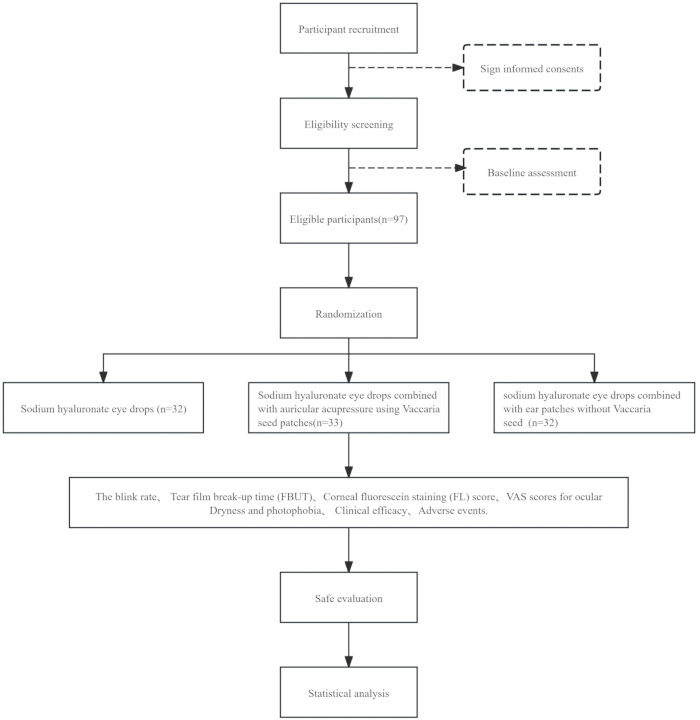
Figure 1. Participant Flow Diagram. Flow chart of participant recruitment, randomization, group allocation, intervention, follow-up, and outcome analysis in this study. Please click here to view a larger version of this figure.
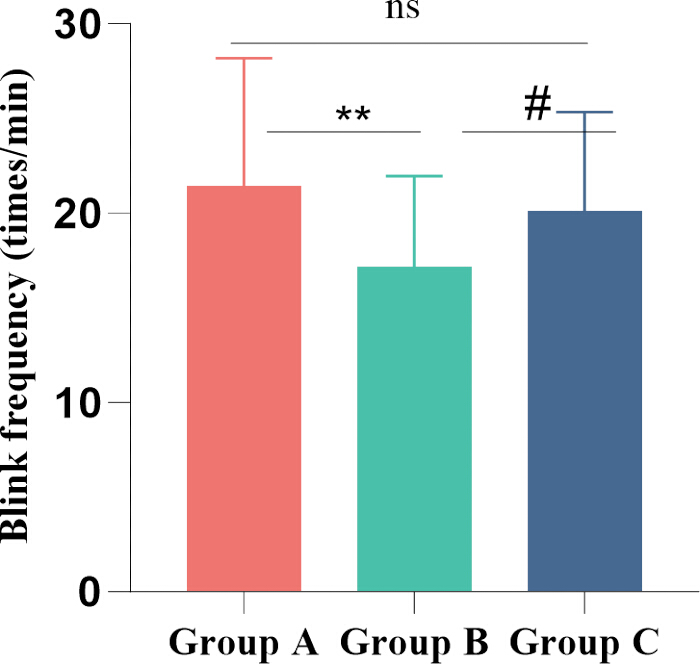
Figure 2. Blink frequency after treatment in the three study groups. The bar graph shows the mean blink frequency in Group A, Group B, and Group C after treatment, with error bars representing the standard deviation. Group B showed a significantly lower blink frequency compared with Group A (**P < 0.01) and Group C (#P < 0.05). No significant difference was observed between Group A and Group C (ns). Please click here to view a larger version of this figure.
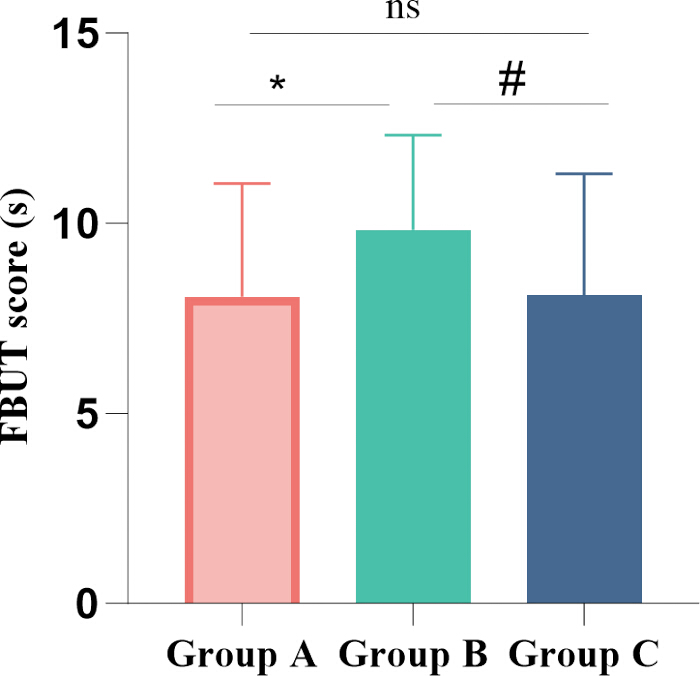
Figure 3. Comparison of FBUT among the three groups after treatment. The bar graph shows the mean fluorescein break-up time (FBUT) in Group A, Group B, and Group C after treatment, with error bars representing the standard deviation. FBUT in Group B was significantly higher than that in Group A (**P < 0.01) and Group C (#P < 0.05). No significant difference was observed between Group A and Group C (ns). Please click here to view a larger version of this figure.
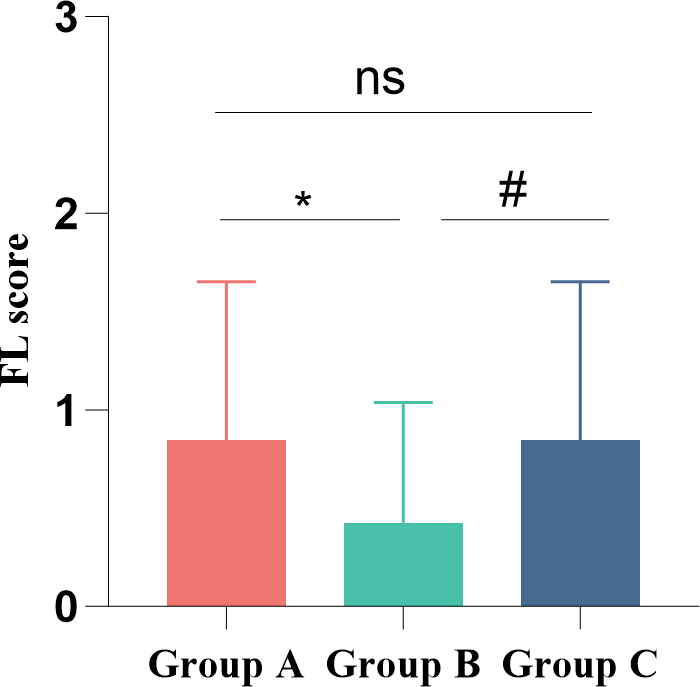
Figure 4. Comparison of corneal fluorescein staining (FL) among the three groups after treatment. The bar graph shows the mean corneal fluorescein staining scores in Group A, Group B, and Group C after treatment, with error bars representing the standard deviation. Corneal staining scores were significantly lower in Group B compared with Group A (**P < 0.01) and Group C (#P < 0.05). No significant difference was observed between Group A and Group C (ns). Please click here to view a larger version of this figure.
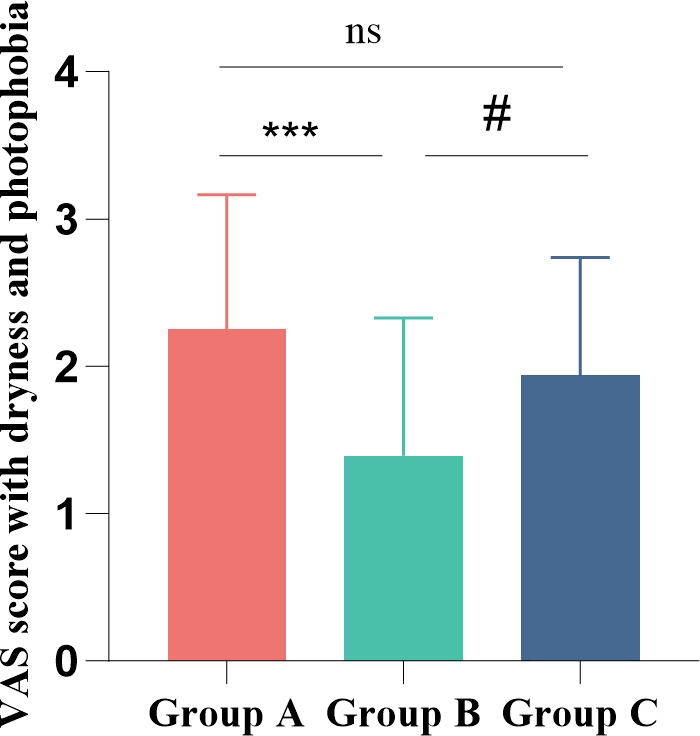
Figure 5. Comparison of VAS scores for ocular dryness and photophobia among the three groups after treatment. The bar graph shows the mean visual analog scale (VAS) scores for ocular dryness and photophobia in Group A, Group B, and Group C after treatment, with error bars representing the standard deviation. Group B showed significantly lower VAS scores compared with Group A (**P < 0.01) and Group C (#P < 0.05). No significant difference was observed between Group A and Group C (ns). Please click here to view a larger version of this figure.
| Group | n | Sex | Age, Mean±SD | Course of disease(day), Mean±SD | |
| Female, n (%) | Male, n (%) | ||||
| A | 32 | 14(43.75) | 18(56.25) | 6.09±1.89 | 19.59±11.73 |
| B | 33 | 13(39.39) | 20(60.61) | 6.24±2.09 | 17.78±11.34 |
| C | 32 | 15(46.88) | 17(53.12) | 6.34±1.59 | 19.34±11.17 |
| F/χ2 | 0.374 | 0.144 | 0.24 | ||
| P | 0.829 | 0.866 | 0.787 | ||
Table 1: General Characteristics of Participants. This table summarizes the demographic characteristics of participants in the three groups, including sample size, sex distribution, mean age, and mean disease duration, showing no significant differences among the groups at baseline.
| Group | Blink frequency (times/min), Mean±SD | FBUT, M (P25, P75) | FL, M (P25, P75) | VAS with dryness and photophobia, M (P25, P75) |
| A | 34.72±6.53 | 5.50 (3.00, 7.00) | 2.00 (1.00, 2.00) | 6.00 (6.00, 7.00) |
| B | 34.29±7.53 | 6.00 (4.00, 8.00) | 2.00 (1.00, 2.00) | 6.00 (5.00, 7.00) |
| C | 33.61±7.69 | 6.00 (4.00, 7.00) | 2.00 (1.00, 3.00) | 6.00 (5.00, 6.00) |
| F | 0.193 | 0.497 | 0.349 | 1.016 |
| P | 0.825 | 0.61 | 0.706 | 0.366 |
Table 2: Baseline Comparison of Clinical Characteristics. This table presents the baseline clinical characteristics of the three groups, including blink frequency, fluorescein tear film break-up time (FBUT), corneal fluorescein staining (FL), and VAS scores for ocular dryness and photophobia, with no statistically significant differences observed among groups before treatment.
| Group | Cured, n (%) | Markedly effective, n (%) | Effective, n (%) | Ineffective, n (%) | Total effective rate, % | Χ2 | P |
| A | 5 (15.63) | 6 (18.75) | 14 (43.75) | 7(21.87) | 78.13 | 12.765 | 0.043 |
| B | 15(45.46%) | 10 (30.30) | 6 (18.18) | 2 (6.06) | 93.94* | ||
| C | 7(21.88) | 8(25.00) | 12(37.50) | 5(15.62) | 84.38* |
Table 3: Efficacy Comparison of after treatment. This table compares the therapeutic efficacy among the three groups after treatment, including the numbers and proportions of cured, markedly effective, effective, and ineffective cases, as well as the total effective rate, showing a statistically significant difference among groups.
Discussion
Loading...
$$\rightleftharpoonup{xx}$$
$$\longleftharp{xx}$$,
$$\longrightharp{xx}$$,
This study, using a randomized controlled design, evaluated the efficacy of auricular acupressure with Vaccaria seed combined with sodium hyaluronate eye drops in the treatment of abnormal blinking in children. The results showed that auricular acupressure with Vaccaria seed significantly reduced the blink rate, prolonged tear FBUT, improved corneal FL scores, alleviated clinical symptoms of ocular dryness and photophobia, and increased the total effective rate. These findings suggest that this intervention has certain advantages in clinical practice.
The etiology of abnormal blinking in children is complex, involving both ocular surface diseases (such as dry eye, ocular surface inflammation) and neuromuscular dysfunctions (such as tic disorders) 4. Additionally, the primary factors determining blink frequency are external stimuli, such as the state of the tear film (TF) on the corneal and conjunctival surfaces, the activation of related receptors, and environmental factors24,25. The children included in this study primarily had dry eye disease (DED) as the underlying cause. Blinking is an endogenous process that refreshes the tear film, removes debris, and maintains high-quality vision. Altered blinking behavior is a common characteristic of DED and is related to the pathology of the disease26. Increased blink frequency, reduced blink interval, and changes in blinking patterns in dry eye are considered to significantly contribute to a combination of signals and symptoms that lead to impaired visual function27. In dry eye disease, the mechanism of action of auricular acupressure is thought to involve increasing neuropeptide levels, altering acetylcholine levels in the lacrimal gland, and improving ocular surface microcirculation 28. This can cause ocular surface irritation, triggering an increase in blink frequency, and form a self-reinforcing vicious cycle. Previous studies have demonstrated the efficacy of TCM in treating dry eye disease. The acupuncture has been shown to alleviate pro-inflammatory cytokines (interleukin (IL)-1, interleukin (IL)-6, tumor necrosis factor (TNF), and other inflammatory cytokines), thereby exerting anti-inflammatory effects and improving the symptoms of dry eye disease29. Yiqi Congming Decoction (YQCM) inhibits corneal epithelial inflammation and reduces cell apoptosis by regulating the miR-146a/IRAK1/JNK1 pathway, thereby protecting tear film stability in a dry eye rat model30. Run-Mu-Ling granules (RMLG) significantly improved tear film stability, promoted tear secretion, alleviated corneal tissue damage, enhanced human corneal epithelial cell (HCEC) activity, and inhibited apoptosis31.
In this study, the blink rate in Group B decreased from 34.29 ± 7.53 blinks/min to 17.18 ± 4.78 blinks/min after treatment, in Group A from 34.72 ± 6.53 blinks/min to 21.45 ± 6.73 blinks/min, and in Group C from 33.61 ± 7.69 blinks/min to 20.11 ± 5.24 blinks/min, with significant inter-group differences (P<0.05). This suggests that auricular acupressure with Vaccaria seed can regulate the blink rate in children with abnormal blinking, which is consistent with previous studies32. In Group B, the median FBUT increased from 6 s to 10 s, and the FL score decreased from 2 to 0, while the improvements in Group A and Group C were relatively smaller (Group A: FBUT increased from 5.5 s to 8 s, FL decreased from 2 to 1; Group C: FBUT increased from 6 s to 8 s, FL decreased from 2 to 1). FBUT is commonly used to assess tear film stability, and the improvement in both FBUT and FL scores further supports the effectiveness of auricular acupressure with Vaccaria seed in promoting tear film stability and reducing corneal damage. A study by Weina Li et al.33 showed that both the auricular acupressure group and the traditional Chinese medicine steam therapy combined with auricular acupressure group improved FBUT. These results suggest that auricular acupressure not only alleviates symptoms but may also improve the pathological state related to dry eye in children by regulating the ocular surface microenvironment and neuromuscular function. In terms of efficacy, Group B had a total effective rate of 93.94%, significantly higher than Group A (78.13%) and Group C (84.38%), further indicating the advantages of auricular acupressure intervention. No serious adverse events were observed in this study, suggesting that auricular acupressure with Vaccaria seed is a safe, non-invasive intervention suitable for long-term use in children.
However, this study has certain limitations. First, the sample size is relatively small, which may limit the statistical power for some secondary outcomes. Second, the follow-up period was limited, reflecting only short-term efficacy and failing to fully assess long-term recurrence. Third, the children included in this study all had dry eye as the primary cause, and the efficacy for abnormal blinking caused by other factors remains to be further investigated. Additionally, given that the primary outcomes involve subjective measures, such as the VAS scores, there may be a potential bias in subjective outcomes, as these measures rely on individual perceptions and assessments. Future studies with larger sample sizes, multi-center trials, and longer follow-up periods are needed to further validate the safety and efficacy of auricular acupressure combined with traditional Chinese medicine in treating abnormal blinking in children, as well as to explore its potential mechanisms of action.
In conclusion, the results of this study indicate that auricular acupressure combined with sodium hyaluronate eye drops significantly improves the symptoms of abnormal blinking in children, reduces blink frequency, improves tear film stability and corneal damage, and increases the total effective rate. This intervention provides a safe, effective, and feasible strategy for the clinical treatment of abnormal blinking in children.
Disclosures
Loading...
$$\rightleftharpoonup{xx}$$
$$\longleftharp{xx}$$,
$$\longrightharp{xx}$$,
The authors declare that the research was conducted in the absence of any commercial or financial relationships that could be construed as a potential conflict of interest.
Acknowledgements
Loading...
$$\rightleftharpoonup{xx}$$
$$\longleftharp{xx}$$,
$$\longrightharp{xx}$$,
This work was supported by the Jilin Provincial Health Commission (No. 2024A087).
Materials
| Name | Company | Catalog Number | Comments |
|---|---|---|---|
| Fluorescein Sodium Test Strips | Tianjin Jingming New Technology Development Co., Ltd. | Medical Device Registration No.: 20222160497 | Used for corneal injury assessment and tear film stability testing |
| GraphPad Prism 10 | GraphPad Software, San Diego, CA, USA | N/A | Used for generating statistical charts |
| IBM SPSS Statistics 27 | IBM Corp., Armonk, NY, USA | N/A | Used for data processing and analysis |
| PASS 21.0 | NCSS, LLC, Kaysville, Utah, USA | N/A | Used for sample size estimation |
| Sodium Hyaluronate Eye Drops | Santen Pharmaceutical (China) Co., Ltd. | National Drug Approval Number: H20173248 | Administer 1 drop, 3 times per day |
| Vaccaria Seed Auricular Acupressure Patches / Ear Acupressure Patches | Shanghai Taicheng Technology Development Co., Ltd. | Model No.: E-S | Complete each session in 1 minute, totaling 5 minutes per session. Apply the patches for 4 days without changing. Reapply patches every other day, without further changes. |
References
Loading...
$$\rightleftharpoonup{xx}$$
$$\longleftharp{xx}$$,
$$\longrightharp{xx}$$,
- Willett, S. M., Maenner, S. K., Mayo, J. P. The perceptual consequences and neurophysiology of eye blinks. Frontiers in Systems Neuroscience. 17, 1242654(2023).
- Nakamori, K., Odawara, M., Nakajima, T., Mizutani, T., Tsubota, K. Blinking is controlled primarily by ocular surface conditions. American Journal of Ophthalmology. 124 (1), 24-30 (1997).
- Tang, N., et al. Clinical characteristics of tic disorders in children and adolescents with the chief complaint of abnormal blinking. Frontiers in Psychiatry. 16, 1553358(2025).
- Zhao, H., et al. Video display terminal use and other risk factors for abnormal blinking in children: gender differences. BMC Ophthalmology. 21 (1), 428(2021).
- Nishikawa, N., et al. Spontaneous eye blink-based machine learning for tracking clinical fluctuations in Parkinson's disease. NPJ Parkinson's Disease. 11 (1), 247(2025).
- Ousler, G. W., et al. Blink patterns and lid-contact times in dry-eye and normal subjects. Clinical Ophthalmology (Auckland, N.Z.). 8, 869-874 (2014).
- Mikula, I., Trkanjec, Z., Negovetić, R., Miskov, S., Demarin, V. Differences of blink-reflex abnormalities in patients suffering from idiopathic and symptomatic trigeminal neuralgia. Wiener Klinische Wochenschrift. 117 (11–12), 417-422 (2005).
- León-Sarmiento, F. E. Blink reflex and discomplete facial nerve palsy. Archives of Medical Research. 33 (1), 85-87 (2002).
- Coats, D. K., Paysse, E. A., Kim, D. S. Excessive blinking in childhood: a prospective evaluation of 99 children. Ophthalmology. 108 (9), 1556-1561 (2001).
- Excessive Blinking in Children. 303, American Association for Pediatric Ophthalmology & Strabismus. Available from: https://aapos.org/glossary/excessive-blinking-in-children (2024).
- Zhou, X., Shen, Y., Shang, J., Zhou, X. Effects of warm compress on tear film, blink pattern and Meibomian gland function in dry eyes after corneal refractive surgery. BMC Ophthalmology. 21 (1), 330(2021).
- Jones, L., et al. TFOS DEWS II Management and Therapy Report. The Ocular Surface. 15 (3), 575-628 (2017).
- Hynnekleiv, L., et al. Hyaluronic acid in the treatment of dry eye disease. Acta Ophthalmologica. 100 (8), 844-860 (2022).
- Scotti-Degnan, C. M., Ford, H. A. Comprehensive Behavioral Intervention for Tics. PRACTICAL NEUROLOGY. , (2020).
- Li, Q., Liu, Y., Zhang, F. ZHANG Fengmei's Experience in the Treatment of Children's Frequent Eye Blinking by Using Muzha Formula. Henan University of Chinese Medicine. 100 (34), 346-349 (2024).
- Wu, D., et al. Laser acupuncture and photobiomodulation therapy in Bell's palsy with a duration of greater than 8 weeks: a randomized controlled trial. Lasers In Medical Science. 39 (1), 29(2024).
- Du, F. S., Ping, J. J. Two cases of frequent eye blink treated by acupuncture in children. World Journal of Acupuncture-Moxibustion. 31 (6), 236-238 (2021).
- Hou, P. W., et al. The History, Mechanism, and Clinical Application of Auricular Therapy in Traditional Chinese Medicine. Evidence-based Complementary and Alternative Medicine: ECAM. 2015, 495684(2015).
- Yeh, C. H., et al. Auricular point acupressure to manage chronic low back pain in older adults: a randomized controlled pilot study. Evidence-based Complementary and Alternative Medicine: ECAM. 2014, 375173(2014).
- Serdar, C. C., Cihan, M., Yücel, D., Serdar, M. A. Sample size, power and effect size revisited: simplified and practical approaches in pre-clinical, clinical and laboratory studies. Biochemia Medica. 31 (1), 010502(2020).
- Zhao, H., Liu, Z., Yang, W., Xiao, X., Chen, J., et al. Development and Evaluation of the Dry Eye Questionnaire in China. Chinese Journal of Ophthalmology. 51 (9), 647-654 (2015).
- Guanglin, S., Xiaoping, M. Analysis of Corneal and Conjunctival Staining Characteristics and Related Factors in Dry Eye Patients. Fudan Journal of Medical Sciences. 42 (3), 384-388 (2015).
- Sherman, S. A., Eisen, S., Burwinkle, T. M., Varni, J. W. The PedsQL Present Functioning Visual Analogue Scales: preliminary reliability and validity. Health and Quality of Life Outcomes. 4, 75(2006).
- Collins, M. J., et al. Blinking patterns and corneal staining. Eye & Contact Lens. 32 (6), 287-293 (2006).
- Zhao, H., et al. Mean Tear-Film Lipid Layer Thickness and Video Display Terminal Time as Risk Factors for Abnormal Blinking in Children. Frontiers In Medicine. 8, 785901(2021).
- Oganov, A., Yazdanpanah, G., Jabbehdari, S., Belamkar, A., Pflugfelder, S. Dry eye disease and blinking behaviors: A narrative review of methodologies for measuring blink dynamics and inducing blink response. The Ocular Surface. 29, 166-174 (2023).
- Rodriguez, J. D., Ousler, G. W., Johnston, P. R., Lane, K., Abelson, M. B. Investigation of extended blinks and interblink intervals in subjects with and without dry eye. Clinical Ophthalmology (Auckland, N.Z.). 7, 337-342 (2013).
- Huang, Q., Zhan, M., Hu, Z. Auricular Acupressure for Dry Eye Disease: A Systematic Review and Meta-Analysis of Randomized Controlled Trials. Medicina (Kaunas, Lithuania). 59 (1), (2023).
- Tong, L., et al. Acupuncture and herbal formulation compared with artificial tears alone: evaluation of dry eye symptoms and associated tests in randomised clinical trial. BMJ Open Ophthalmology. 3 (1), e000150(2018).
- Liu, Y., et al. The role of miR-146a/IRAK1/JNK1 pathway in mediating the effects of Yiqi Congming decoction on dry eye: A mechanistic study in rat models. Journal of Ethnopharmacology. 347, 119698(2025).
- Luo, D., et al. Run-Mu-Ling Granules Mitigate Ocular Surface Inflammatory Injury Associated with Dry Eye by Suppressing the NLRP3/GSDMD-Mediated Pyroptosis Pathway. Journal of Inflammation Research. 17, 10769-10784 (2024).
- Zhang, Y., Wang, W., Don, R. Acupoint Massage on the Head and Face Combined with Auricular Acupressure for the Treatment of Pediatric Blepharospasm: A Clinical Study of 60 Cases. Chinese Acupuncture & Moxibustion. 39 (9), 1007-1008 (2023).
- Li, W., Miao, H., Wang, L., Dong, P., Yin, H., et al. Effects of Chinese medicine fumigation combined with auricular point sticking on clinical efficacy and inflammatory reaction in patients with type 2 diabetic dry eyes. China Medical Herald. 20 (8), 158-162 (2023).
Reprints and Permissions
Request permission to reuse the text or figures of this JoVE article
Request Permission