Cervical dysphagia is an uncommon cause of swallowing difficulty often overlooked in routine evaluations. This report describes a patient whose persistent symptoms were traced to cervical spondylosis with extensive anterior longitudinal ligament calcification. Early recognition and comprehensive conservative management led to effective symptom relief, underscoring the importance of considering cervical spine-related etiologies.
Case Report
Diagnosis and Conservative Management of Cervical Dysphagia Secondary to Cervical Spine Degeneration: A Case-Based Workflow
* These authors contributed equally
Opens in a new tab
In This Article
Summary
Loading...
$$\rightleftharpoonup{xx}$$
$$\longleftharp{xx}$$,
$$\longrightharp{xx}$$,
Abstract
Loading...
$$\rightleftharpoonup{xx}$$
$$\longleftharp{xx}$$,
$$\longrightharp{xx}$$,
Cervical dysphagia is an uncommon but clinically significant cause of chronic swallowing difficulty that is frequently overlooked during routine otolaryngologic and gastrointestinal evaluations. Degenerative cervical spine conditions, such as cervical spondylosis and anterior longitudinal ligament calcification, may compress the esophagus and impair swallowing function. The primary goal of this protocol is to provide a standardized, diagnostic, and management workflow for identifying cervical dysphagia and differentiating it from more common gastrointestinal or neurogenic causes. This protocol outlines a comprehensive approach that integrates detailed clinical assessment, targeted cervical spine imaging using radiography and computed tomography, structured differential diagnosis, and evidence-based conservative treatment strategies. Emphasis is placed on recognizing characteristic radiologic features, correlating imaging findings with clinical symptoms, and excluding alternative etiologies through multidisciplinary evaluation. The protocol also defines criteria for conservative management, including pharmacologic therapy, dietary modification, and swallowing rehabilitation, as well as indications for surgical consideration when nonoperative treatment fails. By standardizing the diagnostic pathway and treatment decision-making process, this protocol aims to improve diagnostic accuracy, reduce delays in appropriate management, and optimize clinical outcomes for patients with cervical spine-related dysphagia.
Introduction
Loading...
$$\rightleftharpoonup{xx}$$
$$\longleftharp{xx}$$,
$$\longrightharp{xx}$$,
Dysphagia refers to difficulty in swallowing resulting from dysfunction at any stage of the swallowing apparatus1. Complications associated with dysphagia include muscle wasting, suffocation, bronchial spasms, dehydration, weight loss, and persistent malnutrition. Cervical osteophytes were found in 10.6% of patients with dysphagia. Cervical spine-related disorders, including cervical spondylosis, disc protrusion, and anterior longitudinal ligament calcification, are major causes of cervical dysphagia2. These conditions may alter cervical anatomy, impairing pharyngeal function and leading to swallowing difficulties. Cervical dysphagia predominantly affects older men, with a reported male-to-female ratio of approximately 6:1 and a mean age at onset ranging from 66 to 69 years3. Cervical dysphagia is the result of degenerative disease of the cervical spine. With population aging, the incidence of cervical dysphagia is expected to increase, highlighting the importance of early diagnosis and appropriate management.
Despite increasing recognition of cervical spine-related dysphagia, a clear methodological gap remains in current clinical practice. Specifically, there is no standardized, stepwise diagnostic approach that systematically integrates clinical symptom assessment with targeted cervical spine imaging to identify cervical dysphagia and differentiate it from more common gastrointestinal or neurogenic causes. In existing workflows, cervical spine pathology is often considered only after repeated negative evaluations by otolaryngology and gastroenterology services, resulting in diagnostic delay and fragmented care4.
In contrast, the diagnostic approach described in this work introduces early, structured integration of cervical spine assessment into the evaluation of patients with chronic or unexplained dysphagia. By combining focused symptom characterization with targeted cervical spine imaging and predefined exclusion of alternative etiologies, this workflow differs from conventional practices that address cervical causes only after prolonged diagnostic failure. This strategy allows earlier identification of mechanical esophageal compression related to cervical degeneration, reduces redundant investigations, and facilitates timely referral to orthopedic or spine specialists4.
Several alternative diagnostic strategies are commonly employed in the evaluation of dysphagia, each with distinct strengths and limitations. Video fluoroscopic swallowing studies (VFSS) and fiberoptic endoscopic evaluation of swallowing (FEES) are widely used to assess swallowing biomechanics, bolus transit, and aspiration risk, providing valuable functional information on oropharyngeal coordination and neuromuscular control5,6. VFSS is a dynamic radiographic examination in which the patient swallows barium-containing materials while continuous fluoroscopy records the oral and pharyngeal phases of swallowing in real time, allowing evaluation of bolus transit, laryngeal elevation, epiglottic inversion, upper esophageal sphincter opening, and aspiration risk7,8. In contrast, fiberoptic endoscopic evaluation of swallowing (FEES) involves transnasal placement of a flexible endoscope to directly visualize the pharynx and larynx during swallowing of dyed food or liquid, enabling assessment of airway protection, pharyngeal residue, secretion management, and structural abnormalities without radiation exposure9,10. While VFSS provides comprehensive dynamic functional assessment and FEES offers direct mucosal visualization, both primarily evaluate intraluminal and functional abnormalities and may have limited ability to identify extrinsic mechanical compression from cervical spine pathology10.However, these techniques primarily evaluate intraluminal and functional abnormalities and may fail to identify extrinsic mechanical compression caused by anterior cervical osteophytes or ossification of the anterior longitudinal ligament. Esophageal manometry and barium swallow studies are useful for detecting esophageal motility disorders or intrinsic structural abnormalities, but have limited sensitivity for diagnosing cervical spine-related causes of dysphagia11. Magnetic resonance imaging (MRI) is effective for evaluating spinal cord compression and soft-tissue pathology; however, it is less sensitive than computed tomography (CT) for detailed visualization of osseous anatomy and anterior cervical osteophytes12.
In contrast, cervical radiography and CT provide rapid, widely available, and high-resolution assessment of cervical bony structures. CT imaging, in particular, allows precise delineation of anterior osteophyte formation and ossification of the anterior longitudinal ligament, enabling direct correlation between anatomical abnormalities and swallowing symptoms13. Incorporating cervical spine imaging into the diagnostic workflow, therefore, overcomes limitations of functional and endoscopic studies and offers a more reliable approach for identifying cervical dysphagia secondary to cervical spine degeneration.
The objective of this work is to address this diagnostic gap by presenting a structured, case-based diagnostic workflow for cervical dysphagia secondary to cervical spine degeneration. This approach provides practical guidance on when cervical spine imaging should be incorporated, how radiologic findings should be interpreted in relation to clinical symptoms, and how cervical dysphagia can be distinguished from alternative etiologies in a reproducible manner.
Case Presentation:
A 60-year-old woman presented with a five-year history of progressively worsening dysphagia. The symptoms initially manifested as intermittent difficulty swallowing solid foods, particularly elongated or dense items such as meat and vegetables. Over the preceding two years, the dysphagia increased in frequency and severity, leading the patient to adopt a predominantly soft and semi-liquid diet. She reported a sensation of food sticking in the throat during swallowing but denied early difficulty with liquids. There was no history of choking episodes, aspiration pneumonia, odynophagia, hematemesis, regurgitation, or significant weight loss. The patient reported intermittent chronic neck stiffness but denied radicular arm pain, hand numbness, gait instability, sphincter dysfunction, or other neurological symptoms. Her past medical history was unremarkable, with no history of cerebrovascular disease, neuromuscular disorders, thyroid disease, malignancy, or previous cervical spine surgery. She did not report long-term medication use. Family history was noncontributory. She did not smoke and consumed alcohol occasionally.
Prior evaluations by otolaryngology and gastroenterology services included oral examination and laryngoscopy, which did not reveal mucosal lesions, masses, or inflammatory disease. Gastroenterological consultation did not identify alarm features requiring urgent intervention. On physical examination at presentation, the patient was in stable general condition. Oral cavity inspection revealed no visible structural abnormalities. Cranial nerve examination demonstrated normal tongue movement, symmetrical palatal elevation, and intact phonation. No signs of cranial nerve deficit were observed. Cervical spine examination revealed mild stiffness but no tenderness. Neurological examination showed normal motor strength, intact sensation in the upper and lower extremities, normal reflexes, and no evidence of myelopathy. Cervical radiographs (Figure 1) demonstrated prominent anterior osteophytes. Subsequent cervical CT imaging (Figure 2) further delineated multilevel anterior longitudinal ligament calcification. Three-dimensional reconstruction (Figure 3) illustrated the spatial orientation of osteophytes.
Diagnosis, Assessment, and Plan:
The patient initially underwent otolaryngologic and gastroenterologic evaluation, including oral examination and laryngoscopy, to exclude common causes of dysphagia such as mucosal lesions, malignancy, or inflammatory disease. These investigations were performed because solid-food dysphagia in older adults frequently raises concern for structural or neoplastic pathology of the oropharynx or esophagus. As these evaluations were unremarkable and symptoms persisted for several years, further investigation was warranted to assess for structural abnormalities outside the gastrointestinal lumen.
Cervical spine radiographs were obtained to evaluate potential degenerative changes contributing to extrinsic mechanical compression. Radiographs demonstrated prominent anterior osteophytes, prompting cervical computed tomography (CT) for detailed anatomical assessment. CT imaging confirmed multilevel anterior osteophyte formation and anterior longitudinal ligament calcification from C3 to C7. The diagnosis of cervical dysphagia secondary to cervical spine degeneration was reached based on the presence of progressive solid-food dysphagia, the absence of mucosal or neurological pathology, and imaging evidence of anterior cervical osteophytes anatomically corresponding to the hypopharyngeal region. Neurological examination revealed no signs of radiculopathy or myelopathy, helping exclude neurogenic causes.
Differential diagnoses considered included esophageal malignancy, esophagitis, motility disorders, neurogenic dysphagia, and psychogenic swallowing disorder. These were excluded through prior endoscopic evaluation, absence of neurological deficits, lack of systemic symptoms such as weight loss or progressive liquid dysphagia, and absence of imaging evidence of spinal cord compression. Given the chronic but stable symptoms without aspiration, airway compromise, or neurological deterioration, conservative management was initiated. The treatment plan consisted of nonsteroidal anti-inflammatory medication to reduce local inflammation and soft-tissue irritation, a centrally acting muscle relaxant to alleviate cervical muscle spasm, and structured dietary modification and swallowing training to improve functional adaptation. The rationale for conservative therapy was that the patient did not demonstrate severe malnutrition, progressive neurological impairment, or acute airway risk that would mandate immediate surgical intervention.
Potential complications of pharmacologic treatment include gastrointestinal irritation or ulceration associated with nonsteroidal anti-inflammatory drugs and sedation or dizziness related to muscle relaxants. Surgical resection of anterior cervical osteophytes was discussed as a secondary option if conservative therapy failed, with potential risks including recurrent laryngeal nerve injury, postoperative hematoma, esophageal perforation, soft-tissue edema, infection, and transient or persistent worsening of dysphagia.
Protocol
Loading...
$$\rightleftharpoonup{xx}$$
$$\longleftharp{xx}$$,
$$\longrightharp{xx}$$,
This study was conducted in accordance with the principles of the Declaration of Helsinki. Ethical approval was obtained from the Institutional Review Board of Jinyun People's Hospital (approval No. JYLL202510). Written informed consent was obtained from the patient for participation in the study and for the publication of clinical details and imaging data.
1. Patient evaluation and initial clinical assessment
- Obtain clinical history: A comprehensive clinical history was obtained, including the onset, duration, and progression of dysphagia, with special attention to whether the patient had trouble swallowing solids, liquids, or both.
- Clarify prior assessments: Clarified prior assessments by otolaryngology or gastroenterology to determine whether common causes such as esophagitis, esophageal cancer, or pharyngeal lesions had already been excluded.
- Physical examination: A focused physical examination was performed, including oral cavity inspection, evaluation of the pharynx and larynx, gag reflex assessment, and screening for cranial nerve deficits. Inspected the oral cavity using direct visualization with a light source.
- The pharynx and larynx were assessed by observing gag reflex symmetry and phonation. Screened cranial nerve function by evaluating tongue movement, voice quality, and palatal elevation. This sub-section is essential for ruling out oropharyngeal or esophageal structural disease before proceeding to cervical spine-related causes.
- Clinical features: Persistent dysphagia was operationally defined as swallowing difficulty lasting ≥4 weeks, primarily affecting solid foods, accompanied by progressive dietary modification or recurrent sensation of food sticking at the cervical level, despite unremarkable initial otolaryngologic or gastrointestinal evaluation.
- In the absence of acute neurological deficits or alarm features such as significant weight loss or hematemesis, these criteria triggered early cervical spine imaging. Documented symptoms such as difficulty swallowing elongated foods, diet modification to soft or liquid foods, or progressive worsening of swallowing function.
- When dysphagia persisted despite normal ENT and GI assessments, proceeded to imaging-based evaluation of the cervical spine.
2. Radiographic evaluation of the cervical spine
- Acquisition of cervical radiographs: Cervical spine X-ray imaging was obtained, including posteroanterior (PA) and lateral views and a true lateral (LAT) view, using standard radiographic equipment (Table of Materials), ensuring the cervical vertebrae from C1 to C7 are fully visualized.
- The patient was positioned in a standing or seated neutral posture, with the chin slightly elevated to avoid mandibular overlap. Central beam alignment was confirmed at the C4-C5 level. The images were evaluated for anterior osteophytes, loss of cervical curvature, and anterior longitudinal ligament calcification.
- Acquisition of cervical CT imaging: Following X-ray evaluation, a cervical CT scan was performed using thin-slice (0.5-1.0 mm) helical acquisition (Table of Materials). Axial images were acquired first, followed by multiplanar reconstructions (MPR) in sagittal and coronal planes, and 3D volumetric reconstructions were generated to assess the orientation and extent of osteophytes.
- Window width and level settings were adjusted to optimize visualization to clearly delineate bony structures. CT imaging was used to evaluate osteophyte size, involvement of levels C3-C7, and the degree of anterior longitudinal ligament ossification, as well as their anatomical relationship to the posterior pharyngeal wall.
- It was confirmed whether canal stenosis, foraminal narrowing, or spinal cord compression was present.
- Procedural and visual checkpoints: Predefined procedural checkpoints were integrated into both imaging acquisition and therapeutic interventions to ensure correct execution before interpretation or progression.
- During cervical imaging acquisition, patient positioning was confirmed in a neutral seated or standing posture prior to exposure, complete visualization of cervical levels C1-C7 on lateral radiographs was verified immediately after acquisition, and axial CT images were reviewed on bone window settings to confirm adequate coverage of levels C3-C7 before proceeding to multiplanar or three-dimensional reconstruction; document completion of each confirmation sub-section before image interpretation.
- During swallowing training, intermediate progress checkpoints were applied by verifying that the patient can maintain an upright posture during meals, correctly perform the chin-tuck maneuver, control bolus size, and complete slow-paced swallowing without coughing or choking.
- These checkpoints were reassessed and documented at each follow-up visit before advancing, modifying, or discontinuing the training regimen. Integration of these visual and procedural checkpoints ensures that intermediate subsections are performed correctly and verified prior to outcome assessment or clinical decision-making.
3. Differential diagnosis workup
- Review prior investigation: Imaging findings were interpreted in the context of previously conducted investigations. If prior upper GI endoscopy or laryngoscopy had been performed, the documentation was reviewed to confirm the absence of mucosal lesions, tumors, or inflammatory disease.
- Complete additional evaluation when necessary: If such evaluations had not been completed, upper GI endoscopy was performed or requested to rule out esophagitis, esophageal cancer, structural strictures, or motility disorders.
- Exclude alternative etiologies: Potential neurogenic causes were evaluated by screening for neurological symptoms, stroke history, neuromuscular disorders, or cranial nerve abnormalities.
- Psychogenic dysphagia was considered when symptoms lacked anatomical correlation. Alternative etiologies were excluded by confirming the absence of mucosal lesions, neoplasms, or neurological deficits based on prior evaluations and clinical screening.
4. Conservative treatment
- Initiate pharmacologic therapy: A nonsteroidal anti-inflammatory drug was administered orally (Table of Materials) (tablet or capsule formulation, confirm dosage strength prior to administration) twice daily to reduce inflammation.
- A centrally acting muscle relaxant was administered orally (tablet formulation, confirm dosage strength prior to administration) once daily to alleviate cervical muscle spasm. Pharmacologic therapy was continued for 2-4 weeks, with adjustment or discontinuation based on symptom response and tolerance.
- Implement swallowing strategies: At each follow-up visit, dysphagia severity, neck pain or muscle spasm, and potential adverse effects (e.g., gastrointestinal discomfort, dizziness, or sedation) were monitored.
- Treatment was discontinued or modified if clinically significant adverse events occurred. The patient was instructed to perform slow-paced swallowing with deliberate bolus control.
- The chin-tuck maneuver was applied during swallowing to facilitate pharyngeal clearance. The patient was instructed to maintain an upright seated position during meals and limit bolus size to small, manageable volumes.
- Modify diet and monitor treatment response: Dietary modifications were recommended that include soft and moist foods, avoidance of elongated or dense solids, and dividing meals into smaller, more frequent portions. Instructions were provided for basic swallowing rehabilitation exercises that strengthen oropharyngeal muscles, improve epiglottic mobility, and enhance compensatory mechanisms.
- The patient was reassessed after 6-12 weeks of conservative treatment. Swallowing ability was documented, including tolerance of solid foods, the need for continued dietary modification, and the persistence or improvement of dysphagia symptoms.
- Medication adherence was recorded, as were adverse events. It was determined whether predefined criteria for escalation to surgical evaluation were met.
5. Criteria for surgical consideration
- Reassess after conservative therapy: The patient was reassessed after 6 weeks of conservative treatment by documenting swallowing function, particularly tolerance of solid foods, need for ongoing dietary modification, and occurrence of choking or coughing during meals.
- Determine treatment failure or continuation: If swallowing function showed clear improvement at the 6-week reassessment, conservative management was continued for an additional 6 weeks (total treatment duration of 12 weeks).
- If there was no improvement or worsening of dysphagia at the 6-week reassessment, conservative treatment was defined as unsuccessful, and the patient proceeded to surgical referral.
- Conservative treatment was considered to have failed if dysphagia continued to limit oral intake of solid foods after 12 weeks of compliant conservative management. In either case, referral was initiated for surgical evaluation without further delay.
- Surgical assessment: Surgical options were discussed, most commonly anterior cervical osteophyte resection, and perioperative considerations were outlined, including cervical exposure, osteophyte removal technique, and postoperative airway monitoring.
- Potential operative risks were explained, such as postoperative hematoma, recurrent laryngeal nerve injury resulting in dysphonia, soft-tissue edema causing airway compromise, esophageal perforation, and surgical-site infection.
- Patient comorbid conditions were optimized before surgery, ensuring stable cardiopulmonary function and adequate nutritional status, as chronic dysphagia often leads to unintentional weight loss or malnutrition.
6. Documentation and quality control
- Record clinical and imaging findings: Detailed imaging findings were recorded, including the vertebral levels involved, degree of anterior longitudinal ligament calcification, osteophyte morphology, and any esophageal displacement.
- Maintain systematic documentation: Systematic documentation was maintained of clinical symptoms, response to medication, swallowing rehabilitation outcomes, adverse drug reactions, and dietary tolerance, including drug formulation details (dosage form and strength), treatment duration, and monitoring outcomes at each follow-up visit.
- Ensure multidisciplinary coordination and reproducible documentation: Communication among specialties was established among orthopedics, otolaryngology, gastroenterology, and rehabilitation specialists to ensure coordinated management.
- Consistent and reproducible documentation is essential for identifying treatment response, guiding decision-making regarding surgical intervention, and enabling accurate follow-up for patients with cervical dysphagia.
Results
Loading...
$$\rightleftharpoonup{xx}$$
$$\longleftharp{xx}$$,
$$\longrightharp{xx}$$,
The structured diagnostic workflow identified cervical spine degeneration as the likely cause of persistent dysphagia in this patient. Clinical history demonstrated a 5-year progression of swallowing difficulty, initially affecting solid foods and later necessitating transition to a predominantly soft and semi-liquid diet. Symptoms included a persistent sensation of food sticking in the throat without aspiration, odynophagia, hematemesis, or marked weight loss. Prior otolaryngologic and gastroenterologic evaluations, including oral examination and laryngoscopy, were unremarkable, and no mucosal, inflammatory, or neoplastic lesion was detected.
Focused cervical imaging revealed concordant structural abnormalities. Standard cervical radiographs demonstrated marked cervical spondylosis with prominent anterior osteophytes, raising suspicion for extrinsic mechanical compression of the retropharyngeal space (Figure 1). Cervical CT further defined extensive multilevel anterior osteophyte formation and anterior longitudinal ligament calcification extending from C3 to C7, with clear proximity to the esophageal wall and associated mechanical compression (Figure 2). Three-dimensional CT reconstruction provided additional visualization of the spatial orientation and severity of the anterior bony protrusions, supporting a mechanical basis for the patient's dysphagia (Figure 3).
Neurological examination remained normal, with no evidence of radiculopathy, myelopathy, cranial nerve dysfunction, or spinal cord compression. Together with the absence of alternative gastrointestinal or neurogenic explanations, these findings supported the diagnosis of cervical dysphagia secondary to cervical spine degeneration. Following conservative treatment with anti-inflammatory medication, muscle relaxation, dietary modification, and swallowing training, the patient experienced functional symptomatic improvement and enhanced quality of life, although complete radiographic resolution was not expected.
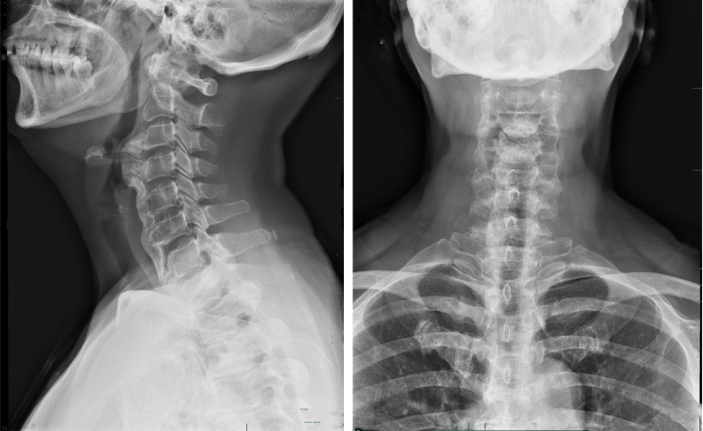
Figure 1: Cervical spine radiographs (PA and lateral views). Standard posteroanterior (PA) and lateral cervical radiographs were obtained during initial evaluation. The images demonstrate marked cervical spondylosis with prominent anterior osteophytes contributing to mechanical narrowing of the retropharyngeal space. These findings raised suspicion of cervical dysphagia and prompted further advanced imaging. Abbreviations; PA = posteroanterior. Please click here to view a larger version of this figure.

Figure 2: Cervical computed tomography (CT) Imaging. Axial and sagittal CT slices reveal extensive anterior longitudinal ligament calcification and large anterior osteophytes spanning from C3 to C7. The high-resolution bone window images clearly delineate the size, contour, and extent of the osteophytic growth, confirming its proximity to and compression of the esophageal wall. These CT findings provide definitive structural evidence. Abbreviations; CT = cervical computed tomography. Please click here to view a larger version of this figure.
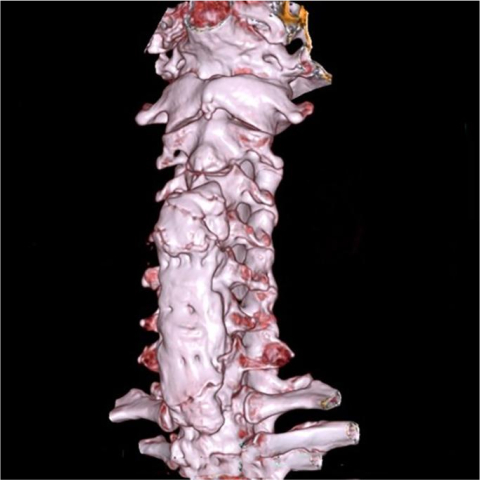
Figure 3: Three-dimensional reconstruction of cervical spine CT. A 3D reconstruction of the cervical CT scan illustrates the spatial orientation and severity of the multilevel cervical osteophytes. This volumetric representation improves visualization of anterior bony protrusions and their anatomical relationships to adjacent structures, further validating the mechanical etiology of the patient's dysphagia. Abbreviations; CT = cervical computed tomography. Please click here to view a larger version of this figure.
Discussion
Loading...
$$\rightleftharpoonup{xx}$$
$$\longleftharp{xx}$$,
$$\longrightharp{xx}$$,
Dysphagia associated with cervical spine degeneration is primarily attributed to mechanical narrowing of the retropharyngeal space and compression of the hypopharynx, rather than direct intraluminal obstruction of the esophagus. Anterior cervical osteophytes at the C3-C7 levels may encroach upon the posterior pharyngeal wall, interfere with normal epiglottic excursion, and impair bolus transit during the pharyngeal phase of swallowing. This mechanical interaction may lead to local soft-tissue irritation, inflammation, and edema, thereby exacerbating swallowing dysfunction14. The present case underscores the importance of recognizing cervical spine pathology as a potential contributor in patients with persistent or unexplained dysphagia. Although initial evaluations were inconclusive, the progressive worsening of symptoms significantly impacted the patient's quality of life. Endoscopic findings in cervical osteophyte-related dysphagia are variable. A study reported that up to 28% of symptomatic cases demonstrate dysphagia attributable to direct mechanical compression, often accompanied by posterior pharyngeal wall bulging or luminal narrowing on endoscopy15. Nevertheless, not all patients exhibit overt endoscopic protrusion, particularly when examination is conducted at rest rather than during dynamic swallowing16. Therefore, absence of obvious endoscopic abnormalities does not exclude cervical spine-related mechanical contribution, especially when imaging demonstrates significant anterior osteophyte formation.
The clinical outcome observed in this case directly reflects the structured sequence defined in the protocol. Specifically, sub-section 1.1 (comprehensive clinical history) identified persistent solid-food dysphagia despite prior normal ENT and GI evaluations, which triggered progression to sub-section 2 (radiographic evaluation of the cervical spine) rather than repetition of endoscopic studies. Implementation of sub-section 2.1 and sub-section 2.2 enabled precise visualization of multilevel anterior osteophytes and anterior longitudinal ligament calcification, providing anatomical confirmation of extrinsic mechanical compression. Importantly, sub-section 3 (differential diagnosis workup) systematically excluded mucosal, neoplastic, and neurogenic etiologies before attributing symptoms to cervical pathology, thereby preventing premature diagnostic closure. Therapeutic response further validates the predefined management pathway. Conservative treatment was initiated according to sub-section 4.1-4.3, integrating pharmacologic therapy, swallowing modification, and dietary adaptation. Outcome monitoring followed sub-section 4.4, with reassessment at defined intervals rather than subjective clinical impression. Although surgical intervention was recommended according to sub-section 5.1 criteria, the patient declined operative treatment. Continued conservative management led to functional improvement and quality-of-life enhancement, demonstrating that structured reassessment thresholds can guide escalation decisions while allowing individualized patient choice. By explicitly following the sequential framework outlined in the Protocol, this case illustrates how predefined diagnostic triggers, imaging checkpoints, and treatment decision rules improve reproducibility compared with conventional, less structured dysphagia evaluation approaches.
Accurate diagnosis of cervical dysphagia requires careful symptom assessment combined with comprehensive clinical and radiological evaluation, including the duration of dysphagia, eating habits, and associated symptoms17. Subsequent routine examinations, such as oral examinations and laryngoscopy, help rule out other potential causes of dysphagia17. For suspected cervical dysphagia, cervical CT or MRI scans are essential adjuncts, providing reliable evidence of cervical spine lesions. Radiographs and CT scans provide detailed visualization of osteophyte size, morphology, and location, as well as associated anterior longitudinal ligament ossification. Dysphagia becomes more likely when thickness exceeds ~10 mm, and clinically relevant pharyngeal obstruction is often reported at ~12-15 mm18. While CT provides excellent delineation of osseous structures and their anatomical proximity to the posterior pharyngeal wall, it cannot fully assess dynamic swallowing impairment or intraluminal deformation, which may require contrast swallow studies or video fluoroscopic evaluation14. VFSS or FEES were considered but not performed because CT findings showed clear symptom-anatomy concordance, and there were no aspiration or neurologic signs. Dynamic testing may be selectively used in equivocal cases. MRI can be used to evaluate spinal cord compression3. In differential diagnosis, it is necessary to exclude other conditions that may cause dysphagia, such as esophagitis, esophageal cancer, or gastritis. These conditions are usually confirmed or ruled out through endoscopic examinations or X-ray studies19.
Furthermore, differentiation between cervical dysphagia and neurogenic dysphagia, or psychogenic causes of swallowing difficulties, is essential. Compared with conventional dysphagia evaluation pathways, this protocol was designed to introduce cervical spine assessment earlier in selected patients with persistent solid-food dysphagia after unrevealing initial otolaryngologic and gastrointestinal evaluation. Current clinical practice guidelines for esophageal dysphagia primarily emphasize endoscopic evaluation, barium studies, and motility testing as first-line investigations1,2. Similarly, VFSS and FEES are widely used to assess swallowing biomechanics and aspiration risk, but focus predominantly on intraluminal or neuromuscular abnormalities5,6. Although these modalities provide critical functional information, they do not reliably detect extrinsic mechanical compression caused by anterior cervical osteophytes or ossification of the anterior longitudinal ligament13. Furthermore, existing reports describing cervical osteophyte-related dysphagia largely consist of retrospective case series or surgical outcome studies, with limited guidance regarding standardized diagnostic sequencing3,13. As a result, cervical spine imaging is often performed late in the diagnostic process, contributing to fragmented evaluation and delayed recognition4. In contrast, the workflow proposed in this protocol defines explicit decision points for early cervical radiography and CT acquisition when dysphagia persists despite normal ENT and GI findings. By incorporating predefined imaging checkpoints, structured exclusion criteria, and stepwise conservative eligibility rules, this protocol operationalizes cervical dysphagia assessment into a reproducible pathway rather than a diagnosis of exclusion. Importantly, while surgical resection of anterior osteophytes has demonstrated symptomatic improvement in selected patients3, surgical management carries risks, including recurrent laryngeal nerve injury, hematoma, and dysphagia exacerbation20. Therefore, establishing a clearly defined conservative management algorithm prior to surgical referral represents a clinically rational and risk-balanced strategy. By explicitly defining reassessment timelines and failure criteria, this protocol improves transparency in treatment escalation compared with previously described non-standardized management approaches.
Nonoperative modalities such as diet modification and anti-inflammatory medications are commonly used as first-line therapy, although definitive treatment is often surgical when these measures fail21. Management strategies for cervical dysphagia include pharmacologic therapy, physical rehabilitation, and behavioral modification. Pharmacological treatment primarily targets inflammation and pain relief, commonly employing muscle relaxants and nonsteroidal anti-inflammatory drugs22. Physical therapy encompasses cervical massage and traction, aiming to alleviate cervical muscle tension and improve cervical spine lesions. Behavioral interventions involve dietary adjustments and swallowing training to help patients adapt to swallowing difficulties23. Additionally, during treatment, emphasis on patient dietary habits, neck posture, and close monitoring of symptom and sign changes are crucial for improving treatment outcomes. Surgical treatment may be required when conservative treatment fails to relieve symptoms24. Anterior cervical osteophyte removal can enhance swallowing function in most patients with dysphagia brought on by esophageal stricture3. In summary, the diagnosis and treatment of cervical dysphagia require consideration of clinical presentation, ancillary test results, and treatment response. Early diagnosis and proactive intervention are critical for improving patient quality of life, and in cases of longstanding dysphagia, consideration of cervical spine lesions is essential for timely treatment.
This report is limited by its single-case design and reliance on static imaging to infer mechanical causation. Dynamic swallowing studies were not uniformly performed, and validated quality-of-life scales were not systematically applied. In addition, observer bias in imaging interpretation cannot be excluded, because radiographic and CT findings were assessed within a structured workflow that increased pretest suspicion for cervical pathology, and no blinded independent image review or formal inter-observer agreement assessment was performed. Additionally, radiologic thresholds for clinically significant compression require further standardization. Prospective comparative studies are needed to evaluate whether early cervical spine-integrated workflows reduce time to diagnosis, unnecessary endoscopic repetition, and overall healthcare costs compared with conventional ENT/GI-centered pathways. Future validation studies should incorporate standardized dysphagia scoring systems together with objective imaging and functional assessments to better quantify treatment outcomes.
Disclosures
Loading...
$$\rightleftharpoonup{xx}$$
$$\longleftharp{xx}$$,
$$\longrightharp{xx}$$,
The authors declare that there is no conflict of interest.
Acknowledgements
Loading...
$$\rightleftharpoonup{xx}$$
$$\longleftharp{xx}$$,
$$\longrightharp{xx}$$,
Not applicable.
Materials
| Name | Company | Catalog Number | Comments |
|---|---|---|---|
| Ibuprofen Tablets (0.3 g/tablet) | CSPC Pharmaceutical Group Co., Ltd., Shijiazhuang, China | H13021402 | Oral nonsteroidal anti-inflammatory drug used for anti-inflammatory treatment |
| Eperisone Hydrochloride Tablets (50 mg/tablet) | Eisai Co., Ltd., Tokyo, Japan | 4520 | Centrally acting muscle relaxant for cervical muscle spasm |
| Digital Radiography System (Ysio Max) | Siemens Healthineers, Erlangen, Germany | 10987654 | Used for cervical spine posteroanterior and lateral radiographs |
| Multidetector CT Scanner (SOMATOM Definition AS, 128-slice) | Siemens Healthineers, Erlangen, Germany | 10234567 | Thin-slice (0.5–1.0 mm) helical CT acquisition for cervical spine imaging |
| Syngo.via Imaging Software (Version VB30A) | Siemens Healthineers, Erlangen, Germany | N/A | Multiplanar reconstruction (MPR) and 3D volumetric rendering |
| PACS Imaging System (Carestream Vue PACS) | Carestream Health, Rochester, NY, USA | Version 12.1 | Image storage, review, and measurement platform |
| RadiAnt DICOM Viewer (Version 2023.1) | Medixant, Poznan, Poland | N/A | CT image visualization and measurement analysis |
| LED Examination Light (Dr. Mach LED 130) | Dr. Mach GmbH & Co. KG, Tuttlingen, Germany | 130F | Used for oral cavity and pharyngeal inspection |
| Disposable Wooden Tongue Depressors | Jiangsu Hualun Medical Instruments Co., Ltd., Jiangsu, China | HL-TD-100 | Used for pharyngeal examination |
| Visual Analog Scale (VAS) Assessment Form | Institutional Standard, Jinyun People’s Hospital, Zhejiang, China | N/A | Used for subjective dysphagia severity assessment |
| Functional Oral Intake Scale (FOIS) Scoring Form | Standardized Clinical Tool | N/A | Used for grading swallowing function |
| Standardized Swallowing Rehabilitation Instruction Sheet | Institutional Standard, Jinyun People’s Hospital | N/A | Used to guide chin-tuck maneuver and bolus control training |
| Texture-Modified Diet Guideline | Chinese Nutrition Society, Beijing, China | N/A | Used to standardize dietary modification recommendations |
References
Loading...
$$\rightleftharpoonup{xx}$$
$$\longleftharp{xx}$$,
$$\longrightharp{xx}$$,
- Mccarty, E. B., Chao, T. n Dysphagia and swallowing disorders. Med Clin North Am. 105 (5), 939-954 (2021).
- Mcintosh, E. Dysphagia. Home Healthc Now. 41 (1), 36-41 (2023).
- Kolz, J. M., et al. Anterior cervical osteophyte resection for treatment of dysphagia. Global Spine J. 11 (4), 488-499 (2021).
- Laskaratou, E. D., Sperelakis, I., Trygonis, N., Dimitriou, R., Kontakis, G. Cervical diffuse idiopathic skeletal hyperostosis (dish) as an underrecognized cause of dysphagia: A case series and review of the literature. Cureus. 17 (11), e97249(2025).
- Shapiro, J. Evaluation and treatment of swallowing disorders. Compr Ther. 26 (3), 203-209 (2000).
- Langmore, S. E., Schatz, K., Olsen, N. Fiberoptic endoscopic examination of swallowing safety: A new procedure. Dysphagia. 2 (4), 216-219 (1988).
- Langmore, S. E., Schatz, K., Olson, N. Endoscopic and videofluoroscopic evaluations of swallowing and aspiration. Ann Otol Rhinol Laryngol. 100 (8), 678-681 (1991).
- Giraldo-Cadavid, L. F., et al. Accuracy of endoscopic and videofluoroscopic evaluations of swallowing for oropharyngeal dysphagia. Laryngoscope. 127 (9), 2002-2010 (2017).
- Nacci, A., et al. Fiberoptic endoscopic evaluation of swallowing (FEES): Proposal for informed consent. Acta Otorhinolaryngol Ital. 28 (4), 206-211 (2008).
- Helliwell, K., Hughes, V. J., Bennion, C. M., Manning-Stanley, A. The use of videofluoroscopy (VFS) and fibreoptic endoscopic evaluation of swallowing (FEES) in the investigation of oropharyngeal dysphagia in stroke patients: A narrative review. Radiography (Lond). 29 (2), 284-290 (2023).
- Cook, I. J. Diagnostic evaluation of dysphagia. Nat Clin Pract Gastroenterol Hepatol. 5 (7), 393-403 (2008).
- Kim, G. U., Chang, M. C., Kim, T. U., Lee, G. W. Diagnostic modality in spine disease: A review. Asian Spine J. 14 (6), 910-920 (2020).
- Verlaan, J. J., Boswijk, P. F., De Ru, J. A., Dhert, W. J., Oner, F. C. Diffuse idiopathic skeletal hyperostosis of the cervical spine: An underestimated cause of dysphagia and airway obstruction. Spine J. 11 (11), 1058-1067 (2011).
- Choi, H. E., et al. Characteristics and clinical course of dysphagia caused by anterior cervical osteophyte. Ann Rehabil Med. 43 (1), 27-37 (2019).
- Barker, T., Gill, D., Khatun, F., Lutchman, L. Anterior cervical osteophytes causing dysphagia and dyspnoea. Ann R Coll Surg Engl. 103 (7), e209-e211 (2021).
- Seidler, T. O., Pèrez Alvarez, J. C., Wonneberger, K., Hacki, T. Dysphagia caused by ventral osteophytes of the cervical spine: Clinical and radiographic findings. Eur Arch Otorhinolaryngol. 266 (2), 285-291 (2009).
- Yeom, J., et al. Diagnosis and clinical course of unexplained dysphagia. Ann Rehabil Med. 40 (1), 95-101 (2016).
- Strasser, G., et al. Cervical osteophytes impinging on the pharynx: Importance of size and concurrent disorders for development of aspiration. AJR Am J Roentgenol. 174 (2), 449-453 (2000).
- Liu, L. W. C., et al. Clinical practice guidelines for the assessment of uninvestigated esophageal dysphagia. J Can Assoc Gastroenterol. 1 (1), 5-19 (2018).
- Go, Y. I., et al. Aggravation of dysphagia after surgical removal of anterior cervical osteophytes: A case report. J Int Med Res. 50 (9), 3000605221125098(2022).
- Ozgocmen, S., Kiris, A., Kocakoc, E., Ardicoglu, O. Osteophyte-induced dysphagia: Report of three cases. Joint Bone Spine. 69 (2), 226-229 (2002).
- Unlu, Z., Orguc, S., Eskiizmir, G., Aslan, A., Tasci, S. The role of phonophoresis in dysphagia due to cervical osteophytes. Int J Gen Med. 1, 11-13 (2008).
- Grgić, V. cervicogenic dysphagia: Swallowing difficulties caused by functional and organic disorders of the cervical spine. Lijec Vjesn. 135 (3-4), 92-99 (2013).
- Goh, P. Y., Dobson, M., Iseli, T., Maartens, N. F. Forestier's disease presenting with dysphagia and dysphonia. J Clin Neurosci. 17 (10), 1336-1338 (2010).
Reprints and Permissions
Request permission to reuse the text or figures of this JoVE article
Request Permission