This study evaluates the incidence and risk factors of polymyxin B-induced acute kidney injury (AKI) in septic shock patients through clinical observation, laboratory monitoring, and nursing intervention.
A subscription to JoVE is required to view this content. Sign in or start your free trial.
Method Article
Current Incidence and Risk Factors for Polymyxin B-Associated Acute Kidney Injury In Patients With Septic Shock
* These authors contributed equally
In This Article
Summary
Abstract
This study evaluates the incidence and risk factors of polymyxin B-associated acute kidney injury (AKI) in patients with septic shock, a population at high risk of nephrotoxicity due to critical illness and exposure to last-line antibiotics. A prospective cohort of 200 adult patients with microbiologically confirmed multidrug-resistant gram-negative infections was analyzed. All patients received intravenous polymyxin B with standardized dosing and renal monitoring based on Kidney Disease Improving Global Outcomes (KDIGO) criteria. AKI occurred in 25% of patients, with a median onset of 4 days following initiation of therapy. Significant risk factors included higher baseline body mass index, elevated serum urea and creatinine, reduced glomerular filtration rate, presence of comorbidities, and concomitant use of nephrotoxic agents. Structured nursing interventions and standardized monitoring enabled early detection of renal dysfunction and timely dose adjustment. These findings highlight the importance of systematic renal surveillance and individualized therapeutic strategies, including therapeutic drug monitoring, to minimize nephrotoxicity in septic shock patients receiving polymyxin B.
Introduction
It is noteworthy that there have been several changes in the concept of Acute Renal Failure (ARF) in the recent past. Traditionally, more attention was paid to the first type of acute change in the level of kidney failure indicating marked azotaemia and often oligo- or anuria. However, recent data show that even minor renal injuries or dysfunctions characterized by low increases in sCr and/or UO can be potential markers of significant clinical consequences. Acute renal failure was replaced by the term Acute Kidney Injury (AKI) recently. AKI is defined by an abrupt (within h ) reduction in renal function that encompasses both structural and functional changes1,2. This syndrome often does not have a conceptually singular and clear cause.nd frequently accompanied by oliguria or anuria. However, emerging evidence indicates that even relatively minor renal injuries or dysfunctions, as evidenced by slight alterations in serum creatinine (sCr) levels and/or urine output (UO), can serve as indicators of significant clinical repercussions. The term AKI has recently supplanted ARF. AKI is characterized by a rapid (occurring within h) decline in renal function, which includes both structural damage and functional impairment1,2. This syndrome typically does not have a singular and well-defined pathophysiology. Most of the AKI suffers have contributors with the issue involving interactions with sepsis, ischemia and nephrotoxicity never for a singular etiology, making diagnosis and handling a major challenge. Furthermore, this syndrome is not restricted to the patients with severe disease; thus, for other clinicians, especially those not directly related to renal disease, this condition can be easily identified3,4,5. Despite increasing clinical use of polymyxin B, there remains a lack of standardized, reproducible study for systematically evaluating the risk of acute kidney injury (AKI) in critically ill patients, particularly those with septic shock. Existing studies primarily report incidence and risk factors retrospectively, with variability in AKI definitions, monitoring frequency, and clinical management, thereby limiting reproducibility and cross-study comparisons5,6,7,8,9,10.
Polymyxin B is associated with nephrotoxicity primarily due to its accumulation in renal tubular epithelial cells, where it induces oxidative stress, mitochondrial dysfunction, and apoptosis. The drug interacts with cell membrane phospholipids, leading to increased permeability and cellular injury. These mechanisms are particularly pronounced in critically ill patients with septic shock, where altered hemodynamics, systemic inflammation, and concomitant nephrotoxic exposures further amplify renal vulnerability. Recent global antimicrobial resistance reports continue to highlight carbapenem-resistant gram-negative pathogens as a major threat, reinforcing the reliance on polymyxins despite their known toxicity profile.
The present study study is designed to provide a standardized methodological framework for the prospective assessment of polymyxin B-associated AKI using harmonized diagnostic criteria, structured renal monitoring, and predefined clinical and nursing interventions11. This study enables consistent evaluation of AKI risk and progression using Kidney Disease Improving Global Outcomes (KDIGO) criteria, along with integration of clinical, biochemical, and therapeutic variables12,13.
Compared to previous observational approaches, this study improves methodological consistency by defining baseline renal function, standardizing monitoring intervals, and incorporating structured data collection and confounder adjustment. This enhances reproducibility and allows better identification of modifiable risk factors14,15.
This method is particularly suitable for use in intensive care unit (ICU) settings, especially in patients with septic shock receiving polymyxin B for multidrug-resistant gram-negative infections. It is applicable in both clinical research and real-world hospital settings where early identification and prevention of nephrotoxicity are critical.
Access restricted. Please log in or start a trial to view this content.
Protocol
Material and methods
A total of 260 patients were screened, of which 200 met inclusion criteria and were enrolled. Sixty patients were excluded due to polymyxin B duration ≤ 72 h or incomplete data. 72 h exclusion threshold was selected based on evidence indicating that clinically significant polymyxin B-associated nephrotoxicity typically develops after sustained drug exposure beyond 48–72 h, thereby minimizing misclassification of early transient renal fluctuations unrelated to drug toxicity.
This was a single-centered, prospective cohort study in a large tertiary care teaching hospital to evaluate the incidence and predictors of polymyxin B-induced AKI in septic shock patients. All participants or their legal guardians responded to an informed consent process, and the study was approved by the institutional review board.
Study design and population
This was a fully prospective cohort study with patient enrollment prior to initiation of polymyxin B therapy. ALT and AST were included as baseline indicators of hepatic function and overall systemic condition but were not directly associated with polymyxin B nephrotoxicity.
Study setting
The study was conducted in a tertiary-care teaching hospital with approximately 1500 beds, including a 50-bed multidisciplinary ICU. The ICU admits critically ill patients including septic shock, respiratory failure, and multi-organ dysfunction cases. The institution follows antimicrobial stewardship study guided by infectious disease specialists, including restricted use of polymyxin B for confirmed multidrug-resistant infections.
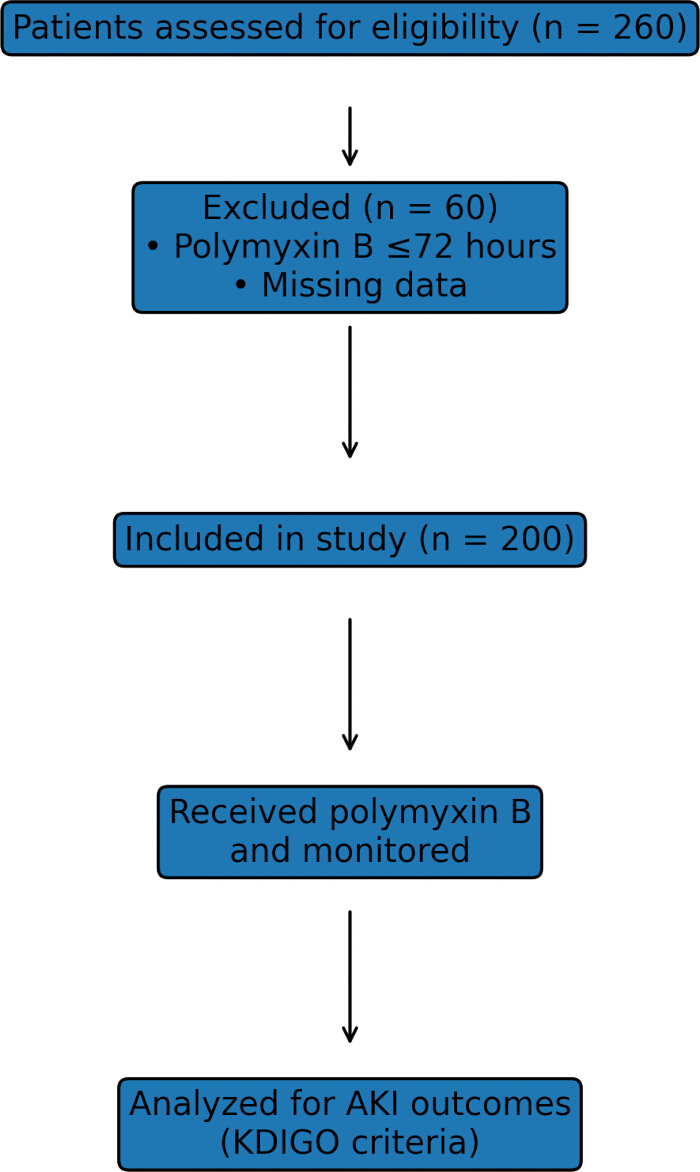
Figure 1: Study workflow diagram Please click here to view a larger version of this figure.
Flow diagram illustrating patient screening, exclusion, and final inclusion. A total of 260 patients were assessed, of which 60 were excluded due to polymyxin B duration ≤72 hours or missing data, resulting in 200 patients included for analysis. All included patients received polymyxin B and were monitored for AKI outcomes according to KDIGO criteria.
200 patients who had septic shock diagnosis were selected in the study and were admitted between January 2022 and December 2023. Infection was defined based on positive microbiological culture along with clinical signs of infection; colonization without symptoms was excluded. Of these, the nature and severity of participants were limited by the following criteria: age greater than 18 years old; no prior history of chronic renal failure or previous acute kidney injury; and microbiologically confirmed, hospital-acquired multidrug-resistant gram-negative infections. Septic shock was defined according to Sepsis-3 criteria as the requirement of vasopressors to maintain mean arterial pressure ≥ 65 mmHg and serum lactate > 2 mmol·L-1 despite adequate fluid resuscitation. All participants were administered polymyxin B intravenously as a part of the antimicrobial therapy because they were colonized or infected by MDR organisms predominantly including CR-gNB. The duration from starting polymyxin B to the first culture results, ranged from 3 to 72 h in the remaining 115 patients with three missing data on days of polymyxin B administration Patients receiving polymyxin B for ≤ 72 h were excluded retrospectively after treatment duration assessment to ensure adequate exposure for AKI evaluation and to reduce misclassification bias.
Sample size calculation
The sample size of 200 patients was calculated, assuming an expected AKI incidence of 25%, with a power of 80% and alpha error of 0.05 to detect significant predictors in multivariate regression analysis.
Intervention and dosage
The patient received polymyxin B by IV route as initial loading dose of 2.5 mg·kg-1 followed by a maintenance dose of 1.5 mg·kg·day-1 in divided doses each 12 h. It was done depending on patient tolerance and early renal function tests as required on patients’ doses. Polymyxin B therapy was given until the clearance of infection or a maximum of two weeks unless contraindicated clinically and microscopically.
Nursing measures
Nursing Measures: Nursing staff played an essential role in patient care, including regular monitoring of serum creatinine, urea, and GFR levels, accurate recording of fluid intake and output, early identification and reporting of symptoms of nephrotoxicity, administration of medications on time and in correct dosages, and educating patients and their families about AKI risk and nephrotoxic symptoms.
Nursing interventions were standardized across all ICU shifts using predefined clinical study based on KDIGO recommendations for AKI monitoring and critical care best practices. These included uniform documentation templates, hourly urine output monitoring via indwelling urinary catheters, and scheduled biochemical assessments at 24 h intervals. All nursing staff were trained prior to study initiation to ensure consistency in monitoring and reporting. The selected interventions are supported by established clinical guidelines emphasizing early detection and prevention of drug-induced nephrotoxicity.
Data collection
At the time of admission participants’ demographic and basic biochemical parameters were recorded baseline such as age, gender, BMI, admission SCr, urea, eGFR, and hepatic biochemical tests including both AST and ALT, APACHE-II scores. Percentage saturation and overall oxygen capacity, complete blood counts, packed cell volume, and red blood cell indices were also measured at baseline to determine the general physiological condition of the patients as well as their serum albumin levels and comprehensive biochemical parameters. Patients were asked about the presence of comorbidities like hypertension, diabetes, or ischemic heart disease and about nephrotoxin exposure defined as the use of medications like vancomycin, loop diuretics or other nephrotoxic drugs at this time. Data was recorded using standardized case report forms by trained ICU staff.
Dose adjustment criteria
Dose reduction was performed if serum creatinine increased by ≥ 0.3 mg·dL-1 within 48 h or ≥ 1.5 times baseline. Therapy was discontinued in KDIGO stage 3 AKI or upon initiation of renal replacement therapy.
Therapy duration
Treatment was discontinued upon microbiological clearance (negative culture) or clinical resolution of infection (normalization of temperature, hemodynamic stability), or after a maximum of 14 days.
Nephrotoxic drug exposure
Nephrotoxic drugs included aminoglycosides, vancomycin, loop diuretics, NSAIDs, radiographic contrast agents, and amphotericin B.
Baseline creatinine definition
Baseline creatinine was defined as the lowest serum creatinine value within 7 days prior to initiation of polymyxin B therapy.
Renal function monitoring
Kidney function was closely followed from the start of polymyxin B treatment up to seven days after the treatment. Urine output was measured hourly using indwelling urinary catheters and recorded in standardized ICU monitoring charts, ensuring accurate classification according to KDIGO urine output criteria. Four parameters of kidney function, serum creatinine urea, GFR for each patient, and the urine output of the patients were measured for seven consecutive days. AKI was classified according to KDIGO AKI criteria based on serum creatinine changes and urine output. CKD was diagnosed according to the Kidney Disease Improving Global Outcomes (KDIGO) classification of AKI in three categories based on serum creatinine and urine output during the prior 48 h. Stage 1 was defined by an increase in the serum creatinine of 1.5–1.9 fold, or an increase of ≥ 0.3 mg·dL-1; stage 2 was a 2.0–2.9 fold increase in serum creatinine; while stage 3 was either a ≥ 3 fold increase in serum creatinine and/or a blood creatinine level of ≥ 4 mg·dL-1 who started on RRT.
Statistical analysis
Data were analyzed employing the SPSS statistical package. Quantitative data of programmed variables like age, BMI, scr, urea and GFR were presented by measures of central tendencies in form of mean ± SD. Regarding categorical data, gender and presence of comorbidities were presented as percentage. Kolmogorov-Smirnov test was employed so as to compare the normality of the data. For comparing the outcome results between patients with and without AKI though the comparison of population proportions; Pearson chi square test or Fisher’s exact test was used where appropriate among the categorical variables while a Mann Whitney U test was used where appropriate among continuous variables that did not meet the normality test. Variables with p < 0.1 in univariate analysis were included in multivariate logistic regression. Confounders such as APACHE-II score and comorbidities were adjusted. Multivariate logistic regression analysis was used to determine independent predictors of polymyxin B-associated AKI, with OR and 95% CI determining strength of the association. Comparisons’ statistical significance is considered at p < 0.05. Continuous variables are presented as mean ± standard deviation (SD), and all statistical tests used for significance determination are explicitly described in the Methods section, ensuring reproducibility and transparency of analysis.
Study outcomes
The primary endpoint was the rate of AKI during polymyxin B administration or within 1 week following polymyxin B use and was classified using the KDIGO criteria. Secondary endpoints were to determine the pattern of risk factors relating to polymyxin B nephrotoxicity using demographic, biochemical and clinical variables and the possible effect of other nephrotoxic drugs. AKI was assessed during treatment and up to 7 days post-therapy.
Ethical considerations
The study ensured that it only conducted in accordance with the principles of the Declaration of Helsinki. All data was kept anonymous, included in databases, and patients’ information remained confidential at all times. The Nanjing First Hospital, Nanjing Medical University ethics committee granted approval of the protocol and the consent form before they were read and understood by all the participants or their family in case of the ward patients. Ethical approval was obtained (Approval No: KY20211210-03).
Access restricted. Please log in or start a trial to view this content.
Results
Incidence of AKI
A total of 200 patients were evaluated. Mean age of the patients was 68.3 years with 59% of the patients being males. Mean BMI was 24.9 Kg·(m2)-1. Current incidence of AKI was 25%. Mean Urea (mg·dL-1), Creatinine (mg·dL-1), AST (U·L-1), ALT (U·L-1) and GFR levels were found to be 89.2, 1.1, 26.2, 27.1 and 89.5 respectively. It was seen that higher BMI, raised urea levels, raised creatinine level...
Access restricted. Please log in or start a trial to view this content.
Discussion
The findings demonstrate that AKI occurred in 25% of patients, with significant associations observed for higher baseline body mass index, elevated urea and creatinine levels, reduced glomerular filtration rate, presence of comorbidities, and concomitant nephrotoxic drug exposure.
Common challenges include variability in urine output measurement and incomplete documentation of nephrotoxic drug exposure. These can be addressed through strict ICU monitoring study and standardized case report for...
Access restricted. Please log in or start a trial to view this content.
Disclosures
The authors declare that they have no financial conflicts of interest.
Data availability: All raw data generated and analyzed during this study have been deposited in an institutional repository and can be freely available on request. (https://doi.org/10.5281/zenodo.20390854)
Materials
| Name | Company | Catalog Number | Comments |
|---|---|---|---|
| APACHE-II scoring software | IBM SPSS Statistics v25.0 | — | Used for patient severity scoring and statistical analysis |
| Automated biochemical analyzer | Beckman Coulter AU5800 (USA) | N/A | For biochemical and hepatic function tests |
| Complete blood count analyzer | Sysmex XN-1000 (Japan) | N/A | For hematological analysis (Hb, WBC, RBC indices) |
| KDIGO 2012 clinical criteria | Kidney Disease: Improving Global Outcomes | — | Used for AKI classification (Stages 1–3) |
| Patient monitoring system | Mindray BeneView T8 (Shenzhen, China) | N/A | Continuous hemodynamic and urine output monitoring |
| Polymyxin B sulfate for injection | Xian Janssen Pharmaceutical Co., Ltd. (China) | N/A | Administered intravenously as 2.5 mg/kg loading dose and 1.5 mg/kg/day maintenance dose |
| Serum creatinine and urea kits | Roche Diagnostics GmbH, Mannheim, Germany | 11875599 / 11875583 | Used for renal function monitoring |
| SPSS software | IBM, Armonk, NY, USA | Version 25.0 | For statistical analyses including logistic regression |
| Vasopressor agents (norepinephrine, dopamine) | Jiangsu Nhwa Pharmaceutical Co., Ltd. | N/A | Used to maintain MAP ≥ 65 mmHg in septic shock management |
References
- Eknoyan, G. Emergence of the concept of acute renal failure. Am J Nephrol. 22, (2002).
- Chertow, G. M., Burdick, E., Honour, M., Bonventre, J. V., Bates, D. W. Acute kidney injury, mortality, length of stay, and costs in hospitalized patients. J Am Soc Nephrol. 16, (2005).
- Uchino, S., Bellomo, R., Goldsmith, D., Bates, S., Ronco, C. An assessment of the RIFLE criteria for acute renal failure in hospitalized patients. Crit Care Med. 34, 1913-1917 (2006).
- Levy, E. M., Viscoli, C. M., Horwitz, R. I. The effect of acute renal failure on mortality: a cohort analysis. JAMA. 275, 1489(1996).
- Hoste, E. A., et al. RIFLE criteria for acute kidney injury are associated with hospital mortality in critically ill patients. Crit Care. 10, R73(2006).
- Thomas, R., et al. The use of polymyxins to treat carbapenem-resistant infections in neonates and children. Expert Opin Pharmacother. 20, 415(2019).
- Falagas, M. E., et al. Clinical use of intravenous polymyxin B for multidrug-resistant Gram-negative infections. J Glob Antimicrob Resist. 24, 342-359 (2021).
- Nguyen, M., Joshi, S. G. Carbapenem resistance in Acinetobacter baumannii and its importance. J Appl Microbiol. 131, 2715(2021).
- Tilahun, M., et al. Emerging carbapenem-resistant Enterobacteriaceae infections. Infect Drug Resist. 14, 4363-4374 (2021).
- Livermore, D. M., et al. Carbapenem-resistant enterobacterales terminology update. Clin Infect Dis. 71, 1776-1782 (2020).
- Willyard, C. The drug-resistant bacteria that pose the greatest health threats. Nature. 543, 15(2017).
- Omrani, A. S., et al. High-dose colistin therapy and nephrotoxicity. Ann Clin Microbiol Antimicrob. 14, 3(2015).
- Markou, N., et al. Intravenous colistin in critically ill patients. Crit Care. 7, 80-83 (2003).
- Kubin, C. J., Ellman, T. M., Phadke, V., Haynes, L. J., Calfee, D. P., Yin, M. T. Predictors of AKI with polymyxin B. J Infect. 65, 80-87 (2012).
- Ramasubban, S., Majumdar, A., Das, P. S. Safety of polymyxin B in severe sepsis. Indian J Crit Care Med. 12, 153-157 (2008).
- Bellomo, R., et al. Acute renal failure definition and outcomes. Crit Care. 8, R204-R212 (2004).
- Mehta, R. L., et al. Acute Kidney Injury Network report. Crit Care. 11, R31(2007).
- KDIGO Acute Kidney Injury Work Group. KDIGO Clinical Practice Guideline for Acute Kidney Injury. Kidney Int Suppl. 2, 1-138 (2012).
- Vanmassenhove, J., Vanholder, R., Nagler, E., Van Biesen, W. Biomarkers for AKI diagnosis. Nephrol Dial Transplant. 28, 254-273 (2013).
- Siew, E. D., Ware, L. B., Ikizler, T. A. Biological markers of AKI. J Am Soc Nephrol. 22, 810-820 (2011).
- Coca, S. G., Yalavarthy, R., Concato, J., Parikh, C. R. Biomarkers for AKI diagnosis. Kidney Int. 73, 1008-1016 (2008).
- Soni, S. S., Pophale, R., Ronco, C. New biomarkers for AKI. Clin Chem Lab Med. 49, 1257-1263 (2011).
- Basu, R. K., et al. Biomarkers after cardiac surgery. J Am Coll Cardiol. 64, 2753-2762 (2014).
- Katagiri, D., et al. Biomarker panel for AKI detection. J Crit Care. 28, 564-570 (2013).
- Katagiri, D., et al. Urinary biomarkers for AKI prediction. Ann Thorac Surg. 93, 577-583 (2012).
- Zhou, D., Li, Y., Lin, L., Zhou, L., Igarashi, P., Liu, Y. β-catenin in AKI. Kidney Int. 82, 537-547 (2012).
- Waikar, S. S., Betensky, R. A., Emerson, S. C., Bonventre, J. V. Gold standards in AKI biomarkers. J Am Soc Nephrol. 23, 13-21 (2012).
- Gaião, S., Cruz, D. N. Baseline creatinine in AKI. Nephrol Dial Transplant. 25, 3812-3814 (2010).
- Pickering, J. W., Endre, Z. H. Baseline creatinine challenges. Nephrol Dial Transplant. 26, 2056(2011).
- Pickering, J. W., Endre, Z. H. MDRD misclassification of AKI. Clin J Am Soc Nephrol. 5, 1165-1173 (2010).
- Tsuji, B. T., et al. Polymyxin guidelines. Pharmacotherapy. 39, 10-39 (2019).
- Nang, S. C., et al. Polymyxin challenges. Pharmacol Rev. 73, 679-728 (2021).
- Wang, J., Niu, H., Wang, R., Cai, Y. Colistin meta-analysis. Int J Antimicrob Agents. 53, 383-400 (2019).
- Patek, T. M., Teng, C., Kennedy, K. E., Alvarez, C. A., Frei, C. R. AKI pharmacovigilance study. Drug Saf. 43, 17-22 (2020).
- Jia, X., Guo, C., Yin, Z., Zhang, W., Du, S., Zhang, X. Polymyxin B AKI risk factors. Infect Drug Resist. 15, 1957-1965 (2022).
- Özkarakaş, H., et al. Polymyxin B nephrotoxicity. Cureus. 15, e44301(2023).
Access restricted. Please log in or start a trial to view this content.