In this study, 103 hospitalized patients with cirrhosis complicated by upper gastrointestinal bleeding were randomly divided into a basic nursing group and an evidence-based nursing group. Based on risk stratification at different time points, we found that evidence-based nursing can effectively enhance patients' self-care capacity and quality of life, promote recovery, and improve nursing satisfaction.
Research Article
Effectiveness of Risk-Stratified Evidence-Based Nursing at Different Time Points in Cirrhosis with Upper Gastrointestinal Bleeding
Opens in a new tab
In This Article
Summary
Loading...
$$\rightleftharpoonup{xx}$$
$$\longleftharp{xx}$$,
$$\longrightharp{xx}$$,
Abstract
Loading...
$$\rightleftharpoonup{xx}$$
$$\longleftharp{xx}$$,
$$\longrightharp{xx}$$,
To explore the application effect of evidence-based nursing intervention under different time risk scores in patients with liver cirrhosis complicated by upper gastrointestinal bleeding (UGIB). 103 patients with cirrhosis complicated by UGIB hospitalized (June 1, 2024 to January 1, 2025) were enrolled. They were pseudo-randomly divided into a study group (n = 52) and a control group (n = 51) according to the odd–even order of enrollment (odd numbers assigned to the study group, even numbers to the control group). The control group received basic nursing care, whereas the study group received evidence-based nursing interventions guided by time-dependent risk stratification; 100 valid cases were ultimately included for analysis. The primary outcome was self-care ability, assessed using the exercise of self-care agency scale (ESCA). Secondary outcomes included quality of life, treatment efficacy, nursing satisfaction, and complication rates. Between-group comparisons were performed using t-tests and chi-square tests as appropriate. To control for Type I error due to multiple comparisons, the Bonferroni correction was applied, with statistical significance set at P < 0.01 for secondary outcomes. Following the intervention, the study group demonstrated significantly higher scores than the control group in operational skills (41.38 ± 4.62 vs. 33.06 ± 3.89, P < 0.001), health knowledge level (55.16 ± 6.49 vs. 50.38 ± 7.55, P = 0.001), and self-concept (25.38 ± 2.06 vs. 20.78 ± 1.95, P < 0.001). Additionally, the study group exhibited superior outcomes in the physical (62.68 ± 9.52 vs. 56.64 ± 8.08, P = 0.001), psychological (61.80 ± 6.87 vs. 52.80 ± 7.46, P < 0.001), and environmental (65.20 ± 7.22 vs. 59.28 ± 9.21, P < 0.001) domains of quality of life. Furthermore, the study group achieved higher treatment efficacy (84.0% vs. 64.0%, P = 0.023) and nursing satisfaction (94.0% vs. 78.0%, P=0.021) than the control group. The results showed that, based on risk stratification at different time points, evidence-based nursing can effectively enhance patients' self-care capacity and quality of life, promote recovery, and improve nursing satisfaction.
Introduction
Loading...
$$\rightleftharpoonup{xx}$$
$$\longleftharp{xx}$$,
$$\longrightharp{xx}$$,
Liver cirrhosis is a chronic hepatic disease characterized by progressive, diffuse impairment of the liver secondary to extensive hepatocyte degeneration and necrosis, accompanied by diffuse proliferation of fibrous tissue and eventual formation of regenerative nodules and pseudolobules, leading to disruption of normal liver architecture and vascular anatomy1. Major etiologies include viral infections (e.g., hepatitis B virus and hepatitis C virus), alcohol, drugs and toxins, and autoimmune diseases; among these, viral hepatitis remains the primary cause in China, whereas alcoholic cirrhosis is more prevalent in Western countries2. As a chronic and progressively deteriorating condition, advanced-stage cirrhosis may lead to various complications, including hepatic failure, hepatic encephalopathy, portal hypertension, and upper gastrointestinal bleeding (UGIB). Among these, UGIB is not only one of the most critical complications in the progression of cirrhosis but also a key contributor to patient mortality3. This bleeding can rapidly induce acute peripheral circulatory failure. Given that patients with cirrhosis often present with hypersplenism and coagulation dysfunction, those complicated with gastrointestinal hemorrhage face an elevated risk of fatality4.
Liver cirrhosis complicated by UGIB is a critical factor contributing to in-hospital mortality among affected patients. Studies indicate that approximately one-third of individuals with cirrhosis experience UGIB during the course of the disease, constituting a significant risk factor for death5. These patients often face prolonged hospitalization, high rates of complications, and poor prognoses6, which collectively contribute to negative emotional states, such as loneliness, anxiety, depression, and feelings of worthlessness7. Consequently, it has been increasingly recognized in recent years that cirrhosis with UGIB is not only an organic disorder but also a condition with profound psychological implications, severely impacting patients' quality of life and recovery outcomes8.
Therefore, for patients with severe cirrhosis complicated by gastrointestinal bleeding (GIB), timely and effective nursing interventions are crucial. However, traditional routine nursing care often fails to meet the specific needs of patients at different stages of the disease. Consequently, exploring more scientific and rational nursing models to improve the quality of care and patient outcomes has become an important topic in clinical nursing. Evidence-based nursing emphasizes the integration of clinically proven protocols with practical experience to deliver personalized and targeted care services9. A previous study10 proposed that evidence-based nursing guided by time-phased risk stratification further incorporates a risk scoring system on the basis of evidence-based principles. This approach assesses the risk of UGIB at different time points, enabling the development of more precise and effective nursing interventions. This model not only enhances the targeting and predictability of nursing care but also effectively reduces the incidence of complications10.
However, existing studies on evidence-based nursing guided by time-phased risk stratification in patients with cirrhosis and UGIB remain limited. Most available research focuses on static risk assessment at a single time point, with few studies employing dynamic risk stratification across different phases of hospitalization. Furthermore, the specific content of nursing interventions, the timing of implementation, and the criteria for adjusting strategies based on risk level have not been standardized. There is also a lack of high-quality studies systematically evaluating the effects of this nursing model on patient-centered outcomes, such as self-care capacity, quality of life, and nursing satisfaction. Therefore, this study recruited patients with cirrhosis complicated by UGIB as the research participants, aiming to explore the effects of evidence-based nursing guided by risk stratification at different time points.
Protocol
Loading...
$$\rightleftharpoonup{xx}$$
$$\longleftharp{xx}$$,
$$\longrightharp{xx}$$,
The study was approved by the Ethics Committee of Beijing You'an Hospital, Capital Medical University (Approval No. LL-2023-176-K), and written informed consent was obtained from all participants or their legal guardians.
Nursing staff
All nursing staff involved in the study received unified standardized training (8 h of theoretical learning + 4 h of clinical simulation) on time-phased risk stratification and evidence-based nursing protocols before the study, and passed the assessment (operation accuracy ≥ 95%) to ensure consistent implementation of interventions. A dedicated nursing quality control group (two senior nurses + one attending physician) was established to conduct random spot checks (3 times a week) on the implementation of nursing measures, to correct unqualified operations in a timely manner, and to record them.
Study participants
Using convenience sampling, a total of 103 patients with cirrhosis complicated by UGIB hospitalized at our institution between June 1, 2024, and January 1, 2025, were prospectively enrolled. Based on the order of enrollment (odd numbers assigned to the study group, even numbers to the control group), participants were divided into a study group (n = 52) and a control group (n = 51) (see Figure 1).
Inclusion and exclusion criteria
The inclusion criteria were as follows: (1) previous history of liver disease; (2) diagnosis of liver cirrhosis confirmed by clinical biochemical and imaging examinations; (3) presence of hematemesis or melena prior to admission, or three consecutive positive fecal occult blood test (FOBT) results; (4) clear consciousness within 24 h after admission; and (5) voluntary provision of informed consent.
The exclusion criteria included (1) presence of severe damage to other vital organs, (2) development of severe complications such as hepatic encephalopathy (grade 3–4) or hepatorenal syndrome within 24 hours after admission, and (3) coexisting systemic diseases or malignant tumors.
Ther termination criteria included the following: (1) voluntary withdrawal from the study by the patient; (2) uncontrolled or recurrent bleeding: persistent hematemesis or melena despite standardized treatment (e.g., pharmacotherapy, endoscopy, transjugular intrahepatic portosystemic shunt [TIPS]), or recurrence of active bleeding within 72 h after initial hemostasis; (3) unstable vital signs or hemorrhagic shock: persistent hypotension (e.g., systolic blood pressure < 90 mmHg), tachycardia (heart rate > 100 beats/min) refractory to correction, or manifestations of shock such as impaired consciousness; (4) severe complications or organ failure: occurrence of hepatic encephalopathy (Grade III–IV), hepatorenal syndrome, infections (e.g., spontaneous bacterial peritonitis), multiple organ dysfunction syndrome, or exacerbation of hepatic encephalopathy, deterioration of liver function, or stent stenosis after TIPS; and (5) death of the participant.
Diagnostic criteria
The diagnostic criteria were as follows: (1) diagnosis of liver cirrhosis was performed with reference to the Guidelines for the Diagnosis and Management of Liver Cirrhosis11: histopathological confirmation of cirrhosis; (2) endoscopic evidence of esophagogastric or ectopic varices, with exclusion of non-cirrhotic portal hypertension; (3) imaging findings (ultrasonography, liver stiffness measurement [LSM], or computed tomography) demonstrating cirrhotic features or signs of portal hypertension, including splenomegaly, portal vein diameter ≥ 1.3 cm, or LSM values meeting etiology-specific diagnostic thresholds for cirrhosis; (4) for cases lacking histopathological, endoscopic, or imaging confirmation, fulfillment of any two of the following four criteria applied: (i) platelet count < 100 × 109/L unexplained by other causes, (ii) serum albumin < 35 g/L after excluding malnutrition or renal disorders, (iii) international normalized ratio > 1.3 or prolonged prothrombin time (following ≥7 days' discontinuation of thrombolytics/anticoagulants), and (iv) aspartate aminotransferase-to-platelet ratio index > 2 in adults, with consideration given to potential confounding by hepatoprotective medications.
Regarding the diagnostic criteria for cirrhosis complicated by GIB, the diagnosis was established in accordance with the Guidelines for the Prevention and Treatment of Esophagogastric Variceal Bleeding in Liver Cirrhosis with Portal Hypertension12. The condition can be readily diagnosed based on clinical manifestations and laboratory findings, including hematemesis, melena, a positive FOBT, decreased hemoglobin and red blood cell counts, and elevated blood urea nitrogen levels. However, differentiation from lower GIB remains essential. In cases of massive UGIB with rapid hemorrhage, hematochezia may occur; such cases can be confirmed through emergency endoscopy with simultaneous endoscopic hemostasis, or via endoscopic examination following stabilization of vital signs. When slow bleeding occurs in the small intestine or proximal colon, prolonged intestinal transit time of blood may also result in melena; such cases require exclusion of UGIB before investigating potential lower GIB sources13. For etiological diagnosis of UGIB, endoscopic confirmation is mandatory to identify esophagogastric varices, peptic ulcers, or portal hypertensive gastropathy.
Study methods
The control group received standardized nursing care for patients with cirrhosis complicated with UGIB, which included the following procedures. (1) During the acute bleeding phase (within 72 h of bleeding onset), patients were kept nil per os; for those experiencing massive hematemesis (vomiting blood volume ≥ 200 mL/time), oral care was provided with 0.9% normal saline gauze swabs once every 2 h, and oral hygiene guidance was recorded in the nursing document. (2) For patients with frequent hematochezia (≥3 times/day), caregivers were guided to cleanse the perianal skin with 0.9% normal saline at 38 °C–40 °C after each defecation and dry the skin with soft absorbent paper to maintain cleanliness and dryness, thereby preventing eczema. (3) Patients were educated on standardized dietary protocols: following hemostasis (no hematemesis/melena for 24 h), the diet was progressed from cool liquid (temperature 20 °C –25 °C) to semi-liquid and easily digestible diets every 24 h, with the daily food volume controlled at 500–800 mL in the initial stage and gradually increased. (4) Constipated patients were advised to report promptly to physicians, with lactulose oral solution used as the first-choice laxative (starting dose = 10 mL/time, 3 times/day); patients with severe bleeding (systolic blood pressure < 90 mmHg or hemoglobin < 70 g/L) were instructed to maintain strict bed rest until vital signs stabilized for 48 h, then perform gradual passive and active ambulation under the guidance of nurses.
The study group received evidence-based nursing interventions guided by time-phased risk stratification in addition to the standard care provided to the control group. The specific implementation protocol was as follows.
Formulation of nursing protocol:
Using "liver cirrhosis" AND "GIB" AND "evidence-based nursing" as keywords, comprehensive systematic searches were conducted in the PubMed, Web of Science, China National Knowledge Infrastructure, and Wanfang databases (retrieval time: January 2019–May 2024), identifying 57 relevant domestic and international publications. Three researchers (two master's degree nurses + one gastroenterologist) independently reviewed the articles according to the Joanna Briggs Institute evidence evaluation criteria (including study design, sample size, research quality) and selected 25 high-quality studies (level 1–2 evidence) through a voting process (unanimous approval for inclusion) to serve as the evidence base for nursing practice. The team then synthesized the extracted evidence on cirrhosis complicated by UGIB, combined it with our hospital's clinical practice, and developed a step-by-step, standardized, evidence-based nursing intervention manual (including operational steps, parameter standards, time nodes, and evaluation criteria) by integrating clinical case-specific considerations14. The evidence and corresponding standardized operation measures are as follows.
Basic nursing and emergency measures:
Positioning and airway management: Absolute bed rest is required during the acute bleeding phase, with patients positioned supine and the head turned laterally to prevent aspiration of vomited blood; the lower limbs should be slightly elevated to augment venous return and improve cerebral perfusion. Airway patency must be maintained by prompt clearance of oral/nasal vomitus, suctioning as needed, and oxygen administration (2–4 L/min) to correct hypoxia.
Fluid resuscitation and transfusion management: Rapid fluid resuscitation necessitates establishing dual intravenous access, prioritizing crystalloid solutions (e.g., normal saline) to avoid exacerbating ascites with colloids; infusion rates should be titrated based on blood pressure and urine output to prevent pulmonary edema. Transfusion principles dictate using fresh whole blood or packed red blood cells for hemorrhagic shock while avoiding stored blood to minimize the risk of hepatic encephalopathy; normal saline flushes should precede and follow transfusions, and transfusion sets should be replaced every 24 h.
Hemostatic interventions: Pharmacological hemostasis involves administering agents such as somatostatin or octreotide per medical orders to reduce portal pressure, accompanied by vigilant monitoring for adverse effects (e.g., bradycardia, abdominal pain). Sengstaken–Blakemore tube tamponade is reserved for pharmacologically refractory bleeding, mandating pre-procedural balloon integrity verification and limiting compression duration to ≤24 h to reduce mucosal necrosis risk.
Health education:
Dietary guidance: Patients should maintain a fasting state during the active bleeding phase. Upon achieving hemostasis, the diet should be gradually transitioned to a soft, high-calorie, high-vitamin, low-protein diet, avoiding rough or irritant foods. Patients with portal hypertension should restrict sodium intake to 2 g per day.
Lifestyle modification: Smoking and alcohol cessation should be implemented, and activities that increase intra-abdominal pressure should be avoided (e.g., vigorous coughing, straining during defecation); regular monitoring of liver function and endoscopic surveillance should be scheduled, educating patients to recognize bleeding signs (e.g., melena, dizziness).
Complication prevention and management:
Hepatic encephalopathy prophylaxis: Protein intake should be restricted by suspending dietary protein during active bleeding and gradually reintroducing it post-hemostasis (prioritizing plant-based proteins) to prevent hyperammonemia; regular bowel movements should be maintained using lactulose enemas as indicated. Infection control entails rigorous oral and skin care, temperature monitoring, and prevention of spontaneous bacterial peritonitis.
Nutritional support: Enteral nutrition by early oral intake resumption should be prioritized when clinically stable, or nasogastric feeding if oral intake is impossible, to prevent intestinal mucosal atrophy; formulations should be low-fat with high-branched-chain amino acids to minimize hepatic metabolic load. This should be supplemented with parenteral nutrition for severe malnutrition or intestinal dysfunction, along with monitoring of electrolyte balance.
Patient grouping by hemorrhagic risk:
In accordance with the 2020 Expert Consensus on Emergency Management of Acute GIB15, comprehensive longitudinal patient assessments were performed using hemorrhagic risk stratification. Based on Wu Guoshun's findings, the Glasgow-Blatchford Score (GBS) system demonstrates superior performance over the Rockall Score and IMS65 in predicting rebleeding rates and need for endoscopic intervention in GIB16. Consequently, GBS assessment (parameters included blood urea nitrogen, hemoglobin, systolic blood pressure, pulse, melena, syncope, liver disease, and heart failure) was implemented by attending physicians to stratify bleeding risk in the observation cohort upon admission, during resuscitation, and throughout hospitalization. Patients were categorized into three risk tiers: low-risk (≤6 points), intermediate-risk (7–9 points), and high-risk (≥10 points). High-risk patients were transferred to intensive care units (ICUs); intermediate-risk patients were assigned to beds proximal to nursing stations for timely monitoring; and low-risk patients were placed in quiet general wards to ensure rest. In this study, patient assessments were conducted every 3 days to facilitate the dynamic adjustment of nursing care strategies.
Nursing interventions:
Upon admission and during resuscitation, an initial GBS assessment was performed concurrently with standard emergency care. The situation, background, assessment, recommendation (SBAR) communication model—a structured clinical communication tool—was utilized for comprehensive shift handovers at each nursing shift change (three times daily: 08:00, 16:00, and 00:00). Each handover was conducted by the outgoing bedside nurse to the incoming bedside nurse, with the head nurse or a designated senior nurse overseeing the process to ensure completeness and accuracy. Each handover included the patient's status, medication regimens, psychosocial support status, and psychological changes to ensure a holistic clinical understanding. This protocol enabled early warning identification based on vital signs and clinical deterioration, clarified disease progression trajectories, and facilitated timely recognition of rebleeding risks and potential complications17. Standard emergency care for patients with cirrhosis complicated by UGIB primarily includes immediate assessment of vital signs, establishment of intravenous access for fluid resuscitation, administration of vasoactive medications (e.g., somatostatin or octreotide) as ordered, nil per os status, and preparation for potential endoscopic intervention or blood transfusion.
Nutritional interventions based on rebleeding risk: For low-risk patients, nil per os status was maintained for 48 h with parenteral nutrition support, followed by administration of small volumes of lukewarm water (avoiding hot or icy liquids to prevent rebleeding/diarrhea) during 48–72 h. After confirming gastrointestinal tolerance without discomfort, gradual dietary advancement was initiated, starting with clear liquids (e.g., lotus root starch solution, protein powder, specialized nutrient formulations, rice broth), progressing to semi-liquids (e.g., soft noodles, vegetable soup, congee), then advancing to soft solids (e.g., dumplings, tofu, steamed egg custard). Patients at intermediate/high risk require strict nil per os with initial intravenous nutrition. Those undergoing gastric decompression or Sengstaken-Blakemore tube placement received twice-daily oral care to reduce halitosis from hematemesis, alleviate thirst, and minimize oral discomfort (all maneuvers must be gentle to avoid gag reflex-induced rebleeding). For non-intubated patients, saline or chlorhexidine mouth rinses were performed to maintain mucosal hydration/cleanliness, thereby preventing xerostomia-related fissures/ulcers and reducing the risk of oral infection.
Blood transfusion management and rebleeding assessment: During hospitalization, transfusion necessity and volume were determined per the 2020 Expert Consensus on Emergency Management of AcuteGIB18. Transfusion of whole blood or packed red blood cells was prepared per medical orders, with infusion rates adjusted according to bleeding severity to prevent abrupt hypertension-induced rebleeding. The nursing staff strictly monitored the vital signs and performed GBS scoring every day (every 24 h); GBS scoring was conducted by the patient's primary responsible nurse, with results reviewed and verified by the head nurse or a designated physician to ensure accuracy and consistency. If the score decreased to the low-risk level, combined with clinical indicator changes (e.g., stool color change from black to yellow, stabilization of vital signs, and normalization of reticulocyte levels), it indicated that the patient had no further bleeding. The score was reduced to a low risk if the patient's stool color gradually changed from black to yellow, the vital signs gradually became stable, the heart rate decreased to the normal range, the blood pressure was higher than that at admission, and the reticulocyte count gradually changed from rising to normal, indicating that the patient did not experience rebleeding.
Complication prevention: Patients with cirrhosis and acute UGIB face substantial risks beyond rebleeding, including infections, hepatic encephalopathy, ascites, abdominal distension, and electrolyte imbalances. These complications prolong hospitalization and increase healthcare expenditures. Evidence-based anticipatory interventions can significantly reduce UGIB complication rates19.
Rehabilitation guidance: For clinically stable discharged patients, structured rehabilitation plans were developed through active patient and family engagement. The plans encompassed motor rehabilitation exercises, daily activity regimens, dietary self-management, and post-discharge nutritional/health monitoring protocols20.
Data collection
Data were collected for both patient groups from admission to intervention through 1 month after discharge. The collected data included demographic/clinical characteristics, therapeutic efficacy at discharge, nursing satisfaction (assessed by standardized questionnaires administered at discharge), and complication profiles during intervention, alongside pre-intervention and discharge assessments using the World Health Organization Quality of Life-100 (WHOQOL-100) scale and the Exercise of Self-Care Agency (ESCA) scale (the primary outcome). To minimize the risk of Type I error associated with multiple comparisons, the Bonferroni correction was applied. Secondary outcomes were considered statistically significant only when P < 0.01, whereas the primary outcome retained a significance level of P < 0.05.
To minimize detection bias, outcome assessors responsible for evaluating treatment efficacy, nursing satisfaction, WHOQOL-100 scores, and ESCA scores were blinded to group allocation. However, due to the nature of the nursing intervention, it was not feasible to blind the patients or the nursing staff delivering the intervention.
Treatment outcomes were assessed as follows: markedly effective—resolution of hematemesis and melena within 12–24 h of treatment, with normalized blood pressure and pulse, 1–2 daily bowel movements transitioning to brown or yellow coloration, and three consecutive negative FOBTs at 48 h post-treatment; effective—cessation of hematemesis and melena within 24–48 h, stable vital signs (blood pressure/pulse), 2–3 daily bowel movements, and three consecutive negative FOBT results at 72 h; and ineffective—persistent hematemesis/melena beyond 48 h, accompanied by nausea/vomiting, unstable vital signs, and frequent bowel movements.
Quality of life was evaluated using the WHOQOL-100 instrument21 at enrollment and prior to discharge. This scale comprises four domains: psychological, physical, social relationships, and environmental, each scored on a 0–100 scale, with higher scores indicating better quality of life.
The ESCA scale, originally developed by Kearney and Fleischer, was used to assess hospitalized patients' self-care capacity. This 43-item instrument comprises four dimensions: self-care operational skills, self-care responsibility, self-concept, and health knowledge level, with higher scores indicating superior self-care capacity22. For this study, its reliability and validity were tested in a small sample of patients with cirrhosis complicated by UGIB. Using random sampling, 30 eligible patients were surveyed, with questionnaires collected immediately upon completion (distribution: 30; return: 30; response rate: 100%). Items were rated on a 5-point Likert scale (0 = “very uncharacteristic of me”; 1 = “somewhat uncharacteristic”; 2 = “neutral”; 3 = “somewhat characteristic”; 4 = “very characteristic”). The results demonstrated a Cronbach's alpha (α) of 0.970 for the full scale and a Guttman split-half coefficient exceeding 0.9.
The Newcastle satisfaction with nursing scale was used to assess patients' satisfaction with nursing care. This 19-item instrument evaluates satisfaction across several dimensions, including nursing competence, communication attitude, psychological support, nursing care provision, and safety management. Items are rated on a 1–5 scale, yielding a total score ranging from 19 to 95, with satisfaction levels categorized as follows: ≥77 = "very satisfied," 58–76 = "satisfied," 39–57 = "moderately satisfied," and ≤38 = "dissatisfied." The satisfaction rate was calculated as follows: (number of very satisfied + satisfied + moderately satisfied) ÷ total respondents × 100%.
All data collectors received unified training (4 h) and passed the assessment (data-collection accuracy ≥ 95%) to ensure consistent data collection. The nursing quality control group regularly checked the completion and accuracy of data forms (once a week), and the incomplete/inaccurate data were supplemented/corrected in a timely manner.
Statistical analysis
Statistical analyses were performed using an appropriate statistical analysis software (e.g., SPSS 26.0). Normality was assessed using the Kolmogorov-Smirnov test. Normally distributed continuous data are presented as mean ± standard deviation (x ± s), with paired comparisons analyzed using paired t-tests and group comparisons using independent samples t-tests. Categorical data are expressed as frequencies (n) or percentages (%), analyzed using the chi-square test or Fisher's exact test as appropriate. A two-tailed P-value <0.05 was considered statistically significant. Post hoc power analysis using G*Power indicated that, for all analyses in this study, with a current sample size and an α level of 0.05, statistical power ranged from 77% to 85%.
Results
Loading...
$$\rightleftharpoonup{xx}$$
$$\longleftharp{xx}$$,
$$\longrightharp{xx}$$,
Baseline characteristics
During the intervention, 2 participants in the study group and 1 in the control group withdrew due to personal reasons. Consequently, 50 valid cases were analyzed in each group. The results showed that the study group comprised 21 women and 29 men, with a mean age of 45.56 ± 7.04 years; the control group included 23 women and 27 men, with a mean age of 45.24 ± 6.91 years. No statistically significant differences were observed between the two groups in terms of gender, age, occupation, or educational level (all P > 0.05), as detailed in Table 1.
Primary outcome
Following the intervention, the study group demonstrated significantly higher scores in ESCA-assessed self-care capacity, with statistically significant differences in operational skills (41.38 ± 4.62 vs. 33.06 ± 3.89, P < 0.001), health knowledge level (55.16 ± 6.49 vs. 50.38 ± 7.55, P = 0.001), and self-concept (25.38 ± 2.06 vs. 20.78 ± 1.95, P < 0.001), all meeting the prespecified significance level of P < 0.05 for the primary outcome, as detailed in Table 2.
Secondary outcomes
Quality of life
Quality of life (WHOQOL‑100) showed significant improvements in the study group across physical, psychological, and environmental domains (all P < 0.001), meeting the Bonferroni‑adjusted threshold of P < 0.01. Results indicated no statistically significant differences between the two groups in the physical, psychological, social relationships, or environmental domains prior to the intervention (all P > 0.05). Following the intervention, the study group demonstrated significantly higher scores than the control group in the physical (62.68 ± 9.52 vs. 56.64 ± 8.08, P = 0.001), psychological (61.80 ± 6.87 vs. 52.80 ± 7.46, P < 0.001), and environmental (65.20 ± 7.22 vs. 59.28 ± 9.21, P < 0.001) domains. Compared with pre‑intervention baselines, both groups showed significant improvements in scores across all four domains following the intervention (all P < 0.05), as detailed in Table 3.
Treatment efficacy and complications
Treatment efficacy was higher in the study group (84.0% vs. 64.0%, P = 0.023). In the study group, 29 cases were markedly effective, 13 were effective, and 8 were ineffective, yielding an overall efficacy rate of 84.0%. In the control group, 21 cases were markedly effective, 11 were effective, and 18 were ineffective, resulting in an efficacy rate of 64.0%.
During the intervention, 3 complications occurred in the study group (1 case of secondary infection, 1 case of hepatic encephalopathy, and 1 case of rebleeding), and 6 complications occurred in the control group (2 cases of secondary infection, 1 case of hepatic encephalopathy, and 3 cases of rebleeding). The difference in the incidence of complications between the two groups was not statistically significant (P > 0.05), as detailed in Table 4.
Nursing satisfaction
Nursing satisfaction was higher in the study group (94.0% vs. 78.0%, P = 0.021). In the study group, 28 participants were "very satisfied," 14 were "moderately satisfied," 5 were "generally satisfied," and 3 were "dissatisfied," yielding a satisfaction rate of 94.0%. In the control group, 19 cases were "very satisfied," 13 were "moderately satisfied," 7 were "generally satisfied," and 11 were "dissatisfied," resulting in a satisfaction rate of 78.0% (Table 5). Although the difference did not reach the Bonferroni‑adjusted significance threshold for secondary outcomes (P < 0.01), the nominal P value was 0.021.
DATA AVAILABILITY:
All raw data generated or analyzed during this study have been uploaded as a supplementary file (Supplementary Table 1). The supplementary materials include de-identified individual participant data, data collection forms, and statistical analysis outputs in a spreadsheet format.
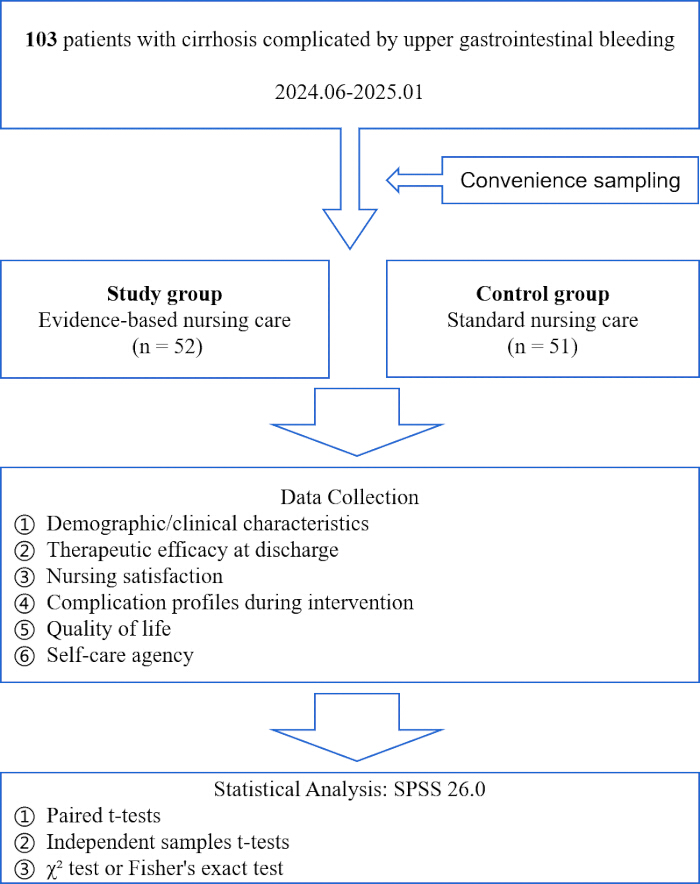
Figure 1: Research flowchart. Please click here to view a larger version of this figure.
| Item | Study group (n = 50) | Control group (n = 50) | P value |
| Gender (Female/Male) | 21/29 | 23/27 | 0.687 |
| Age (year) | 45.56 ± 7.04 | 45.24 ± 6.91 | 0.819 |
| Occupation | 0.550* | ||
| Farmer | 19 | 20 | |
| Worker | 12 | 17 | |
| Businessperson | 16 | 10 | |
| Other | 3 | 3 | |
| Educational Level | 0.243 | ||
| Primary school or below | 18 | 16 | |
| Secondary school or vocational secondary school | 24 | 19 | |
| College degree or above | 8 | 15 | |
| History of liver disease | 0.161 | ||
| >10 years | 30 | 23 | |
| ≤10 years | 20 | 27 | |
| Payment method | 1.000* | ||
| Medical insurance | 46 | 45 | |
| Out-of-pocket payment | 4 | 5 | |
Table 1: Baseline characteristics of participants. *Fisher's exact test was used.
| Item | Time | Study group (n = 50) | Control group (n = 50) | P value |
| Operational skills | Before intervention | 12.52 ± 2.76 | 11.42 ± 2.91 | 0.056 |
| After intervention | 41.38 ± 4.62* | 33.06 ± 3.89* | <0.001 | |
| Health knowledge level | Before intervention | 38.02 ± 6.25 | 37.86 ± 6.80 | 0.903 |
| After intervention | 55.16 ± 6.49* | 50.38 ± 7.55* | 0.001 | |
| Self-care responsibility | Before intervention | 18.28 ± 3.92 | 18.00 ± 4.17 | 0.73 |
| After intervention | 19.22 ± 4.85 | 18.92 ± 2.86 | 0.707 | |
| Self-concept | Before intervention | 13.54 ± 4.12 | 14.32 ± 3.70 | 0.321 |
| After intervention | 25.38 ± 2.06* | 20.78 ± 1.95* | 0.001 |
Table 2: Self-care capacity comparisons before and after intervention. *Significant difference compared with before intervention.
| Item | Time | Study group (n = 50) | Control group (n = 50) | P value |
| Physical field | Before intervention | 43.38 ± 7.43 | 41.56 ± 6.70 | 0.201 |
| After intervention | 62.68 ± 9.52* | 56.64 ± 8.08* | 0.001 | |
| Psychological field | Before intervention | 45.32 ± 6.77 | 44.48 ± 7.15 | 0.548 |
| After intervention | 61.80 ± 6.87* | 52.80 ± 7.46* | <0.001 | |
| Social relationships | Before intervention | 52.22 ± 8.12 | 50.90 ± 6.62 | 0.375 |
| After intervention | 67.34 ± 9.29* | 68.38 ± 7.82* | 0.546 | |
| Environmental field | Before intervention | 47.92 ± 6.72 | 48.94 ± 5.69 | 0.415 |
| After intervention | 65.20 ± 7.22* | 59.28 ± 9.21* | 0.001 |
Table 3: Comparison of quality of life before and after intervention. *Significant difference compared with pre-intervention levels.
| Item | Study group (n = 50) | Control group (n = 50) | P value |
| Efficacy | 0.023 | ||
| markedly effective/effective | 42 | 32 | |
| ineffective | 8 | 18 | |
| Complications | 3 | 6 | 0.487* |
Table 4: Efficacy and complications before and after intervention. *Fisher's exact test was used.
| Group | Very satisfied | Moderately satisfied | Generally satisfied | Dissatisfied | Satisfaction rate(%) |
| Study group (n = 50) | 28 | 14 | 5 | 3 | 94 |
| Control group (n = 50) | 19 | 13 | 7 | 11 | 78 |
| P value | 0.021 |
Table 5: Nursing satisfaction before and after intervention.
Supplementary Table 1: Raw data of this study.Please click here to download this file.
Discussion
Loading...
$$\rightleftharpoonup{xx}$$
$$\longleftharp{xx}$$,
$$\longrightharp{xx}$$,
Cirrhosis represents a chronic progressive diffuse liver disease, primarily characterized by diffuse hepatic parenchymal destruction with concomitant formation of pseudolobules and regenerative nodules. During its natural course, the disease may lead to severe complications, including hepatocellular carcinoma, hepatic encephalopathy, and GIB, with UGIB being particularly prevalent23. Cirrhosis-associated UGIB is recognized as a critical complication due to its high recurrence rate and substantial mortality. Its pathogenesis involves multiple factors, such as peptic ulcers, acute gastric mucosal lesions, and esophageal-gastric variceal bleeding, which collectively pose significant threats to patient survival. Consequently, integrating appropriate nursing interventions into the management of patients with cirrhosis complicated by UGIB is crucial for reducing mortality24. Affected individuals often endure prolonged treatment cycles, substantial healthcare expenditures, and unfavorable prognoses25, all of which markedly diminish their quality of life.
The management of cirrhosis complicated by GIB primarily involves medical conservative treatment or surgical interventions. However, these conventional approaches are associated with varying degrees of adverse effects. Due to the lack of effective non-pharmacological interventions, coupled with patients' detrimental habits and suboptimal self-management practices26, a subset of patients is prone to recurrence, leading to unfavorable prognoses, disease progression to hepatocellular carcinoma, or even the need for liver transplantation. Simultaneously, patients' fear of rebleeding and the anxiety associated with unfamiliar healthcare environments often manifest as poor adherence to medical advice, introducing multiple challenges for diagnosis, treatment, and nursing care. With the evolving healthcare delivery models in China, the average length of hospitalization for patients with cirrhosis complicated by GIB has decreased, and nursing satisfaction has improved27. Nevertheless, clinical practice continues to face persistent issues, such as the management of rebleeding and comorbid ascites28. Identifying strategies to ameliorate this situation remains a critical and pressing challenge worthy of further investigation.
This study demonstrates that implementing evidence-based nursing interventions guided by time-dependent risk stratification facilitates the enhancement of self-care capacity, improves quality of life, accelerates recovery, and increases nursing satisfaction among patients with cirrhosis and UGIB. Notably, a majority of patients with cirrhosis and GIB are frequently rehospitalized individuals who often present directly to general wards post-bleeding without emergency department triage, with some critically ill cases subsequently requiring transfer to ICUs—a process that may delay critical intervention29. When performing medical resuscitation and nursing care, failure to assess disease progression and rebleeding risk precludes effective proactive prevention. By adopting evidence-based nursing and quantitative risk scoring, high-risk patients are directly admitted to ICUs, and those with intermediate or low risk are appropriately placed in general wards, thereby avoiding treatment delays associated with inter-unit transfers. Concurrently, general ward staff can leverage their clinical experience and evidence-based resources to deliver individualized, targeted, constructive, and anticipatory care tailored to patients' specific risk profiles and clinical conditions.
During the initial phase of bleeding, patients often experience significant thirst due to prolonged fasting and insufficient fluid replacement, posing risks of malnutrition and delayed recovery. Through dietary plans formulated by a nutrition support team, individualized feeding timelines were established based on the magnitude of bleeding, and fundamental nursing care—including oral hygiene and mouth rinsing—was implemented to alleviate thirst and enhance comfort. Concurrently, the structured nutritional intervention integrated into the dietary regimen reduced nutritional risks, and appropriate dietary composition contributed to decreased rebleeding rates and lower incidence of complications and adverse events such as infections and metabolic disturbances.
Despite the observed improvements in self-care capacity, quality of life, and treatment efficacy, this study did not detect a statistically significant difference in the overall complication rate between the two groups. Several factors may account for this finding. First, the overall complication rate was relatively low in both groups, which may be attributable to the comprehensive standard care provided to the control group, potentially narrowing the observable gap. Second, the relatively small sample size and short intervention period may have limited the statistical power to detect differences in less frequent events such as rebleeding or hepatic encephalopathy. Third, the study was not specifically powered to evaluate individual complications, and pooling them into a composite outcome may have masked variations in intervention effects on specific adverse events. Future studies with larger sample sizes and longer follow-up periods are warranted to more accurately assess the impact of evidence-based nursing on complication-related outcomes.
This study has several limitations. First, all enrolled patients were recruited from a single center, which may introduce regional and demographic constraints. In addition, the relatively small sample size, short study duration, and restricted population diversity may limit the generalizability of the findings. Future investigations would benefit from larger sample sizes, greater geographic and demographic representation, and longer observation periods to enable more robust conclusions. Second, the randomization method—assignment based on odd or even admission order—does not constitute true randomization and may introduce selection bias. Third, the timing of outcome assessments was not uniform: treatment efficacy and nursing satisfaction were evaluated at discharge, whereas other indicators, such as quality of life and self-care capacity, were reassessed 1 month post-discharge. This inconsistency may introduce bias in interpreting the overall intervention effects and limit the ability to compare outcomes across different time points. Fourth, the use of convenience sampling further limits the cohort's representativeness and the external validity of the results. Subsequent studies should employ random or stratified sampling methods across multiple provinces and regions in China to enhance the generalizability and translational potential of the findings. Fifth, this study did not adjust for baseline variables or multiple tests across outcomes. Post hoc power analysis was used to interpret the results, which may introduce bias and exaggerate precision. These restrictions may affect the robustness of the research results. Sixth, outcome assessors were not blinded regarding subjective measures such as quality of life and nursing satisfaction. Although we attempted to blind assessors to group allocation during data collection, the absence of rigorous blinding procedures may introduce detection bias, particularly for outcomes that rely on patient-reported perceptions and rater judgment. Future studies should implement stricter blinding protocols, including the use of independent assessors unaware of treatment allocation, to enhance the validity of subjective outcome measurements.
In summary, evidence-based nursing guided by time-dependent risk stratification effectively enhances patients' self-care capacity and quality of life, facilitates recovery, and improves nursing satisfaction. Its clinical nursing outcomes are well demonstrated, warranting broader application and promotion by healthcare professionals.
Disclosures
Loading...
$$\rightleftharpoonup{xx}$$
$$\longleftharp{xx}$$,
$$\longrightharp{xx}$$,
The authors have no competing financial interests or other conflicts of interest pursuant to this work.
Materials
| Name | Company | Catalog Number | Comments |
|---|---|---|---|
| IBM SPSS Statistics | IBM Corp., Armonk, NY, USA | Version 26 | Used for statistical analysis |
References
Loading...
$$\rightleftharpoonup{xx}$$
$$\longleftharp{xx}$$,
$$\longrightharp{xx}$$,
- Chinese Society of Hepatology, Chinese Medical Association. Guidelines on the management of ascites in cirrhosis (2023 version). Zhonghua Gan Zang Bing Za Zhi. 31 (8), 813-826 (2023).
- Juanola, A., Pose, E., Ginès, P. Liver cirrhosis: ancient disease, new challenge. Med Clin (Barc). 164 (5), 238-246 (2025).
- de Abajo, F. J., et al. Upper gastrointestinal bleeding associated with NSAIDs, other drugs and interactions: a nested case-control study in a new general practice database. Eur J Clin Pharmacol. 69 (3), 691-701 (2013).
- Hamarneh, Z., Robinson, K., Andrews, J., Hunt, R., Fraser, R. Transfusion strategies in upper gastrointestinal bleeding management: a review of South Australian hospital practice. Intern Med J. 50 (5), 582-589 (2020).
- Costable, N. J., Greenwald, D. A. Upper gastrointestinal bleeding. Clin Geriatr Med. 37 (1), 155-172 (2021).
- Raţiu, I., et al. Acute gastrointestinal bleeding: a comparison between variceal and nonvariceal gastrointestinal bleeding. Medicine (Baltimore). 101 (45), e31543(2022).
- Maity, R., Dhali, A., Biswas, J. Importance of risk assessment, endoscopic hemostasis, and recent advancements in the management of acute non-variceal upper gastrointestinal bleeding. World J Clin Cases. 12 (24), 5462-5467 (2024).
- Labenz, C., et al. Health-related quality of life in patients with compensated and decompensated liver cirrhosis. Eur J Intern Med. 70, 54-59 (2019).
- Bai, W. H., Lu, Y., Liu, W. H., Miao, X. H., Zhang, H. M. Application of the flexible academic system management based on the credit system in the standardized training of nurses. J Nurs Sci. 38 (5), 66-70 (2023).
- Feng, X., Zhang, W. F., Yang, H. J., Wang, G. N., Fan, S. J. Application of evidence-based nursing under different time risk scores in patients with liver cirrhosis complicated with upper gastrointestinal bleeding. J Qilu Nurs. 29 (7), 72-76 (2023).
- Chinese Society of Hepatology, Chinese Medical Association. Chinese guidelines on the management of liver cirrhosis. Zhonghua Gan Zang Bing Za Zhi. 27 (11), 846-865 (2019).
- Hepatology Branch of Chinese Medical Association. Guideline for prevention and treatment of esophagogastric variceal bleeding in cirrhotic portal hypertension. Chin J Intern Med. 62 (1), 7-22 (2023).
- Zhuang, H. E. Analysis of prognosis-related risk factors of patients with acute upper gastrointestinal bleeding and the predictive value of AIMS65 score for the prognosis of patients with acute upper gastrointestinal bleeding. , Fujian Medical University. Master's Thesis (2016).
- Wang, J. H. Effect of targeted nursing combined with comfort nursing on rebleeding rate and mortality in patients with liver cirrhosis complicated with upper gastrointestinal bleeding. Int J Nurs. 39 (10), 1856-1858 (2020).
- The Emergency Physician Branch of the Chinese Medical Association. Expert consensus on emergency diagnosis and treatment of acute upper gastrointestinal bleeding (2020 edition). Chin J Emerg Med. 30 (1), 15-24 (2021).
- Wu, G. S. Prognostic value of GBS and AIMS65 score to acute gastrointestinal bleeding. China J Endosc. 22 (4), 71-76 (2016).
- Wang, C. P., Zhang, P., He, X. Application of targeted nursing based on risk assessment in patients with acute upper gastrointestinal bleeding. J Qilu Nurs. 27 (3), 1-4 (2021).
- Liu, H., Li, Y. X., Zhao, X. L. Effect of predictive nursing on quality of life, stress state and complications in patients with upper gastrointestinal bleeding. Chin J Sch Doctor. 36 (1), 58-60 (2022).
- Wu, X. Z. Effect of continuous self-management education on rehabilitation of patients with gastrointestinal bleeding. Anhui Med Pharm J. 18 (10), 2005-2006 (2014).
- The World Health Organization Quality of Life Assessment (WHOQOL): development and general psychometric properties. Soc Sci Med. 46 (12), 1569-1585 (1998).
- Yamashita, M. The exercise of self-care agency scale. West J Nurs Res. 20 (3), 370-381 (1998).
- Karadaş, A., Ergün, S., Kaynak, S. Relationship between missed nursing care and patients' trust in nurses and satisfaction with care: a cross-sectional study. Nurs Health Sci. 26 (3), e13149(2024).
- Ginès, P., et al. Liver cirrhosis. Lancet. 398 (10308), 1359-1376 (2021).
- Ueki, T., et al. Hepatocyte growth factor gene therapy of liver cirrhosis in rats. Nat Med. 5 (2), 226-230 (1999).
- Huang, Y. L. Effect of psychological nursing intervention on anxiety status of patients with liver cirrhosis complicated with upper gastrointestinal bleeding. Int J Nurs. 32 (7), 1552-1597 (2013).
- Zhao, Y. L. Effect of health education tips card in patients with esophageal cancer operation. J Clin Med Pract. 23 (4), 123-126 (2019).
- Nursing Working Group of Radiology Branch of Chinese Medical Association. Expert consensus on nursing management for patients with portal hypertension after transjugular intrahepatic portosystemic shunt. J Interv Radiol. 31 (2), 117-124 (2022).
- Casler, K., Chaney, A. Cirrhosis: an evidence-based approach. Nursing. 51 (2), 24-34 (2021).
- Afessa, B. Triage of patients with acute gastrointestinal bleeding for intensive care unit admission based on risk factors for poor outcome. J Clin Gastroenterol. 30 (3), 281-285 (2000).
Reprints and Permissions
Request permission to reuse the text or figures of this JoVE article
Request Permission