This retrospective study compared tacrolimus plus glucocorticoids versus cyclophosphamide in 112 pediatric lupus nephritis patients. Tacrolimus-based regimen showed higher remission rates, better renal and immune outcomes, and fewer adverse events, supporting its efficacy and safety in this population.
Research Article
Retrospective Comparative Study of Tacrolimus and Cyclophosphamide Treatment in Pediatric Lupus Nephritis
Corresponding Authors: Jinghua Di <jinghuadi68@hotmail.com>
* These authors contributed equally
Opens in a new tab
In This Article
Summary
Loading...
$$\rightleftharpoonup{xx}$$
$$\longleftharp{xx}$$,
$$\longrightharp{xx}$$,
Abstract
Loading...
$$\rightleftharpoonup{xx}$$
$$\longleftharp{xx}$$,
$$\longrightharp{xx}$$,
Lupus nephritis (LN) is a kidney injury caused by systemic lupus erythematosus (SLE) and can lead to serious impairment of renal function. Glucocorticoid (GC) combined with cyclophosphamide (CTX) is currently a commonly used treatment for LN; however, it is associated with several limitations, including a high proportion of refractory cases, a high recurrence rate after remission, and a long treatment cycle. The purpose of this study was to evaluate the safety and efficacy of Tacrolimus (Tac) combined with GC in the treatment of lupus nephritis.
This retrospective cohort study included 112 pediatric LN patients at Inner Mongolia Autonomous Region People's Hospital (January 2022 to June 2025), divided into two groups (n = 56 each): Tac group [Tac + GC] and CTX group (CTX + GC), with a treatment duration of 6 months. Primary endpoints included post-treatment overall response rate, pre/post-treatment renal function, and disease activity scores. Secondary endpoints included immune-inflammatory markers, immune function parameters, anti-dsDNA antibody positivity rate (pre/post-treatment), and adverse reaction incidence.
Baseline characteristics showed no significant difference between the two groups (P > 0.05). Post-treatment, the Tac group had a significantly higher complete remission rate than the CTX group (P < 0.05). Both groups exhibited improved renal function, reduced immune-inflammatory markers, immunoglobulins, and anti-dsDNA positivity (P < 0.05), and increased complement C3 and C4 levels (P < 0.05). The Tac group showed more pronounced improvements and a lower overall adverse reaction incidence (P < 0.05). Tac combined with GC can improve renal function and immune-inflammatory status in children with lupus nephritis, with good safety.
Introduction
Loading...
$$\rightleftharpoonup{xx}$$
$$\longleftharp{xx}$$,
$$\longrightharp{xx}$$,
Childhood-onset lupus nephritis (CLN) constitutes a serious complication of pediatric systemic lupus erythematosus (SLE), characterized by renal involvement that may lead to chronic kidney disease and renal failure1. The prevalence of renal involvement in children with Childhood Systemic Lupus Erythematosus (cSLE) is as high as 35%–60%1. Compared to adult-onset Lupus Nephritis (LN), CLN typically presents with more severe manifestations and a poorer prognosis2,3. The incidence of cSLE varies between 3.3 and 8.8 per 100,000 pediatric individuals, with higher numbers reported in Asian groups4. Additionally, the prevalence of cSLE in females gradually increases with age, reaching levels comparable to those seen in adults4. LN features a complex pathogenesis, centered on the breakdown of immune tolerance, which leads to excessive activation of B lymphocytes and the production of various autoantibodies, including anti-double-stranded DNA (dsDNA) antibodies5. These autoantibodies form immune complexes by binding to corresponding antigens, which deposit along the glomerular basement membrane. This deposition activates the complement system and inflammatory signaling pathways, triggering mesangial cell proliferation, podocyte injury, and tubulointerstitial inflammation, ultimately resulting in proteinuria and renal impairment6,7,8. Anti-dsDNA antibodies are a serological hallmark of SLE and bears a close association with the onset and progression of LN9. These antibodies bind to DNA to form immune complexes that deposit in the glomeruli, activate the complement system, and cause inflammation and kidney damage5. A study by Wang Xiang et al. indicated that glomerular immune complex deposition acts as a core factor in the pathogenesis of LN, though the prognostic relevance of individual immunoglobulin components remains unclear10. Without standardized treatment, LN may progress to end-stage renal disease (ESRD). Although specific data were not provided, research by Abdulrahman and Sallam emphasized the significance encompassing treatment resistance, recurrent renal flares, as well as progression to ESRD among adolescent and young adult patients with LN11. ESRD necessitates dialysis or kidney transplantation, profoundly impacting patients' growth, development, and socioeconomic well-being.
Currently, the clinical management of CLN primarily relies on glucocorticoids as the cornerstone therapy. Glucocorticoids rapidly suppress acute inflammatory responses by inhibiting phospholipase A2 activity, reducing the release of arachidonic acid metabolites, and consequently diminishing macrophage chemotaxis and neutrophil infiltration12,13. This inhibition alleviates inflammation by decreasing the production of pro-inflammatory mediators such as prostaglandins and leukotrienes14,15,16. However, as children's immune systems and metabolic functions are not fully developed, long-term, high-dose glucocorticoid use can lead to a range of adverse effects. These include growth retardation due to suppressed growth hormone secretion, osteoporosis resulting from bone calcium loss, and an increased risk of respiratory and fungal infections due to immunosuppression. Additionally, glucocorticoids may induce hyperglycemia, hypertension, and peptic ulcers. Prolonged use in children can specifically contribute to osteoporosis12, impacting growth and development. Immunosuppression further elevates the risk of infections17. Metabolic disturbances such as hyperglycemia and hypertension are also potential concerns18. In clinical practice, some pediatric patients are forced to reduce doses or discontinue treatment due to intolerance of these side effects, leading to disease flares. Consequently, identifying highly effective and low-toxicity combination regimens has become a key research direction in CLN management16. Monotherapy with glucocorticoids may not fully control the disease, and sustained application is correlated with substantial untoward effects16. Therefore, combination therapy with other agents with immunosuppressive effects, e.g., Mycophenolate Mofetil, Tacrolimus (Tac), or Cyclophosphamide (CTX), has become a common treatment strategy19,20,21.
As a macrolide immunosuppressant, Tac forms a complex with FKBP12, inhibits calcineurin activity, blocks nuclear factor of activated T cells (NF-AT) dephosphorylation, and thereby suppresses T lymphocyte activation and the release of pro-inflammatory cytokines such as IL-2, IL-6, and TNF-α22,23,24. In adult LN treatment, Tac combined with glucocorticoids has been proved to significantly improve the complete remission rate and reduce the hormone dosage, but the liver metabolic enzyme activity (such as CYP3A4) of children is low, the blood-brain barrier function is not yet perfect, the pharmacokinetic parameters of Tac are different from adults, and the research data on its long-term regulation effect on immune and inflammatory markers in children, its impact on growth and development, and its safety are still scattered25. A 2025 research by Xiaojing Liu et al. examined the use of glucocorticoid in combination with Tac for NELL1-positive idiopathic membranous nephropathy, centering on clinical results, nutritional status and inflammatory reactions26. Because the physiological characteristics of children are different from adults, the metabolism and mechanism of Tac in children may be different, so more research data for children are needed to support its safe and effective application25.
Current studies predominantly focus on adult LN or single-agent efficacy, with a lack of systematic controlled data on tacrolimus combined with glucocorticoids in pediatric populations. In particular, the regulatory effects of this regimen on complement components (C3, C4) and proinflammatory cytokines (IL-6, TNF-α) in children remain unclear. This study is the first to systematically compare tacrolimus versus cyclophosphamide, both combined with glucocorticoids, in a pediatric LN cohort, with a comprehensive assessment of renal outcomes, immune-inflammatory markers, and safety profiles.
Protocol
Loading...
$$\rightleftharpoonup{xx}$$
$$\longleftharp{xx}$$,
$$\longrightharp{xx}$$,
Ethical approval was obtained from the Institutional Ethics Committee of Inner Mongolia Autonomous Region People's Hospital (approval No.202515810K) prior to data collection. All procedures complied with the National Measures for Ethical Review of Biomedical Research Involving Human Beings and the Declaration of Helsinki26. Anonymized retrospective medical records were used, and all personal information was de-identified to maintain confidentiality.
Inclusion criteria
The inclusion criteria were age ≤ 12 years old; LN diagnosis by renal biopsy and pathological examination according to the International Society of Nephrology/Renal Pathology Society (ISN/RPS) 2003 classification system27; no other treatment history within 30 days before treatment.
Exclusion criteria
Patients were excluded if they had a malignant tumor, respiratory failure, and systemic inflammatory reaction28; gastrointestinal bleeding; hearing and language impairment.
Study subjects
This was a retrospective clinical study. Initially, 133 cases from our hospital were selected between January 2022 and June 2025. All laboratory parameters, including inflammatory cytokines, were extracted from routine clinical records. During the study period, our center performed comprehensive immune-inflammatory monitoring as part of standardized clinical care for pediatric lupus nephritis patients, enabling retrospective collection of these biomarker data. The inclusion and exclusion criteria were applied to screen the cases. Finally, 112 cases were included and divided into the Tac group (n = 56) or the CTX group (n = 56) according to the treatment received during the study period. The two groups were formed based on actual treatment selection in clinical practice, without artificial matching. Both groups were treated with GC. In addition to GC, the Tac group received Tac, and the CTX group received CTX. Pre- and post-treatment data were collected to evaluate the effectiveness of Tac combined with glucocorticoid in treating pediatric LN, as well as its impact on immune-inflammatory markers. The flow chart is depicted in Figure 1.
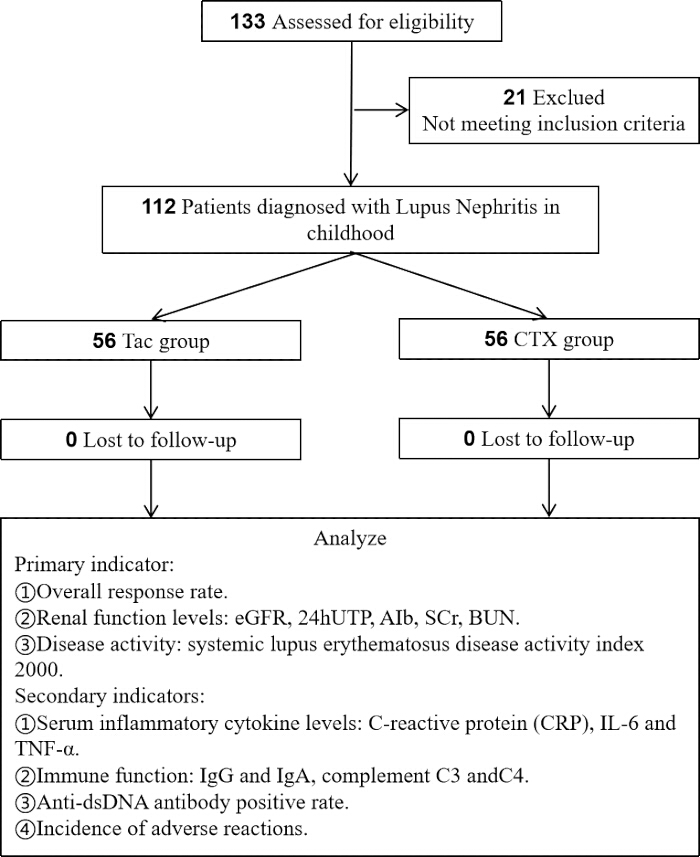
Figure 1. Research flowchart. Please click here to view a larger version of this figure.
Sample size estimation
Since this was a retrospective study, the sample size was determined by the number of eligible cases within the study period. A post hoc power analysis was performed to assess whether the final sample size provided sufficient statistical power29. With an effect size of 0.8, a significance level (α) of 0.05 (two-sided), and a statistical power (1 – β) of 0.95, the calculated minimum required sample size was 35 per group (70 total). The final analysis included 56 patients per group, exceeding the minimum requirement and confirming adequate statistical robustness.
Treatment methods
Common treatment (see Supplemental File 1):
Oral prednisone acetate. was administered to both groups at a starting dose of 60 mg/day, tapered to 15 mg/day by week 12.
Tac Group (Tac+GC):
In addition to glucocorticoids, patients in the Tac group received tacrolimus capsules at an initial dose of 0.1 mg∙kg-1∙day-1, divided into two oral doses. All patients underwent routine therapeutic drug monitoring according to a standardized clinical protocol. Blood trough concentrations were measured on day 7 after the first dose and then every 2–4 weeks thereafter, with a target range of 10 ± 2 µg/L (Note: This upper limit requires close monitoring for nephrotoxicity). Dose adjustments were made by the attending physicians based on these concentrations and were retrospectively extracted from electronic medical records. All included patients had at least one recorded trough concentration within the target range during the treatment period.
CTX Group (CTX+GC):
Cyclophosphamide was administered intravenously at a dose of 1,000 mg/m2 per dose, with body surface area calculated based on standard pediatric formulas using height and weight measurements.
Total treatment duration:
The treatment period for both groups was 180 days, with no interruption unless severe adverse reactions occurred.
Efficacy evaluation
The following criteria were used to define treatment response30,31:
Complete remission (CR): normal renal function. The estimated glomerular filtration rate (eGFR) >90 mL∙min-1∙1.73 m-2, 24h urinary protein (24hUTP) <0.5 g/day, serum creatinine (SCr) and blood urea nitrogen (BUN) returned to the normal range for the same age.
Partial remission (PR): Stable renal function, and 24hUTP decreased by more than 50% relative to baseline. SCr and BUN decreased ≥25% from baseline (or remained normal).
No renal remission (NR): failure to achieve partial or complete remission.
Overall response rate (ORR) = (CR cases + PR cases) / total cases × 100%.
Observation indicators
Main observation indicators
The main indicators were the total remission rate after treatment, estimated glomerular filtration rate (eGFR), and disease activity. The eGFR was obtained from laboratory reports, which were calculated using the updated Schwartz formula validated for pediatric populations; 24 h urinary protein quantification (24hUTP), detected by routine microscopy and the 24 h urine protein quantification method; plasma albumin (Alb) concentration, measured by routine venous blood testing; serum creatinine (SCr) concentration, measured using the immunoturbidimetry method on a automatic biochemical analyzer; blood urea nitrogen (BUN) concentration, measured by routine venous blood testing32. Disease activity was assessed using the Systemic Lupus Erythematosus Disease Activity Index 2000 (SLEDAI-2000)30, which includes 24 clinical indicators such as fever, rash, and proteinuria. The total score ranges from 0 to 105. A higher score indicates a higher level of disease activity.
Secondary observation indicators
Secondary observation indicators included immune-inflammatory biomarkers, immune function comparisons, and the anti-dsDNA antibody levels (%)28. The following immune-inflammatory biomarkers were retrospectively collected: C-reactive protein (CRP) level, detected using the immunoturbidimetric method on a fully automated chemiluminescence analyzer; Interleukin-6 (IL-6) and Tumor Necrosis Factor-α (TNF-α) levels: Data were obtained from routine clinical testing performed during the treatment period using the Enzyme-Linked Immunosorbent Assay (ELISA) method. Detection was performed using commercial ELISA kits28. Immune function comparisons included immunoglobulins: IgG and IgA; C3 and C430.
Safety indicators
Adverse events (AEs) were retrospectively collected from electronic medical records and patient self-reports throughout the treatment period. The following prespecified categories of AEs were assessed: gastrointestinal reactions (including nausea, vomiting, and diarrhea), infections (documented by clinical symptoms, laboratory findings, or pathogen identification), hyperglycemia (fasting blood glucose ≥ 7.0 mmol/L or random blood glucose ≥ 11.1 mmol/L), leukopenia (white blood cell count < 4.0 × 10⁹/L), and elevated liver enzymes (alanine aminotransferase or aspartate aminotransferase > 2.5× the upper limit of normal). All AEs were graded for severity according to the Medical Dictionary for Regulatory Activities (MedDRA)33 terminology. The incidence of AEs was compared between the two groups. In addition, vital signs and routine laboratory parameters (including blood routine, urine routine, liver and kidney function, and electrocardiogram) were monitored as part of standard clinical care.
Statistical analysis
For measurement data—such as age, duration of disease, IL-6, and TNF-α levels—the Kolmogorov-Smirnov test was first applied to assess normality. If the data conformed to a normal distribution, it was expressed as the mean ± standard deviation. The independent samples t-test was used for comparisons between groups, and the paired t.-test was employed for within-group comparisons before and after treatment. For categorical data, such as sex, it was presented as frequency (percentage) [n (%)] and the chi-square (χ2) test was used for intergroup comparisons. A difference was considered statistically significant when P < 0.05.
Results
Loading...
$$\rightleftharpoonup{xx}$$
$$\longleftharp{xx}$$,
$$\longrightharp{xx}$$,
Baseline characteristics of the study population
Baseline characteristics of the Tac group (n = 56) and CTX group (n = 56) are compared in Table 1. There was no significant difference in sex, age, age of onset, SLEDAI-2000 score, duration of disease, organ damage, clinical classification and pathological classification between the two groups (P > 0.05), indicating that the two groups had balanced baseline and good comparability.
| Variables | Tac group | CTX group | 95% CI | P |
| n | 56 | 56 | - | - |
| Gender | ||||
| Male | 18 (32.1) | 17 (30.3) | - | 0.838 |
| Female | 38 (67.8) | 39 (69.6) | ||
| Age (years) | 6.8±3.4 | 6.3±3.1 | -0.714 to 1.714 | 0.416 |
| Age at onset | 6.7±3.2 | 6.2±3.0 | -0.682 to 1.646 | 0.414 |
| SLEDAI-2000 | 13.3±3.7 | 12.9±3.8 | -1.021 to 1.771 | 0.596 |
| Duration (month) | 3.4±1.9 | 3.1±1.9 | -0.404 to 1.011 | 0.397 |
| Organ involvement | ||||
| Mucocutaneous | 29(51.7) | 28(50.0) | - | 0.85 |
| Musculoskeletal | 12(21.4) | 15(26.8) | - | 0.508 |
| Hematologic | 48(85.7) | 52(92.9) | - | 0.222 |
| Nervous system | 14(25.0) | 13(23.2) | - | 0.825 |
| Clinical typing | ||||
| Hematuria-proteinuria | 5(8.9) | 6(10.7) | - | 0.955 |
| Acute nephritis | 25(44.6) | 25(44.6) | ||
| Nephrotic syndrome | 23(41.1) | 21(37.5) | ||
| Acute progressive nephritis | 3(5.4) | 4(7.1) | ||
| LN morphological classification | ||||
| II | 2(3.6) | 2(3.6) | - | 0.887 |
| III | 3(5.4) | 2(3.6) | ||
| IV | 41(73.2) | 39(69.6) | ||
| III/IV+V | 10(17.9) | 13(23.2) | ||
| ESRD at baseline, n (%) | 0(0) | 0(0) | - | - |
Table 1: Baseline characteristics [mean±SD, n. (%)]. Abbreviations: CI = Confidence Interval; LN = Lupus Nephritis; SLEDAI-2000 = Systemic Lupus Erythematosus Disease Activity Index 2000; ESRD = End-Stage Renal Disease.
Treatment response: Overall remission rate
Post-treatment symptom improvement in the two groups is compared in Table 2. The Tac group exhibited a higher total remission rate (94.6%) than the CTX group (82.1%), and this difference was statistically significant (P = 0.039).
| CR | PR | NR | ORR (%) | P | |
| Tac group (n=56) | 39 (69.6) | 14 (25.0) | 3 (5.4) | 94.6 | 0.039 |
| CTX group (n=56) | 27 (48.2) | 19 (33.9) | 10 (17.9) | 82.1 |
Table 2: Comparison of patients' symptoms after treatment [n. (%)]. Abbreviations: CR = Complete remission; PR = Partial remission; NR = No renal remission; ORR = Overall Response Rate.
Primary outcome: Renal function parameters
When assessing the pre- and post-treatment renal function improvement between the two groups, Table 3 indicates that eGFR, 24hUTP, Alb, SCr, and BUN levels were not significantly different between the two groups before treatment (P > 0.05). After treatment, the Tac group’s eGFR and Alb levels were significantly higher (P < 0.05), and SCr, 24hUTP, and BUN levels were significantly lower (P < 0.05) than those of the CTX group, indicating that the renal function improvement effect of the Tac group was better than that of the CTX group.
| Pre-treatment | Post-treatment | |||||
| Tac group (n=56) | CTX group (n=56) | P | Tac group (n=56) | CTX group (n=56) | P | |
| eGFR (mL/min/1.73 m²) | 80.9±11.6 | 82.4±10.3 | 0.471 | 122.3±14.2 | 110.4±11.7 | <0.001 |
| 24hUTP (mg/d) | 80.1±25.9 | 76.3±15.2 | 0.339 | 104.6±17.2 | 96.5±13.8 | 0.006 |
| Alb (g/d) | 25.5±5.1 | 24.3±4.9 | 0.211 | 43.3±6.6 | 32.6±5.4 | <0.001 |
| SCr (μmol/L) | 63.5±5.7 | 65.4±6.4 | 0.103 | 44.6±4.4 | 50.5±4.8 | <0.001 |
| BUN (mmol/L) | 10.5±2.1 | 10.6±1.9 | 0.783 | 6.1±1.8 | 6.9±2.2 | 0.042 |
Table 3: Comparison of renal function between the two groups [mean±SD]. Abbreviations: eGFR = estimated Glomerular Filtration Rate; 24hUTP = 24 h urinary total protein; Alb = Albumin; SCr = Serum Creatinine; BUN = Blood Urea Nitrogen.
Primary outcome: Disease activity (SLEDAI-2000)
When comparing the SLEDAI-2000 scores of the two groups before and after treatment, Table 4 shows that the SLEDAI-2000 scores of the two groups before treatment are balanced and comparable (P > 0.05), and the SLEDAI-2000 scores of the Tac group after treatment are significantly lower than those of the CTX group (P < 0.05).
| Tac group (n=56) | CTX group (n=56) | t | P | |
| Pre-treatment | 13.3±3.7 | 12.9±3.8 | 0.532 | 0.596 |
| Post-treatment | 3.2±0.6 | 4.5±0.9 | 9.08 | <0.001 |
Table 4: Comparison of SLEDAI-2000 scores between two groups of patients [mean±SD].
Secondary outcome: Immune-inflammatory markers
The comparisons of serum immune-inflammatory biomarker levels between the two groups are shown in Table 5. Before treatment, the levels of the three inflammatory markers before treatment in the two groups were balanced and comparable (P > 0.05). After treatment, the levels of CRP, IL-6, and TNF-α in the Tac group were significantly lower than those in the CTX group, and the differences were highly significant (P < 0.001). After treatment, the levels of CRP, IL-6, and TNF-α in the Tac group were significantly lower than those in the CTX group (P < 0.001).
| Pre-treatment | Post-treatment | |||||||
| Tac group (n=56) | CTX group (n=56) | t | P | Tac group (n=56) | CTX group (n=56) | t | P | |
| CRP (mg/L) | 62.4±5.6 | 60.3±7.9 | 1.625 | 0.107 | 7.8±2.3 | 9.6±2.2 | 4.137 | <0.001 |
| IL-6 (ng/mL) | 18.5±5.5 | 17.9±6.1 | 0.566 | 0.573 | 8.2±2.3 | 13.3±3.6 | 9.255 | <0.001 |
| TNF-α (pg/mL) | 35.5±12.2 | 34.1±11.0 | 0.67 | 0.504 | 10.2±3.3 | 15.3±2.9 | 8.635 | <0.001 |
Table 5: Comparison of immune-inflammatory markers between two groups [mean±SD]. Abbreviations: CRP = C-reactive protein; IL-6 = Interleukin-6; TNF-α = Tumor necrosis factor-α.
Secondary outcome: Immunoglobulins and complement
Table 6 displays the comparison of immune function between the two patient groups. Prior to the start of treatment, the levels of IgG, IgA, complement C3, and complement C4 in the Tac and CTX groups had no significant difference (P > 0.05), indicating that the immune function indexes of the two groups were balanced and comparable before treatment. After treatment, the levels of IgG, IgA in the Tac group were significantly lower than those in the CTX group, levels of complement C3 and C4 were higher, and all differences were highly significant (P < 0.001). After treatment, the Tac group had significantly lower levels of IgG and IgA, and significantly higher levels of complement C3 and C4, compared with the CTX group (P < 0.001).
| Pre-treatment | Post-treatment | |||||||
| Tac group (n=56) | CTX group (n=56) | t | P | Tac group (n=56) | CTX group (n=56) | t | P | |
| IgG (g/L) | 20.15±4.62 | 20.52±3.87 | 0.68 | 0.498 | 11.49±1.57 | 15.36±1.97 | 11.521 | <0.001 |
| IgA (g/L) | 6.34±1.26 | 6.43±1.46 | 0.313 | 0.755 | 2.12±0.36 | 4.45±0.52 | 27.623 | <0.001 |
| C3 (g/L) | 0.45±0.20 | 0.47±0.17 | 0.576 | 0.566 | 0.99±0.26 | 0.76±0.25 | 4.711 | <0.001 |
| C4 (g/L) | 0.17±0.11 | 0.16±0.08 | 0.736 | 0.464 | 0.42±0.12 | 0.23±0.09 | 9.888 | <0.001 |
Table 6: Comparison of immune function between the two groups [mean±SD]. Abbreviations: IgG = Immunoglobulin G; IgA = Immunoglobulin A; C3 = Complement 3; C4 = Complement 4.
Secondary outcome: Anti-dsDNA antibody positivity
Table 7 displays the pre- and post-treatment comparison of anti-dsDNA antibody-positivity rates in the two groups. The results demonstrate that the Tac group’s anti-dsDNA antibody-positivity rate was significantly lower than that of the CTX group (P = 0.014).
| Tac group (n=56) | CTX group (n=56) | χ² | P | |
| Pre-treatment | 56(100) | 56(100) | - | - |
| Post-treatment | 5(8.9) | 15(26.8) | 6.087 | 0.014 |
Table 7: Comparison of anti-dsDNA antibody positivity rate between the two groups before and after treatment [n (%)].
Safety outcome: AEs
Adverse events, including gastrointestinal reactions, infections, and hyperglycemia, were recorded during the treatment period, as shown in Table 8. The total incidence of adverse events was significantly lower in the Tac group than in the CTX group (P = 0.022). In addition, neither group had any patients with kidney failure during follow-up.
| Gastrointestinal reactions | Infections | Hyperglycemia | Overall incidence rate | χ² | P | |
| Tac group (n=56) | 3(5.4) | 0(0) | 0(0) | 5.40% | 5.225 | 0.022 |
| CTX group (n=56) | 7(12.5) | 2(3.6) | 2(3.6) | 19.60% |
Table 8: Comparison of AEs during treatment [n. (%)]. Abbreviation: AEs = adverse events.
Data availability:
The data supporting the findings of this study are available within the article and in Supplemental Table S1.
Supplemental File 1: Detailed treatment methods. This file provides detailed protocols for the administration of glucocorticoids, tacrolimus, and cyclophosphamide, including drug preparation, dosing regimens, therapeutic drug monitoring, infusion procedures, and safety precautions used during the study.Please click here to download this file.
Supplemental Table S1: Primary dataset. This file contains the raw data underlying the study, including baseline characteristics, treatment allocation, renal function parameters, disease activity scores, immune-inflammatory markers, immunological indices, anti-dsDNA antibody status, and recorded adverse events for all included patients.Please click here to download this file.
Discussion
Loading...
$$\rightleftharpoonup{xx}$$
$$\longleftharp{xx}$$,
$$\longrightharp{xx}$$,
This study found that the Tac group’s complete remission rate of 69.6% and total remission rate of 94.6% were significantly higher than those in the CTX group, and this outcome is broadly comparable to findings from recent research in adult LN. Amudalapalli et al.32 confirmed in a randomized controlled trial published in 2025 that Tac as an induction therapy can achieve a complete remission rate of 65%-70% in adult LN, and the onset time is ~4–6 weeks shorter than that of traditional immunosuppressants. The present study provides preliminary evidence in children, suggesting that Tac may also show efficacy advantages in CLN. It is worth noting that only 3 patients (5.4%) in the Tac group did not achieve remission, while 10 patients (17.9%) in the CTX group failed treatment. This difference might be interpreted in light of the unique mechanism of action of Tac, though such mechanistic inferences should be made with caution. Tac directly blocks T cell activation and proliferation by inhibiting calcineurin NFAT signaling pathway, thereby reducing the production of pathogenic autoantibodies. This targeted intervention is more specific than the nonselective cytotoxic effect of CTX23. In addition, Tac can selectively inhibit T cells without affecting phagocyte function, which may be more conducive to the restoration of immune balance.
The improvement of renal function indicators is one of the core findings of this study. After treatment, eGFR was significantly increased, 24hUTP was decreased, SCr and BUN were also significantly decreased in the Tac group, and the overall improvement was better than that in the CTX group. Although the following mechanistic interpretations were not directly assessed in this study, the mechanism of this result can be analyzed from multiple levels: first, Tac alleviates glomerular capillary endothelial cell injury and maintains podocyte cytoskeleton stability by inhibiting the production of T cell-derived cytokines (such as IL-2 and IFN-γ)7. Fu et al.7 confirmed that abnormal activation of the NLRP3 inflammasome in podocytes is the key link in LN proteinuria, and Tac can indirectly inhibit this pathway. Second, the calcineurin inhibition of Tac can reduce the apoptosis of renal tubular epithelial cells and protect the tubulointerstitial structure, which was indirectly supported by the study of Wang Xiang et al.11 on the deposition of glomerular immune complexes. They found that early immunosuppressant therapy can significantly reduce the extent of renal fibrosis. Third, Tac reduces protein leakage by restoring the charge barrier function of capillary basement membrane. This effect is particularly significant in children, which may be related to the higher responsiveness of children's glomerular filtration membrane to drugs25. In particular, Alb in the Tac group increased from 25.5 ± 5.1 g/L to 43.3 ± 6.6 g/L, being significantly higher than that in the CTX group (32.6 ± 5.4 g/L). This difference not only reflects the increased synthesis resulting from reduced urinary protein excretion, but also suggests that Tac may enhance liver protein synthesis by inhibiting inflammatory factors such as TNF-α14. Wajda et al.14 found in the study of acute kidney injury that the level of inflammatory factors was negatively correlated with the mRNA expression of liver albumin, and the results of this study were consistent with this.
SLEDAI-2000 score decreased from ~13 points at baseline to 3.2 ± 0.6 points in the Tac group, which was significantly lower than 4.5 ± 0.9 points in the CTX group, and more patients in the Tac group reached a mild activity state of <4 points. This difference has important clinical significance, because the sustained low level of disease activity is the key to preventing chronic kidney injury and long-term ESRD11. According to Abdulrahman and Sallam11, their analysis suggested that the 5-year renal survival rate of adolescent ln patients could be improved in SLEDAI score after treatment. The reason why Tac can achieve deeper disease control may be related to its protective effect on extrarenal organ involvement. The baseline data of this study showed that 85.7% and 92.9% of the patients in the two groups had hematological involvement, respectively. Tac may improve hematological indicators by inhibiting the interference of activated T cells on the hematopoietic microenvironment of bone marrow, thus further reducing the SLEDAI score.
Pandurangan34 identified IL-6 as a key pro-inflammatory factor. This agent can activate the STAT3 signaling pathway, boost cell proliferation, block apoptosis, and regulate IL-17A expression. One of the key findings of this study is the significant advantage of the Tac group in regulating the inflammatory factor network. After treatment, CRP decreased to 7.8 ± 2.3 mg/L, IL-6 decreased to 8.2 ± 2.3 ng/mL, and TNF-α decreased to 10.2 ± 3.3 pg/mL in the Tac group, which were significantly lower than those in the CTX group. This result revealed the multi-level anti-inflammatory mechanism of Tac: as an acute phase reactive protein, the decrease of CRP not only reflects the reduction of inflammatory load, but also may be related to Tac inhibiting hepatic IL-6 signal transduction28. The significant reduction of IL-6 level is particularly critical, because IL-6 can not only promote the differentiation of B cells to produce autoantibodies, but also directly damage podocytes, leading to proteinuria6. The inhibition of TNF-α helps to reduce mesangial cell proliferation and extracellular matrix deposition7. Li et al.28 also observed in their study in 2022 for LN patients treated with Tac combined with GC, IL-6 and TNF-α levels showed a significant decrease. The present study provides additional observational data suggesting a similar effect in children, with a notable decrease in these inflammatory markers. It is worth noting that, for the Tac group, levels of inflammatory factors were approximately at the upper limit of the normal reference range, whereas the CTX group remained moderately elevated. One possible interpretation is that this difference could be related to the duration of drug action—Tac twice-daily administration maintains a stable blood concentration, whereas CTX once-monthly pulse administration has a treatment gap period—though this was not directly examined in the present study.
The changes of immunoglobulin (IgG, IGA) and complement (C3, C4) levels can best reflect the degree of correction of the immune imbalance. In this study, the levels of IgG and IgA in the Tac group decreased from 20.15 ± 4.62 g/L to 11.49 ± 1.57 g/L and 6.34 ± 1.26 g/L to 2.12 ± 0.36 g/L, values greater than those in the CTX group, while the levels of C3 and C4 increased significantly. Although the following mechanistic interpretations were not directly assessed in this study, this reflects the precise regulation of Tac on humoral immunity: on the one hand, it reduces the level of pathogenic IgG/IgA by inhibiting the function of follicular helper T cells (follicular helper T cells), reducing B cell activation and antibody class switching5. On the other hand, it promotes the recovery of C3 and C4 synthesis by reducing immune complex consumption and inhibiting complement bypass activation8. Masum et al.8 found in the LN mouse model that there is vascular lymphoid tissue in the renal tissue, in which B cells are continuously activated to produce antibodies, and Tac can inhibit the formation of this ectopic lymphoid tissue by blocking the NF-AT signal. Although a renal biopsy was not performed in this study, the significant improvement of immunological indicators indirectly supported this mechanism. Different from the non-selective lymphocyte killing of CTX, the targeting of Tac makes it retain part of the protective immune function while inhibiting the pathogenic immune response, which may be one of the reasons for the lower incidence of infection.
The anti-dsDNA antibody positive rate fell from 100% to 8.9% in the Tac group and to 26.8% in the CTX group, and this difference was statistically significant (P = 0.014). Anti-dsDNA antibody is the core pathogenic factor of LN, which forms immune complexes with DNA antigens and deposits in glomeruli, activating complement, leading to an inflammatory cascade9. Gonz á lez Rodr í Guez et al.9 pointed out that the decrease of anti-dsDNA antibody titer >50% was an early predictor of effective LN treatment and was closely related to the long-term survival rate of the kidney. The more thorough clearance of anti dsDNA antibody in the Tac group may be attributed to its ability to inhibit T-B cell interaction—Tac inhibits pathogenic autoantibody production by blocking CD40L expression on T cells and reducing the second signal required for B cell activation. Spencer and Jain5 proposed a hypothesis that SLE patients may have immune tolerance disruption against DNA in the gut. Whether Tac might restore such tolerance through effects on gut-associated lymphoid tissues remains speculative and was not addressed in this study. Although intestinal immunity was not explored in this study, the significant decline in anti-dsDNA antibodies provided clinical evidence for this mechanism. It is worth noting that five patients in the Tac group were still antibody-positive, suggesting that some children may have suboptimal response to Tac. Individual differences in CYP3A4 enzyme activity or P-glycoprotein expression have been implicated in variable tacrolimus metabolism33, though these factors were not examined in the present study25. Future studies incorporating pharmacogenomic analyses may help clarify the factors associated with treatment response.
Safety is the core consideration of CLN treatment. In this study, the incidence of adverse reactions in the Tac group was only 5.4%, significantly lower than 19.6% in the CTX group, and there was no serious infection or bone marrow suppression. The toxicity spectrum of the CTX group included gastrointestinal reaction (12.5%), infection (3.6%), and hyperglycemia (3.6%), which was consistent with its cytotoxic effect and immunosuppression20. In contrast, the main adverse reaction of Tac was reversible gastrointestinal discomfort (5.4%), and no infection or metabolic disorder occurred. This safety advantage may be particularly relevant in pediatric patients, given their greater susceptibility to glucocorticoid-induced growth suppression and metabolic disturbances. Deng et al.12 pointed out that long-term use of GC in children is likely to lead to growth retardation, osteoporosis and other endocrine disorders, and the excellent efficacy of Tac group in this study allows faster reduction of GC dosage, thereby reducing growth inhibition. In addition, children's liver CYP3A4 enzyme activity is low, Tac metabolism is slow, and it has been suggested that this may theoretically contribute to more stable blood concentrations, potentially reducing adverse reactions associated with peak-trough fluctuations25; however, this was not directly examined in the present study. However, it is necessary to be alert to the risk of renal toxicity of long-term use of Tac. Although there was no abnormal increase in serum creatinine during the 6-month observation period of this study, the multi-target treatment study reported by Sakai et al.20 suggested that Tac blood trough concentration should be controlled at 5–10 µg/L to balance the efficacy and safety. The target concentration of 10 µg/L is used in this study, which is at the upper limit of the safe range. Long-term follow-up is needed to monitor renal tubular function.
It is important to acknowledge that the available pediatric data for alternative treatments in childhood-onset lupus nephritis remain limited. Rituximab, a B-cell-depleting monoclonal antibody, has emerged as a potential option, particularly for refractory cases, although high-quality evidence in children is still lacking2,8. According to the 2024 KDIGO guideline, rituximab may be considered in patients who fail to respond to standard immunosuppressive therapy4. The absence of a rituximab comparator group in this study is a limitation. Future prospective studies are needed to evaluate the comparative efficacy and safety of tacrolimus versus biologic agents such as rituximab in pediatric LN.
This study was a single-center retrospective analysis. Although the bias was controlled by strict inclusion and exclusion criteria, selection bias and information bias could not be completely avoided. The sample size was only 112 cases, and the observation period was 6 months. The long-term recurrence rate and the incidence of ESRD could not be evaluated. No repeat renal biopsy was performed, and direct evidence of histological remission was lacking. The monitoring frequency of Tac blood concentration was insufficient, and no detailed pharmacokinetic and pharmacodynamic analysis was performed. In addition, factors such as intestinal flora may affect the efficacy of Tac, which needs to be further explored through multi-omics integrated analysis in the future.
Tacrolimus combined with glucocorticoid in the treatment of children with LN can significantly improve the clinical remission rate, more effectively improve renal function, reduce disease activity, regulate immune and inflammatory imbalance, and has better safety than CTX combined regimen. This scheme provides a new treatment option with high efficiency and low toxicity for children with LN and has important clinical application value. In the future, large sample and long-term prospective studies need to be carried out to further verify its long-term efficacy and safety and explore individualized medication strategies based on pharmacogenomics.
Disclosures
Loading...
$$\rightleftharpoonup{xx}$$
$$\longleftharp{xx}$$,
$$\longrightharp{xx}$$,
The authors have no conflicts of interest to declare.
Materials
| Name | Company | Catalog Number | Comments |
|---|---|---|---|
| Automatic biochemical analyzer | Hitachi | 7600-020 | |
| Automatic blood cell analyzer | Beckman coulter | DxH 800 | |
| Automatic urine analyzer | Roche | cobas 6800 | |
| Electrocardiograph | Mindray | iMEC 12 | |
| Electronic sphygmomanometer | OMRON | HEM-907 | |
| G*Power software | Heinrich-Heine-Universität Düsseldorf | Version 3.1 | RRID:SCR_013726 |
| Ifosfamide | Qilu Pharmaceutical (Hainan) Co., Ltd | 86905847000094 | |
| Medical Dictionary for Regulatory Activities (MedDRA, version 26.0 | RRID:SCR_003751 | ||
| microscope | Olympus | CX23 | |
| Prednisone Acetate Tablets | Jichuan Pharmaceutical Group Co., Ltd | 86901453001371 | |
| SPSS 25.0 statistical software | IBM | Version 25.0 | RRID:SCR_002865 |
| Tacrolimus Capsules | Sinopharm Chuankang Pharmaceutical Co., Ltd | 86902014000215 |
References
Loading...
$$\rightleftharpoonup{xx}$$
$$\longleftharp{xx}$$,
$$\longrightharp{xx}$$,
- Managing lupus nephritis in children and adolescents. Pediatr Drugs. 26 (2), 145-161 (2023).">Chan, E. Y. -h, et al. Managing lupus nephritis in children and adolescents. Pediatr Drugs. 26 (2), 145-161 (2023).
- The unique challenges of childhood-onset systemic lupus erythematosus and lupus nephritis patients: a proposed framework for an individualized transitional care plan. Pediatr Nephrol. 40 (10), 3045-3053 (2025).">Renson, T., Lightstone, L., Ciurtin, C., Gaymer, C., Marks, S. D. The unique challenges of childhood-onset systemic lupus erythematosus and lupus nephritis patients: a proposed framework for an individualized transitional care plan. Pediatr Nephrol. 40 (10), 3045-3053 (2025).
- Prognostic factors for disease progression and mortality of childhood-onset lupus nephritis in the Philippines: a retrospective cohort study in a tertiary hospital. Pediatr Rheumatol. 23 (1), 86(2025).">Asis, C. M. L., Tee, C. A., Resontoc, L. P. R. Prognostic factors for disease progression and mortality of childhood-onset lupus nephritis in the Philippines: a retrospective cohort study in a tertiary hospital. Pediatr Rheumatol. 23 (1), 86(2025).
- Clinicopathological, immunological, and laboratory parameters of childhood lupus nephritis: a study from Northeast India. J Lab Physicians. 15 (3), 361-364 (2023).">Das, J., et al. Clinicopathological, immunological, and laboratory parameters of childhood lupus nephritis: a study from Northeast India. J Lab Physicians. 15 (3), 361-364 (2023).
- Could tolerance to DNA be broken in the gut in systemic lupus erythematosus. Immunol Lett. 270, 106937(2024).">Spencer, J., Jain, S. Could tolerance to DNA be broken in the gut in systemic lupus erythematosus. Immunol Lett. 270, 106937(2024).
- Mechanisms of renal damage in systemic lupus erythematosus. Syst Lupus Erythematosus. , 313-324 (2021).">Fu, S. M., Sung, S. -S. J., Wang, H., Zhao, Z., Gaskin, F. Mechanisms of renal damage in systemic lupus erythematosus. Syst Lupus Erythematosus. , 313-324 (2021).
- Podocyte activation of NLRP3 inflammasomes contributes to the development of proteinuria in lupus nephritis. Arthritis Rheumatol. 69 (8), 1636-1646 (2017).">Fu, R., et al. Podocyte activation of NLRP3 inflammasomes contributes to the development of proteinuria in lupus nephritis. Arthritis Rheumatol. 69 (8), 1636-1646 (2017).
- Vasculature-associated lymphoid tissue: a unique tertiary lymphoid tissue correlates with renal lesions in lupus nephritis mouse model. Front Immunol. 11, 595672(2020).">Masum, M. A., et al. Vasculature-associated lymphoid tissue: a unique tertiary lymphoid tissue correlates with renal lesions in lupus nephritis mouse model. Front Immunol. 11, 595672(2020).
- Update and clinical management of anti-DNA auto-antibodies. Adv Lab Med. 2 (3), 313-321 (2021).">González Rodríguez, C., Aparicio Hernández, M. B., Alarcón Torres, I. Update and clinical management of anti-DNA auto-antibodies. Adv Lab Med. 2 (3), 313-321 (2021).
- Significant glomerular IgM deposition predicts poorer kidney outcomes in lupus nephritis compared with other forms of immune complex deposits. Lupus Sci Med. 12 (2), e001708(2025).">Xiang, W., et al. Significant glomerular IgM deposition predicts poorer kidney outcomes in lupus nephritis compared with other forms of immune complex deposits. Lupus Sci Med. 12 (2), e001708(2025).
- Treatment response and progression to end stage renal disease in adolescents and young adults with lupus nephritis: a follow up study in an Egyptian cohort. Egypt Rheumatol. 42 (3), 189-193 (2020).">Abdulrahman, M. A., Sallam, D. E. Treatment response and progression to end stage renal disease in adolescents and young adults with lupus nephritis: a follow up study in an Egyptian cohort. Egypt Rheumatol. 42 (3), 189-193 (2020).
- Glucocorticoids pharmacology and their application in the treatment of childhood-onset systemic lupus erythematosus. Semin Arthritis Rheum. 49 (2), 251-259 (2019).">Deng, J., Chalhoub, N. E., Sherwin, C. M., Li, C., Brunner, H. I. Glucocorticoids pharmacology and their application in the treatment of childhood-onset systemic lupus erythematosus. Semin Arthritis Rheum. 49 (2), 251-259 (2019).
- Macrophages and the glucocorticoids. J Neuroimmunol. 40, 281-286 (1992).">Russo-Marie, F. Macrophages and the glucocorticoids. J Neuroimmunol. 40, 281-286 (1992).
- Natural product-driven dual COX-LOX inhibitors: overview of recent studies on the development of novel anti-inflammatory agents. Heliyon. 9 (3), e14569(2023).">Mukhopadhyay, N., Shukla, A., Makhal, P. N., Kaki, V. R. Natural product-driven dual COX-LOX inhibitors: overview of recent studies on the development of novel anti-inflammatory agents. Heliyon. 9 (3), e14569(2023).
- Potential prognostic markers of acute kidney injury in the early phase of acute pancreatitis. Int J Mol Sci. 20 (15), 3714(2019).">Wajda, J., et al. Potential prognostic markers of acute kidney injury in the early phase of acute pancreatitis. Int J Mol Sci. 20 (15), 3714(2019).
- The use of glucocorticoids in lupus nephritis: new pathways for an old drug. Front Med. 8, 622225(2021).">Mejía-Vilet, J. M., Ayoub, I. The use of glucocorticoids in lupus nephritis: new pathways for an old drug. Front Med. 8, 622225(2021).
- Hypersensitivity reactions to biologics (part II): classifications and current diagnostic and treatment approaches. Allergo J Int. 29 (5), 139-154 (2020).">Gülsen, A., Wedi, B., Jappe, U. Hypersensitivity reactions to biologics (part II): classifications and current diagnostic and treatment approaches. Allergo J Int. 29 (5), 139-154 (2020).
- Neuropsychiatric manifestations associated with juvenile systemic lupus erythematosus: an overview focusing on early diagnosis. Brain Dev. 46 (3), 125-134 (2024).">Nikolaidou, A., Beis, I., Dragoumi, P., Zafeiriou, D. Neuropsychiatric manifestations associated with juvenile systemic lupus erythematosus: an overview focusing on early diagnosis. Brain Dev. 46 (3), 125-134 (2024).
- Optimal exposure of mycophenolic acid for induction therapy of childhood lupus nephritis patients: an observational cohort study. Rheumatology. 63 (S12), SI180-SI187 (2024).">Zhang, L., et al. Optimal exposure of mycophenolic acid for induction therapy of childhood lupus nephritis patients: an observational cohort study. Rheumatology. 63 (S12), SI180-SI187 (2024).
- Long-term tacrolimus-based immunosuppressive treatment for young patients with lupus nephritis: a prospective study in daily clinical practice. Nephron Clin Pract. 121 (3-4), c165-173 (2013).">Tanaka, H., et al. Long-term tacrolimus-based immunosuppressive treatment for young patients with lupus nephritis: a prospective study in daily clinical practice. Nephron Clin Pract. 121 (3-4), c165-173 (2013).
- Efficacy and safety of multitarget therapy with cyclophosphamide and tacrolimus for lupus nephritis: a prospective, single-arm, single-centre, open label pilot study in Japan. Lupus. 27 (2), 273-282 (2017).">Sakai, R., et al. Efficacy and safety of multitarget therapy with cyclophosphamide and tacrolimus for lupus nephritis: a prospective, single-arm, single-centre, open label pilot study in Japan. Lupus. 27 (2), 273-282 (2017).
- Tacrolimus (FK 506). Ann Allergy Asthma Immunol. 83 (3), 179-190 (1999).">Letko, E., Bhol, K., Pinar, V., Foster, C. S., Ahmed, A. R. Tacrolimus (FK 506). Ann Allergy Asthma Immunol. 83 (3), 179-190 (1999).
- Evolving new therapies of autoimmune hepatitis. Clin Liver Dis. 6 (3), 825-850 (2002).">Vierling, J. M., Flores, P. A. Evolving new therapies of autoimmune hepatitis. Clin Liver Dis. 6 (3), 825-850 (2002).
- Infections after organ transplantation and immune response. Transpl Immunol. 77, 101798(2023).">Elalouf, A. Infections after organ transplantation and immune response. Transpl Immunol. 77, 101798(2023).
- Successful treatment with mycophenolate mofetil and tacrolimus in juvenile severe lupus nephritis. Case Rep Pediatr. 2015, 1-4 (2015).">Kise, T., Yoshimura, H., Fukuyama, S., Uehara, M. Successful treatment with mycophenolate mofetil and tacrolimus in juvenile severe lupus nephritis. Case Rep Pediatr. 2015, 1-4 (2015).
- The 2024 revision of the Declaration of Helsinki: a modern ethical framework for medical research. Postgrad Med J. 101 (1194), 371-382 (2025).">Wen, B., Zhang, G., Zhan, C., Chen, C., Yi, H. The 2024 revision of the Declaration of Helsinki: a modern ethical framework for medical research. Postgrad Med J. 101 (1194), 371-382 (2025).
- Updating the American College of Rheumatology revised criteria for the classification of systemic lupus erythematosus. Arthritis Rheum. 40 (9), 1725(1997).">Hochberg, M. C. Updating the American College of Rheumatology revised criteria for the classification of systemic lupus erythematosus. Arthritis Rheum. 40 (9), 1725(1997).
- Analysis of the safety and efficacy of tacrolimus combined with glucocorticoid in the treatment of lupus nephritis. Pak J Med Sci. 38 (5), 1285-1291 (2022).">Li, L., Du, Y., Ji, J., Gao, Y., Shi, X. Q. Analysis of the safety and efficacy of tacrolimus combined with glucocorticoid in the treatment of lupus nephritis. Pak J Med Sci. 38 (5), 1285-1291 (2022).
- Research techniques made simple: choosing appropriate statistical methods for clinical research. J Invest Dermatol. 137 (10), e173-e178 (2017).">Kim, N., Fischer, A. H., Dyring-Andersen, B., Rosner, B., Okoye, G. A. Research techniques made simple: choosing appropriate statistical methods for clinical research. J Invest Dermatol. 137 (10), e173-e178 (2017).
- Efficacy and safety of belimumab combined with the standard regimen in treating children with lupus nephritis. Eur J Pediatr. 183 (9), 3987-3995 (2024).">Li, H., Chen, C., Yang, H., Tu, J. Efficacy and safety of belimumab combined with the standard regimen in treating children with lupus nephritis. Eur J Pediatr. 183 (9), 3987-3995 (2024).
- 2024 American College of Rheumatology guideline for the screening, treatment, and management of lupus nephritis. Arthritis Rheumatol. 77 (9), 1115-1135 (2025).">Sammaritano, L. R., et al. 2024 American College of Rheumatology guideline for the screening, treatment, and management of lupus nephritis. Arthritis Rheumatol. 77 (9), 1115-1135 (2025).
- Comparative efficacy of intravenous cyclophosphamide, mycophenolate mofetil, and tacrolimus as induction therapy for lupus nephritis: a randomized controlled open-label trial. Lupus. 34 (12), 1211-1220 (2025).">Amudalapalli, A., et al. Comparative efficacy of intravenous cyclophosphamide, mycophenolate mofetil, and tacrolimus as induction therapy for lupus nephritis: a randomized controlled open-label trial. Lupus. 34 (12), 1211-1220 (2025).
- Signal detection and analysis of adverse events associated with Genvoya based the FAERS database. Front Pharmacol. 15, 1439781(2024).">Wang, C., Zhang, Y., Tang, X., Zhang, G., Chen, L. Signal detection and analysis of adverse events associated with Genvoya based the FAERS database. Front Pharmacol. 15, 1439781(2024).
- Targeting IL-17A: a new frontier in the treatment of colitis-associated cancer. Curr Cancer Res. 1 (1), 16-25 (2025).">Pandurangan, A. K. Targeting IL-17A: a new frontier in the treatment of colitis-associated cancer. Curr Cancer Res. 1 (1), 16-25 (2025).
Reprints and Permissions
Request permission to reuse the text or figures of this JoVE article
Request Permission