This multicenter retrospective cohort study compares rivaroxaban and low molecular weight heparin for deep vein thrombosis (DVT) prevention after total hip arthroplasty and total knee arthroplasty. Rivaroxaban reduced DVT risk but increased bleeding, underscoring the importance of individualized prophylaxis and patient-specific decision-making.
Research Article
Multifactorial Risk Assessment and Anticoagulation Strategy Optimization for Deep Vein Thrombosis After Major Joint Surgery: A Retrospective Study
Opens in a new tab
In This Article
Summary
Loading...
$$\rightleftharpoonup{xx}$$
$$\longleftharp{xx}$$,
$$\longrightharp{xx}$$,
Abstract
Loading...
$$\rightleftharpoonup{xx}$$
$$\longleftharp{xx}$$,
$$\longrightharp{xx}$$,
Deep vein thrombosis (DVT) is a major concern following total hip arthroplasty (THA) and total knee arthroplasty (TKA), with prophylactic anticoagulation being the cornerstone of postoperative care. This multicenter retrospective cohort study evaluated the relative effectiveness and safety of rivaroxaban and low molecular weight heparin (LMWH) in DVT prevention after joint replacement surgery. It also aimed to identify patient-related risk factors for thrombotic and hemorrhagic events. It was hypothesized that rivaroxaban would reduce DVT incidence compared with LMWH but may increase bleeding risk, and that patient-specific factors would influence these outcomes. The study included 32,512 patients undergoing elective TKA or THA. Categorization of patients was based on the postoperative anticoagulation strategy, and propensity scores were used to match them using nearest-neighbor propensity score matching based on baseline covariates, including age, sex, body mass index, smoking status, comorbidities (e.g., diabetes, prior venous thromboembolism [VTE]), American Society of Anesthesiologists (ASA) class, and type of surgery (THA/TKA). All patients underwent standardized duplex ultrasonography to detect DVT. Results showed that rivaroxaban was less likely to be associated with DVT at 30 days than LMWH (2.3% vs. 3.6%) with an adjusted odds ratio of 0.62 (p < 0.001). These values represent the cumulative incidence of DVT within 30 days postoperatively. However, rivaroxaban use was associated with a higher incidence of major bleeding (1.48% vs. 1.08%) and a postoperative hemoglobin drop. No significant differences were observed in 30-day pulmonary embolism (PE), readmissions, or mortality between the two groups. Subgroup analysis demonstrated benefit across key patient groups, including obese, elderly, diabetic, and TKA patients. Multivariable modeling established that pre-existing VTE, obesity, and age above 75 years were predictors of DVT, whereas baseline anemia and rivaroxaban use were independent predictors of major bleeding. These findings highlight the need for individualized prophylaxis strategies that balance thrombotic and hemorrhagic risks in patients undergoing major joint arthroplasty.
Introduction
Loading...
$$\rightleftharpoonup{xx}$$
$$\longleftharp{xx}$$,
$$\longrightharp{xx}$$,
Deep vein thrombosis (DVT) remains one of the most important postoperative complications following total hip arthroplasty (THA) and total knee arthroplasty (TKA). Together with pulmonary embolism (PE), it contributes significantly to postoperative morbidity, mortality, and healthcare utilization. Patients undergoing lower‑limb joint arthroplasty are particularly vulnerable to venous thromboembolism (VTE) due to venous stasis, endothelial injury, and postoperative hypercoagulability. Despite modern prophylaxis, symptomatic VTE occurs in approximately 0.6–1.5% of patients within 30 days postoperatively1. Given the high procedural volume, with over one million THA and TKA performed annually in the United States, this represents a substantial clinical burden2. Historically, DVT rates exceeded 40%–50%, largely due to asymptomatic thrombosis detected by screening imaging3. These results indicate the thrombogenic nature of major joint surgery and the significance of effective prophylaxis.
VTE following major joint surgery is associated with prolonged hospitalization, delayed recovery, readmissions, and increased healthcare costs. Although VTE mortality is relatively low in elective arthroplasty, PE is a potentially lethal complication, especially in the elderly and patients with multiple comorbid conditions. Over the past decade, advances in perioperative care, including early mobilization, mechanical compression devices, and routine anticoagulant prophylaxis, have led to a reduction in symptomatic VTE events following THA and TKA. Contemporary studies report VTE rates of approximately 1% or less when guideline-recommended prophylaxis is used4. However, the optimal choice of pharmacologic agent remains a subject of ongoing debate.
Low molecular weight heparin (LMWH) is a well-known standard prophylactic agent with proven efficacy and safety. More recently, direct oral anticoagulants (DOACs), such as rivaroxaban, have emerged as alternatives. DOACs such as rivaroxaban have become viable options. Rivaroxaban is a direct factor Xa inhibitor, with the practical advantage of oral administration, and has demonstrated comparable or superior efficacy to LMWH in multiple randomized trials and meta-analyses5,6. However, there is still concern regarding bleeding risk, wound complications, and adherence in real-world settings, and there is no single agent that has shown unequivocal superiority in all patient groups. Furthermore, aspirin has been increasingly considered as a possible low-cost substitute for VTE prophylaxis in selected low-risk arthroplasty patients. Recent studies and guideline updates indicate similar efficacy of aspirin versus anticoagulants in carefully selected patient groups and have added to the understanding that risk-stratified prophylaxis should be favored over uniform treatment approaches7,8. As a result, recent approaches to VTE prevention are increasingly considering patient-specific and procedural factors by balancing thrombotic risk with bleeding risk.
A growing body of evidence indicates that VTE risk after THA and TKA is heterogeneous. Advanced age, obesity, smoking, diabetes mellitus, prior history of VTE, hypercoagulable states, bilateral procedures, and prolonged operative time have all been implicated as contributors to increased postoperative thrombosis risk9,10,11. However, comparative data on rivaroxaban and LMWH in diverse patient populations remain limited in real-world settings.
Despite widespread use of rivaroxaban and LMWH, their comparative effectiveness and safety in routine clinical practice remain uncertain, particularly in large-scale real-world settings where patient heterogeneity and risk stratification are insufficiently addressed. Randomized controlled trials have strict patient selection criteria and may not entirely represent the real-world variation in comorbidities, adherence, and perioperative care. Furthermore, the growing interest in early discharge and outpatient arthroplasty has also increased the value of pragmatic factors like route of administration and patient compliance. Importantly, the interaction between patient-specific risk factors and prophylactic strategies remains insufficiently defined. This study addresses these gaps by integrating large-scale multicenter real-world data with comprehensive multifactorial risk modeling, enabling more precise, clinically actionable personalized thromboprophylaxis strategies. Addressing these gaps is essential for refining clinical decision-making and optimizing VTE prevention in modern arthroplasty practice. Importantly, unlike prior randomized trials and meta-analyses, this study integrates large-scale real-world data with patient-level multifactorial risk assessment, enabling clinically applicable risk stratification rather than uniform treatment comparisons.
The primary objective of this study was to evaluate the comparative efficacy and safety of rivaroxaban versus low molecular weight heparin as postoperative thromboprophylaxis in patients undergoing total hip and knee arthroplasty, with a particular focus on the incidence of postoperative DVT and major bleeding complications. Secondary objectives included identifying and quantifying key demographic, lifestyle, comorbid, and surgical risk factors associated with postoperative DVT; examining how these factors modify the effectiveness of different prophylactic regimens; assessing real-world adherence and practical considerations associated with oral versus injectable anticoagulation; and developing a risk stratification framework to support individualized, evidence-based VTE prophylaxis following major joint arthroplasty.
Protocol
Loading...
$$\rightleftharpoonup{xx}$$
$$\longleftharp{xx}$$,
$$\longrightharp{xx}$$,
This study was conducted using de-identified, routinely collected clinical data. In accordance with institutional policies and national regulations, formal ethical approval and informed consent were waived as no identifiable patient information was used and no intervention was performed. The study adhered to the principles of the Declaration of Helsinki.
Study design
This multicenter retrospective cohort study was conducted using data from institutional joint replacement registries and electronic health records across several high-volume orthopedic centers. The study utilized prospectively collected registry data complemented by retrospective chart review. The study adhered to the Strengthening the Reporting of Observational Studies in Epidemiology (STROBE) guidelines for observational cohort studies12. Data quality was ensured through internal validation checks and selective audits. A schematic overview of the study design, including patient selection, grouping, and outcome assessment, is provided in Figure 1.
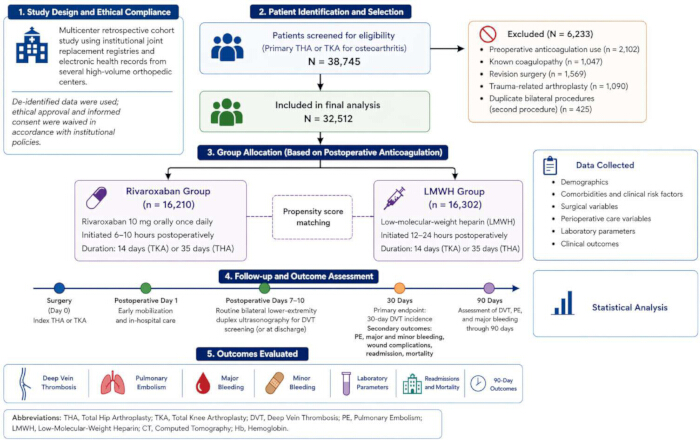
Figure 1: Study flow diagram and schematic overview of study design. Please click here to view a larger version of this figure.
Study population
Adults (≥18 years) undergoing elective primary THA or TKA for osteoarthritis were included. Exclusion criteria included preoperative anticoagulation therapy, known coagulopathy, revision surgery, or trauma-related arthroplasty. In cases of bilateral arthroplasty, only the first procedure was analyzed to avoid duplication. Patients were identified from multiple tertiary orthopedic centers to enhance generalizability.
Data collection
Data were extracted from electronic medical records and institutional databases using a standardized data collection form. Variables included demographics (age, sex, body mass index [BMI]), lifestyle factors (smoking status and alcohol use), comorbidities (history of VTE, diabetes mellitus, hypertension, dyslipidemia, chronic kidney disease, active cancer, and thrombophilia), and surgical variables (procedure type, operative duration, and tranexamic acid administration). The American Society of Anesthesiologists (ASA) classification and Charlson Comorbidity Index were calculated. Perioperative care variables included pharmacologic and mechanical prophylaxis, early mobilization (postoperative day 0–1), and hospital length of stay.
Thromboprophylaxis groups
Patients were categorized according to postoperative anticoagulation strategy. The rivaroxaban group received rivaroxaban 10 mg orally once daily, starting 6–10 h postoperatively and continued for 14 days (TKA) or 35 days (THA), in line with clinical guidelines13. The LMWH group received low molecular weight heparin (e.g., enoxaparin 40 mg once daily or 30 mg twice daily per institutional protocol), initiated 12–24 h postoperatively and continued for the same duration. Adherence was assessed using prescription records and patient self-reports. Rivaroxaban’s oral route was noted to potentially improve adherence in comparison to parenteral LMWH14.
Imaging and DVT/PE diagnostic protocols
All patients underwent standardized bilateral lower-extremity duplex ultrasonography for DVT screening between postoperative days 7 and 10 or at the time of hospital discharge, irrespective of symptom status. DVT diagnosis included both symptomatic and asymptomatic cases, identified through routine bilateral lower-extremity duplex ultrasonography performed according to the study protocol. Duplex studies were performed by certified vascular technologists using compression and Doppler flow criteria. Symptomatic DVT was defined based on clinical presentation with confirmatory imaging, whereas asymptomatic DVT was detected through scheduled screening ultrasonography. Symptomatic pulmonary embolism was diagnosed based on clinical suspicion and confirmed using computed tomography pulmonary angiography. Imaging protocols were harmonized across participating centers to ensure consistency in diagnostic criteria and timing.
Adherence and exposure assessment
Exposure to thromboprophylaxis was verified using a triangulated approach including electronic prescription records, pharmacy refill documentation, and structured patient self-report in the course of the postoperative follow-up visits. Adherence was defined as the patient having 80% or more of the prescription doses verified during the prophylaxis period. A per-protocol sensitivity analysis excluded patients with early discontinuation, non-adherence, or crossover between anticoagulant regimens.
Outcome measures
The primary endpoint was the 30-day incidence of postoperative DVT, confirmed by duplex ultrasonography. All patients underwent standardized ultrasound screening around postoperative day 7–10 or at discharge, regardless of symptoms. Secondary outcomes included pulmonary embolism, major bleeding, minor bleeding, laboratory parameters, wound complications, readmissions, and mortality.
Major bleeding was defined according to the International Society on Thrombosis and Haemostasis (ISTH) criteria15, including bleeding leading to reoperation, transfusion ≥ 2 units, a hemoglobin decrease of ≥2 g/dL within the first 5 postoperative days, or critical organ involvement. Minor bleeding included wound oozing, hematomas, and prolonged drainage. Laboratory parameters, including D-dimer, hemoglobin (Hb), and glucose levels, were recorded preoperatively and on postoperative days 1, 3, and 5. Elevated D-dimer has been associated with postoperative DVT, although its specificity is limited. Wound complications included prolonged drainage, superficial infection, or dehiscence.
Risk factor assessment
A comprehensive set of known or suspected DVT risk factors was recorded, including age, obesity, smoking, diabetes, prior VTE, and surgery-specific variables. Advanced age, obesity, and history of VTE are established risk factors16. Diabetes mellitus was examined because it has been found to be associated with enhanced DVT risk in joint replacement arthroplasty17. The influence of bilateral procedures, extended operating time16, and TXA use18 on thrombotic and bleeding outcomes was also compared.
Center-level variation handling
Random-effects modeling was used to test the heterogeneity, which might occur among the participating institutions, by including the treatment center as a clustering variable. Multilevel mixed-effects logistic regression models were applied to remove center-level variations in surgical volume, perioperative practice, and imaging practice. Sensitivity analyses incorporating center-specific random intercepts were performed to ensure robustness of the primary and secondary outcome estimates.
Statistical analysis
Baseline characteristics were compared using Student’s t-test or Mann–Whitney U test for continuous variables and chi-square or Fisher’s exact test for categorical variables. Multivariable logistic regression identified independent predictors of DVT and bleeding. Variables significant in univariate analysis (p < 0.10) or strongly supported by literature were included, including pre-existing venous thromboembolism (VTE), defined as any documented history of deep vein thrombosis or pulmonary embolism prior to the index surgery, and baseline anemia, defined according to World Health Organization (WHO) criteria as a preoperative hemoglobin level < 13 g/dL in males and <12 g/dL in females. Preoperative hemoglobin values were obtained from routine laboratory testing performed within 48 h prior to surgery.
The effect of prophylactic agents on DVT incidence was assessed through multivariate adjustment, where adjusted odds ratios (ORs) with 95% confidence intervals (CIs) were reported; propensity score matching (nearest-neighbor matching with caliper restriction), where patients were matched on key baseline covariates including age, sex, body mass index (BMI), smoking status, comorbidities (e.g., diabetes, prior VTE), ASA class, and type of surgery (THA/TKA) to minimize confounding, followed by paired statistical tests. Balance between groups was assessed using standardized mean differences, with values <0.1 indicating adequate covariate balance.
Survival analysis was performed using Kaplan-Meier curves and Cox proportional hazards models to assess DVT-free survival within 30 days. Sensitivity analyses included exclusion of asymptomatic DVT cases, per-protocol analysis (excluding patients with early discontinuation or crossover), and random-effects modeling to account for center-level clustering. Statistical significance was set at two-sided p < 0.05, and analyses were conducted using an appropriate statistical software.
Results
Loading...
$$\rightleftharpoonup{xx}$$
$$\longleftharp{xx}$$,
$$\longrightharp{xx}$$,
Patient cohort and baseline characteristics
A total of 38,745 patients were screened across participating centers. Of these, 6,233 patients were excluded due to preoperative anticoagulation, known coagulopathy, trauma-related arthroplasty, revision surgery, or incomplete data. This resulted in a final cohort of 32,512 patients included in the comparative propensity score–adjusted analysis. The patient selection process is illustrated in Figure 2.
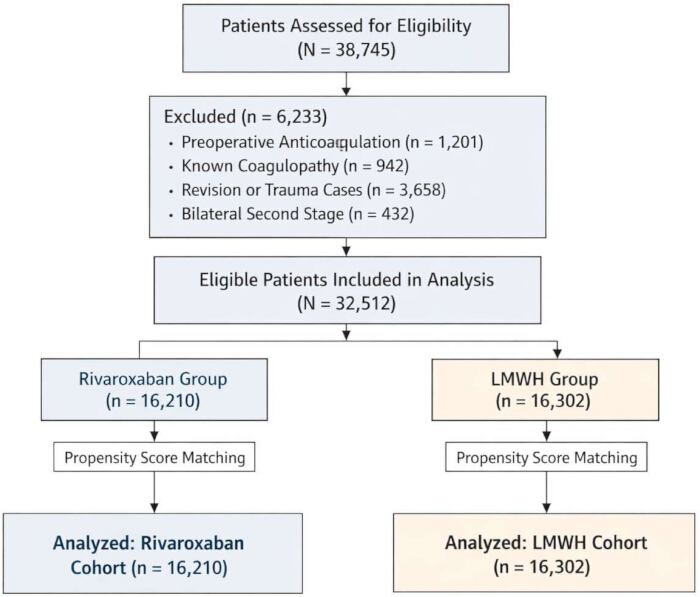
Figure 2: CONSORT-style flow diagram. Please click here to view a larger version of this figure.
Following propensity score adjustment, 16,210 patients received rivaroxaban, and 16,302 patients received LMWH. Balance between groups was assessed using standardized mean differences (SMDs), with values <0.1 indicating adequate covariate balance. The mean age was 66.8 ± 8.9 years in the rivaroxaban group and 67.1 ± 9.0 years in the LMWH group, and 58.8% and 58.4% of patients were female, respectively. The mean BMI was 29.3 ± 4.5 kg/m2 in the rivaroxaban group and 29.0 ± 4.6 kg/m2 in the LMWH group. Baseline characteristics were comparable between groups, including age, sex, BMI, smoking history, ASA class, Charlson Comorbidity Index, prior VTE, and type of arthroplasty performed (all p > 0.05). A detailed summary of demographic, comorbidity, and perioperative characteristics is provided in Table 1.
Primary outcome: 30‑day DVT incidence
Within 30 days postoperatively, 948 patients (2.92%) developed DVT. Rates were lower in the rivaroxaban group (2.3%) than in the LMWH group (3.6%) (adjusted OR 0.62, 95% CI: 0.55–0.70, p < 0.001). After adjustment for clinical and surgical variables, rivaroxaban remained independently associated with reduced risk. Complete outcome rates and comparisons are detailed in Table 2.
Pulmonary embolism
Symptomatic PE occurred in 184 patients (0.57%) within 30 days. Rates did not differ significantly between the groups: 0.53% in the rivaroxaban group and 0.60% in the LMWH group (adjusted OR 0.88, 95% CI: 0.69–1.13, p = 0.31). These results are also summarized in Table 2.
Bleeding outcomes
A total of 416 patients (1.28%) experienced major bleeding within 30 days. The rivaroxaban group had a significantly higher rate of major bleeding (1.48%) than the LMWH group (1.08%), with an adjusted OR of 1.36 (95% CI: 1.14–1.62, p = 0.001). Minor bleeding was also more common in the rivaroxaban group (4.5% vs 3.2%, p < 0.001). Laboratory parameters demonstrated a significantly larger mean postoperative hemoglobin decrease in the rivaroxaban group (2.0 g/dL) compared with the LMWH group (1.6 g/dL, p < 0.01). Adjusted odds ratios for VTE and bleeding outcomes are visually summarized in the forest plot in Figure 3.
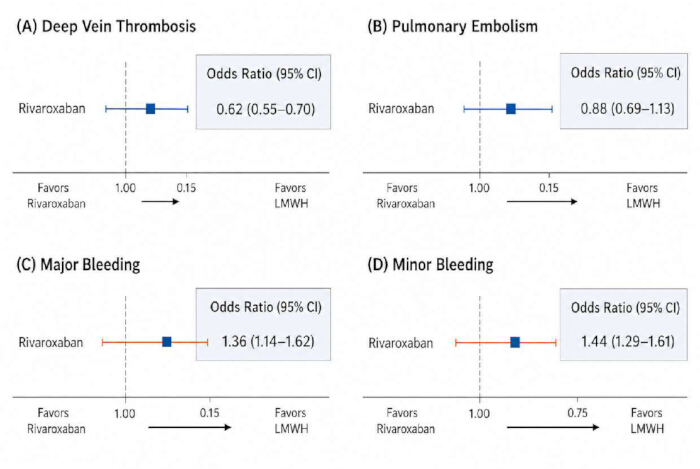
Figure 3: Forest plot of adjusted odds ratios for DVT, PE, and bleeding outcomes biomarker trends. Please click here to view a larger version of this figure.
Postoperative D-dimer levels were higher in patients with events (3.1 ± 1.2 µg/mL vs 1.7 ± 0.9 µg/mL, p < 0.001). Hemoglobin values trended downward over the first 5 days postoperatively, with greater reductions in the rivaroxaban group. Postoperative biomarker trajectories are shown in Figure 4A (D-dimer) and Figure 4B (hemoglobin).
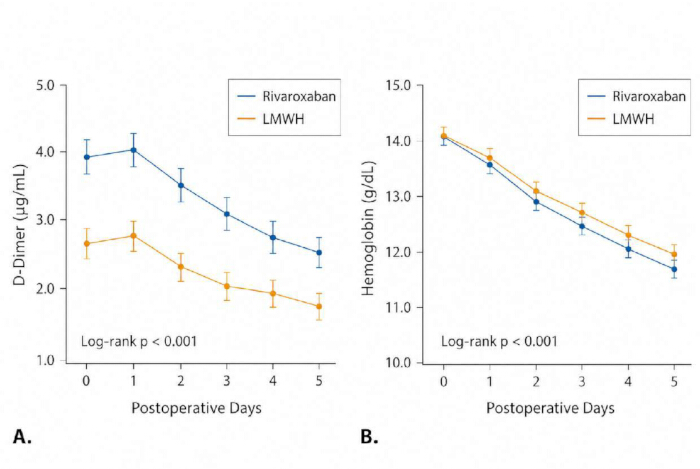
Figure 4: Postoperative laboratory biomarkers. (A) D-dimer levels (days 1–5). (B) Hemoglobin (g/dL) levels (days 1–5). Error bars indicate standard error. Please click here to view a larger version of this figure.
Readmissions, mortality, and 90-day outcomes
The 30-day readmission rate was 5.6% overall, with no significant difference between groups (5.8% rivaroxaban vs 5.5% LMWH, p = 0.26). All-cause 30-day mortality was 0.42%, with no statistically significant difference observed. At 90 days, the cumulative VTE incidence was significantly lower in the rivaroxaban group (2.7% vs 4.1%, p < 0.001). Extended 90-day outcomes, including bleeding and mortality, are presented in Table 3. Kaplan-Meier curves for 30-day DVT-free survival stratified by prophylaxis type are shown in Figure 5A, and for 90-day cumulative VTE-free survival are shown in Figure 5B.
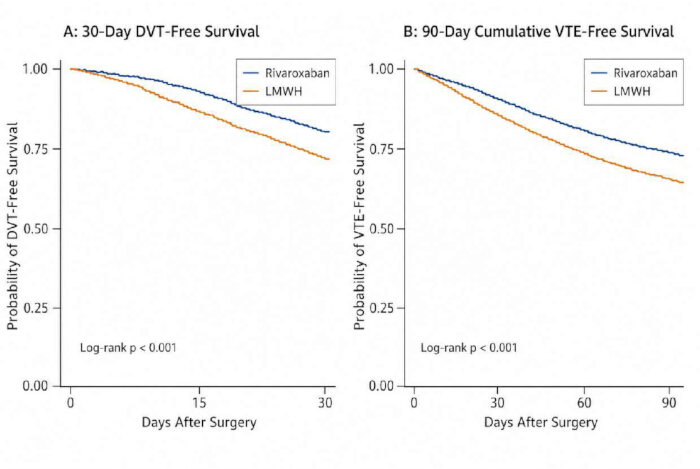
Figure 5: Kaplan-Meier curves. (A) 30-day DVT-free survival and (B) 90-day cumulative VTE-free survival between groups. Please click here to view a larger version of this figure.
Cumulative 90-day risk of major bleeding and readmissions
To visualize the temporal pattern of late adverse events, we analyzed the cumulative incidence of major bleeding and hospital readmissions over the 90-day postoperative period using Kaplan-Meier curves. In the rivaroxaban group, cumulative major bleeding events throughout the postoperative follow-up period were consistently higher than those observed in the LMWH group, and the divergence between the rivaroxaban and LMWH groups began within the early postoperative period. At 90 days, approximately 1.8%–1.9% of patients in the rivaroxaban arm and approximately 1.6%–1.7% in the LMWH arm experienced major bleeding, consistent with prior adjusted risk estimates (p < 0.001) (Figure 6A). In Figure 6B, the cumulative 90-day hospital readmission rate was approximately 8.8%–9.0% with rivaroxaban and approximately 8.0%–8.2% with LMWH, and there was no statistically significant difference in the cumulative rate over the follow-up period (p = 0.26). The curves remained parallel, indicating similar rehospitalization trajectories between groups. These trends are illustrated in Figure 6.
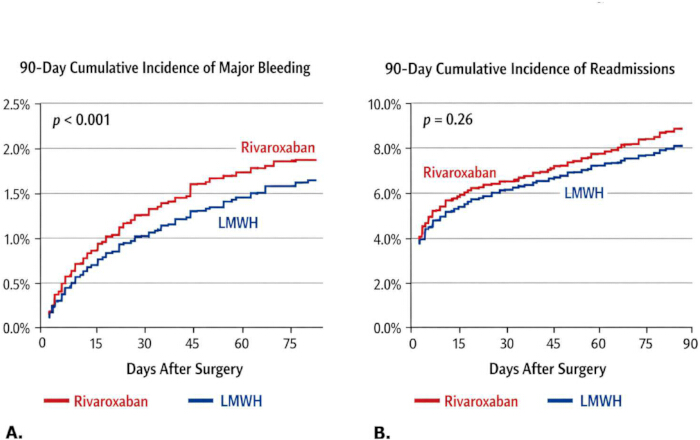
Figure 6: Cumulative incidence of 90-day outcomes. (A) Major bleeding. (B) Hospital readmissions. Please click here to view a larger version of this figure.
Sensitivity analyses
To assess the robustness of our primary findings, multiple sensitivity analyses were conducted. First, we excluded asymptomatic DVTs detected only on routine postoperative screening. The 30-day symptomatic DVT incidence remained significantly lower in the rivaroxaban group (1.7% vs 2.6%, adjusted OR 0.64, 95% CI: 0.55–0.75, p < 0.001), mirroring the main analysis. Second, a per-protocol analysis was performed, including only patients with confirmed adherence to the assigned prophylaxis agent (documented use for ≥80% of indicated days without crossover or early discontinuation). The protective effect of rivaroxaban against DVT persisted (adjusted OR 0.59, 95% CI: 0.51–0.68, p < 0.001), though the elevated major bleeding risk also remained (adjusted OR 1.41, 95% CI: 1.16–1.72, p = 0.001). Lastly, random-effects logistic regression was used to account for clustering by center. Center-level variation in DVT incidence ranged from 1.8% to 4.5%, and major bleeding rates ranged from 0.9% to 2.1%. Even after adjusting for this heterogeneity, rivaroxaban remained associated with lower odds of DVT (adjusted OR 0.66, 95% CI: 0.57–0.76, p < 0.001) and higher risk of major bleeding (adjusted OR 1.33, 95% CI: 1.12–1.58, p = 0.002). These findings affirm that the main results are robust across different methodological assumptions regarding different definitions of events, treatment adherence, and variation across centers.
Risk factor analysis
Multivariable logistic regression identified several independent predictors. For DVT, prior VTE: adjusted OR 4.25, p < 0.001; Obesity: (BMI ≥ 30 kg/m2) OR 1.78, p < 0.01, and age > 75 years: OR 1.56, p < 0.01. For major bleeding, Rivaroxaban use: OR 1.36, p = 0.001, and Baseline anemia: OR 1.42, p < 0.01. Full multivariable model results, including adjusted odds ratios and confidence intervals, are provided in Table 4.
Subgroup analyses
Subgroup analyses showed that the protective effect of rivaroxaban on DVT risk was consistent across a range of patient characteristics. The greatest benefit was observed in patients aged ≥ 75 years (adjusted OR 0.54, 95% CI: 0.44–0.66; p = 0.01), those with obesity (BMI ≥ 30 kg/m2; adjusted OR 0.58, 95% CI: 0.48–0.71; p = 0.02), patients with diabetes mellitus (adjusted OR 0.61, 95% CI: 0.49–0.76; p = 0.03), and those undergoing TKA procedures (adjusted OR 0.60, 95% CI: 0.51–0.71; p = 0.04). Interaction analyses were performed to assess effect modification across subgroups, and no statistically significant interaction was observed (p for interaction > 0.05). Results of the subgroup analyses are presented in Table 5.
DATA AVAILABILITY:
The study was conducted using retrospectively analyzed, de-identified clinical data collected from institutional records. All relevant aggregated data supporting the findings of this study are included within the manuscript. No identifiable patient information was used at any stage of the study.
| Variable | Rivaroxaban (n = 16,210) | Low molecular weight heparin (LMWH) (n = 16,302) | p-value |
| Age (years), mean ± SD | 66.8 ± 8.9 | 67.1 ± 9.0 | 0.12 |
| Female, n (%) | 9,533 (58.8%) | 9,521 (58.4%) | 0.48 |
| BMI (kg/m²), mean ± SD | 29.3 ± 4.5 | 29.0 ± 4.6 | 0.06 |
| Smoking (pack-years), mean ± SD | 12.5 ± 7.1 | 12.8 ± 7.3 | 0.21 |
| Alcohol use, n (%) | 5,011 (30.9%) | 5,127 (31.5%) | 0.32 |
| Diabetes mellitus, n (%) | 2,942 (18.2%) | 2,889 (17.7%) | 0.27 |
| Hypertension, n (%) | 8,944 (55.2%) | 8,998 (55.2%) | 0.94 |
| CKD, n (%) | 834 (5.1%) | 816 (5.0%) | 0.72 |
| Prior VTE, n (%) | 321 (2.0%) | 342 (2.1%) | 0.59 |
| ASA Class III/IV, n (%) | 6,107 (37.7%) | 6,233 (38.2%) | 0.37 |
| Charlson Index, median (IQR) | 2 (1–3) | 2 (1–3) | 0.88 |
| THA, n (%) | 7,980 (49.2%) | 7,914 (48.5%) | 0.42 |
| TKA, n (%) | 8,230 (50.8%) | 8,388 (51.5%) | 0.42 |
| Bilateral surgery, n (%) | 1,142 (7.0%) | 1,179 (7.2%) | 0.49 |
| Operative time (min), mean ± SD | 94.2 ± 21.4 | 95.1 ± 21.0 | 0.08 |
| TXA used, n (%) | 14,622 (90.3%) | 14,599 (89.5%) | 0.09 |
Table 1: Baseline characteristics of the study cohort.
| Outcome | Rivaroxaban | Low molecular weight heparin (LMWH) | Adjusted OR (95% CI) | p-value |
| DVT | 2.30% | 3.60% | 0.62 (0.55–0.70) | <0.001 |
| PE (symptomatic) | 0.53% | 0.60% | 0.88 (0.69–1.13) | 0.31 |
| Major bleeding | 1.48% | 1.08% | 1.36 (1.14–1.62) | 0.001 |
| Minor bleeding | 4.50% | 3.20% | 1.44 (1.29–1.61) | <0.001 |
| Hemoglobin drop > 2 g/dL | 11.30% | 8.60% | 1.37 (1.28–1.47) | <0.001 |
| Readmissions (30-day) | 5.80% | 5.50% | 1.05 (0.96–1.14) | 0.26 |
| Mortality (30-day) | 0.41% | 0.44% | 0.93 (0.66–1.31) | 0.68 |
Table 2: Thirty-day outcomes by thromboprophylaxis group.
| Outcome | Rivaroxaban | Low molecular weight heparin (LMWH) | p-value |
| Cumulative DVT (symptomatic + asymptomatic) | 2.70% | 4.10% | <0.001 |
| Cumulative PE (symptomatic) | 0.67% | 0.74% | 0.37 |
| Major bleeding (90-day) | 1.61% | 1.24% | 0.004 |
| All-cause mortality (90-day) | 0.69% | 0.75% | 0.47 |
| Readmission (90-day) | 7.30% | 7.50% | 0.53 |
Table 3: Ninety-day clinical outcomes.
| Predictor | aOR for Deep vein thrombosis (DVT) (95% CI) | p-value | aOR for Bleeding (95% CI) | p-value |
| Rivaroxaban vs Low molecular weight heparin (LMWH) | 0.62 (0.55–0.70) | <0.001 | 1.36 (1.14–1.62) | 0.001 |
| Age > 75 | 1.56 (1.30–1.88) | <0.01 | 1.22 (0.99–1.50) | 0.06 |
| BMI ≥ 30 | 1.78 (1.45–2.18) | <0.01 | 1.21 (1.01–1.45) | 0.04 |
| Prior venous thromboembolism (VTE) | 4.25 (3.39–5.31) | <0.001 | 1.08 (0.78–1.50) | 0.43 |
| Baseline anemia | 1.10 (0.92–1.33) | 0.17 | 1.42 (1.15–1.76) | <0.01 |
Table 4: Multivariable predictors of DVT and major bleeding.
| Subgroup | aOR for deep vein thrombosis (DVT) (95% CI) | p-value |
| Age < 65 years | 0.70 (0.56–0.88) | Reference group |
| Age ≥ 75 years | 0.54 (0.44–0.66) | 0.01 |
| BMI < 30 kg/m² | 0.69 (0.57–0.83) | Reference group |
| BMI ≥ 30 kg/m² | 0.58 (0.48–0.71) | 0.02 |
| Diabetes mellitus: No | 0.66 (0.55–0.79) | Reference group |
| Diabetes mellitus: Yes | 0.61 (0.49–0.76) | 0.03 |
| Total Hip Arthroplasty patients | 0.67 (0.55–0.81) | Reference group |
| Total Knee Arthroplasty patients | 0.60 (0.51–0.71) | 0.04 |
Table 5: Subgroup analysis of 30-day DVT risk (Rivaroxaban vs LMWH)
Discussion
Loading...
$$\rightleftharpoonup{xx}$$
$$\longleftharp{xx}$$,
$$\longrightharp{xx}$$,
This cohort study evaluated the comparative effectiveness and safety of rivaroxaban versus LMWH for VTE prophylaxis following total hip and knee arthroplasty, providing clinically relevant real-world evidence that complements and extends findings from controlled trials by incorporating patient-level heterogeneity and risk stratification. This study’s findings demonstrate a significantly lower 30-day incidence of DVT with rivaroxaban compared with LMWH, consistent with prior randomized and observational studies. It is important to note that the RECORD trials, especially RECORD1 and RECORD2, showed that rivaroxaban, compared to enoxaparin, reduced the incidence of DVT in patients undergoing total hip arthroplasty by 1.1%–2.7% versus 3.7%–4.9% in the LMWH arms, respectively19,20. The observed effect size aligns with prior trials, with differences likely reflecting broader inclusion criteria and real-world variability.
In contrast to DVT, we found no statistically significant difference in symptomatic PE between the two groups. This is congruent with a meta-analysis by Gómez-Outes et al., which found no significant difference in PE rates between rivaroxaban and LMWH across multiple trials21. This suggests that reductions in thrombotic events may not necessarily translate into differences in PE incidence.
Bleeding complications were more frequent with rivaroxaban, including major bleeding and greater hemoglobin decline. The findings support the earlier issues discussed in systematic reviews and meta-analyses22. These findings highlight the importance of balancing thrombotic and hemorrhagic risks when selecting prophylactic agents. These findings suggest that the clinical decision is not simply a comparison of agents, but a context-dependent balance between efficacy and safety, where patient-specific characteristics determine net clinical benefit.
From a clinical perspective, these results highlight that a “one-size-fits-all” approach to thromboprophylaxis is suboptimal and that individualized strategies may improve both safety and effectiveness in routine practice. No significant differences were observed in 30-day readmission or mortality rates. This finding aligns with prior studies23. The high use of tranexamic acid (>89%) may have mitigated bleeding risk24.
The findings of this study are consistent with other earlier studies that have also revealed that rivaroxaban poses a higher risk of bleeding in orthopedic surgical patients. In a systematic review by Eikelboom et al., rivaroxaban was discovered to be associated with an elevated rate of clinically significant bleeding as compared with enoxaparin in patients who undergo total hip or knee arthroplasty25.
Greater hemoglobin reduction further supports increased bleeding risk with rivaroxaban. These patterns are consistent with the XAMOS study26. Elevated D-dimer levels were consistent with their established role in VTE diagnosis and monitoring27. The clinical importance of the bleeding risk is also supported by the consistent and larger decrease in hemoglobin in the rivaroxaban group, especially in patients with predisposing risk factors such as baseline anemia or renal impairment.
At 90 days, cumulative incidence remained lower with rivaroxaban (2.7% vs. 4.1%, p < 0.001), consistent with prior trials20,28. However, this benefit was accompanied by higher bleeding rates. Cumulative 90-day major bleeding was higher with rivaroxaban, with Kaplan–Meier curves showing divergence beyond day 10. This may reflect the differences in anticoagulant exposure, adherence, or patient risk profiles that may have contributed to the observed bleeding patterns29. No significant differences were observed in 90-day mortality or readmissions. These results indicate that despite the elevated morbidity caused by bleeding with rivaroxaban, the associated complications do not necessarily affect short-term survival or the burden of hospitalization, a finding that is in line with ORTHO-TEP registry data30.
The robustness of our findings was confirmed through multiple sensitivity analyses. Results remained consistent across models. These findings are consistent across methodological assumptions, reinforcing the validity and generalizability of the findings. Multivariable modeling also confirmed rivaroxaban as an independent predictor of major bleeding (adjusted OR 1.36, p = 0.001), particularly among patients with baseline anemia (OR 1.42, p < 0.01). This indicates the significance of individualized prophylaxis in line with bleeding risk stratification, especially in the elderly and those with low baseline hemoglobin.
Subgroup analysis revealed that the comparative decrease in the risk of DVT with rivaroxaban was greatest in high-risk groups, such as patients aged ≥75 years, obese patients, and those undergoing TKA. These findings support risk-stratified decision-making. Our findings are consistent with American College of Chest Physicians (ACCP) guideline recommendations supporting individualized prophylaxis31. Overall, the present study contributes meaningful clinical insight by bridging the gap between controlled trial evidence and real-world practice, supporting a shift toward personalized, risk-adapted anticoagulation strategies. This study shifts the focus from comparative efficacy alone to clinically actionable, individualized decision-making in postoperative thromboprophylaxis.
This study has several clinical implications for VTE prophylaxis after major joint arthroplasty. To begin with, rivaroxaban provides an effective and convenient oral alternative to LMWH, which is more efficient in preventing DVT, especially among high-risk patients (e.g., patients with obesity, advanced age, and diabetes). It is also easy to administer, which can enhance compliance in situations where injecting treatments are logistically challenging, such as outpatient settings. However, the increased risk in the context of bleeding associated with rivaroxaban is a matter that must be carefully considered, especially in situations where baseline anemia has been assessed in the patient or where there are high-risk patients. These findings reinforce the need for individualized prophylaxis strategies over uniform approaches, particularly in high-risk populations. When selecting an agent, clinicians should employ comprehensive risk assessment tools to balance the thrombotic benefit of rivaroxaban and the risk of bleeding. In addition, the use of TXA was quite high in both groups and could have helped to prevent the risk of bleeding, and should be seen as a valuable addition to surgical operations. These findings provide evidence-based guidance for clinicians to optimize thromboprophylaxis and improve patient outcomes.
Despite its strengths, this study has some limitations. It is a retrospective observational study and is therefore predisposed to possible confounding and selection bias, although propensity score matching and multivariable adjustments were used. It may also have overstated the clinical impact of thrombotic events by including asymptomatic cases (found by routine ultrasonography), although sensitivity analyses excluding these cases returned similar results. Also, the compliance information was partially based on patient self-report, thus introducing the risk of recall bias and underreporting. High-volume tertiary care centers were used as the population of the study, which might limit the generalizability of the results to small or resource-restricted settings. Also, limited information about the timing and thoroughness of mobilization, wound healing courses, and post-discharge follow-up could influence the interpretation of bleeding complications. Whereas we have considered inter-center variability with random-effects models, it is possible that unmeasured institutional practices can affect outcomes. Finally, the follow-up was not done after 90 days, excluding the possibility of drawing conclusions regarding late thromboembolic or bleeding events that might happen after cessation of prophylaxis.
Further studies need to be done to develop and validate of individualized thromboprophylaxis algorithms combining various clinical, surgical, and laboratory variables into a dynamic risk assessment framework. Machine learning and artificial intelligence methods have the potential to improve the accuracy of such models by uncovering complex interrelations between risk factors. Future randomized trials comparing rivaroxaban, LMWH, aspirin, and hybrid prophylactic regimens with stratified patient subgroups would also be of use in proving the real-life effectiveness and safety of these agents. In addition, a more detailed analysis of long-term risks and benefits would be obtained through a longer follow-up of the outcome beyond 90 days, such as late DVT, chronic venous insufficiency, and post-thrombotic syndrome. The cost-effectiveness of different anticoagulants, the medication expenses, the adverse effects, and the compliance with the anticoagulants could be explored to inform policy and insurance coverage. Moreover, qualitative research on patient preferences and experiences related to oral and injectable prophylaxis may improve an understanding of adherence patterns and support shared decision-making in clinical practice.
This multicenter cohort study demonstrates that rivaroxaban was associated with a lower incidence of postoperative DVT compared with LMWH in patients undergoing total knee or hip arthroplasty. However, this benefit is offset by an increased risk of bleeding, highlighting the importance of patient-specific risk assessment when selecting anticoagulation. Despite reduced event rates, no differences were observed in PE or mortality, suggesting benefit primarily in non-fatal outcomes. Higher bleeding rates did not translate into increased readmission or mortality. These findings are consistent with current guidelines supporting both agents while emphasizing risk stratification. Optimizing anticoagulation requires a personalized approach balancing thrombotic and bleeding risks.
Acknowledgements
Loading...
$$\rightleftharpoonup{xx}$$
$$\longleftharp{xx}$$,
$$\longrightharp{xx}$$,
The authors gratefully acknowledge financial support from the 2023 Municipal Guiding Science and Technology Program of Panzhihua City (Grant No. 2023ZD-S-5).
Materials
| Name | Company | Catalog Number | Comments |
|---|---|---|---|
| Automated Hematology Analyzer | Sysmex Corporation | XN-Series | Hemoglobin and hematocrit monitoring pre- and postoperatively (POD 1, 3, 5). |
| CT Pulmonary Angiography Systems | Siemens Healthineers AG | SOMATOM Force | Confirmatory imaging for symptomatic PE events. |
| D-Dimer ELISA Kit | BioMedica Diagnostics Inc. | BI-20752 | Plasma D-dimer measured on POD 1, 3, 5; used for trend analysis and thrombotic risk assessment. |
| Duplex Ultrasonography Machines | GE HealthCare Technologies Inc. | LOGIQ E9 | Used for standardized DVT screening between POD 7–10, regardless of symptoms. |
| Electronic Medical Record System | Epic Systems Corporation | N/A | Data extracted retrospectively using standard templates from EMRs and joint registries. |
| Enoxaparin (LMWH) | Sanofi S.A. | Institutional Protocols | Subcutaneous injection; 30 mg BID or 40 mg OD depending on site protocol. |
| Rivaroxaban (10 mg tablets) | Bayer Aktiengesellschaft (Bayer AG) | NDC 50419-576-01 | Oral factor Xa inhibitor; administered once daily postoperatively (14 days for TKA, 35 days for THA). |
| SPSS Statistical Software | International Business Machines Corporation (IBM) | Version 27 | Used for all statistical analyses including logistic regression, PSM, and survival curves. |
| Tranexamic Acid (TXA) | Pfizer Inc. | NDC 0143-9684-01 | Used intraoperatively via IV or topical route to reduce bleeding. |
References
Loading...
$$\rightleftharpoonup{xx}$$
$$\longleftharp{xx}$$,
$$\longrightharp{xx}$$,
- Santana, D. C., et al. An update on venous thromboembolism rates and prophylaxis in hip and knee arthroplasty in 2020. Medicina. 56 (9), 416(2020).
- Schwartz, A. M., Farley, K. X., Guild, G. N., Bradbury, T. L. Projections and epidemiology of revision hip and knee arthroplasty in the United States to 2030. J Arthroplasty. 35 (6), S79-S85 (2020).
- Lee, S., et al. Venous thromboembolism following hip and knee replacement arthroplasty in Korea: a nationwide study based on claims registry. J Korean Med Sci. 31 (1), 80-88 (2016).
- Simon, S. J., Patell, R., Zwicker, J. I., Kazi, D. S., Hollenbeck, B. L. Venous thromboembolism in total hip and total knee arthroplasty. JAMA Netw Open. 6 (12), e2345883(2023).
- Coleman, C. I., et al. Effectiveness and safety of rivaroxaban and low molecular weight heparin in cancer-associated venous thromboembolism. JACC CardioOncol. 5 (2), 189-200 (2023).
- Haykal, T., et al. Thromboprophylaxis for orthopedic surgery: an updated meta-analysis. Thromb Res. 199, 43-53 (2021).
- Hood, B. R., et al. Association of aspirin with prevention of venous thromboembolism in patients after total knee arthroplasty compared with other anticoagulants. JAMA Surg. 154 (1), 65(2019).
- Chu, J. N., Maselli, J., Auerbach, A. D., Fang, M. C. The risk of venous thromboembolism with aspirin compared to anticoagulants after hip and knee arthroplasty. Thromb Res. 155, 65-71 (2017).
- Zhang, J., Chen, Z., Zheng, J., Breusch, S. J., Tian, J. Risk factors for venous thromboembolism after total hip and total knee arthroplasty: a meta-analysis. Arch Orthop Trauma Surg. 135 (6), 759-772 (2015).
- Anderson, F. A., Spencer, F. A. Risk factors for venous thromboembolism. Circulation. 107 (23 Suppl 1), 1-9-1-16 (2003).
- van Oosterom, N., Barras, M., Cottrell, N. Prevalence of risk factors for venous thromboembolism and aspirin resistance in Australian patients undergoing total hip and knee arthroplasty. Intern Med J. 54 (8), 1275-1282 (2024).
- von Elm, E., et al. The strengthening the reporting of observational studies in epidemiology (STROBE) statement: guidelines for reporting observational studies. Lancet. 370 (9596), 1453-1457 (2007).
- NHS Tayside Drug & Therapeutics Committee. Local treatment protocol for rivaroxaban 10 mg tablets (Xarelto®)▼. , Available from: https://www.nhstaysideadtc.scot.nhs.uk/approved/NMIP/rivaroxabanprot.pdf (2010).
- Schaefer, J. K., et al. Anticoagulant medication adherence for cancer-associated thrombosis: a comparison of LMWH to DOACs. J Thromb Haemost. 19 (1), 212-220 (2021).
- Franco, L., et al. Definition of major bleeding: prognostic classification. J Thromb Haemost. 18 (11), 2852-2860 (2020).
- Kim, J. Y. S., et al. Surgical duration and risk of venous thromboembolism. JAMA Surg. 150 (2), 110(2015).
- Deng, W., et al. Risk factors for venous thromboembolism in patients with diabetes undergoing joint arthroplasty. BMC Musculoskelet Disord. 22 (1), 608(2021).
- Liangliang, L., Wei, H., Tao, Z., Pin, P., Lianying, H. Efficacy and safety of tranexamic acid in reducing hidden blood loss during unilateral total knee arthroplasty: a retrospective study. Front Med. 12, 1552893(2025).
- Eriksson, B. I., et al. Rivaroxaban versus enoxaparin for thromboprophylaxis after hip arthroplasty. N Engl J Med. 358 (26), 2765-2775 (2008).
- Kakkar, A. K., et al. Extended duration rivaroxaban versus short-term enoxaparin for the prevention of venous thromboembolism after total hip arthroplasty: a double-blind, randomised controlled trial. Lancet. 372 (9632), 31-39 (2008).
- Gómez-Outes, A., Terleira-Fernández, A. I., Lecumberri, R., Suárez-Gea, M. L., Vargas-Castrillón, E. Direct oral anticoagulants in the treatment of acute venous thromboembolism: a systematic review and meta-analysis. Thromb Res. 134, 774-782 (2014).
- Lassen, M. R., et al. Apixaban or enoxaparin for thromboprophylaxis after knee replacement. N Engl J Med. 361 (6), 594-604 (2009).
- Xu, J., Chang, D., Chui, J., Cao, J., Negus, J. The efficacy and cost-effectiveness of enoxaparin versus rivaroxaban in the prevention of venous thromboembolism following total hip or knee arthroplasty: a meta-analysis. J Orthop. 30, 1-6 (2022).
- Fillingham, Y. A., et al. The efficacy of tranexamic acid in total knee arthroplasty: a network meta-analysis. J Arthroplasty. 33 (10), 3090-3098.e1 (2018).
- Eikelboom, J. W., Quinlan, D. J., Douketis, J. D. Extended-duration prophylaxis against venous thromboembolism after total hip or knee replacement: a meta-analysis of the randomised trials. Lancet. 358 (9275), 9-15 (2001).
- Linkins, L. -A., Takach Lapner, S. Review of D-dimer testing: good, bad, and ugly. Int J Lab Hematol. 39 (1), 98-103 (2017).
- Turpie, A. G., et al. Rivaroxaban versus enoxaparin for thromboprophylaxis after total knee arthroplasty (RECORD4): a randomised trial. Lancet. 373 (9676), 1673-1680 (2009).
- Eriksson, B. I., et al. Oral rivaroxaban compared with subcutaneous enoxaparin for extended thromboprophylaxis after total hip arthroplasty: the RECORD1 trial. Blood. 110 (11), 6-6 (2007).
- Kubitza, D., Becka, M., Voith, B., Zuehlsdorf, M., Wensing, G. Safety, pharmacodynamics, and pharmacokinetics of single doses of BAY 59-7939, an oral, direct factor Xa inhibitor. Clin Pharmacol Ther. 78 (4), 412-421 (2005).
- Beyer-Westendorf, J., et al. Efficacy and safety of rivaroxaban or fondaparinux thromboprophylaxis in major orthopedic surgery: findings from the ORTHO-TEP registry. J Thromb Haemost. 10 (10), 2045-2052 (2012).
- Falck-Ytter, Y., et al. Prevention of VTE in orthopedic surgery patients: antithrombotic therapy and prevention of thrombosis, 9th ed: American College of Chest Physicians evidence-based clinical practice guidelines. Chest. 141 (2), e278S-e325S (2012).
Reprints and Permissions
Request permission to reuse the text or figures of this JoVE article
Request Permission