This study aimed to investigate differences in responses to systemic glucocorticoid therapy among patients with acute exacerbations of chronic obstructive pulmonary disease (AECOPD) and varying fractional exhaled nitric oxide (FeNO) levels. The findings of this research provide a valuable reference for the clinical application of glucocorticoids.
Research Article
Exhaled Nitric Oxide Predicts Glucocorticoid Response in Acute Exacerbations of Chronic Obstructive Pulmonary Disease
Opens in a new tab
In This Article
Summary
Loading...
$$\rightleftharpoonup{xx}$$
$$\longleftharp{xx}$$,
$$\longrightharp{xx}$$,
Abstract
Loading...
$$\rightleftharpoonup{xx}$$
$$\longleftharp{xx}$$,
$$\longrightharp{xx}$$,
This retrospective study evaluated the clinical value of fractional exhaled nitric oxide in predicting glucocorticoid response in patients with acute exacerbations of chronic obstructive pulmonary disease. Based on the critical value of fractional exhaled nitric oxide (FeNO) levels ≥25 ppb at admission, patients were categorized into two groups: the high FeNO group (n = 61) and the low FeNO group (n = 61). All patients received standard basic treatment, which included inhaled corticosteroids (ICS), short-acting β2 receptor agonists (SABA), and short-acting anticholinergic drugs (SAMA). The treatment subgroup was administered additional systemic glucocorticoid therapy. The primary outcomes of this study were improvements in forced expiratory volume in 1 s (FEV1% pred) and the COPD Assessment Test (CAT) score. Secondary outcomes included changes in the duration of hospital stay and levels of exhaled nitric oxide. Baseline exhaled nitric oxide (FeNO) levels were positively correlated with blood eosinophil counts. In the high-level FeNO group, patients in the treatment group showed significant improvements in lung function, a reduction in the COPD Assessment Test (CAT) score, and lower exhaled nitric oxide levels compared with the control group. Conversely, in the low-level FeNO group, no significant differences were observed between the treatment and control subgroups. These findings indicate that baseline fractional exhaled nitric oxide can identify eosinophilic airway inflammation and predict responsiveness to glucocorticoid therapy, supporting personalized glucocorticoid treatment selection in acute exacerbations of chronic obstructive pulmonary disease. This retrospective study shows that baseline fractional exhaled nitric oxide identifies eosinophilic airway inflammation and predicts glucocorticoid response in acute exacerbations of chronic obstructive pulmonary disease, supporting personalized treatment and reducing hospital stay.
Introduction
Loading...
$$\rightleftharpoonup{xx}$$
$$\longleftharp{xx}$$,
$$\longrightharp{xx}$$,
Chronic obstructive pulmonary disease (COPD) is a prevalent, preventable, and treatable condition characterized by persistent airflow limitation. Pathological changes can occur in the airways, pulmonary parenchyma, and pulmonary vasculature of patients, including structural and inflammatory alterations. The severity of these changes escalates with the worsening of airflow obstruction. Notably, even after a patient ceases smoking, these changes may persist. In chronic obstructive pulmonary disease (COPD), the inflammatory pathology is characterized by a significant proliferation of macrophages in the distal airways, alveolar tissue, and pulmonary vasculature, accompanied by an expansion of activated neutrophils and lymphocytes. These immune effector cells interact with bronchial epithelial cells and interstitial cells, leading to the secretion of various pro-inflammatory factors1. These factors have a well-established pro-inflammatory effect: they not only recruit inflammatory cells from the circulation via chemotaxis but also amplify their effects through pro-inflammatory cytokine cascades.
Currently, based on the inflammatory cell spectrum, two prominent1,2 inflammatory phenotypes of Chronic Obstructive Pulmonary Disease (COPD) have been identified: the neutrophil phenotype and the eosinophil phenotype. While the traditional perspective posits that COPD is primarily a non-eosinophilic disease, a significant subset of COPD patients exhibits characteristics of eosinophilia and type 2 inflammation3,4,5. Specifically, approximately 20% to 40%6of COPD patients present with elevated eosinophil counts in their blood and/or sputum. This inflammatory subtype significantly influences disease progression, the frequency of acute exacerbations, and treatment responses. Consequently, these patients are aptly termed 'eosinophilic phenotype COPD' or 'type 2 inflammatory COPD.' Notably, the pathophysiological mechanisms in these patients resemble those of asthma7, characterized by airway eosinophil infiltration, elevated levels of type 2 cytokines (such as interleukin 4 and interleukin 5), and markedly increased levels of exhaled nitric oxide.
Patients with high FeNO levels and asthma are more likely to benefit from ICS treatment, and FeNO monitoring can optimize ICS dose adjustments. However, FeNO levels vary significantly in patients with COPD. In COPD patients, elevated FeNO levels are significantly associated with increased eosinophil counts in either blood or sputum. For instance, studies8 have demonstrated that for every 50 cells/µL increase in blood eosinophil count, FeNO levels rise by 3.2%. Another study9 found that the fractional exhaled nitric oxide (FeNO) levels in patients with asthma-COPD overlap (ACO) were significantly higher than those in patients with COPD alone. Additionally, FeNO exhibited a moderate positive correlation with the percentage of eosinophils in induced sputum (r = 0.521). This suggests that elevated FeNO may indicate a phenotype of COPD characterized by acute exacerbations driven by eosinophilic inflammation.
Eosinophil count has been recognized as a significant therapeutic trait biomarker in the management of Chronic Obstructive Pulmonary Disease (COPD). A higher baseline eosinophil count (EOS)10 can reliably predict a better response to ICS treatment. Therefore, the rational and appropriate use of EOS in routine clinical practice benefits clinicians by enabling them to apply ICS to specific patient groups that are more likely to benefit from this treatment.
The most prominent application value of fractional exhaled nitric oxide (FeNO) in clinical practice lies in its role as a biomarker for inflammation and type 2 immune responses. In particular, in type 2 inflammatory conditions such as allergic asthma and chronic sinusitis with nasal polyps11, airway epithelial cells are activated by cytokines including interleukin-4 (IL-4) and interleukin-13 (IL-13). This stimulation leads to the upregulation of inducible nitric oxide synthase (iNOS), resulting in a marked increase in nitric oxide (NO) production within the airways.
In recent years, significant advancements have been made in the study of fractional exhaled nitric oxide (FeNO) detection technology. In 2005, the American Thoracic Society and the European Respiratory Society (ATS/ERS)12 collaboratively developed a standardized guide for measuring exhaled nitric oxide. In 2011, ATS/ERS13 further clarified that this biomarker not only reflects the degree of eosinophil-mediated airway inflammation but also serves as a reliable predictive tool for the sensitivity to glucocorticoid therapy. Furthermore, the detection standards established clear and differentiated thresholds for adults and children: if the FeNO value in adults exceeds 50 ppb (children >35 ppb), it indicates eosinophilic airway inflammation. Values ranging from 25 to 50 ppb (children 20–35 ppb) necessitate a comprehensive judgment and dynamic monitoring in conjunction with clinical efficacy. Results below 25 ppb (children <20 ppb) can generally exclude the possibility of eosinophilic airway inflammation.
There is substantial evidence14 indicating that FeNO levels are highly correlated with eosinophil counts, making FeNO a highly practical and non-invasive biomarker for type 2 airway inflammation.
A systematic review and meta-analysis15 summarized that ICS treatment can significantly reduce fractional exhaled nitric oxide (FeNO) levels in patients with COPD. Notably, the reduction in FeNO is more pronounced in patients with higher baseline FeNO levels, which corresponds to a more significant improvement in lung function, as measured by forced expiratory volume in 1 s (FEV1), during the same treatment period. However, there remains an absence of a unified conclusion regarding the variability and repeatability of FeNO measurements in patients with COPD. Furthermore, the existing literature predominantly emphasizes the response of patients with stable COPD to ICS treatment. Consequently, there is still no definitive answer regarding the utility of FeNO in guiding the administration of systemic glucocorticoids for patients experiencing AECOPD.
The relative advantage of fractional exhaled nitric oxide over traditional biomarkers, such as peripheral blood eosinophils, in identifying glucocorticoid-responsive patients remains unclear. Therefore, this study aimed to evaluate the predictive value of fractional exhaled nitric oxide for glucocorticoid treatment response in patients with acute exacerbations of chronic obstructive pulmonary disease and to explore its relationship with peripheral blood eosinophils. By comparing clinical outcomes between high- and low-fractional exhaled nitric oxide groups and analyzing their association with treatment response, this study seeks to provide evidence for more precise, individualized selection of glucocorticoid therapy.
This study focuses on patients experiencing acute exacerbations of chronic obstructive pulmonary disease (AECOPD). The primary objective is to systematically investigate the correlation between FeNO levels and the degree of respiratory inflammation, as well as the severity of the disease. Additionally, this research aims to compare FeNO with eosinophil counts as potential biomarkers. Ultimately, the goal is to elucidate the predictive value of FeNO in relation to the response to glucocorticoid therapy, thereby providing a scientific basis for optimizing the diagnostic and therapeutic strategies for AECOPD. This approach aims to minimize excessive glucocorticoid use and facilitate personalized treatment in clinical practice.
Protocol
Loading...
$$\rightleftharpoonup{xx}$$
$$\longleftharp{xx}$$,
$$\longrightharp{xx}$$,
The study protocol was reviewed and approved by the Ethics Committee of Tianshui First People's Hospital (approval number: 2025-054; approval date: October 28, 2025). Given that this is a retrospective study, only anonymized clinical data were used, and no interventions were applied to patients. The informed consent of patients was waived with the approval of the ethics committee.
1. Research object
This study is a single-center, retrospective clinical investigation of 122 patients with acute exacerbations of chronic obstructive pulmonary disease (AECOPD) who were admitted to the Department of Respiratory and Critical Care Medicine at Tianshui First People's Hospital from July 2024 to September 2025. As a significant regional medical center in southeastern Gansu Province, the hospital serves a population of approximately 3 million.
- Inclusion criteria
In accordance with the diagnostic criteria proposed by the 'Global Initiative for Chronic Obstructive Pulmonary Disease 2023', the following criteria are established: (1) The primary manifestations include chronic respiratory symptoms such as chronic cough, expectoration, wheezing, and chest tightness, which often occur during seasonal transitions (primarily in autumn and winter); (2) Physical examination reveals an increase in the anteroposterior diameter of the thorax (barrel chest), and the presence of emphysema, evidenced by the auscultation of diminished breath sounds; (3) A history of potential risk factors, including long-term smoking, prolonged exposure to irritant gases such as lampblack, and α1-antitrypsin deficiency; (4) Pulmonary function test results indicate FEV1/FVC <0.7 following bronchodilator administration, suggesting persistent airflow limitation. The patient was hospitalized due to an acute exacerbation characterized by dyspnea, cough, or increased sputum production. A comprehensive assessment was conducted considering the patient's exposure history to harmful gases or dust, genetic predisposition, and other risk factors, alongside clinical manifestations, physical examination findings, and laboratory test results. Additionally, it is crucial to differentiate other diseases that may present with similar symptoms and abnormal lung function. - Exclusion criteria
(1) The presence of comorbidities that may impair respiratory function, including pneumonia, pneumothorax, interstitial lung disease, cardiogenic pulmonary edema, and pulmonary embolism; (2) Patients with compromised immune function, such as those with severe cardiac insufficiency, autoimmune diseases (including rheumatic diseases), hematological disorders, AIDS, and individuals post-organ transplantation; (3) Patients experiencing respiratory failure requiring mechanical ventilation who are unable to cooperate with pulmonary function and FeNO tests; (4) Conditions that may lead to an abnormal increase in eosinophils include parasitic infections, allergic diseases (such as allergic rhinitis, asthma, and drug allergies), hematological disorders, and drug-related effects; (5) Patients who cannot participate in the Chronic Obstructive Pulmonary Disease Assessment Test (CAT); (6) Patients with incomplete case data;(7) Patients with unexplained elevated eosinophil levels.
2. Grouping and treatment allocation
Based on the critical value of fractional exhaled nitric oxide (FeNO) levels ≥25 ppb at admission, patients were categorized into two groups: the high FeNO group (n = 61) and the low FeNO group (n = 61). Each group was further subdivided into a treatment subgroup, which received systemic glucocorticoid therapy, and a control subgroup, which did not receive systemic hormone therapy, with 36 and 25 cases in each subgroup, respectively. All patients received standard basic treatment, which included inhaled corticosteroids (ICS), short-acting β2 receptor agonists (SABA), and short-acting anticholinergic drugs (SAMA). The treatment subgroup was administered additional systemic glucocorticoid therapy. Whether to receive systemic glucocorticoid therapy depends on the severity of the patient 's clinical symptoms. At both admission and discharge, eosinophil counts (EOS), FeNO levels, lung function indices (FEV1, FVC, FEV1/FVC, FEV1% predicted), CAT scores, and duration of hospitalization were recorded and analyzed for comparison.
For glucocorticoid administration, the budesonide-formoterol compound inhalant was utilized in two formulations: (1) Each spray contains 160 µg of budesonide and 4.5 µg of formoterol fumarate, with a recommended dosage of 1–2 sprays twice daily; (2) Each spray contains 320 µg of budesonide and 9 µg of formoterol fumarate, with one spray administered twice daily. For intravenous administration, methylprednisolone was given at a dosage of 40–80 mg/day. The treatment regimen was tailored to the clinical symptoms of the patients. The study conducted a baseline equilibrium analysis between the groups to exclude the effects of dosage and treatment duration on the primary indicators. In terms of antibiotic use, empirical treatment was initiated in the early stages, followed by individualized adjustments based on sputum culture results and drug sensitivity. Cases requiring hormone therapy during the study were excluded, specifically those patients who did not receive hormone therapy and whose clinical symptoms did not improve (Figure 1).
3. Data collection
- Baseline data collection
General patient information was obtained from the hospital’s electronic medical record system, including age, gender, body mass index (BMI), smoking history (pack-years and pack-days), GOLD classification, and comorbidities such as hypertension, diabetes, coronary heart disease, and pulmonary disease. CAT scores were recorded on admission to assess the severity of patient symptoms. - Laboratory examinations
Peripheral venous blood was collected from all patients within 24 h of admission. Routine blood parameters, including eosinophil (EOS) count, white blood cell (WBC) count, and neutrophil (Neut) count, were evaluated using an automatic blood cell analyzer. The blood routine was assessed using the automatic blood and body fluid analyzer via the electrical impedance method. C-reactive protein (CRP) and serum amyloid A (SAA) levels were measured using a biochemical analyzer with transmission turbidimetry. Procalcitonin (PCT) was detected through immunoturbidimetry. Exhaled nitric oxide (FeNO) was measured using an exhaled nitric oxide detector. - Clinical outcome indicators
The lung function, fractional exhaled nitric oxide (FeNO) levels, COPD Assessment Test (CAT) scores, and hospitalization durations of all patients were recorded both before and after treatment. Differences between the groups were subsequently compared. The therapeutic effects and hormone responsiveness were assessed through changes in various clinical indicators.
4. Statistical analysis
The statistics were performed by an analysis software. Variables with a missing rate >35% were excluded. For continuous variables with a missing rate <5%, multiple imputation was applied; for categorical variables with a missing rate <5%, mode imputation was used. The measurement data were assessed for normality, with normally distributed data expressed as mean ± standard deviation (x̄ ± s). Data that did not conform to a normal distribution are presented as median ( interquartile range ) ( M, IQR ).
- For comparisons between groups
For normally distributed data, an independent sample t-test was employed, with Cohen's d effect size and its 95% confidence interval reported. For non-normally distributed data, the Mann-Whitney U test was applied, and the effect size r ( r = z / sqrt{N} ) was documented. - For comparisons within groups
The Wilcoxon signed-rank test was utilized to analyze differences before and after the intervention, reporting the effect size r along with its 95% confidence interval. - For classified data
Data were expressed as frequency (percentage) ( n, % ), and the chi-square test was used for inter-group comparisons, with Cramér's V effect size reported. - For correlation analysis
The Spearman correlation test was conducted to evaluate the relationship between variables, with the correlation coefficient and its 95% confidence interval reported. All statistical tests were two-sided, and a p-value of <0.05 was deemed statistically significant.
Results
Loading...
$$\rightleftharpoonup{xx}$$
$$\longleftharp{xx}$$,
$$\longrightharp{xx}$$,
In this study, regression analysis and other multi-factor methods were not used to correct the above factors. The core reason is that the study group has achieved the balance of baseline confounding factors. Such factors have no statistical interference with the study outcome and do not need further correction. The specific basis is as follows:
In this study, 122 patients with AECOPD were divided into high and low FeNO groups (61 cases each) according to FeNO ≥25 ppb. After the statistical test, there was no significant difference in age, sex, BMI, smoking history/smoking index, comorbidities (hypertension, diabetes, coronary heart disease, etc.), and other demographic and clinical characteristics between the two groups (P > 0.05).
There was no significant difference in baseline lung function indicators (FEV1% pred, FEV1/FVC) and disease severity-related indicators (CAT score) between the two groups (P > 0.05). The distribution of the above factors between the two groups was balanced and did not introduce confounding bias, so no additional correction by multivariate regression was needed.
This study has yet to construct a joint predictive model incorporating fractional exhaled nitric oxide (FeNO) and eosinophils (EOS). Furthermore, it has not directly validated the independent predictive value of FeNO. The primary reason for this limitation is that the core research objectives and the sample size constraints of this study do not support the development and validation of a joint predictive model, as elaborated below.
This study is a single-center retrospective investigation aimed at preliminarily exploring the correlation between fractional exhaled nitric oxide (FeNO) levels and glucocorticoid treatment responses in patients with acute exacerbations of chronic obstructive pulmonary disease (AECOPD). The primary objective is to elucidate the differences in treatment outcomes between high and low FeNO groups, as well as to examine the relationship between FeNO and eosinophil counts (EOS). This research aims to provide preliminary clinical evidence and a foundational basis for future development of predictive models, rather than directly constructing and validating them at this stage. Regarding sample size limitations, this study included a total of 122 patients, who were divided into treatment and control groups based on their FeNO levels. Each subgroup consisted of only 25 cases, which is insufficient for the construction and validation of predictive models, particularly multi-factor joint models. Adequate sample size is crucial to ensure the stability, accuracy, and generalizability of the model. The limited sample size in this study does not fulfill the fundamental requirements for constructing clinical prediction models. Attempting to develop a model under these conditions may lead to overfitting, rendering the results statistically unreliable and clinically inapplicable.
Based on the feedback, follow-up studies will focus on verifying the independent predictive value of Fe NO and on constructing a joint model. A multicenter, prospective clinical study is being planned to expand the sample size to include at least 300 patients with acute exacerbations of chronic obstructive pulmonary disease (AECOPD), ensuring that each subgroup meets the requirements for model construction. Furthermore, multivariate logistic and linear regression will be used to adjust for potential confounding factors, including age, baseline lung function, disease severity, and comorbidities. Concurrently, a prediction model utilizing FeNO alone and a combined prediction model incorporating both FeNO and eosinophil counts (EOS) will be developed. The subsequent step will involve verifying the independent predictive value of FeNO for glucocorticoid treatment response in AECOPD patients through stratified and subgroup analyses, and elucidating the synergistic effect of FeNO and EOS in this prediction.
Baseline characteristics of the study participants
A total of 122 patients with acute exacerbation of chronic obstructive pulmonary disease (AECOPD) were included in this study. Based on fractional exhaled nitric oxide (FeNO) levels, patients were classified into a high-level group (n = 61) and a low-level group (n = 61). As presented in Table 1 and Table 2, there were no significant differences in average age, gender composition, body mass index (BMI), smoking history, smoking index, or complications between the two groups (P > 0.05). This finding indicates a good balance and comparability between the two groups regarding age distribution, BMI, smoking exposure, and comorbidities, thereby providing a reliable foundation for subsequent inter-group comparisons.
Baseline laboratory examination data showed that there was no significant difference in serum procalcitonin (PCT), C-reactive protein (CRP), serum amyloid A (SAA), white blood cell count (WBC), and chronic obstructive pulmonary disease (CAT) between the two groups (P < 0.05). However, there was a significant difference in the peripheral blood eosinophil count (EOS): the EOS value in the high FeNO group was 0.23 (0.17, 0.28) × 109/L, which was significantly higher than the low FeNO group [0.04 (0.01, 0.10) × 109/L] (z = -8.120, P < 0.001, see Table 3 and Table 4).
Analysis of FeNO level changes
In the high FeNO group (n = 61), FeNO levels are presented as median (interquartile range, IQR). At baseline, no significant difference in FeNO levels was observed between the treatment group (34.5 ppb [30.5, 41.5]) and the control group (35 ppb [31, 42]) (z = -0.176, P = 0.86). After treatment, the median FeNO level in the treatment group decreased to 22 ppb (20, 24), while the control group showed a decrease to 14 ppb (8.5, 18). The between-group comparison revealed a significantly higher FeNO level in the treatment group compared to the control group (z = -4.457, P < 0.001). To evaluate the net efficacy, the magnitude of change (ΔFeNO) was analyzed. Intra-group analysis revealed a significant decrease in FeNO levels in both treatment groups (median difference: 11.5 ppb [7.5, 19.5], z = -5.234, P < 0.001) and the control group (median difference: 4 ppb [1.5, 5.5], z = -4.118, P < 0.001). Crucially, the inter-group comparison of these change scores revealed that the treatment group exhibited a significantly greater reduction in FeNO levels compared to the control group (z = -5.234, P < 0.001).
In the low FeNO group, which included a treatment group (n = 36) and a control group (n = 25), baseline FeNO levels were comparable between the two groups: the treatment group exhibited a median level of 18.5 ppb (interquartile range [IQR]: 12.5, 20), while the control group showed a median level of 15 ppb (IQR: 12, 19) (z = -1.051, P = 0.293). Following treatment, the median FeNO level in the treatment group decreased to 14 ppb (IQR: 8.5, 18), whereas the control group experienced a decrease to 12 ppb (IQR: 10, 14). The difference between groups post-treatment was not statistically significant (z = -1.016, P = 0.31). Within-group analyses revealed a significant reduction in FeNO levels in the treatment group, with a median difference of 4 ppb (IQR: 1.5, 5.5, z = -5.026, P < 0.001). Conversely, the control group did not exhibit a significant change, showing a median difference of 3 ppb (IQR: 2, 5, z = -3.977, P < 0.001, Table 5).
Analysis of CAT score changes
In the high FeNO group, the treatment cohort exhibited significantly higher baseline CAT scores compared to the control cohort (P < 0.001). Both cohorts demonstrated significant within-group improvements in CAT scores following the intervention (P < 0.001 for both).
Considering the baseline imbalance of symptom scores, the inter-group comparison focused on the degree of improvement (Delta CAT). Notably, the treatment cohort exhibited a significantly greater median reduction in CAT scores (P = 0.040) when compared to the control cohort. This indicates that the superior therapeutic response in the treatment group is evident in the magnitude of change, rather than solely in the post-treatment absolute values.
In the low FeNO group, the treatment group (n = 36) and the control group (n = 25) exhibited comparable baseline CAT scores (z = -2.084, P = 0.037). The treatment group demonstrated a significant improvement in CAT scores (z = -5.268, P < 0.001), whereas the control group did not show a statistically significant change (z = -1.581, P = 0.114). Furthermore, the median reduction in CAT scores was significantly greater in the treatment group compared with the control group (P = 0.014, Table 6).
Analysis of pulmonary function index changes
Percent predicted of forced expiratory volume in 1 s (FEV1%pred)
In the high FeNO group (n = 61), both the treatment and control groups demonstrated comparable baseline FEV1% predicted values (z = -0.836, P = 0.403). Following treatment, the median FEV1% predicted in the treatment group rose to 51.65%, whereas the control group saw an increase to 46.7%. The difference in post-treatment FEV1% predicted between the groups was statistically significant (z = -2.024, P = 0.043). In order to determine the net effect of the intervention, the change in FEV1 from baseline was analyzed. The median increase in FEV1% predicted was 12.7% for the treatment group and 4.2% for the control group. The inter-group comparison of these delta values revealed a statistically significant difference (z = -3.396, P = 0.001), indicating a substantial treatment-specific improvement in lung function. Within-group comparisons revealed significant improvements in FEV1% predicted for both the treatment group (z = -5.232, P < 0.001) and the control group (z = -4.373, P < 0.001).
In the low FeNO group (n = 61), baseline FEV1%pred was comparable between the treatment group (40.95%) and the control group (41%, z = -0.513, P = 0.608). Post-treatment, the median FEV1%pred in the treatment group increased to 45.95%, while in the control group, it increased to 45.9% (IQR: 38.3–53.1), with no significant between-group difference (z = -0.154, P = 0.878). The median increase in FEV1%pred was 6.7% in the treatment group and 6.2% in the control group, with no significant between-group difference (Table 7).
Ratio of forced expiratory volume in 1 s to forced vital capacity (FEV1/FVC)
Before treatment, no significant difference was observed in the FEV1/FVC ratio between the two subgroups within each group (P > 0.05). After treatment, the FEV1/FVC ratio in the high FeNO treatment group was significantly higher than that in the control group (P < 0.001). However, no significant difference was found in the FEV1/FVC ratio between the two subgroups in the low FeNO group (P = 0.628). Furthermore, after treatment, the FEV1/FVC ratio in each subgroup was significantly higher than that before treatment (P < 0.05). The mean change in the FEV1/FVC ratio in the high FeNO treatment group was significantly greater than that in the control group (P = 0.005), while no significant difference was observed in the FEV1/FVC ratio between the two subgroups in the low FeNO group (P = 0.814; see Table 8).
Correlation analysis
There was a significant positive correlation between baseline FeNO and EOS values (r = 0.617, P < 0.001) and FEV1 improvement rate (r = 0.234, P = 0.009). In contrast, baseline exhaled nitric oxide fraction levels were inversely correlated with changes in COPD assessment test scores (defined as post-treatment scores minus pre-treatment values; r = -0.267, P = 0.003), suggesting that higher baseline exhaled nitric oxide fractions were associated with greater symptom improvement. There was no significant correlation between baseline FeNO values and other indicators such as CRP, PCT, SAA, or FEV1/FVC (P < 0.05, Figure 2).
DATA AVAILABILITY:
Data supporting the findings of this study are provided in Supplementary File 1.
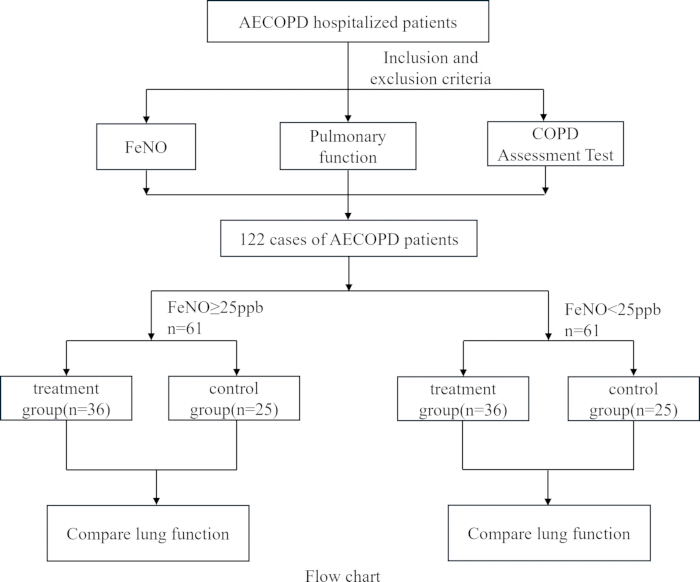
Figure 1: Flow chart of patient enrollment and study design. Please click here to view a larger version of this figure.
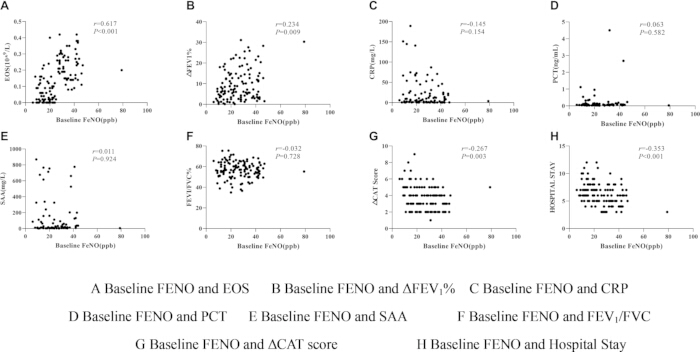
Figure 2: Correlation analysis between baseline FeNO levels and clinical and laboratory indicators. (A) Baseline fractional exhaled nitric oxide (FeNO) and eosinophil count (EOS). (B) Baseline FeNO and ΔFEV1%. (C) Baseline FeNO and C-reactive protein (CRP). (D) Baseline FeNO and procalcitonin (PCT). (E) Baseline FeNO and serum amyloid A (SAA). (F) Baseline FeNO and FEV1/FVC. (G) Baseline FeNO and ΔCAT score. (H) Baseline FeNO and duration of hospital stay. Please click here to view a larger version of this figure.
| Variables | High FeNO Group | Low FeNO Group | X2/t/z | P |
| (n=61) | (n=61) | |||
| Age (years) | 69.05±9.05 | 69.25±7.39 | -0.131 | 0.896 |
| Gender (%) | 0.054 | 0.817 | ||
| Male | 49(80.33) | 50(81.97) | ||
| Female | 12(19.67) | 11(18.03) | ||
| BMI(kg/m2) | 22.82±2.94 | 22.79±3.17 | 0.061 | 0.952 |
| Smoking History (%) | 0.132 | 0.716 | ||
| Non-smoker | 27(44.26) | 29(47.54) | ||
| Smoker | 34(55.74) | 32(52.46) | ||
| Smoking Index (pack-years) | 525(300,1200) | 800(512.5,1000) | -1.373 | 0.17 |
| GOLD Classification (%) | -1.147 | 0.251 | ||
| Grade 1 | 3(4.92) | 4(6.56) | ||
| Grade 2 | 16(26.23) | 13(21.31) | ||
| Grade 3 | 33(54.10) | 27(44.26) | ||
| Grade 4 | 9(14.75) | 17(27.87) | ||
| Data are presented as mean ± SD, median (interquartile range), or n (%) | ||||
Table 1: Comparison of baseline characteristics between the two groups.
| Complications | High FeNO Group | Low FeNO Group | X2 | P |
| (n=61) | (n=61) | |||
| Hypertension (%) | 2.198 | 0.138 | ||
| No | 33(54.10) | 41(67.21) | ||
| Yes | 28(45.90) | 20(32.79) | ||
| Diabetes Mellitus (%) | 0 | 1 | ||
| No | 56(91.80) | 56(91.8) | ||
| Yes | 5(8.20) | 5(8.2) | ||
| Coronary Heart Disease (%) | 0 | 1 | ||
| No | 58(95.08) | 59(96.72) | ||
| Yes | 3(4.92) | 2(3.28) | ||
| Heart Failure (%) | - | - | ||
| No | 61(100) | 61(100) | ||
| Yes | 0(0) | 0(0) | ||
| Cor Pulmonale (%) | 1.743 | 0.187 | ||
| No | 58(95.08) | 54(88.52) | ||
| Yes | 3(4.92) | 7(11.48) | ||
| Data are presented as n (%) | ||||
Table 2: Comparison of historically significant complications between the two groups.
| Indicators | High FeNO Group | Low FeNO Group | z | P |
| (n=61) | (n=61) | |||
| CRP (mg/L) | 3.65(0.8,20.8) | 6.6(2.1,44.9) | -1.626 | 0.104 |
| PCT (ng/mL) | 0.07(0.05,0.09) | 0.06(0.03,0.13) | -0.34 | 0.734 |
| SAA (mg/L) | 14.5(6.05,50) | 14(5.7,160) | -0.365 | 0.715 |
| WBC (×10⁹/L) | 5.91(4.9,7.28) | 5.68(4.31,7.21) | -0.415 | 0.678 |
| CAT Score | 24(22,26) | 23(21,26) | -0.909 | 0.363 |
| Data are presented as median (interquartile range) | ||||
Table 3: Comparison of clinical indicators between the two groups.
| Group | n | EOS (×10⁹/L) | z | P |
| High FeNO Group | 61 | 0.23 (0.17,0.28) | -8.12 | <0.001 |
| Low FeNO Group | 61 | 0.04 (0.01,0.10) | ||
| Data are presented as median (interquartile range) | ||||
Table 4: Comparison of eosinophil counts between the two groups.
| FeNO (ppb) | High FeNO Group (n=61) | z | P | Low FeNO Group (n=61) | z | P | ||
| treatment group | control group | treatment group | control group | |||||
| (n=36) | (n=25) | (n=36) | (n=25) | |||||
| Pre-treatment | 34.5 (30.5,41.5) | 35 (31,42) | -0.176 | 0.86 | 18.5 (12.5,20) | 15 (12,19) | -1.051 | 0.293 |
| Post-treatment | 22 (20,24) | 14 (8.5,18) | -4.457 | <0.001 | 14(8.5,18) | 12 (10,14) | -1.016 | 0.31 |
| Difference | 11.5 (7.5,19.5) | 4 (1.5,5.5) | -4.431 | <0.001 | 4(1.5,5.5) | 3 (2,5) | -0.74 | 0.459 |
| z | -5.234 | -4.118 | -5.026 | -3.977 | ||||
| P | <0.001 | <0.001 | <0.001 | <0.001 | ||||
| Data are presented as median (interquartile range) | ||||||||
Table 5: Changes in FeNO levels before and after treatment.
| CAT Score | High FeNO Group (n=61) | z | P | Low FeNO Group (n=61) | z | P | ||
| treatment group | control group | treatment group | control group | |||||
| (n=36) | (n=25) | (n=36) | (n=25) | |||||
| Pre-treatment | 26 (24,27) | 23 (22,24) | -3.512 | <0.001 | 25 (21.5,27) | 23 (21,23) | -2.084 | 0.037 |
| Post-treatment | 21 (20,23) | 20 (19,21) | -2.244 | 0.025 | 20.5 (18,23) | 19 (18,21) | -1.581 | 0.114 |
| Difference | 4 (3,5) | 3 (2,4) | -2.052 | 0.04 | 4 (3,5) | 3 (2,4) | -2.464 | 0.014 |
| z | -5.331 | -4.411 | -5.268 | -4.421 | ||||
| P | <0.001 | <0.001 | <0.001 | <0.001 | ||||
| Data are presented as median (interquartile range) | ||||||||
Table 6: Changes in CAT scores before and after treatment.
| FEV1%pred | High FeNO Group (n=61) | z | P | Low FeNO Group (n=61) | z | P | ||
| treatment group | control group (n=25) | treatment group (n=36) | control group (n=25) | |||||
| (n=36) | ||||||||
| Pre-treatment | 37.45 | 42.6 | -0.836 | 0.403 | 40.95 | 41 | -0.513 | 0.608 |
| (33.35,41.35) | (31.3,46.2) | (33.25,46.5) | (23.5,47.1) | |||||
| Post-treatment | 51.65 | 46.7 | -2.024 | 0.043 | 45.95 | 45.9 | -0.154 | 0.878 |
| (45.4,57.4) | (41.7,51.8) | (40.25,52.15) | (38.3,53.1) | |||||
| Difference | 12.7 | 4.2 | -3.396 | 0.001 | 6.7 | 6.2 | -0.579 | 0.562 |
| (6.1,20.95) | (2.9,11) | (2.45,8.85) | (4.9,12.7) | |||||
| z | -5.232 | -4.373 | -5.232 | -4.373 | ||||
| P | <0.001 | <0.001 | <0.001 | <0.001 | ||||
| Data are presented as median (interquartile range) | ||||||||
Table 7: Changes in predicted FEV1% before and after treatment.
| FEV1/FVC | High FeNO Group (n=61) | z | P | Low FeNO Group (n=61) | z | P | ||
| treatment group | control group | treatment group | control group | |||||
| (n=36) | (n=25) | (n=36) | (n=25) | |||||
| Pre-treatment | 56.72 | 56.74 | -0.447 | 0.655 | 56.77 | 56.44 | -0.513 | 0.608 |
| (52.86,60.95) | (49.96,62.67) | (51.12,63.87) | (52.8,66.75) | |||||
| Post-treatment | 69.08 | 61.07 | -3.842 | 0 | 63.24 | 63.71 | -0.484 | 0.628 |
| (65.25,72.43) | (56.35,66.37) | (59.14,68.02) | (60.78,66.84) | |||||
| Difference | 12.11 | 6.55 | -2.779 | 0.005 | 4.79 | 7.64 | -0.235 | 0.814 |
| (6.45,16.97) | (0.34,11.99) | (1.13,13.17) | (-1.38,12.24) | |||||
| z | -5.232 | -2.65 | -3.603 | -2.354 | ||||
| P | <0.001 | 0.008 | <0.001 | 0.019 | ||||
| Data are presented as median (interquartile range) | ||||||||
Table 8: Changes in FEV1/FVC before and after treatment.
Supplementary File 1: Data supporting the findings of this study. Please click here to download this file.
Discussion
Loading...
$$\rightleftharpoonup{xx}$$
$$\longleftharp{xx}$$,
$$\longrightharp{xx}$$,
In this study, patients with acute exacerbations of chronic obstructive pulmonary disease (AECOPD) were treated with a combination of inhaled corticosteroids ICS, SABA, and SAMA. Within this triple therapy, patients were categorized into high and low groups based on baseline FeNO levels, and systemic corticosteroids were added to each subgroup. The aim was to investigate and assess the clinical significance of FeNO in stratifying AECOPD patients, identify potential beneficiaries of corticosteroid therapy, and monitor therapeutic efficacy, thereby establishing an evidence-based rationale for optimizing individualized treatment regimens that incorporate triple therapy alongside systemic corticosteroids. Chronic obstructive pulmonary disease is a chronic inflammatory disease of the airways that exhibits considerable heterogeneity. Acute exacerbations can accelerate the decline in lung function, diminish quality of life, and elevate mortality risk. Glucocorticoids are essential in the management of AECOPD; however, individual patient responses to corticosteroid therapy can vary significantly. Furthermore, adverse effects such as immunosuppression and hyperglycemia may arise following treatment.
Most studies have demonstrated that environmental tobacco smoke (ETS)16,17 is associated with lower levels of fractional exhaled nitric oxide (FeNO), which may stem from the inhibitory effects of smoking on FeNO production, potentially leading to an underestimation of airway inflammation. Age is another independent and significant physiological factor influencing FeNO levels. A large study18 involving healthy adults found a positive correlation between FeNO levels and age, while revealing a negative correlation with the presence of cardiovascular and ischemic vascular diseases. Gender is also a critical physiological factor that affects FeNO levels, with clear gender dimorphism. Substantial evidence19 indicates that FeNO levels are generally higher in men than in women, with this difference being statistically significant within the adult population. During the research process, the confounding effects of smoking, age, and gender on the results were meticulously controlled. Researchers conducted detailed interviews with all patients regarding their medical history and recorded their smoking-related status. The final statistical analysis indicated no significant differences in age, smoking index, or gender distribution between the two groups, thus minimizing the influence of these factors on the research outcomes.
Studies20 have shown that during acute exacerbation periods, the level of Fractional Exhaled Nitric Oxide (FeNO) is significantly increased and positively correlated with C-reactive protein (CRP) and interleukin-6 (IL-6). As a pro-inflammatory cytokine, IL-6 plays a critical role in amplifying airway inflammation. A study21 conducted among patients with chronic obstructive pulmonary diseases, including COPD, asthma, and asthma-chronic obstructive pulmonary disease overlap (ACO) in Vietnam also indicated that FeNO levels were negatively correlated with baseline airflow limitation. This finding further supports the notion that elevated FeNO may be associated with more significant lung function impairment.
In patients with AECOPD, FeNO levels decrease significantly upon achieving clinical stability following treatment. This decline may coincide with an improvement in lung function, although research has predominantly emphasized FeNO as a biomarker for inflammation relief. A meta-analysis22 indicated that the reduction in FeNO before and after treatment correlates with baseline severity of FEV1/FVC impairment; specifically, greater baseline lung function impairment is associated with a more pronounced decrease in FeNO post-treatment. In the high FeNO group, the FeNO levels exhibited a significant decrease (11.5 and 4, respectively), regardless of whether the patients received systemic sex hormone therapy. As illustrated in Table 5, patients with elevated baseline FeNO levels demonstrated a notable downward trend in their FeNO values following treatment intervention. Furthermore, the data indicated that only in the high FeNO group did the patients experience significant improvements in lung function post-treatment. This suggests that individuals with higher FeNO levels are likely to have more active airway inflammation and more severe airflow limitation. Once inflammation is controlled (as evidenced by a decrease in FeNO), reversibility of lung function is observed, and associated damage is alleviated. This underscores the close relationship between FeNO levels and the severity and reversibility of lung function impairment.
Since 2019, the GOLD23 report has recommended using eosinophil thresholds of < 100 and ≥ 300 cells/µL to identify patients with a history of acute exacerbations, which correspond to those least likely and most likely to benefit from inhaled corticosteroid treatment, respectively. The stability of blood eosinophil levels over time is a crucial consideration for the reliable application of this biomarker in patients with COPD. This study demonstrated that eosinophil levels in the high FeNO group were significantly higher than in the low FeNO group, and that FeNO showed a positive correlation with eosinophil counts. These findings align with previous research indicating that FeNO can serve as a biomarker for airway type 2 inflammation, reflecting eosinophilic inflammation.
While a significant positive correlation was observed between fractional exhaled nitric oxide (FeNO) and blood eosinophil counts (r = 0.617, P < 0.001), consistent with previous literature, it is essential to recognize that FeNO offers distinct and complementary clinical value beyond peripheral blood markers. Firstly, FeNO is a direct, non-invasive measure of airway inflammation, whereas blood eosinophils reflect systemic inflammation. The data demonstrated that baseline FeNO levels exhibited a significant correlation with the improvement rate of forced expiratory volume in 1 s (FEV1) (r = 0.234, P = 0.009) and the reduction in COPD Assessment Test (CAT) scores (r = -0.267, P = 0.003). This suggests that FeNO may be more closely associated with the functional response to glucocorticoids than our blood eosinophil counts alone. Furthermore, in clinical practice, blood eosinophil counts often present a 'gray zone' (100–300 cells/µL) where treatment decisions are challenging. FeNO can serve as a supplementary tool to stratify patients within this range. The results show that FeNO-guided therapy effectively identifies patients with active airway Type 2 inflammation who are more likely to achieve significant lung function recovery and symptom relief, thereby supporting its role as a practical biomarker for personalized treatment in acute exacerbations of chronic obstructive pulmonary disease (AECOPD).
A longitudinal study24 of hospitalized patients with AECOPD demonstrated a significant positive correlation between the FeNO concentration at admission and the increase in forced expiratory volume in 1 s (FEV1) following treatment (r = 0.441, P < 0.001). Conversely, the FeNO value at hospitalization showed a significant negative correlation with the average hospitalization duration (r = -0.297, P = 0.016). Notably, no correlation was observed between FeNO levels at admission or discharge and the absolute values of lung function variables. This suggests that FeNO levels at the time of hospitalization may predict overall treatment response in patients with acute exacerbations of COPD.
This study observed that individuals with elevated FeNO levels exhibited greater improvements in lung function, FeNO, and CAT scores after the administration of systemic sex hormones compared to those who did not receive hormonal treatment. Additionally, the duration of hospitalization for systemic sex hormone therapy was reduced. In individuals with low FeNO levels, hormone therapy also resulted in improvements in FeNO, CAT scores, and FEV1, primarily attributed to standardized basic triple therapy. Although the control group was not statistically significant, the clinical symptoms improved, indicating clinical significance. ICS were found to slightly inhibit non-type 2 airway inflammation, while SABA and SAMA provided rapid relief from bronchospasm and enhanced pulmonary ventilation. Following systemic hormone administration, individuals with higher FeNO levels showed a decrease in FeNO levels, which were lower than those of individuals not receiving hormones, suggesting that hormonal treatment may inhibit type 2 inflammation. Conversely, FeNO levels in individuals with low FeNO also decreased post-hormone treatment, with no significant numerical difference between hormone users and non-users, suggesting that hormonal effects on non-type 2 inflammation are limited. Among individuals with high FeNO levels, those receiving hormonal therapy experienced a more pronounced decrease in CAT scores, indicating significant symptom relief. Furthermore, improvements in FEV1 among hormone users in the high FeNO group were superior to those in non-users, while no differences were observed between the two groups in the low FeNO population. The findings suggest that systemic sex hormone therapy in patients with high FeNO levels can lead to effective recovery of lung function. This suggests that a high baseline FeNO level may predict greater corticosteroid responsiveness in AECOPD, supporting its role as a practical biomarker to guide steroid treatment and mitigate the risk of overtreatment. In the current clinical treatment of AECOPD, there is disagreement about the use of corticosteroids. Excessive use of these hormones may lead to adverse effects. The detection of FeNO can help identify patients who are suitable for corticosteroid therapy and may benefit from it. This conclusion can serve as a valuable reference for clinical diagnosis and management.
The limitations of this study include a single-center, retrospective design, a small sample size, etc. Future research can explore various avenues, such as prospective randomized controlled trials, dynamic monitoring of FeNO, and assessment of long-term prognostic outcomes, to elucidate FeNO's predictive value for long-term prognosis.
Disclosures
Loading...
$$\rightleftharpoonup{xx}$$
$$\longleftharp{xx}$$,
$$\longrightharp{xx}$$,
The authors declare no conflict of interest.
Materials
| Name | Company | Catalog Number | Comments |
|---|---|---|---|
| Automated Hematology Analyzer | Mindray | CAL-8000 | Complete blood count including EOS |
| Automatic biochemical analyzer | Mindray | BS-2800M | Quantification of serum CRP´SAA |
| Automatic biochemical analyzer | Mindray | CL-8000i | Detection of PCT |
| Electronic Medical Record System | Zhejiang Heren Technology Co., Ltd. | Hi Assistant | Extraction of patient clinical data |
| FeNO Analyzer | Weigu Medical | HFWG-F013 | Measurement of fractional exhaled nitric oxide |
| Pulmonary Function Test System | Jaeger | Ganshorn | Assessment of FEV1, FVC, FEV1/FVC |
Reprints and Permissions
Request permission to reuse the text or figures of this JoVE article
Request Permission