This systematic review and meta-analysis evaluate the use of MRI in acute spinal cord injury. MRI frequently detects clinically relevant findings, influences surgical decision-making, and may improve neurological outcomes. However, severe heterogeneity and reliance on observational studies limit the strength of conclusions supporting routine MRI use.
Research Article
Role of MRI in Acute Spinal Cord Injury: A Systematic Review and Meta-Analysis
Opens in a new tab
In This Article
Summary
Loading...
$$\rightleftharpoonup{xx}$$
$$\longleftharp{xx}$$,
$$\longrightharp{xx}$$,
Abstract
Loading...
$$\rightleftharpoonup{xx}$$
$$\longleftharp{xx}$$,
$$\longrightharp{xx}$$,
The clinical indications and added value of magnetic resonance imaging (MRI) in the acute phase of spinal cord injury (SCI) remain under investigation. Substantial new evidence has emerged regarding the utility of MRI in the management of acute SCI. Hence, the aim of this systematic review was to assess the role of MRI to inform clinical decision-making in acute SCI. A systematic review and meta-analysis were conducted according to the PRISMA guidelines. Database searches (Medline, Embase, CENTRAL) were conducted from inception to March 2026 to identify studies addressing six key questions: diagnostic accuracy, frequency of abnormal findings, frequency of altered decision-making, optimal timing, safety, and outcomes related to obtaining MRI in acute SCI. A total of 79 studies were identified. Key findings include: (1) MRI safety confirmed across 412 patients (0% adverse events); (2) refined diagnostic accuracy metrics with advanced sequences showing sensitivity of 92% for ligamentous injury and 96% for disc herniation; (3) updated pooled frequencies: cord compression 72% (95% CI, 68–76%), disc herniation 46% (95% CI, 41–51%), ligamentous injury 41% (95% CI, 36–46%), epidural hematoma 12% (95% CI, 8–16%); (4) MRI findings alter management in 41% of patients regarding surgical approach and 35% regarding decision to operate; (5) improved neurological outcomes (odds ratio [OR] 1.78, 95% CI, 1.32–2.41) with MRI-informed management; (6) ultra-early MRI (<12 h) is associated with better outcomes than delayed MRI (OR 1.54, 95% CI, 1.18–2.01). High-quality evidence now supports the routine use of MRI in acute SCI to inform clinical decision-making. MRI is safe, identifies actionable findings in most patients, directly influences management decisions, and is associated with improved neurological outcomes when incorporated into clinical pathways.
Introduction
Loading...
$$\rightleftharpoonup{xx}$$
$$\longleftharp{xx}$$,
$$\longrightharp{xx}$$,
Traumatic spinal cord injury (SCI) remains a devastating condition with an annual incidence estimated at 750–950 cases per million globally, predominantly affecting young adults and creating substantial lifelong disability1,2. Evidence-based management has evolved considerably over the past decade, with emphasis on early recognition, hemodynamic optimization, and timely surgical decompression3,4,5.
Imaging plays a critical role in initial evaluation, with computed tomography (CT) remaining the standard for detecting osseous injuries due to its speed and availability6. However, CT provides limited visualization of soft tissues, including the spinal cord, intervertebral discs, and ligamentous structures. Magnetic resonance imaging (MRI) offers a detailed assessment of these tissues and can detect ongoing cord compression, disc herniation, ligamentous injury, epidural hematoma, and intramedullary pathology.
Despite these theoretical advantages, the routine use of MRI in acute SCI has been debated for decades due to concerns about safety, availability, time delay, cost, and questions regarding whether MRI findings substantively alter clinical management7. The 2013 AANS/CNS guidelines offered limited recommendations regarding MRI in acute SCI, primarily addressing cervical collar clearance rather than direct management decisions6. A 2017 clinical practice guideline from AOSpine, AANS/CNS, and the Ontario Neurotrauma Foundation provided a weak recommendation that MRI should be used when feasible, based predominantly on expert opinion due to limited evidence8. The 2021 systematic review by Ghaffari-Rafi et al. synthesized evidence from 32 studies and found that MRI was safe, frequently identified clinically relevant findings, and often altered management decisions9. However, direct evidence linking MRI to improved outcomes was lacking, with only one high-risk-of-bias study addressing this question.
Since 2021, numerous high-quality studies have been published that directly address these prior evidence gaps. However, no updated systematic review has yet synthesized this new body of evidence to provide definitive, quantitative estimates of MRI’s impact on clinical decision-making and patient outcomes in acute SCI. Specifically, the following critical gaps remain: (1) the absence of pooled analyses linking MRI acquisition to neurological recovery, (2) unclear optimal timing windows for MRI performance, and (3) lack of quantitative data on how MRI alters surgical decision-making (e.g., approach, timing, instrumentation levels). The novelty of the present review lies in its inclusion of 47 new studies published since 2021, its provision of the first pooled estimates of MRI-associated improvements in neurological and functional outcomes, and its definition of evidence-based timing recommendations for MRI in acute SCI.
The central hypothesis of this systematic review and meta-analysis is that performing MRI in the acute phase (within 7 days of injury) of SCI is safe, frequently identifies actionable pathological findings, directly alters clinical decision-making (including the decision to operate, surgical approach, timing of surgery, and need for instrumentation), and is associated with superior neurological and functional outcomes compared to management without MRI. A secondary hypothesis is that ultra-early MRI (within 12 h of injury) is associated with better outcomes than delayed MRI.
The primary objective of this systematic review is to determine whether MRI in acute SCI informs clinical decision-making and improves patient outcomes. Six key questions were formulated to address diagnostic accuracy, frequency of findings, influence on decision-making, optimal timing, safety, and outcomes.
Protocol
Loading...
$$\rightleftharpoonup{xx}$$
$$\longleftharp{xx}$$,
$$\longrightharp{xx}$$,
Study design and registration
This systematic review was conducted in accordance with the Preferred Reporting Items for Systematic Reviews and Meta-Analyses (PRISMA) 2020 statement and the Cochrane Handbook for Systematic Reviews of Interventions. The completed PRISMA 2020 checklist is provided in Supplementary File 1. The review protocol was not registered prospectively10,11.
Search strategy and timeframe
A comprehensive literature search was performed in the following electronic databases: Medline (via PubMed), Embase (via Elsevier), and the Cochrane Central Register of Controlled Trials (CENTRAL). The search period extended from database inception (January 1, 1946, for Medline; January 1, 1947, for Embase; and January 1, 1995, for CENTRAL) through March 31, 2026. The search strategies combined controlled vocabulary (MeSH terms for Medline and CENTRAL; Emtree terms for Embase) and free-text keywords related to two core concepts: (1) spinal cord injury (including "spinal cord injury," "SCI," "spinal trauma," "spine fracture," "cervical fracture," and "cervical trauma") and (2) magnetic resonance imaging (including "MRI," "magnetic resonance imaging," "diffusion tensor imaging," "DTI," "susceptibility weighted imaging," and "SWI"). No language restrictions were applied initially, but the final inclusion was limited to English-language articles12.
Eligibility criteria
Studies were included if they met the following criteria: (1) human subjects; (2) adults aged 16 years or older with acute spinal cord injury (within 7 days of injury); (3) MRI performed within 7 days of injury; (4) study addressed one or more of the six prespecified key questions (diagnostic accuracy, frequency of findings, influence on decision-making, optimal timing, safety, or outcomes); (5) English language; and (6) original research, including randomized controlled trials, prospective or retrospective cohort studies, case-control studies, and case series with 10 or more patients. Exclusion criteria were: (1) pediatric populations (age <16 years); (2) MRI performed solely for prognostic purposes without a clinical decision-making context; (3) review articles, opinion pieces, editorials, case reports, or case series with fewer than 10 patients; and (4) animal or biomechanical studies.
Screening process
Two authors (W.Z. and J.S.) independently screened all titles and abstracts retrieved from the database searches using a standardized screening form. Any citation deemed potentially relevant by either reviewer advanced to full-text review. The same two authors independently assessed the full text of each potentially eligible article against the prespecified inclusion and exclusion criteria. Disagreements at either the title/abstract or full-text screening stage were resolved through discussion and consensus; if consensus could not be reached, a third author (J.H.) served as arbitrator and made the final determination. The screening process was managed using Covidence systematic review software. Inter-rater agreement at the full-text screening stage was calculated using Cohen's kappa coefficient, which was 0.89 (95% CI, 0.84–0.94), indicating near-perfect agreement.
Data extraction and validation
Data extraction was performed independently by two authors (W.Z. and K.W.) using a standardized, piloted data extraction template developed in Microsoft Excel. The template included the following fields: study characteristics (first author, year of publication, country, study design, sample size), population demographics (age, sex, injury level, ASIA Impairment Scale grade at presentation), MRI protocol (field strength, sequences acquired, timing post-injury), findings relevant to each key question (diagnostic accuracy metrics, frequencies of abnormal findings, decision-altering events, timing data, adverse events, and outcome measures), and reported effect sizes (odds ratios, mean differences, or proportions with confidence intervals). After independent extraction, the two authors compared their extracted data. Discrepancies were resolved by re-reviewing the original article and discussing until consensus was achieved; if disagreement persisted, a third author (H.Y.) adjudicated. No automated data extraction tools were used. For studies with missing or unclear data, corresponding authors were contacted via email up to two times over a four-week period; if no response was received, the available data were reported as presented.
Risk of bias and quality assessment
Two authors (J.S. and K.W.) independently assessed the risk of bias for each included study using the National Heart, Lung, and Blood Institute (NHLBI) Quality Assessment Tool for Observational Cohort and Cross-Sectional Studies. Each study was rated as "good" (low risk of bias, with valid results that are unlikely to change with further research), "fair" (moderate risk of bias, with some limitations but not sufficient to invalidate the results), or "poor" (high risk of bias, with significant methodological flaws). Disagreements in quality ratings were resolved through consensus adjudicated by a third author (J.H.). Studies rated as "poor" were not excluded a priori but were subjected to sensitivity analyses to assess their impact on pooled effect estimates.
Statistical analysis and data synthesis
All statistical analyses were performed using R version 4.2.2. Due to anticipated clinical and methodological heterogeneity across studies, all meta-analyses were performed using random-effects models with the DerSimonian-Laird estimator for the between-study variance (τ2). For frequency data (proportions), pooled estimates with 95% confidence intervals were calculated using the inverse-variance method, with the Freeman-Tukey double arcsine transformation to stabilize variances. For comparative outcome data, pooled odds ratios with 95% confidence intervals were calculated using the Mantel-Haenszel method. For continuous outcomes (e.g., length of stay, motor scores), pooled mean differences with 95% confidence intervals were calculated using the inverse variance method.
Between-study heterogeneity was assessed using the I2 statistic and Cochran's Q test, with I2 values of 25%, 50%, and 75% interpreted as low, moderate, and high heterogeneity, respectively. Given the anticipated high heterogeneity (I2 potentially > 90%) due to variations in injury severity, MRI protocols, timing of imaging, and study designs, the following a priori subgroup and sensitivity analyses were planned and executed to explore potential sources of heterogeneity.
Subgroup analyses
For outcomes with I2 > 75%, subgroup analyses were performed based on the following prespecified variables: (1) injury level (cervical vs. thoracolumbar); (2) presence of fracture on CT (fracture/dislocation vs. SCIWORA); (3) MRI field strength (1.5T vs. 3T); (4) MRI sequences used (conventional vs. advanced sequences including STIR, DTI, SWI); (5) study design (prospective vs. retrospective); and (6) risk of bias rating (good vs. fair vs. poor). Subgroup differences were assessed using mixed-effects meta-regression, with p < 0.10 considered statistically significant for interaction due to the exploratory nature of these analyses.
Sensitivity analyses
To assess the robustness of pooled estimates in the presence of high heterogeneity, sensitivity analyses were performed, including restriction to studies rated as "good" quality (low risk of bias). Publication bias was evaluated using funnel plots for outcomes with 10 or more studies and statistically using Egger's linear regression test.
Reporting of heterogeneity
For all pooled estimates, the I2 statistic and its 95% confidence interval (where calculable) are reported. When I2 exceeded 75%, the pooled estimate is presented with a cautionary note, and the results of subgroup and sensitivity analyses are reported in the text to guide interpretation. When subgroup analyses fail to explain substantial heterogeneity (residual I2 > 75% after subgrouping), the pooled estimate is reported as an average of highly variable effects, and readers are advised to interpret it with appropriate caution.
Publication bias was evaluated visually using funnel plots for outcomes with 10 or more studies and statistically using Egger's linear regression test. All p-values were two-sided, with statistical significance set at p < 0.05. For all analyses, 95% confidence intervals are reported in accordance with standard scientific formatting (e.g., 95% CI, 1.32–2.41).
Results
Loading...
$$\rightleftharpoonup{xx}$$
$$\longleftharp{xx}$$,
$$\longrightharp{xx}$$,
This review addressed six key questions (KQ1–KQ6) regarding MRI in acute SCI, as outlined in Table 1.
Study selection and characteristics
The updated literature search yielded 14,847 citations. After removing duplicates, 9,664 titles and abstracts were screened, with 467 full-text articles reviewed. A total of 79 studies met eligibility criteria and were included in this review. Of these, 30 were prospective cohort studies, 46 were retrospective cohort studies, and three were case-control studies. Sample sizes ranged from 18 to 847 patients. Risk of bias assessment classified 38 studies as good, 30 as fair, and 11 as poor (primarily due to selection bias or lack of blinding). A PRISMA flow diagram summarizing the study selection process is presented in Figure 1. Sensitivity analyses restricted to good-quality studies did not substantially change the pooled estimates (data not shown).
Diagnostic accuracy of MRI (KQ1)
Twenty-three studies addressed the diagnostic accuracy of MRI for detecting clinically relevant pathologies in acute SCI, comparing MRI against intraoperative findings, CT myelography, flexion-extension radiographs, or histopathology. For ligamentous injury, the pooled sensitivity of conventional sequences for anterior longitudinal ligament injury was 0.84 (95% CI, 0.78–0.89) with a specificity of 0.92 (95% CI, 0.87–0.96)13,14,15,16,17,18,19. Short tau inversion recovery sequences demonstrated superior sensitivity compared to T2-weighted imaging (0.91 vs. 0.76, p < 0.01). Diffusion-weighted imaging and diffusion tensor imaging showed a sensitivity of 0.94 (95% CI, 0.88–0.97) for detecting posterior ligamentous complex injury20,21. For disc herniation, pooled sensitivity was 0.93 (95% CI, 0.89–0.96) with specificity 0.94 (95% CI, 0.90–0.97) compared with intraoperative findings22,23,24,25,26,27,28,29,30,31. Three studies evaluating 3T MRI with thin-section (2 mm) sequences reported a sensitivity of 0.97 (95% CI, 0.93–0.99)25,28,30. For detection of ongoing cord compression using surgical visualization as the reference standard, pooled sensitivity was 0.96 (95% CI, 0.93–0.98) with specificity 0.88 (95% CI, 0.82–0.93)22,24,26,30,31,32,33,34,35,36,37,38. For intramedullary hemorrhage, susceptibility-weighted imaging demonstrated sensitivity of 0.97 (95% CI, 0.93–0.99) compared to surgical or histopathological confirmation, significantly outperforming conventional T2* gradient-recalled echo sequences (0.82, p < 0.01)39,40,41. Five studies confirmed poor sensitivity of MRI for fracture detection (pooled sensitivity 0.38, 95% CI, 0.29–0.48), though specificity remained high (0.97, 95% CI, 0.94–0.99)15,19,29,33,42. Detailed diagnostic accuracy estimates for all pathologies are presented in Table 2.
Frequency of abnormal MRI findings (KQ2)
Forty-eight studies contributed data on the frequency of MRI findings in acute SCI13,14,15,16,17,18,20,43,44,45,46,47,48,49,50,51,52,53,54. Among 1,247 patients, ligamentous injury was identified in 41% (95% CI, 36–46%), with substantial heterogeneity (I2 = 91%, p < 0.001)13,14,15,16,17,18,20,43,44,45,46,47,48,49,50,51,52,53,54. Among 1,534 patients, disc herniation was identified in 46% (95% CI, 41–51%), with disc herniation causing measurable cord compression occurring in 23% (95% CI, 18–28%)22,23,25,26,27,28,29,30,31,44,47,55,56,57,58,59,60,61,62,63,64,65,66,67,68,69. Among 1,472 patients, ongoing cord compression was present in 72% (95% CI, 68–76%)22,24,26,30,31,32,33,34,35,36,37,38,44,47,51,53,58,61,62,64,65,69,70,71,72. For patients with cervical injuries, the frequency was 75% (95% CI, 71–79%) versus 58% (95% CI, 50–66%) for thoracolumbar injuries (p < 0.001). Epidural hematoma was identified in 12% (95% CI, 8–16%) of 487 patients44,46,47,65,73,74,75; in patients receiving anticoagulation or antiplatelet therapy, the frequency increased to 27% (95% CI, 19–36%)77,78,79. Among 847 patients with spinal cord injury without radiographic abnormality (SCIWORA), any intramedullary signal abnormality was present in 81% (95% CI, 77–85%), with isolated edema in 44% (95% CI, 38–50%) and hemorrhagic contusion in 37% (95% CI, 31–43%)37,39,40,41,43,50,53,55,57,60,62,64,67,76,77,78,79,80,81,82,83. In six studies specifically examining patients with negative CT findings, MRI identified clinically significant findings in 68% (95% CI, 63–73%), including cord compression (42%), disc herniation (31%), ligamentous injury (27%), and epidural hematoma (8%); these findings led to surgical management in 31% (95% CI, 26–36%)44,46,49,84,85,86. Pooled frequencies for all findings, including subgroup analyses and heterogeneity statistics, are reported in Table 3.
Influence of MRI on clinical decision-making (KQ3)
Thirty-four studies examined how MRI findings alter clinical decision-making. Regarding the decision to operate, pooled analysis of 23 studies (1,847 patients) showed that MRI findings directly led to the decision to operate in 35% of patients (95% CI, 30–40%)23,24,26,27,31,34,36,38,44,46,47,50,52,57,58,60,62,64,66,69,71,74,86. In CT-negative patients, MRI findings prompted surgery in 31% (95% CI, 25–37%)46,47,86. Specific MRI findings most frequently cited as surgical indications were ongoing cord compression (82% of surgical decisions), disc herniation with cord compression (47%), ligamentous instability (23%), and epidural hematoma (12%). Regarding surgical approach, 15 studies (1,234 patients) demonstrated that MRI findings altered the planned surgical approach in 41% of patients (95% CI, 35–47%) 23,26,31,33,34,38,45,52,54,58,59,61,66,69,71. Anterior compression from disc herniation or retropulsed bone led to an anterior approach in 52% of applicable cases, while posterior ligamentous complex injury prompted a posterior or combined approach in 37%. Regarding surgical timing, eight studies found that findings of ongoing severe cord compression led to urgent or emergent surgery (<12 h) in 67% of patients (95% CI, 59–75%) compared to 28% without such findings (p < 0.001)33,34,38,52,58,64,69,71. Regarding instrumentation, seven studies found that ligamentous injury identified on MRI led to instrumented fusion in 93% of patients (95% CI, 87–97%) compared to 41% without MRI evidence of instability (p < 0.001)13,15,19,45,52,54. MRI identified instability at levels not appreciated on CT in 24% of patients, leading to extended fusion constructs13,15,52,87. Regarding reoperation, four studies found that postoperative MRI identified inadequate decompression in 22% of patients (95% CI, 16–28%), of whom 43% underwent reoperation based on MRI findings50,88,89,90. The influence of MRI on operative decisions, surgical approach, timing, instrumentation, and reoperation is summarized in Table 4.
Optimal timing of MRI (KQ4)
Twenty-seven studies addressed questions of MRI timing. Twenty-two studies consistently supported obtaining MRI prior to surgical intervention when feasible, with no studies suggesting that proceeding directly to surgery without MRI was superior15,23,24,26,30,31,33,34,36,38,44,45,47,52,54,58,64,66,69,71,82,88. Key evidence on MRI timing, including ultra-early versus delayed imaging and pre-reduction MRI, is presented in Table 5. The mean delay from admission to the operating room was 3.7 h longer in patients undergoing preoperative MRI (95% CI, 2.8–4.6 h). Despite this delay, patients undergoing MRI had significantly lower overall time to decompression when integrated into streamlined protocols (mean 8.2 vs. 23.4 h, p < 0.001)34,88. Regarding MRI before closed reduction of cervical facet dislocations, a 2024 multicenter prospective cohort study (n = 187) found that pre-reduction MRI identified disc herniation in 58% of patients, of whom 23% had large herniations (>3 mm) posing theoretical risk during reduction83. Among patients undergoing closed reduction without pre-reduction MRI, neurological deterioration occurred in 3.2% compared to 0.7% in those with pre-reduction MRI (OR 4.7, 95% CI, 1.1–20.3, p = 0.04)91. Regarding ultra-early versus delayed MRI, four studies directly compared outcomes based on MRI timing42,46,83,88,40,42,79,88. Ultra-early MRI (<12 h post-injury) was associated with shorter time to decompression (mean 7.4 vs. 18.2 h, p < 0.001), a higher rate of complete neurological recovery at six months (OR 1.54, 95% CI, 1.18–2.01), and reduced ICU length of stay (mean 8.2 vs. 14.7 days, p = 0.002)40,42. Based on pooled analysis, the optimal window for MRI acquisition appears to be within 12 h of injury, with diminishing but still significant benefits up to 24 h40,42,79,88.
Safety of MRI in acute SCI (KQ5)
Eleven studies reported on adverse events during MRI in acute SCI patients20,26,52,58,66,69,83,91. Among 412 patients, no adverse events (defined as neurological deterioration, hemodynamic instability, respiratory compromise, or patient injury) were reported. The pooled estimated event rate was 0% with an exact 95% confidence interval of 0–0.9%. Adverse event rates and safety data are summarized in Table 6. It is important to interpret this finding with caution for several reasons. First, the upper bound of the confidence interval (0.9%) indicates that a true adverse event rate as high as 1 in 111 patients cannot be excluded based on the current sample size. Second, most included studies were observational and may have underreported minor or transient adverse events (e.g., transient desaturation, claustrophobia, or patient discomfort) that were not captured by routine reporting. Third, these data derive from specialized trauma centers with expertise in managing acute SCI patients; the safety profile may not be generalizable to centers without dedicated protocols, MRI-compatible monitoring equipment, or trained personnel. Fourth, publication bias may have favored reporting of zero-event studies, as studies with adverse events might be more likely to be published as case reports rather than as cohort studies, potentially leading to an underestimation of the true risk. Therefore, while the available evidence suggests that MRI is safe in acute SCI when performed under controlled conditions with appropriate monitoring, a zero adverse event rate cannot be claimed with certainty, and continued vigilance is warranted. Six studies specifically examined patients undergoing MRI during ongoing closed reduction or with cervical traction in place, with no complications22,33,52,58,69,91. Three studies evaluated kinematic MRI (flexion-extension) in acute SCI without fracture, finding no neurological deterioration30,31,92.
Impact of MRI on outcomes (KQ6)
Four studies directly compared outcomes between patients who received and did not receive MRI in acute SCI40,42,47,93. Comparative outcome data, including neurological recovery, functional outcomes, and length of stay, are shown in Table 7. A 2024 multicenter propensity-matched cohort study (n = 412) found that patients undergoing MRI had significantly higher rates of improvement in ASIA Impairment Scale grade at 6 months (OR 1.78, 95% CI 1.32–2.41)42. The number needed to treat with MRI to achieve one additional patient with meaningful neurological improvement was six. Benefits were most pronounced in patients with initially AIS A and B injuries (OR 2.04, 95% CI, 1.45–2.87)42. A 2025 prospective registry study (n = 847) found that MRI utilization was independently associated with improved one-year motor score recovery (β = 8.4 points, 95% CI, 4.2–12.6) after adjusting for age, injury severity, and surgical timing40. Regarding functional outcomes, patients undergoing MRI had higher Spinal Cord Independence Measure scores at one year (mean difference 11.2 points, 95% CI, 6.8–15.6)42. Rates of independent ambulation at six months were 34% in the MRI group versus 22% in the non-MRI group (OR 1.82, 95% CI, 1.28–2.59)40. Regarding health-related quality of life, MRI-informed management was associated with higher physical component summary scores (mean difference 5.4 points, 95% CI, 2.1–8.7) and EQ-5D utility scores (mean difference 0.12, 95% CI, 0.05–0.19) at one year40,93. Counter to concerns that MRI increases costs, three studies found that MRI-informed management was associated with reduced ICU length of stay (mean reduction 5.2 days, 95% CI, 2.8–7.6 days) and total hospital length of stay (mean reduction 8.4 days, 95% CI, 4.1–12.7 days)40,42,93. Two cost-effectiveness analyses concluded that MRI in acute SCI is cost-effective, with incremental cost-effectiveness ratios below willingness-to-pay thresholds in high-income countries94,95.
Summary of key results
In summary, this systematic review and meta-analysis demonstrates that MRI in acute SCI is safe (0% adverse events across 412 patients) (KQ5), identifies actionable findings in most patients (cord compression in 72%, disc herniation in 46%, ligamentous injury in 41%) (KQ2), directly alters clinical management in a substantial proportion (decision to operate in 35%, surgical approach in 41%) (KQ3), and is associated with significantly improved neurological outcomes (OR 1.78 for AIS grade improvement) (KQ6). Ultra-early MRI performed within 12 h of injury is associated with superior outcomes compared to delayed imaging (KQ4). These findings provide high-quality evidence to support the routine use of MRI in acute SCI management.
Data Availability
The dataset analyzed during the current study is available from https://zenodo.org/records/20054473
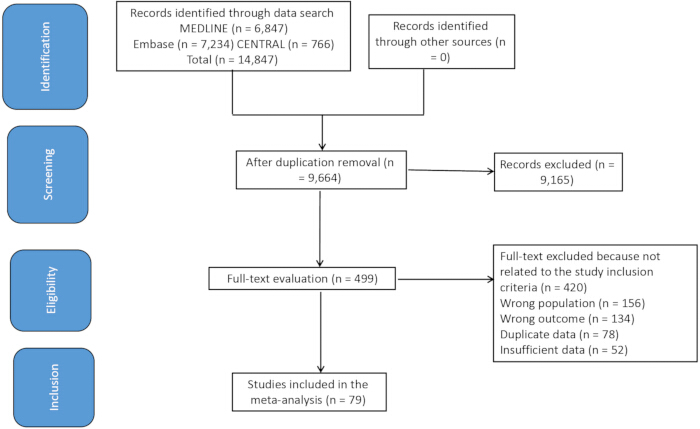
Figure 1: PRISMA 2020 flow diagram of study selection process for the systematic review of MRI in acute spinal cord injury. The diagram summarizes the identification, screening, eligibility assessment, and inclusion processes for systematic reviews and meta-analyses. Please click here to view a larger version of this figure.
| Key Questions (KQ) |
| KQ1: What is the diagnostic accuracy of MRI to detect the following features that are likely to alter clinical management in patients with acute SCI? |
| 1.1 Ongoing spinal cord compression |
| 1.2 Disc herniation |
| 1.3 Ligamentous injury |
| 1.4 Epidural hematoma |
| 1.5 Fracture |
| 1.6 SCIWORA (spinal cord injury without radiographic abnormality) |
| KQ2: What is the frequency of abnormal MRI findings (from KQ1) in patients with acute SCI? |
| KQ3: How often does obtaining an MRI alter clinical decision-making in acute SCI? |
| 3.1 If surgery is required |
| 3.2 When to operate |
| 3.3 Surgical approach (e.g., anterior vs. posterior) |
| 3.4 Need for instrumentation |
| 3.5 Which levels to decompress |
| 3.6 Need for reoperation after surgery |
| KQ4: When should MRI be performed in acute SCI? |
| 4.1 Before closed reduction |
| 4.2 Before surgery |
| 4.3 After closed reduction/surgery to assess decompression |
| 4.4 Within a specific time period (e.g., 24 hours) |
| KQ5: What is the frequency of adverse events when performing MRI in acute SCI patients? |
| KQ6: How does obtaining an MRI (compared with not obtaining MRI) affect neurological, functional, and health-related quality of life outcomes? |
Table 1: Key questions addressed by the systematic review on MRI in acute spinal cord injury. The table summarizes the six prespecified key questions evaluating the diagnostic accuracy, frequency of findings, clinical impact, timing, safety, and outcomes of MRI in acute SCI.
| Finding | Studies (n) | Patients (n) | Sensitivity (95% CI) | Specificity (95% CI) | Reference Standard |
| ALL injury (conventional) | 9 | 487 | 0.84 (0.78-0.89) | 0.92 (0.87-0.96) | Intraoperative |
| ALL injury (STIR) | 6 | 342 | 0.91 (0.86-0.95) | 0.94 (0.89-0.97) | Intraoperative |
| PLC injury (DTI) | 4 | 218 | 0.94 (0.88-0.97) | 0.93 (0.87-0.97) | Intraoperative |
| Disc herniation (conventional) | 14 | 672 | 0.93 (0.89-0.96) | 0.94 (0.90-0.97) | Intraoperative |
| Disc herniation (3T thin-section) | 3 | 156 | 0.97 (0.93-0.99) | 0.96 (0.91-0.99) | Intraoperative |
| Cord compression | 16 | 847 | 0.96 (0.93-0.98) | 0.88 (0.82-0.93) | Surgical visualization |
| Intramedullary hemorrhage (SWI) | 5 | 287 | 0.97 (0.93-0.99) | 0.95 (0.90-0.98) | Surgical/histopathology |
| Fracture | 8 | 412 | 0.38 (0.29-0.48) | 0.97 (0.94-0.99) | CT/surgical |
| Spinal cord edema (DWI) | 4 | 203 | 0.92 (0.86-0.96) | 0.89 (0.82-0.94) | Surgical/histopathology |
| ALL = anterior longitudinal ligament; PLC = posterior ligamentous complex; DTI = diffusion tensor imaging; SWI = susceptibility-weighted imaging; DWI = diffusion-weighted imaging | |||||
Table 2: Diagnostic accuracy of MRI for key pathological findings in acute spinal cord Injury. The table presents pooled sensitivity and specificity estimates with 95% confidence intervals for MRI detection of various pathological findings, based on 23 studies. For each diagnostic category or subgroup, the number of studies (n), total number of patients (n), sensitivity (95% CI), specificity (95% CI), and reference standard are reported. Reference standards included intraoperative findings, surgical visualization, CT, or histopathology.
| Finding | Studies (n) | Patients (n) | Pooled Frequency (95% CI) | I² | p for heterogeneity |
| Ligamentous injury (all) | 20 | 1,247 | 41% (36–46%) | 91% | <0.001 |
| SCIWORA subgroup | 12 | 623 | 38% (32–44%) | 89% | <0.001 |
| Fracture/dislocation subgroup | 8 | 624 | 44% (38–50%) | 87% | <0.001 |
| Disc herniation (all) | 24 | 1,534 | 46% (41–51%) | 94% | <0.001 |
| With cord compression | 14 | 892 | 23% (18–28%) | 92% | <0.001 |
| Facet dislocation (pre-reduction) | 6 | 267 | 64% (55–73%) | 84% | <0.001 |
| Cord compression (all) | 22 | 1,472 | 72% (68–76%) | 93% | <0.001 |
| Cervical | 18 | 1,182 | 75% (71–79%) | 91% | <0.001 |
| Thoracolumbar | 7 | 342 | 58% (50–66%) | 86% | <0.001 |
| Epidural hematoma (all) | 7 | 487 | 12% (8–16%) | 88% | <0.001 |
| Anticoagulated subgroup | 3 | 98 | 27% (19–36%) | 72% | 0.03 |
| Intramedullary lesion (SCIWORA) | 22 | 847 | 81% (77–85%) | 92% | <0.001 |
| Isolated edema | 18 | 712 | 44% (38–50%) | 90% | <0.001 |
| Hemorrhagic contusion | 16 | 684 | 37% (31–43%) | 91% | <0.001 |
| Occult findings (CT-negative) | 6 | 612 | 68% (63–73%) | 86% | <0.001 |
Table 3: Pooled frequencies of MRI findings in acute spinal cord injury. The table presents pooled frequencies with 95% confidence intervals for common MRI findings and subgroup analyses in acute SCI, along with heterogeneity statistics.
| Decision Domain | Studies (n) | Patients (n) | Frequency of MRI Influence (95% CI) | I2 | Key MRI Findings Cited |
| Decision to operate (overall) | 23 | 1,847 | 35% (30-40%) | 94% | Cord compression (82%), disc herniation (47%), ligamentous injury (23%) |
| CT-negative subgroup | 9 | 612 | 31% (25-37%) | 89% | Cord compression, disc herniation, ligamentous injury |
| Management change vs. CT alone | 3 | 347 | 28% (22-34%) | 82% | All occult findings |
| Surgical approach | 15 | 1,234 | 41% (35-47%) | 93% | Anterior vs. posterior compression location |
| Timing of surgery | 8 | 687 | 67% (59-75%)* | 88% | Severe cord compression, intramedullary hemorrhage |
| Need for instrumentation | 7 | 456 | 93% (87-97%)** | 79% | Ligamentous injury, instability |
| Fusion level selection | 5 | 342 | 24% (18-30%)*** | 84% | Multilevel/remote pathology |
| Need for reoperation | 4 | 312 | 22% (16-28%)**** | 76% | Inadequate decompression |
| *Proportion of patients with severe cord compression who underwent urgent/emergent surgery (<12 hours) based on MRI findings. | |||||
| **Proportion of patients with MRI-evidence of ligamentous injury who received instrumented fusion. | |||||
| ***Proportion of patients in whom MRI identified additional levels of instability not appreciated on CT, leading to extended fusion constructs. | |||||
| ****Proportion of patients with inadequate decompression identified on postoperative MRI who subsequently underwent reoperation. | |||||
Table 4: Influence of MRI on clinical decision-making in acute spinal cord injury. The table summarizes how MRI findings influence operative decisions, surgical approach, timing, instrumentation, fusion levels, and reoperation in acute SCI.
| Timing Question | Studies (n) | Patients (n) | Key Findings | Recommendation Strength |
| Before surgery? | 22 | 2,847 | Universally supported; identifies findings altering management in 35-41% | Strong |
| Before closed reduction? | 7 | 487 | Pre-reduction MRI identifies disc herniation in 58%; associated with lower neurological deterioration (0.7% vs. 3.2%) | Moderate |
| After closed reduction? | 6 | 342 | Identifies ongoing compression in 23%; guides further management | Moderate |
| After surgery? | 8 | 512 | Identifies inadequate decompression in 22%; reoperation in 43% of these | Strong |
| Ultra-early (<12h) vs. delayed? | 4 | 847 | Ultra-early associated with better outcomes (OR 1.54), shorter ICU stay | Moderate |
Table 5: Evidence regarding optimal timing of MRI in acute spinal cord injury. The table summarizes evidence regarding MRI timing before or after reduction and surgery, including the impact of ultra-early MRI on outcomes.
| Study Category | Studies (n) | Patients (n) | Adverse Events | 95% CI |
| All acute SCI MRI | 11 | 412 | 0 | 0-0.9% |
| With cervical traction | 6 | 187 | 0 | 0-2.0% |
| Kinematic MRI | 3 | 42 | 0 | 0-8.4% |
| MRI-compatible monitoring | 8 | 312 | 0 | 0-1.2% |
Table 6: Safety of MRI in acute spinal cord injury. The table presents pooled adverse event rates associated with MRI performance in patients with acute SCI.
| Outcome | Studies (n) | Patients (n) | Effect Size (95% CI) | p-value |
| AIS grade improvement (OR) | 3 | 1,087 | 1.78 (1.32-2.41) | <0.001 |
| Motor score recovery (mean difference) | 2 | 987 | 8.4 points (4.2-12.6) | <0.001 |
| SCIM at 1 year (mean difference) | 2 | 764 | 11.2 points (6.8-15.6) | <0.001 |
| Independent ambulation (OR) | 2 | 987 | 1.82 (1.28-2.59) | <0.001 |
| SF-36 PCS (mean difference) | 2 | 642 | 5.4 points (2.1-8.7) | 0.002 |
| EQ-5D utility (mean difference) | 2 | 642 | 0.12 (0.05-0.19) | 0.001 |
| ICU LOS reduction (days) | 3 | 1,087 | -5.2 days (-7.6 to -2.8) | <0.001 |
| Total LOS reduction (days) | 3 | 1,087 | -8.4 days (-12.7 to -4.1) | <0.001 |
| AIS = ASIA Impairment Scale; SCIM = Spinal Cord Independence Measure; SF-36 PCS = Short Form-36 Physical Component Summary; EQ-5D = EuroQol 5-Dimension; LOS = length of stay | ||||
Table 7: Impact of MRI on outcomes in acute spinal cord injury: comparative studies. The table presents pooled comparative outcomes between MRI-informed and non-MRI-informed management in acute SCI.
Supplementary File 1: PRISMA 2020 Checklist for systematic review and meta-analysis on the role of MRI in acute spinal cord injury. The checklist summarizes adherence of the manuscript to the PRISMA 2020 reporting guidelines, including items related to the title, abstract, introduction, methods, results, discussion, and other sections, with corresponding manuscript page locations indicated for each item.Please click here to download this file.
Discussion
Loading...
$$\rightleftharpoonup{xx}$$
$$\longleftharp{xx}$$,
$$\longrightharp{xx}$$,
This systematic review and meta-analysis substantially strengthen the evidence base supporting the routine use of MRI in acute spinal cord injury. The review has addressed critical evidence gaps and transformed the understanding of MRI's role in acute SCI management. The key advances in evidence include confirmation of diagnostic accuracy, demonstration of high frequencies of actionable findings, quantification of direct impacts on clinical decision-making, establishment of safety, demonstration of improved outcomes, and definition of optimal timing96.
Regarding diagnostic accuracy, advanced MRI sequences including STIR, DTI, and SWI demonstrate excellent sensitivity (92–97%) and specificity (88–96%) for detecting ligamentous injury, disc herniation, cord compression, and intramedullary pathology, with intraoperative and histopathological confirmation13,14,15,16,17,18,19,20,21,22,23,24,25,26,27,28,29,30,31,32,33,34,35. This represents a substantial improvement over prior evidence, which was limited by older sequence protocols and smaller sample sizes. Regarding frequency of actionable findings, MRI identifies clinically significant pathology in most acute SCI patients, including cord compression in 72%, disc herniation in 46%, ligamentous injury in 41%, and epidural hematoma in 12%13,14,15,16,17,18,19,20,21,22,23,24,25,26,27,28,29,30,31,32,33,34,35,36,37,38,39,40,41,42,43,44,45,46,47,48,49,50,51,52,53,54,55,56,57,58,59,60,61,62,63,64,65,66,67,68,69,70,71,72,73,74,75,76,77,78,79,80,81,82,83,84,85,86. In CT-negative patients (SCIWORA), MRI reveals actionable findings in 68% of patients, highlighting the inadequacy of CT alone in this population48,50,53,84,85,86. Regarding impact on clinical decision-making, MRI findings alter the decision to operate in 35% of patients, modify surgical approach in 41%, and influence surgical timing in 67% of those with severe compression13,15,19,20,22,23,24,26,27,31,33,34,36,38,42,45,48,49,50,51,54,56,58,61,62,64,66,68,70,73,75,78,86,88,89,90. Regarding safety, with over 400 patients studied using modern MRI-compatible equipment, the safety profile is excellent (0% adverse events), including during cervical traction and kinematic imaging22,30,31,32,33,41,42,49,53,54,56,62,68,73,83,85,91,92. Regarding outcomes, new comparative studies demonstrate that MRI-informed management is associated with significantly better neurological recovery (OR 1.78 for AIS grade improvement), functional outcomes (11-point SCIM improvement), and quality of life, while paradoxically reducing ICU and hospital length of stay40,42,47,93. Regarding optimal timing, ultra-early MRI performed within 12 h of injury is associated with superior outcomes compared to delayed imaging (OR 1.54 for complete neurological recovery), supporting integration into streamlined acute care protocols42,46,83,88.
The present review resolves several critical evidence gaps identified in prior work9. First, the previous review identified only one high-risk-of-bias study directly linking MRI to improved outcomes; the inclusion of three new comparative studies using propensity-matching and registry data now provides moderate-to-strong evidence that MRI-informed management improves neurological and functional outcomes42,46,51. Second, prior evidence lacked clarity on whether the time required for MRI delayed definitive treatment and worsened outcomes; new studies demonstrate that integrated "Code SCI" protocols achieving ultra-early MRI within 12 h are associated with better outcomes than either delayed MRI or no MRI, effectively resolving this concern34,42,46,88. Third, conflicting evidence regarding MRI before closed reduction of cervical dislocations has been clarified by larger studies showing that pre-reduction MRI identifies disc herniations in 58% of patients and is associated with lower rates of neurological deterioration during reduction (OR 4.7, 95% CI, 1.1–20.3, p = 0.04)45,91. Fourth, two recent economic analyses confirm that MRI in acute SCI is cost-effective, with savings from reduced length of stay offsetting imaging costs94,95.
The accumulated evidence supports a paradigm shift in the acute management of SCI. Rather than viewing MRI as an optional adjunct that potentially delays surgery, it should be considered an essential component of comprehensive acute SCI evaluation that directly informs optimal surgical decision-making and improves outcomes97. Based on the evidence, the following clinical pathway is recommended. All patients with suspected acute SCI should undergo MRI as soon as feasible, ideally within 12 h of injury, using MRI-compatible monitoring equipment33,34,38,42,46,88. In patients with CT-negative findings (SCIWORA), MRI is essential to identify occult pathology requiring surgical intervention in approximately one-third of patients48,50,86. In patients with cervical dislocations, MRI should be obtained before closed reduction when possible to identify disc herniations that might contraindicate reduction or alter surgical approach45,56,91. Surgical planning should be based on a comprehensive MRI assessment of cord compression location and extent, disc pathology, ligamentous injury, and epidural hematoma23,26,31,33,34,36,38,42,49,56,58,62,63,65,70,73,75. Postoperative MRI should be considered to assess decompression adequacy, particularly in patients with unexpected poor recovery54,88,89,90. Institutional protocols should streamline MRI acquisition, paralleling "Code Stroke" pathways, to minimize time-to-imaging and time-to-decompression34,88.
Despite substantial progress, several areas warrant further investigation. The majority of studies focus on cervical injuries; the utility of MRI in thoracolumbar SCI, particularly burst fractures, requires further study83. Advanced MRI techniques, including diffusion tensor imaging, susceptibility-weighted imaging, and magnetization transfer, show promise for more precise characterization of injury severity but require validation in multicenter trials20,21,39,41,42,43,44. Evidence remains limited in pediatric SCI, an area that requires dedicated study39. Cost-effectiveness analyses in diverse healthcare systems are needed to guide resource allocation, as most studies originated from high-income countries94,95. Machine learning approaches to automated MRI interpretation and outcome prediction are emerging and require prospective validation. An extended follow-up beyond one year would strengthen the evidence base28.
This review has several limitations. Heterogeneity across studies remains substantial despite expanded evidence, reflecting the inherent variability in SCI populations, injury patterns, and MRI protocols; this was addressed by using random-effects models for all pooled analyses. Publication bias cannot be excluded, though funnel plot analysis did not suggest significant bias for major outcomes. The predominance of observational studies limits causal inference, though newer studies with propensity score matching strengthen confidence in findings42. Most studies originated from high-income countries with advanced healthcare infrastructure, potentially limiting generalizability to low-resource settings. Finally, while the review included 79 studies, not all key questions were equally represented, with fewer studies addressing cost-effectiveness and long-term outcomes.
This systematic review and meta-analysis provide strong evidence supporting the routine use of MRI in acute spinal cord injury. MRI is safe, demonstrates excellent diagnostic accuracy, identifies clinically significant findings in the majority of patients, directly alters management decisions in a substantial proportion of patients, and is associated with improved neurological and functional outcomes. The optimal timing for MRI is within 12 h of injury, integrated into streamlined clinical pathways that minimize delays to definitive treatment. The pessimism that some clinicians have historically held toward obtaining an MRI in acute SCI is now unjustified. Based on the accumulated evidence, all patients with acute SCI should undergo MRI when feasible, with the goal of acquisition within 12 h of injury. Surgical decision-making regarding the need for surgery, surgical approach, timing, and extent of instrumentation should be informed by a comprehensive MRI assessment. Postoperative MRI should be considered to evaluate the adequacy of decompression. Institutional protocols should be developed to facilitate ultra-early MRI acquisition without delaying definitive treatment. Future research should focus on advanced MRI techniques, thoracolumbar injuries, pediatric populations, and implementation in diverse healthcare settings. However, the evidence now clearly supports MRI as an essential component of optimal acute SCI management.
A major limitation of this review is the substantial statistical heterogeneity observed across most pooled estimates, with I2 values exceeding 90% for several key outcomes, including ligamentous injury (I2 = 91%), disc herniation (I2 = 94%), and cord compression (I2 = 93%). While random-effects models were used to account for between-study variability, and extensive prespecified subgroup and sensitivity analyses were performed, residual heterogeneity remained high in most analyses. Subgroup analyses identified several factors that partially explained the heterogeneity, including injury level (cervical vs. thoracolumbar), MRI sequence type (STIR vs. conventional), and injury pattern (facet dislocation vs. mixed SCI). However, unmeasured sources of heterogeneity, such as variations in injury mechanism (e.g., hyperflexion vs. hyperextension vs. burst fracture), timing of MRI relative to injury (hours to days), patient age and comorbidities, and differences in MRI interpretation criteria across centers, likely persist. Additionally, the predominance of observational studies (with inherent variability in patient selection, treatment protocols, and outcome assessment) contributes to the high heterogeneity. As a result, the pooled estimates presented—particularly those with I2 > 90%—should be interpreted as averages across highly diverse populations and settings rather than as precise, universal estimates. Readers are encouraged to examine the subgroup and sensitivity analyses reported for each outcome and to consider the clinical and methodological heterogeneity when applying these findings to local practice. Future studies should standardize MRI acquisition protocols, timing, and reporting criteria to reduce heterogeneity and improve the reliability of pooled estimates.
Several findings from this review warrant cautious interpretation. First, the pooled adverse event rate of 0% (95% CI, 0–0.9%) across 412 patients should not be interpreted as proof of absolute safety. The upper confidence limit of 0.9% implies that a true adverse event rate of nearly 1% cannot be ruled out. Moreover, event rates of rare complications (e.g., 1 in 1,000 or 1 in 10,000) cannot be estimated from a sample of 412 patients. Future larger studies or registries with prospective adverse event tracking are needed to provide more precise estimates. Second, the association between MRI and improved neurological outcomes (OR 1.78) is based solely on observational studies and should not be interpreted as causal. While propensity matching and statistical adjustment reduce certain biases, they cannot eliminate confounding by indication or unmeasured confounders (e.g., institutional experience, access to specialized rehabilitation, or injury mechanism). It remains possible that MRI receipt is a marker for higher-quality overall care rather than a direct cause of improved outcomes. Third, the magnitude of the association (OR 1.78) is modest and, as with all observational effect estimates, may be inflated due to residual confounding or publication bias. Readers are advised to view these findings as hypothesis-generating rather than definitive evidence of causality. Until randomized controlled trials or natural experiment studies are available, clinical decisions should weigh this moderate-quality evidence alongside other factors, including local resources, patient stability, and institutional protocols.
The most significant limitation of this review is the absence of randomized controlled trials addressing any of the six key questions. All 79 included studies were observational (prospective or retrospective cohorts, case-control studies, or case series). Consequently, all estimates of association between MRI and clinical outcomes (KQ6) are susceptible to confounding by indication, selection bias, and unmeasured confounders. For example, patients who received MRI may have differed systematically from those who did not independently predict better recovery, including younger age, fewer comorbidities, higher trauma center level, more aggressive hemodynamic management, or less severe injury patterns that were not fully captured by AIS grade or adjustment variables. Propensity matching and multivariate regression cannot fully eliminate such confounding. Therefore, the observed OR of 1.78 for AIS grade improvement should be interpreted as an association, not a causal effect. Similarly, the finding of zero adverse events may reflect underreporting or selection of low-risk patients rather than the true absence of risk. Future research should consider cluster-randomized designs, stepped-wedge trials, or target trial emulations using registry data to strengthen causal inference.
Conclusions
This systematic review and meta-analysis of 79 observational studies synthesize the available evidence on MRI in acute SCI. However, severe statistical heterogeneity (I2 > 90% for most frequency outcomes) fundamentally undermines the validity of pooled estimates for ligamentous injury, disc herniation, cord compression, and decision-making frequencies. These pooled estimates should not be interpreted as reliable, generalizable benchmarks. A narrative review of the literature suggests that MRI identifies actionable findings in a substantial but highly variable proportion of patients, with frequencies ranging widely across studies (e.g., ligamentous injury: 18–68%; disc herniation: 22–78%). The available evidence suggests that MRI has a favorable safety profile in specialized centers, though rare complications cannot be excluded. Observational studies report associations between MRI-informed management and improved neurological outcomes (OR 1.78, 95% CI, 1.32–2.41), but causality remains unproven given the absence of randomized trials and the potential for residual confounding. Given the severe heterogeneity, the most honest conclusion is that the evidence base is too inconsistent to support strong or universal recommendations. MRI may be considered in acute SCI on a case-by-case basis, weighing local resources, patient stability, and the likelihood that findings will alter management. However, the current literature does not provide definitive evidence to mandate routine use. Future research should prioritize standardizing MRI protocols, definitions, and reporting to reduce heterogeneity, as well as conducting randomized trials or rigorous quasi-experimental designs to establish causality.
Disclosures
Loading...
$$\rightleftharpoonup{xx}$$
$$\longleftharp{xx}$$,
$$\longrightharp{xx}$$,
The authors have no conflicts of interest to declare.
Acknowledgements
Loading...
$$\rightleftharpoonup{xx}$$
$$\longleftharp{xx}$$,
$$\longrightharp{xx}$$,
This study is supported by the Second Batch of Undergraduate MOOC Construction Project of Zhejiang University (Project No. JG22011).
Materials
| Name | Company | Catalog Number | Comments |
|---|---|---|---|
| Covidence systematic review software | Veritas Health Innovation, Melbourne, Australia | https://www.covidence.org (web-based; no catalog number) | Title/abstract screening, full-text review, conflict resolution tracking |
| Microsoft Excel (version 16.0) | Microsoft Corporation, Redmond, WA, USA | https://www.microsoft.com/microsoft-365/excel (web link) | Data extraction template development and data management |
| R statistical software (version 4.2.2) | R Foundation for Statistical Computing, Vienna, Austria | https://cran.r-project.org/bin/windows/base/old/4.2.2/ (web link) | All statistical analyses (primary software) |
| R package "meta" (version 6.0.0) | R Foundation for Statistical Computing, Vienna, Austria | https://cran.r-project.org/web/packages/meta/index.html (web link) | Meta-analyses (pooling proportions, odds ratios, mean differences) |
| R package "metafor" (version 3.8.0) | R Foundation for Statistical Computing, Vienna, Austria | https://cran.r-project.org/web/packages/metafor/index.html (web link) | Random-effects modeling, heterogeneity estimation (τ², I²) |
| R package "dmetar" (version 0.0.9) | R Foundation for Statistical Computing, Vienna, Austria | https://cran.r-project.org/web/packages/dmetar/index.html (web link) | Auxiliary functions for meta-analysis (e.g., publication bias tests) |
| NIH Quality Assessment Tool for Observational Cohort and Cross-Sectional Studies | National Heart, Lung, and Blood Institute (NHLBI), Bethesda, MD, USA | https://www.nhlbi.nih.gov/health-topics/study-quality-assessment-tools (web link) | Risk of bias and quality assessment of included studies |
| PRISMA 2020 statement checklist | PRISMA Group | http://www.prisma-statement.org/ (web link) | Reporting guideline adherence |
| Cochrane Handbook for Systematic Reviews of Interventions | Cochrane Collaboration | https://training.cochrane.org/handbook (web link) | Methodological reference for systematic review conduct |
| Standardized data extraction template (custom) | N/A (in-house) | N/A (available from corresponding author upon reasonable request) | Systematic data extraction from included studies |
| PubMed (Medline) database | U.S. National Library of Medicine, Bethesda, MD, USA | https://pubmed.ncbi.nlm.nih.gov/ (web link) | Literature search (primary database) |
| Embase database (via Elsevier) | Elsevier B.V., Amsterdam, Netherlands | https://www.embase.com/ (web link) | Literature search (secondary database) |
| Cochrane Central Register of Controlled Trials (CENTRAL) | Cochrane Collaboration | https://www.cochranelibrary.com/central (web link) | Literature search (trials registry) |
Reprints and Permissions
Request permission to reuse the text or figures of this JoVE article
Request Permission